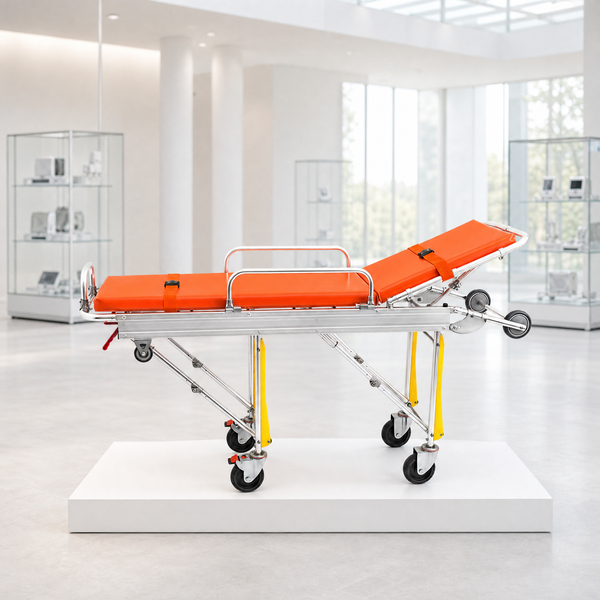
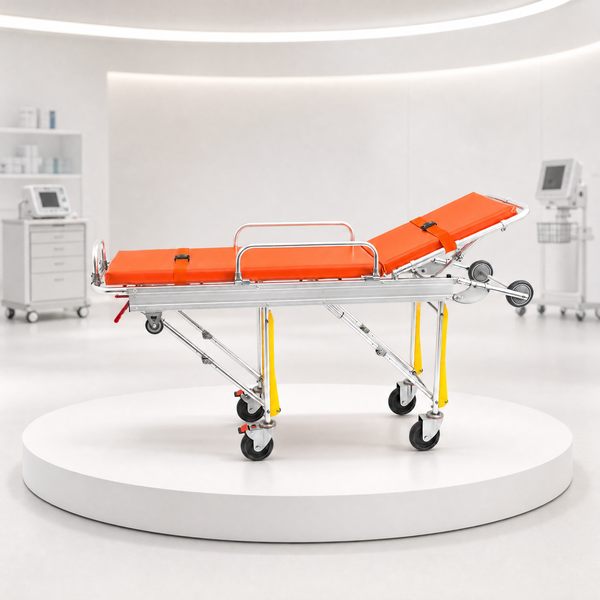
Choosing the Right Ambulance with Stretcher

Zhangjiagang Xiehe Import & Export Co., Ltd.

application/ambulance-with-stretcher, application/ambulance-with-stretcher, 
Inquiry
Inquiry

Ambulance with stretcher

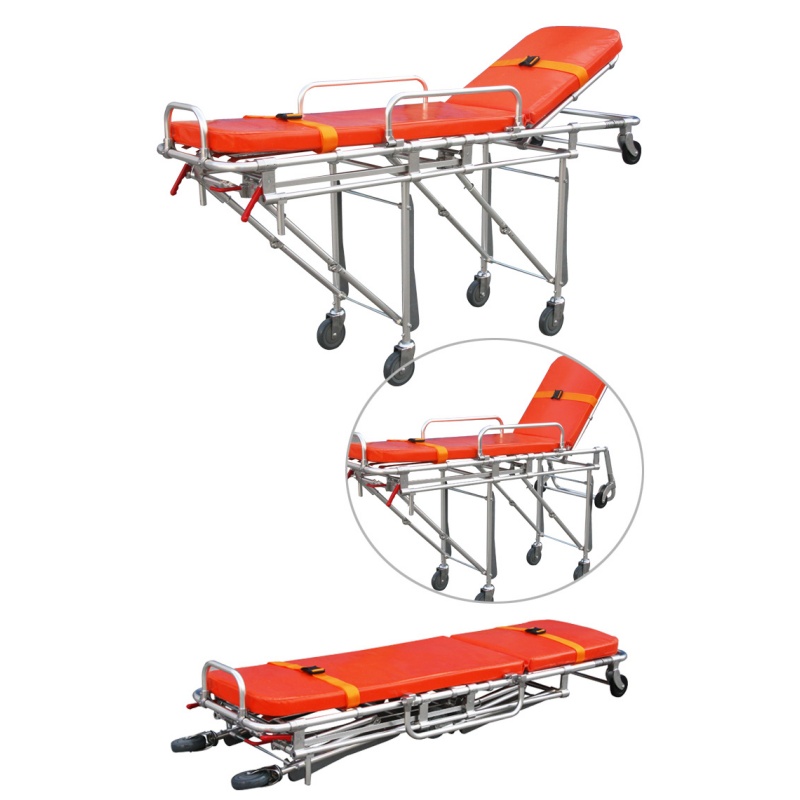
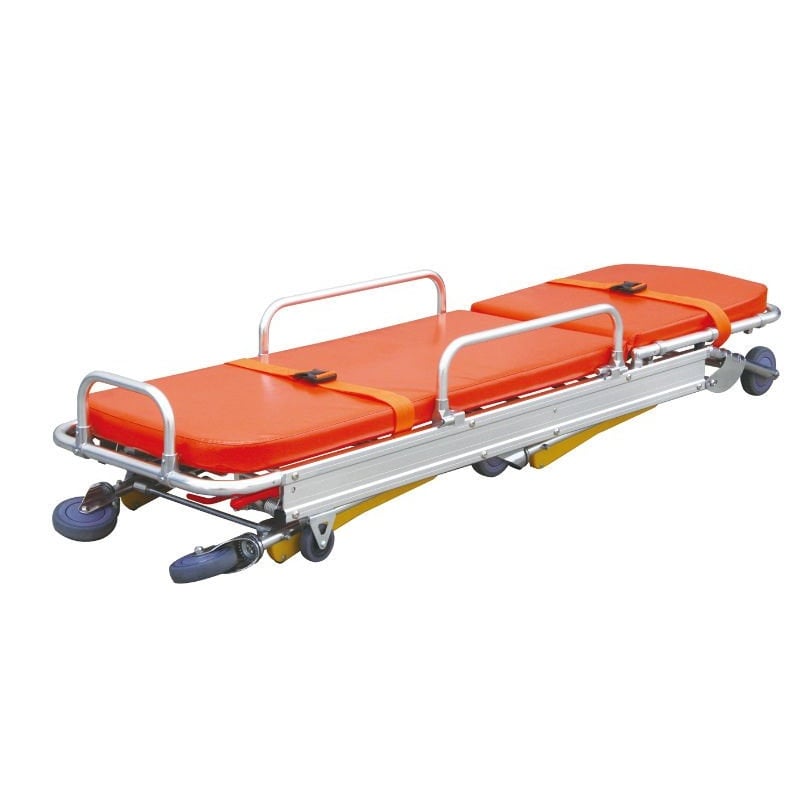
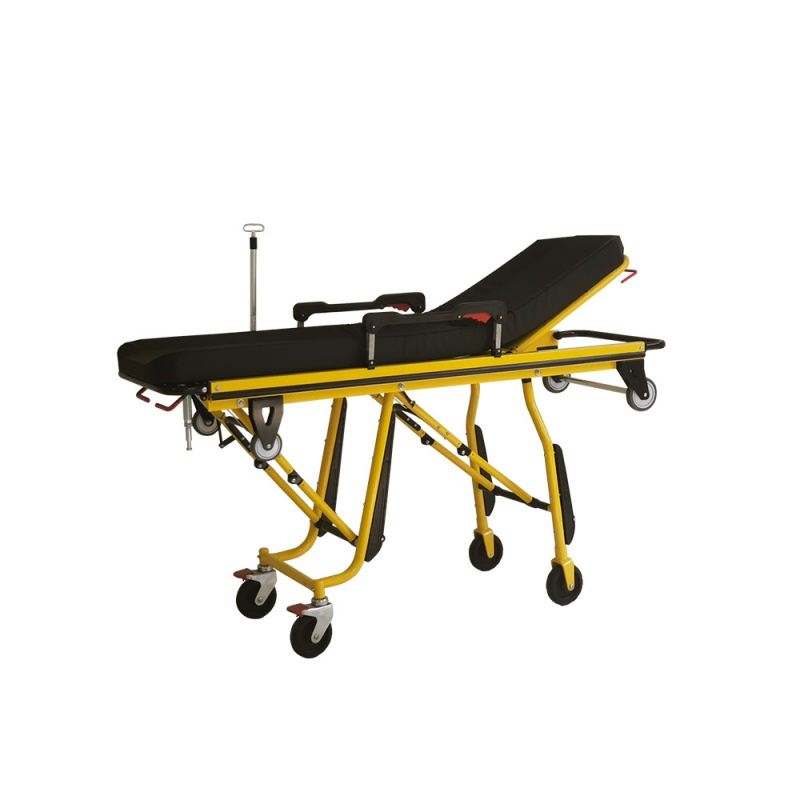
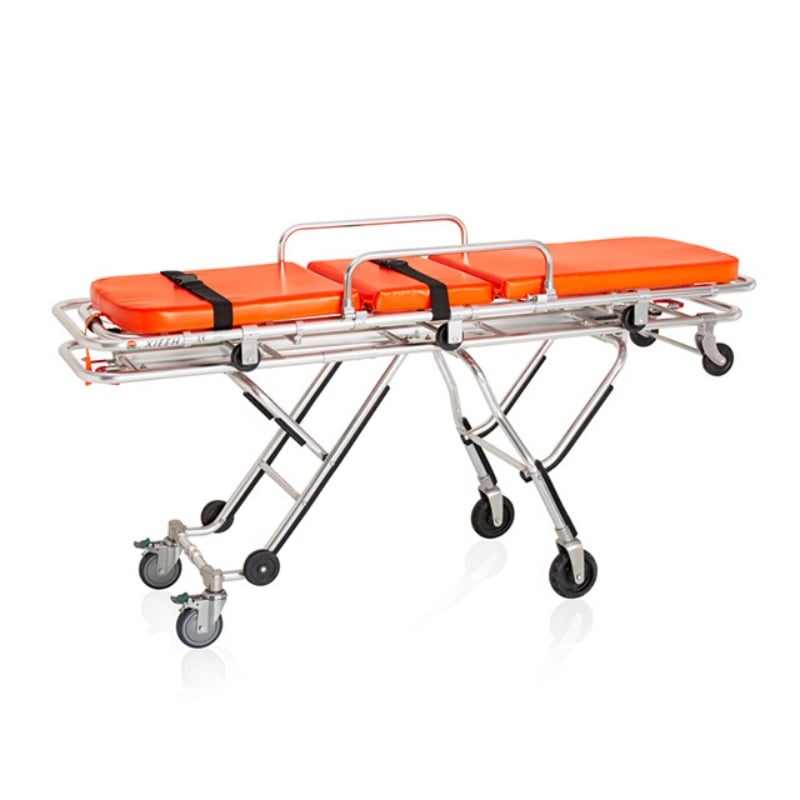
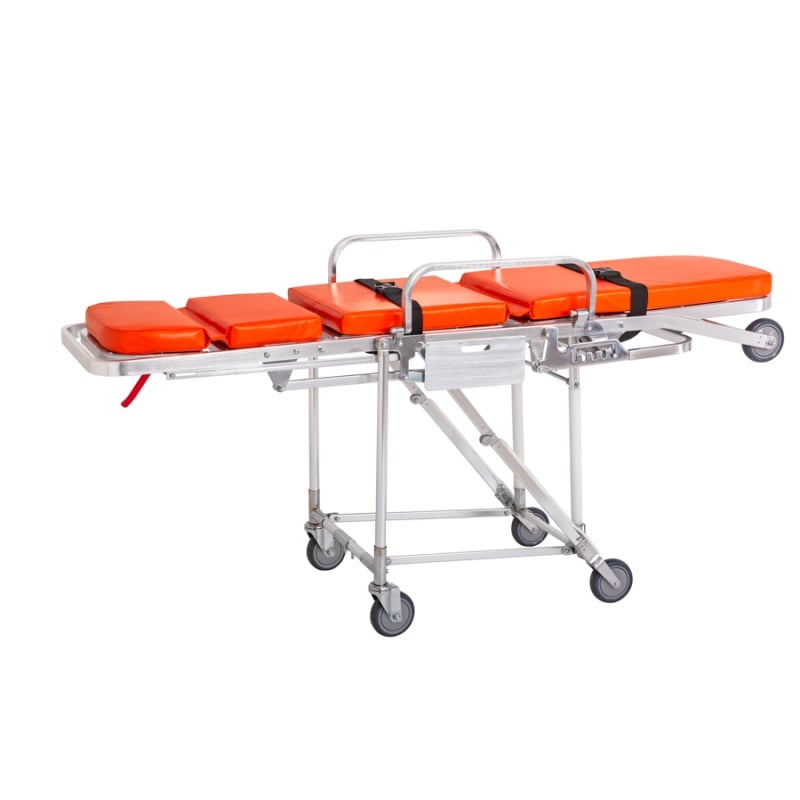
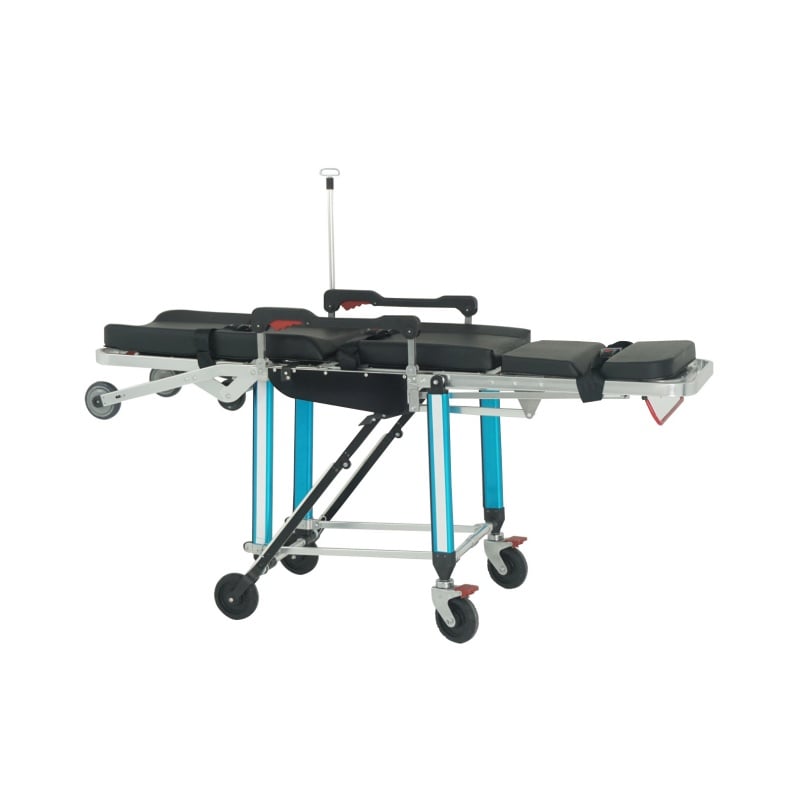
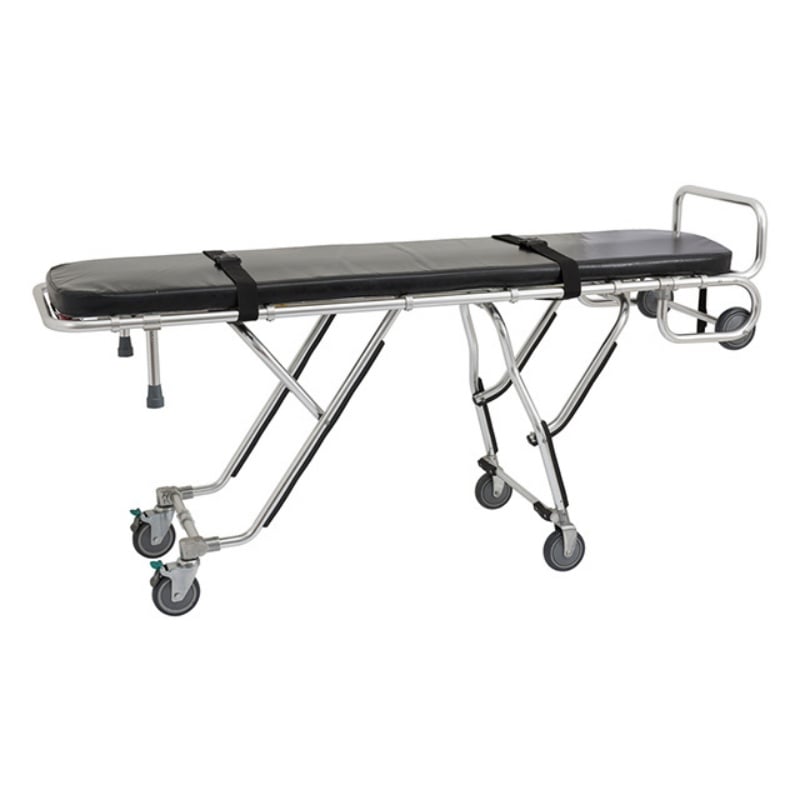
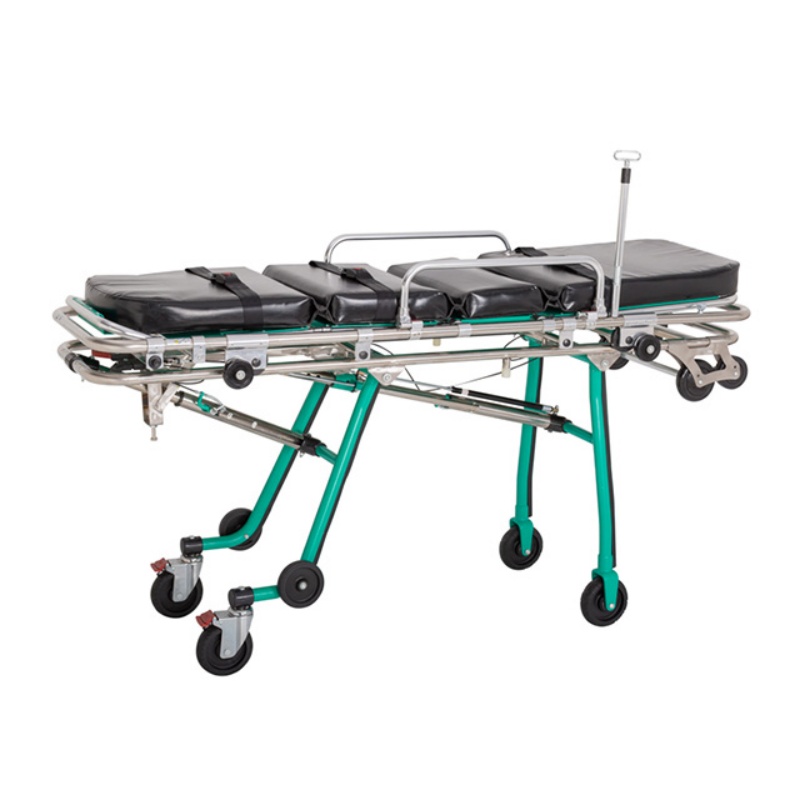
When it comes to emergency medical services, an ambulance with stretcher is a vital piece of equipment that can significantly impact patient outcomes. For B2B buyers, such as purchasing managers, distributors, and medical facilities, selecting the right ambulance stretcher involves more than just choosing a model; it requires consideration of specifications, quality, and suitability for various emergency situations. This article will guide you through the essential factors to consider when sourcing an ambulance folding stretcher, helping you make informed purchasing decisions.

Why choose XieHe Ambulance with stretcher

How to Choose the Right Ambulance with Stretcher for Your Needs

Selecting the appropriate ambulance with stretcher involves evaluating your specific requirements based on application and operational conditions. Key factors include: 

Intended Use: Consider whether the stretcher will be used in urban settings with easy access or in more challenging environments, such as rough terrain. This will affect the type of stretcher required. 

Weight Capacity: Make sure the stretcher can safely accommodate the maximum weight of patients, including any additional medical equipment. 

Stretcher Design: Options such as foldable or rigid stretchers can impact how easily the stretcher can be stored and deployed. Choose a design that aligns with your operational workflows. 

Customization Needs: Some buyers may need stretchers tailored to specific medical equipment or patient demographics. Understanding your customization requirements upfront can streamline the selection process. 

Compliance with Standards: Ensure that the stretcher complies with relevant medical and safety regulations in your region, such as CE, FDA, or ISO 13485 certifications. 

By carefully assessing these factors, you can choose a collapsible stretcher ambulance that meets your operational needs and complies with necessary standards.

Frequently Asked Questions

What features does the ambulance with stretcher include?

Our ambulance with stretcher includes a manual or electric stretcher system, secure locking, patient restraints, storage compartments, oxygen and suction mounts, and optional lighting and communication equipment. Custom features available per CE/FDA/ISO13485 standards.
Yes. We offer customized stretcher dimensions, weight capacity, materials, accessories, and color options to meet clinical and regional requirements, with production under CE/FDA/ISO13485 certification.
Lead time varies by order size and customization. Standard models ship within 4–8 weeks; customized units may take longer. We coordinate with global distributors to provide accurate delivery estimates.
Yes. We offer technical guidance, installation instructions, spare parts, and after-sales support through our service network and distributors across 120 countries.
Our ambulance stretchers are produced under CE, FDA, and ISO 13485 quality management standards, ensuring compliance with international medical device safety and manufacturing requirements.

Our Blog Posts

What Our Partners Say

Key Specifications to Evaluate When Sourcing Ambulance Stretchers

Key Specifications to Evaluate When Sourcing Ambulance Stretchers

When evaluating ambulance stretchers, there are several key specifications to consider: 

Material: The materials used in the stretcher's construction should be lightweight yet durable, such as aluminum or high-strength plastics. The choice of material affects not only the weight but also the stretcher's longevity and ease of cleaning. 

Dimensions: Ensure the stretcher fits within the ambulance dimensions and can be maneuvered easily. The dimensions should accommodate patients comfortably while also allowing for quick loading and unloading. 

Weight: A lightweight stretcher facilitates easier handling and transport. However, the weight should not compromise the strength and stability of the stretcher. 

Safety Features: Look for features such as secure straps, safety locks, and padding. These enhance patient safety and comfort during transport. 

Operational Compatibility: Verify that the stretcher is compatible with existing ambulance equipment and systems, including quick-release mechanisms for fast deployment. 

Understanding these specifications will help you select a stretcher that not only meets safety standards but also integrates well with your operational needs.

Comparing Quality Features of Emergency Stretchers for Wholesale Buyers

Comparing Quality Features of Emergency Stretchers for Wholesale Buyers

Quality is paramount when sourcing ambulance stretchers, especially for wholesale buyers. Here are critical quality features to compare: 

Construction Quality: Inspect the build quality of the stretcher. Look for welds, joints, and the overall finish. A poorly constructed stretcher can fail under stress. 

User Feedback: Gathering feedback from current users can provide insights into performance in real-world conditions. Consider testimonials and case studies from other emergency services. 

Warranty and Support: A reliable warranty can indicate the manufacturer's confidence in their product. Understand the terms of the warranty and the support services provided. 

Testing Standards: Ensure that the folding stretcher for ambulance has undergone rigorous testing, such as load tests and usability assessments. This helps assure buyers of its reliability during critical situations. 

Supplier Reputation: Research the supplier's history and reputation in the market. A company like Zhangjiagang Xiehe Import Export Co., Ltd., with CE, FDA, and ISO 13485 certifications, indicates a commitment to quality and compliance. 

By thoroughly comparing these features, wholesale buyers can make informed decisions that lead to long-term satisfaction with their purchases.

Best Practices

Best Practices

To enhance your purchasing process for XieHe ambulance stretchers, consider the following best practices: 

Request Samples: Before committing to a bulk order, request samples of the stretcher. This allows for hands-on evaluation of material quality, usability, and compatibility with your equipment. 

Detailed RFQ: When submitting a Request for Quotation (RFQ), provide detailed specifications, including model, dimensions, weight capacity, and any desired customization. This will help suppliers give accurate pricing and lead times. 

Quality Checks: Implement a quality inspection process upon receipt of the stretchers. Check for any damages, dimensional accuracy, and compliance with agreed specifications. 

Training for Use: Ensure that personnel are trained in the proper use and handling of the stretchers to maximize safety and efficiency. 

Review and Adapt: After using the stretchers, collect feedback from your team to identify areas for improvement. This can guide future purchases and help refine your operational processes. 

Following these best practices can lead to better outcomes and increased satisfaction with your ambulance stretcher procurement.

Applications of Ambulance Stretchers in Emergency Medical Services

Applications of Ambulance Stretchers in Emergency Medical Services

XieHe Ambulance stretchers serve critical roles in emergency medical services (EMS). Here are key applications: 

Patient Transport: The primary application of ambulance stretchers is to safely transport patients from the scene of an emergency to medical facilities. The design and functionality of the stretcher directly influence patient safety and comfort during transport. 

Emergency Response: In situations where time is of the essence, stretchers must be deployed quickly. The operational design should facilitate rapid loading and unloading to minimize the time spent at the scene. 

Inter-hospital Transfers: Ambulance stretchers are also used for transferring patients between medical facilities. Their compatibility with various medical equipment is crucial for ensuring continuity of care. 

Field Operations: In rugged or remote areas, stretchers might be utilized for carrying patients over uneven terrain. A lightweight and durable design is essential for these applications. 

Specialized Care Scenarios: Some stretchers are designed to accommodate specific needs, such as bariatric patients or those requiring advanced life support during transport. Understanding these specialized applications can aid in selecting the right stretcher. 

By recognizing the various applications of ambulance stretchers, buyers can ensure they select products that meet the specific needs of their EMS operations. 

In summary, sourcing an ambulance with stretcher requires a careful evaluation of specifications, quality features, and practical applications. By following the guidance provided, B2B buyers can make informed decisions that enhance their emergency medical services.