Choosing the Right Foldable Ambulance Stretcher

Zhangjiagang Xiehe Import & Export Co., Ltd.

application/foldable-ambulance-stretcher, application/foldable-ambulance-stretcher, 
Inquiry
Inquiry

foldable ambulance stretcher

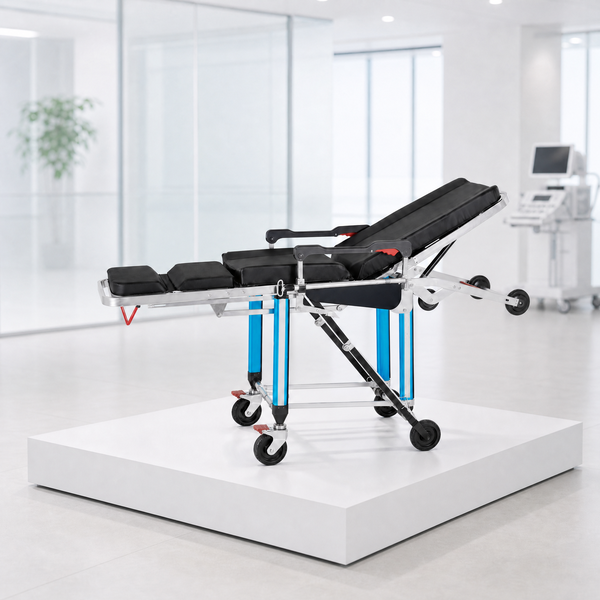
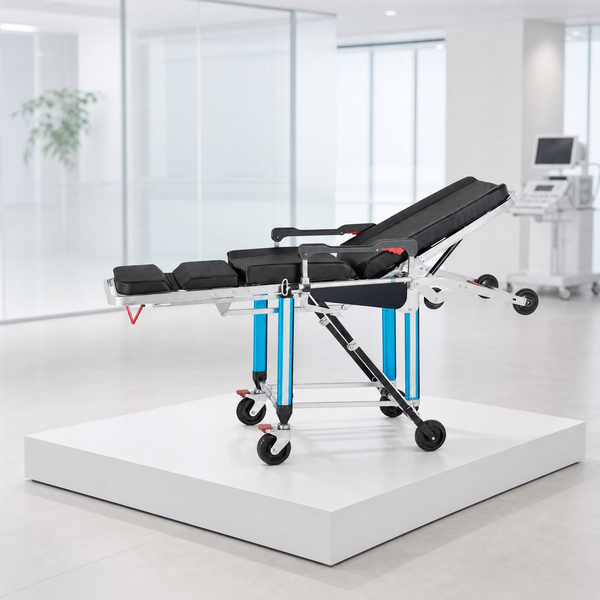
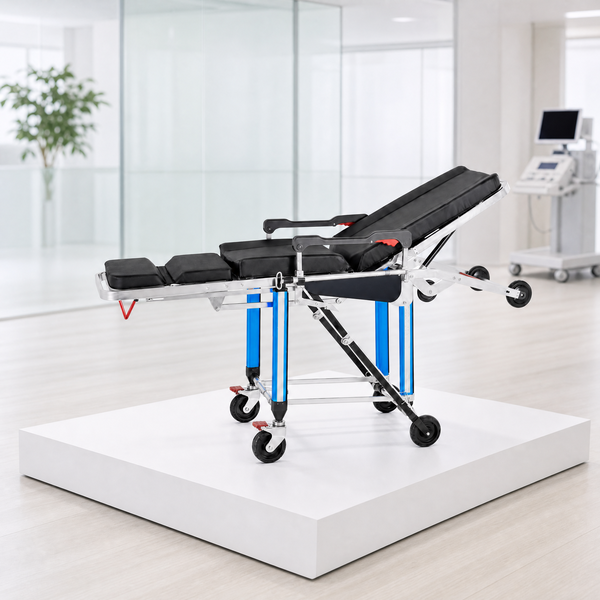
Foldable ambulance stretchers  are  essential  equipment in emergency medical  services, designed  to provide safe  and efficient  patient  transport.  When sourcing these critical  tools,  B2B buyers  often  prioritize factors such as durability, weight capacity, customization options, and  regulatory  compliance. This article aims to guide purchasing managers, distributors, and healthcare  providers in understanding  the key aspects of  foldable  ambulance stretchers to make  informed procurement decisions.

Why choose XieHe foldable ambulance stretcher

Our Products

How to Choose the Right Foldable Ambulance Stretcher for Your Needs

When sourcing foldable ambulance stretchers, it  is crucial to  identify reliable manufacturers who  uphold stringent quality  standards. Look  for  suppliers with certifications such  as CE, FDA, and ISO 13485, as these indicate adherence to  international  quality and  safety regulations. Zhangjiagang Xiehe Import Export Co., Ltd. is  a reputable source, offering a range of emergency stretchers and  first aid products with a proven record of serving over 30  distributors worldwide.

Consider suppliers that provide customization options,  allowing you to tailor products to meet specific operational needs. Additionally, assess their production capacity and lead  times to ensure they can  fulfill your order  promptly. Engaging with manufacturers that have a solid global network can also enhance your supply chain efficiency, helping you procure high-quality stretchers  at competitive wholesale  prices.

Frequently Asked Questions

Our Blog Posts

What Our Partners Say

Where to Source Reliable Suppliers for Foldable Ambulance Stretchers

Where to Source Reliable Suppliers for Foldable Ambulance Stretchers

When  evaluating foldable ambulance stretchers, several critical specifications must be considered to ensure suitability for the intended application:


Weight  Capacity: Ensure the  stretcher can adequately support  patients of varying weights. Typical models offer capacities ranging from  150 kg to 250 kg.

Material Composition: The materials used can  affect durability and hygiene. Look for stretchers made from corrosion-resistant aluminum or high-strength  plastic, which are lightweight  yet robust.

Dimensions: The folded and unfolded dimensions need to fit within your ambulance or medical  transport vehicle while allowing for easy  maneuverability.

Foldability Mechanism: Evaluate the ease of folding and unfolding the stretcher, as well as the locking  mechanisms to ensure safety during transport.

Comfort Features: Padding and ergonomic design  can significantly impact patient  comfort during transport, making these aspects  essential to consider.

By understanding  these specifications, buyers  can better assess which  products will meet their operational needs and provide  safe, efficient patient  care.

Installation Guidance for Foldable Ambulance Stretchers in Emergency Vehicles

Installation Guidance for Foldable Ambulance Stretchers in Emergency Vehicles

The cost of foldable ambulance stretchers varies based on  several factors, and understanding these can help  buyers make more informed  purchasing decisions:

Material Quality: Higher-quality materials  often come at a  premium. Investing in durable, lightweight  materials can reduce long-term costs associated with repairs  or replacements.


Customization Options: Customized stretchers tailored to specific requirements may involve additional costs. Buyers should determine whether these enhancements  are necessary for their  operations.

Manufacturing Processes: The complexity of the  manufacturing process  can impact  pricing. Automated production processes may  yield cost savings compared to labor-intensive methods.

Volume Discounts: Purchasing in bulk often leads to cost reductions.  Establishing a long-term relationship with a supplier can also lead  to favorable pricing arrangements.

Shipping and Handling: Consider the logistics  costs, including shipping fees and import duties, especially when sourcing from international suppliers.


Understanding these factors allows buyers to  budget effectively and negotiate better deals with suppliers.

 
Common Problems with Foldable Ambulance Stretchers and Their Solutions

Common Problems with Foldable Ambulance Stretchers and Their Solutions

Several features can enhance the performance of foldable ambulance stretchers, making them more effective  for emergency  medical services:

Adjustable Height: Stretchers with adjustable height settings can facilitate easier patient transfer and minimize strain on medical  staff.


Secure Strapping Systems: Look  for stretchers equipped with robust strapping  systems to  safely secure patients during  transport, preventing movement and enhancing  safety.

Integrated Wheels: Models with integrated wheels allow for easier maneuverability, especially  in tight spaces, and  can significantly reduce the  physical strain on medical personnel.

Quick-Release Mechanisms: Efficient release mechanisms enable rapid setup and  patient  transfer, which is critical in emergency  situations.

Easy-to-Clean Surfaces: Materials that resist staining and  are easy to disinfect help maintain hygiene standards, which is particularly important in  healthcare settings.  By prioritizing these features, buyers  can select stretchers that enhance operational efficiency and patient care.

Applications of Foldable Ambulance Stretchers in Emergency Situations

Applications of Foldable Ambulance Stretchers in Emergency Situations

Despite their  utility, foldable  ambulance stretchers can present several challenges. Understanding these common problems and  their solutions can improve purchasing decisions:

Durability Issues: Some stretchers may  experience wear and tear over time. To mitigate this, choose models constructed from high-grade  materials and regularly inspect them for signs of damage.

Operational Complexity:  Complicated folding mechanisms can lead to user errors. Opt for stretchers with simple,  intuitive designs to facilitate quick  and safe  operation.

Weight  Limitations: Buyers should verify the weight capacity of stretchers, as exceeding this  limit can  lead to structural failure. Conduct  regular training for staff on weight limits and proper usage.

Poor Patient Comfort: Inadequate padding or support can lead to patient discomfort. Consider stretchers with adjustable features and sufficient cushioning to enhance patient experience.

Storage Challenges: Foldable  stretchers may  take up significant space when not in use. Look for models with compact designs that  can be easily stored in limited spaces.

Being  aware  of these potential issues and their solutions will empower  buyers to make informed choices and minimize operational disruptions in emergency medical services.