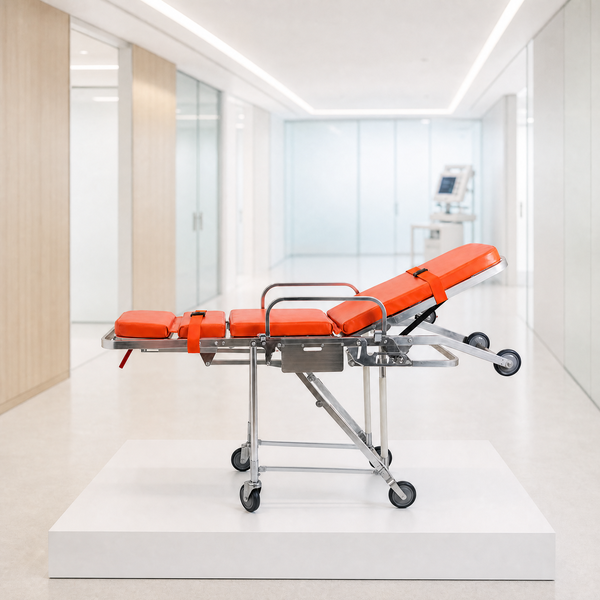
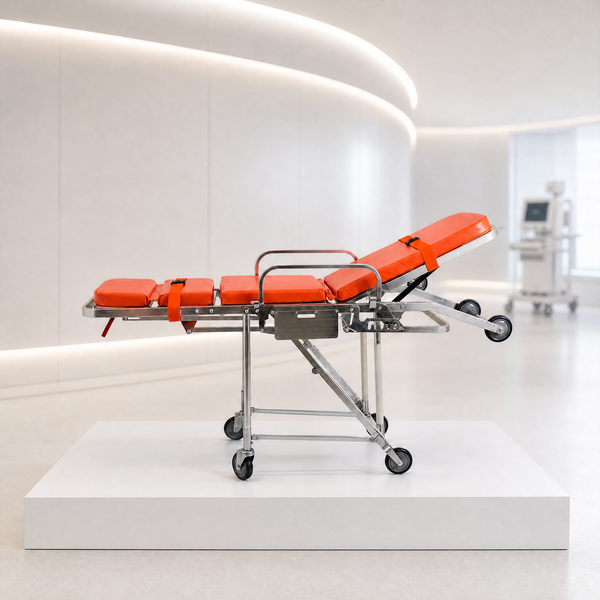
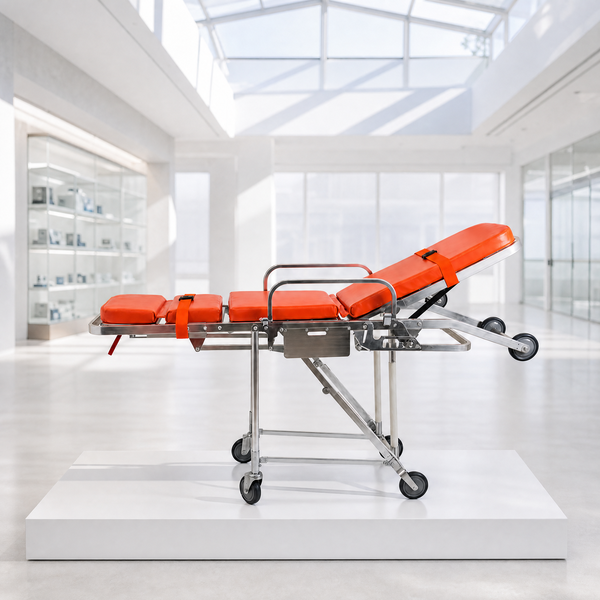
Quality Ambulance Stretchers for Sale

Zhangjiagang Xiehe Import & Export Co., Ltd.

application/ambulance-stretcher-for-sale, application/ambulance-stretcher-for-sale, 
Inquiry
Inquiry

ambulance stretcher for sale

When it  comes to  emergency medical services, the ambulance stretcher is a  critical piece of  equipment  that can significantly impact  patient care and  transport efficiency. For those looking to purchase an ambulance stretcher  for sale, understanding  the various features, materials, and specifications is essential. This article will guide purchasing managers, distributors, and engineers  through the key considerations to  ensure  they select the  right  stretcher for  their needs,  addressing  common  concerns such  as quality, durability, and customization  options.

Why choose XieHe ambulance stretcher for sale

Our Products

How to Choose the Right Ambulance Stretcher for Your Needs

Selecting the right ambulance stretcher involves  evaluating several factors, including the  stretcher's intended use, the  patient's condition,  and compatibility  with existing  equipment.  First, consider the  stretcher's weight  capacity and dimensions to ensure  it meets your operational requirements.  For  instance, if you  are serving a  wide demographic, a stretcher with adjustable height and width can accommodate various patient sizes more effectively. One popular option is the YXH-1H Folding Stretcher.

Additionally,  assess the stretcher's mobility features, such as wheels, handles, and how easily it can be loaded  and  unloaded from an ambulance. A lightweight, foldable stretcher  might  be ideal for emergency responders who require portability and ease of storage. Compatibility with other  medical equipment, such as monitoring devices, should also be confirmed to facilitate seamless patient care during transport.

Frequently Asked Questions

Our Blog Posts

What Our Partners Say

What to Look For

What to Look For

When  evaluating ambulance stretchers, several specifications should be prioritized:

Material Quality: Look for stretchers made  from high-grade aluminum or reinforced plastics, which provide both durability and lightweight characteristics. These materials contribute to ease of handling while ensuring strength during patient transport.

Weight Capacity: Confirm  that the stretcher can handle the maximum weight of potential patients, including any additional equipment  that may be  necessary. Typical stretchers can accommodate weights ranging from 250 to 600 pounds, but this varies  by model.

Safety Features: Check  for features  such  as secure straps, side rails, and anti-slip  surfaces to ensure patient  safety during transport. In addition, some stretchers may include a quick-release  mechanism  for emergency  scenarios.

Customization Options: If your operation requires  specific configurations, inquire about customization capabilities. A manufacturer like Zhangjiagang Xiehe Import Export Co., Ltd. can often modify  stretchers to meet unique requirements,  from color to additional features. For example, the YXH-5P Stair Stretcher offers versatile design options.

Certifications: Ensure the stretcher complies with relevant medical standards, such as CE, FDA, and ISO 13485 certifications.  These certifications indicate adherence to quality  and safety regulations.

Comparing Material Advantages in Ambulance Stretchers for Importers

Comparing Material Advantages in Ambulance Stretchers for Importers

The  choice  of materials in ambulance stretchers  directly affects their performance and longevity. Here are some common materials and their advantages:

Aluminum: Lightweight yet sturdy,  aluminum stretchers are highly portable and can be easily maneuvered by medical personnel. They are also resistant to corrosion, making them  ideal for  outdoor and adverse  conditions.

Steel: While heavier than aluminum, steel stretchers offer superior strength and durability, making them  suitable for high-weight capacity needs. However,  they may require additional  handling  considerations due to their weight.

Plastic: High-density polyethylene  (HDPE) is often  used in stretchers for its lightweight nature and resistance  to chemicals, stains, and impact. Plastic stretchers are easy to clean and maintain, making them a practical choice for busy medical environments.

Each material has  its  place in the market,  and buyers should  consider their specific needs, including weight limits,  transport conditions, and cleaning protocols when making a selection.

Common Problems with Ambulance Stretchers and Effective Solutions

Common Problems with Ambulance Stretchers and Effective Solutions

Despite their critical role, ambulance stretchers can encounter several common issues that buyers should be aware of:

Wear and Tear: Over time, stretchers can suffer from wear,  especially in  high-use environments. Regular inspection and maintenance are crucial. Choose stretchers with  replaceable  parts  to extend their lifespan.

Compatibility Issues: Some stretchers may not  fit well in all ambulance  models. It is  essential to measure the  ambulance's interior dimensions and confirm compatibility  before  purchase.

Safety Failures: Malfunctioning safety features can jeopardize patient safety. Conduct routine checks on straps, locking mechanisms, and wheels to ensure they function correctly.

Insufficient Weight Capacity: Using a stretcher that  cannot support the weight of the patient and equipment can lead to accidents. Always verify the weight capacity before use  and  consider purchasing models with a  higher capacity for broader  applicability.

By  being proactive about these common issues, buyers can  mitigate  risks and improve overall operational efficiency.

Best Practices for Buyers

Best Practices for Buyers

When preparing  to purchase an ambulance stretcher, consider the following best practices:

Request Samples: Always  ask for a sample or prototype to evaluate the stretcher's functionality  and comfort. Testing  it under real-world conditions will give you a better sense  of  its performance.

Gather Detailed Specifications: Provide potential suppliers with detailed  specifications for your requirements, including  weight capacity, dimensions, and any necessary  customization.

Evaluate Supplier Credentials: Ensure that the supplier, such as Zhangjiagang Xiehe Import  Export Co., Ltd., has  a proven track record in manufacturing quality medical  equipment, backed by relevant certifications.

Discuss Lead Times and Minimum Order  Quantities (MOQ): Understand  the supplier's lead times and MOQs to align with your procurement schedule and operational  needs.

Check for Warranty and  Support: A reliable warranty can safeguard your investment. Inquire about  post-purchase support and maintenance services to ensure your team can effectively address any issues that arise.

By following these practices, buyers can make informed decisions and enhance their procurement  process for  ambulance stretchers,  ultimately leading to improved patient care and operational efficiency.