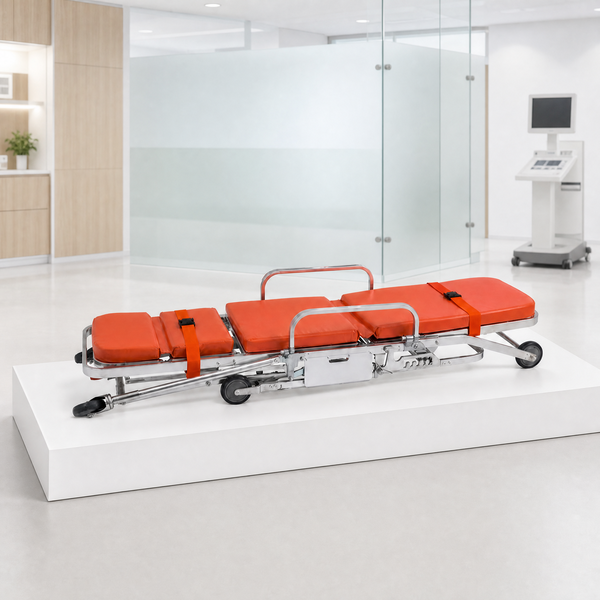
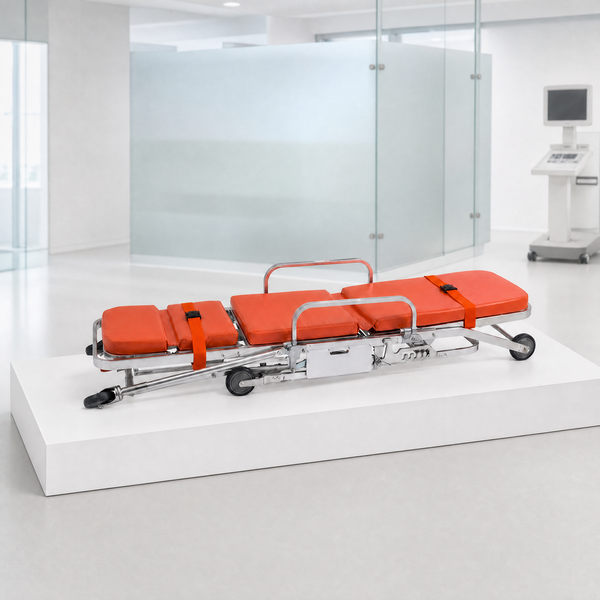
Wholesale Ambulance Stretcher Bed Buying Guide

Zhangjiagang Xiehe Import & Export Co., Ltd.

application/ambulance-stretcher-bed, application/ambulance-stretcher-bed, 
Inquiry
Inquiry

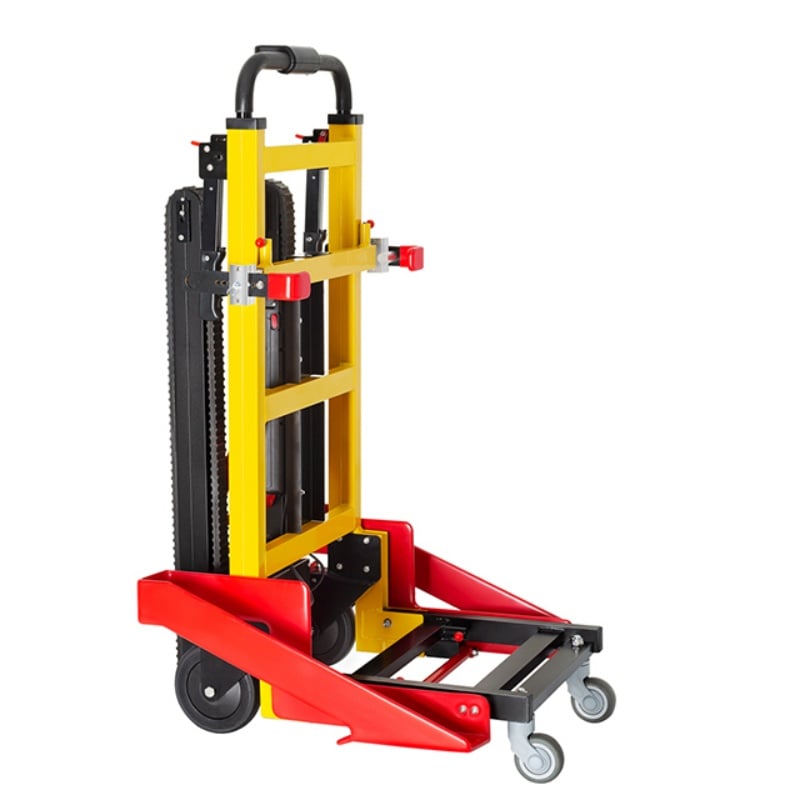
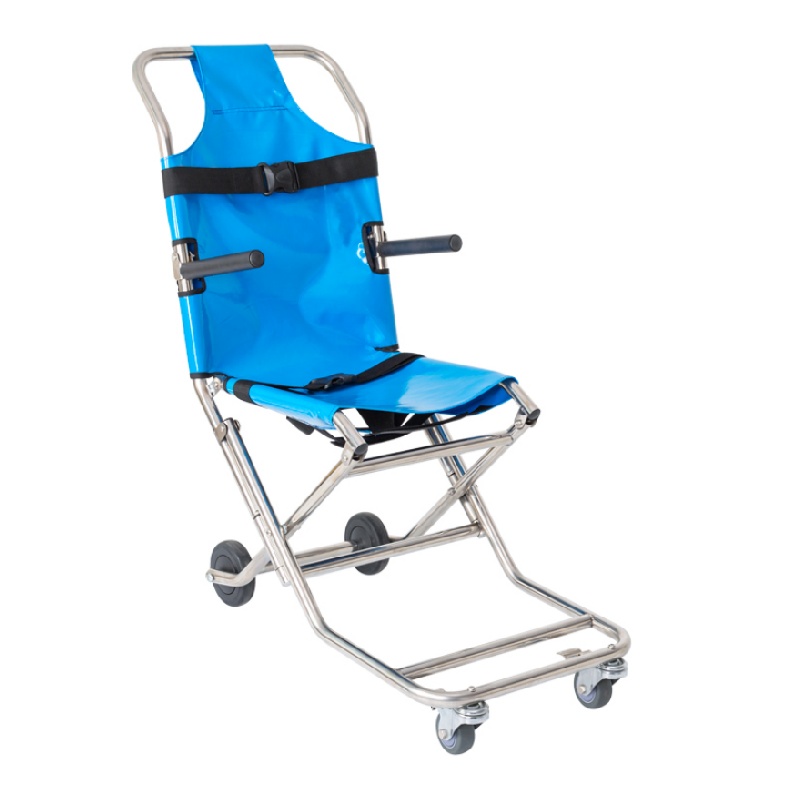
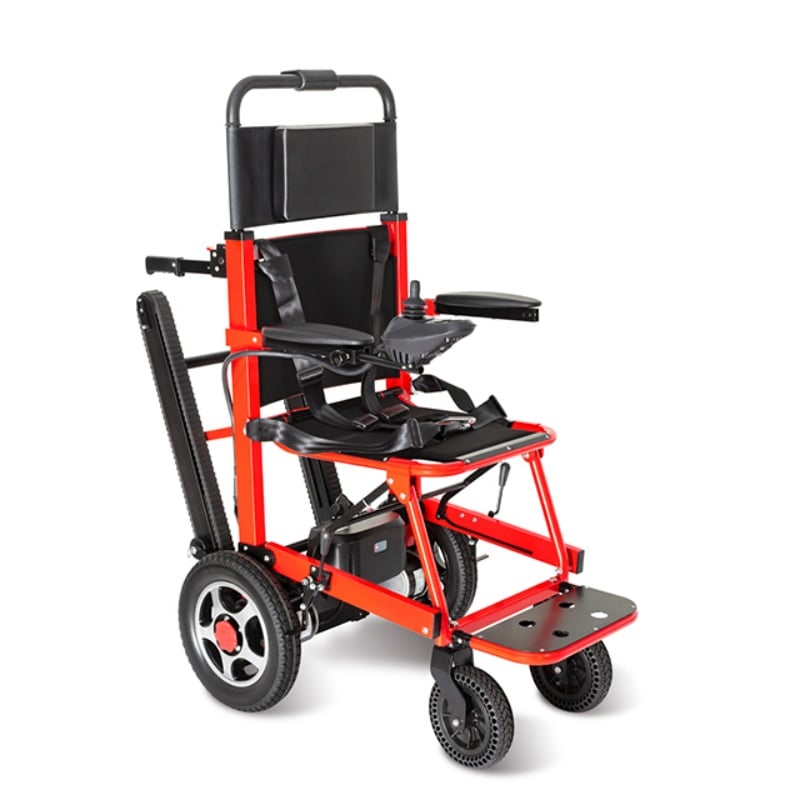
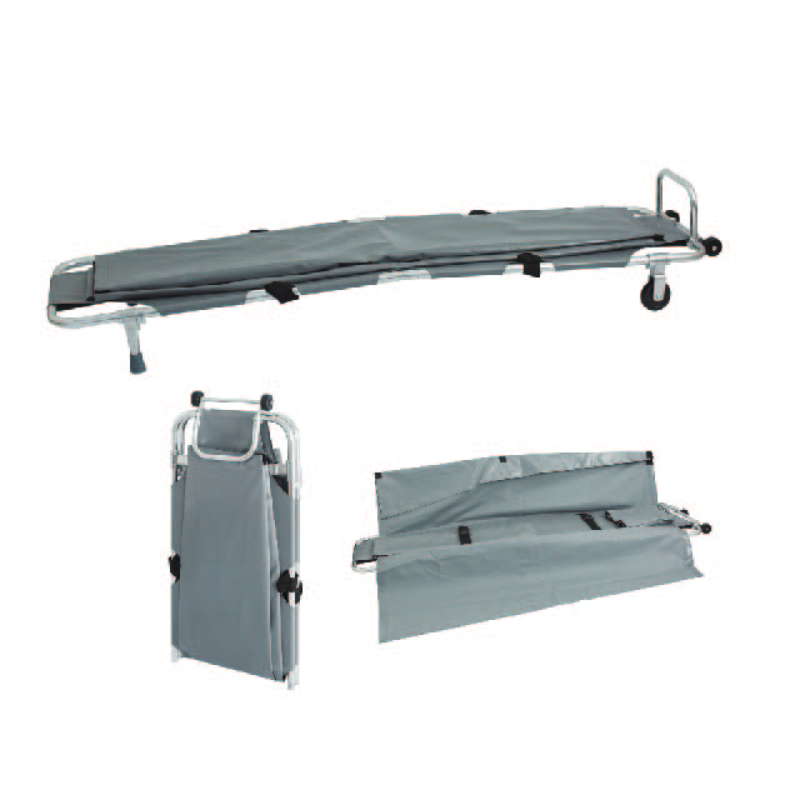
Ambulance stretcher bed

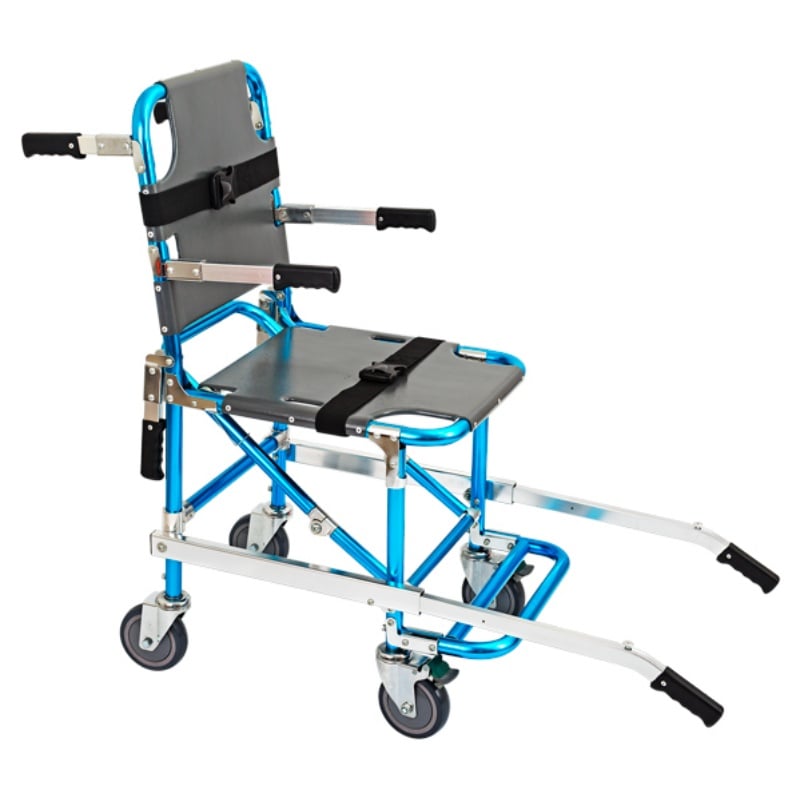
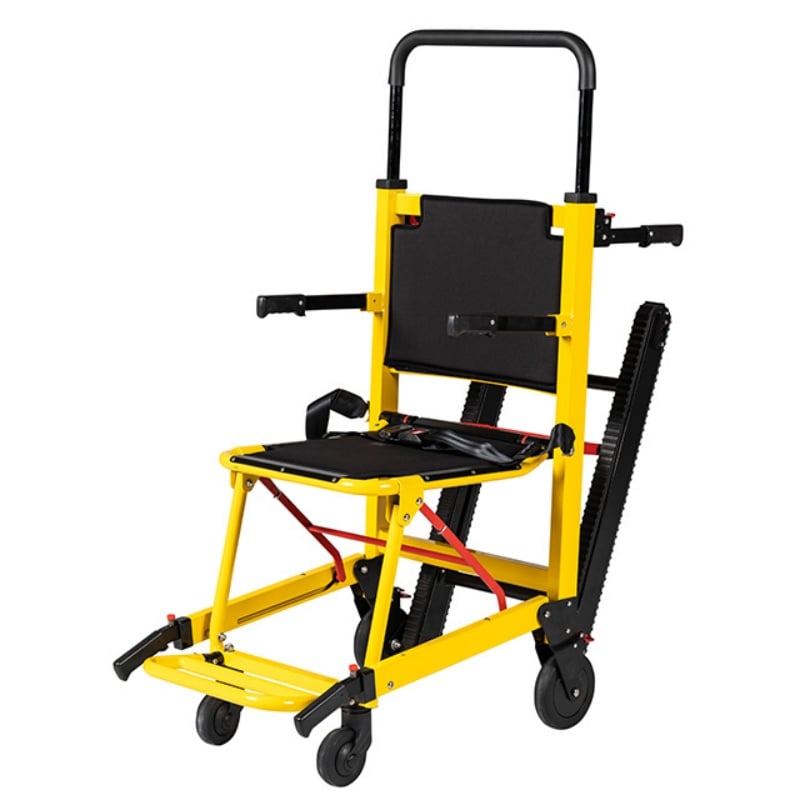
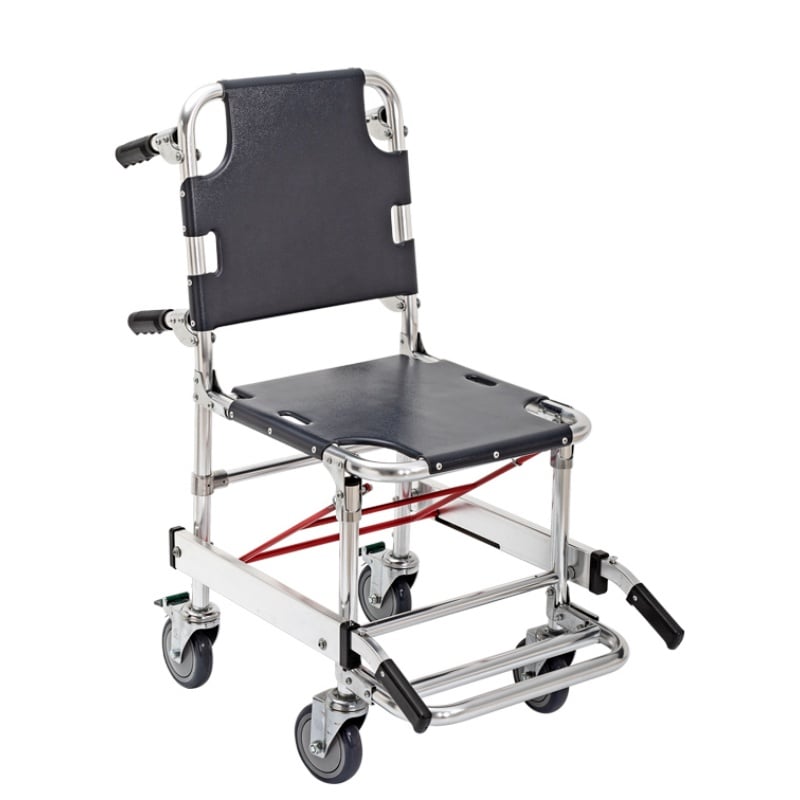
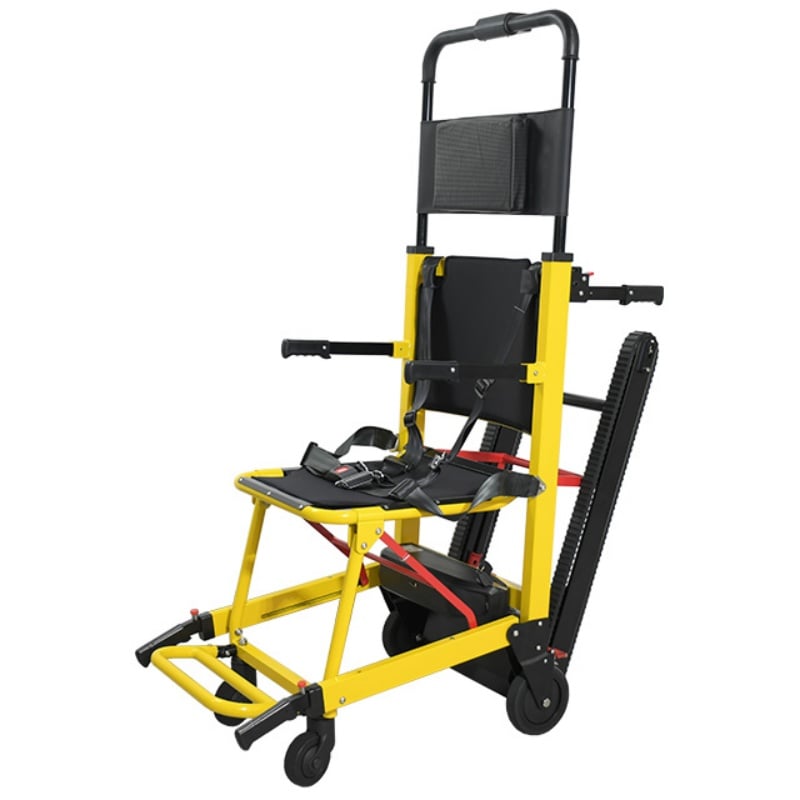
An ambulance stretcher bed is a critical piece of equipment designed for transporting patients safely and efficiently in emergency situations. For B2B buyers, such as purchasing managers, distributors, and healthcare facility administrators, selecting the right ambulance and stretcher involves understanding various factors, including material quality, compatibility with emergency vehicles, and customization options. This article will provide practical insights into purchasing ambulance stretcher beds, comparing materials, installation guidance, addressing common issues, and sourcing high-quality products.

Why choose XieHe Ambulance stretcher bed

Wholesale Purchasing Tips for Ambulance Stretcher Beds

When purchasing ambulance stretcher beds in bulk, it is essential to consider several factors to ensure you meet your organization’s needs effectively. First, confirm the specific requirements of your healthcare facility or emergency service, including the stretcher's weight capacity, dimensions, and compatibility with existing vehicles. 

When requesting quotes, provide detailed specifications such as the type of material preferred (e. g., aluminum, steel, or composite), any necessary certifications (like CE or FDA), and customization options that may be required for your operational needs. Understand that minimum order quantities (MOQ) and lead times will vary by manufacturer, so be sure to discuss these upfront. 

Additionally, evaluate suppliers based on their production capabilities and quality control processes. A reliable manufacturer, like Zhangjiagang Xiehe Import Export Co., Ltd., ensures that all products meet international standards, which can significantly impact the safety and reliability of the ambulance stretcher bed you purchase.

Frequently Asked Questions

What are the main features of the ambulance stretcher bed?

Our ambulance stretcher bed offers sturdy lightweight construction, adjustable height and backrest, safety straps, IV pole compatibility, and easy folding for transport. Built to CE/FDA/ISO 13485 standards for emergency use.
Yes. We provide customization of dimensions, materials, mattress type, color, and accessory options to meet your clinical or transport requirements, backed by our certified production capabilities.
The stretcher bed is produced under CE, FDA, and ISO 13485 certified processes, ensuring compliance with international medical device and quality management standards.
We ship internationally through our network of distributors and logistics partners, serving over 120 countries. Shipping terms and lead times vary; contact us for a tailored quote and delivery schedule.
We provide a standard warranty, spare parts supply, and technical support. Specific warranty length and service terms depend on the model; please contact our sales team for details and service options.

Our Blog Posts

What Our Partners Say

Comparing Material Advantages of Various Stretcher Beds

Comparing Material Advantages of Various Stretcher Beds

The material of an ambulance stretcher bed plays a crucial role in its performance, durability, and weight. Common materials include: 

Aluminum: Known for its lightweight nature, aluminum stretchers provide ease of handling and transportation, making them ideal for emergency scenarios. They are resistant to corrosion but may not support heavier patients as effectively as other materials. 

Steel: Steel stretcher beds offer superior strength and durability, accommodating heavier loads. However, they are generally heavier, which may affect maneuverability. Steel stretchers often come with additional protective coatings to prevent rust and wear. 

Composite Materials: Emerging materials like reinforced composites provide a balance between weight and strength. They are lightweight yet strong, resistant to corrosion, and often customizable in terms of design and functionality. 

Evaluating these material options is essential for ensuring that the ambulance stretcher bed meets both operational demands and patient safety. In addition, consider the intended environment—whether the evacuation stretcher will be used in rugged conditions or primarily in hospitals—as this can influence material choice.

Installation Guidance for Ambulance Stretcher Beds in Vehicles

Installation Guidance for Ambulance Stretcher Beds in Vehicles

Proper installation of ambulance stretcher beds in emergency vehicles is critical for ensuring safety and function. The installation process should follow the manufacturer's guidelines, which typically include: 

Compatibility Check: Ensure that the stretcher bed fits the designated ambulance model. Verify dimensions and mounting points. 

Secure Mounting: Use appropriate mounting brackets and hardware as specified by the manufacturer to secure the stretcher. This is vital for preventing movement during transport, which can jeopardize patient safety. 

Testing: After installation, conduct a test run to ensure that the ambulance stretcher bed is properly secured and functions as intended. This includes checking locking mechanisms and ease of operation. 

Training Staff: Provide training for emergency personnel on how to properly load and unload patients using the stretcher. Familiarity with the equipment can significantly enhance response times and patient care. 

Incorporating these guidelines will help ensure that your ambulance stretcher bed are installed correctly, enhancing both safety and operational efficiency.

Common Problems with Ambulance Stretcher Beds and Solutions

Common Problems with Ambulance Stretcher Beds and Solutions

Several common issues can arise with  XieHe ambulance stretcher beds, and being aware of these can help buyers make informed decisions: 

Mechanical Failures: Regularly inspect locking mechanisms and adjustable features for wear and tear. Establish a preventive maintenance schedule to address these issues before they become serious. 

Weight Limit Violations: Ensure that the ambulance stretcher bed are suitable for the heaviest patients you expect to transport. Improper handling of excess weight can lead to equipment failure and increased risk during transport. 

Material Degradation: Inspect for signs of corrosion or damage, especially if the standard stretcher is manufactured from metal. Recommend that your supplier provide information on the expected lifespan of the materials used and any necessary care instructions. 

By addressing these common problems proactively, organizations can avoid costly downtime and ensure that their equipment remains reliable in critical situations.

Sourcing High-Quality Ambulance Stretcher Beds for Distributors

Sourcing High-Quality Ambulance Stretcher Beds for Distributors

For distributors looking to source  XieHe high-quality ambulance stretcher beds, it is crucial to partner with reputable manufacturers who have a proven track record in the industry. Key factors to consider include: 

Certifications: Look for manufacturers who hold relevant certifications such as CE, FDA, and ISO 13485. These certifications indicate compliance with international safety and quality standards. 

Customization Capabilities: Discuss the potential for custom designs or features that meet specific needs, such as branding, color choices, or additional accessories like IV poles or safety belts. 

Production Capacity: Evaluate the supplier’s production capacity to ensure they can meet your demand, especially if you anticipate large orders or rapid replenishment needs. 

Quality Control: Inquire about the manufacturer's quality control processes, including how they test their products for durability and reliability. This can provide insight into the overall quality of the ambulance stretcher bed you are considering. 

By focusing on these aspects, distributors can effectively source ambulance stretcher beds that not only meet regulatory requirements but also support their clients’ operational needs. 

understanding the complexities involved in purchasing ambulance stretcher beds is essential for B2B buyers. By considering material options, installation guidelines, common issues, and sourcing strategies, you can make informed decisions that enhance patient care and operational efficiency.