Top Applications for Ambulance Stretcher Chairs

Zhangjiagang Xiehe Import & Export Co., Ltd.

application/ambulance-stretcher-chair, application/ambulance-stretcher-chair, 
Inquiry
Inquiry

ambulance stretcher chair

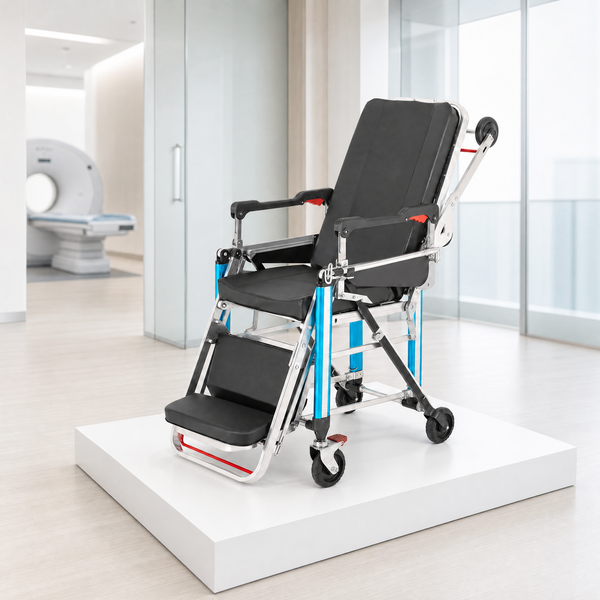
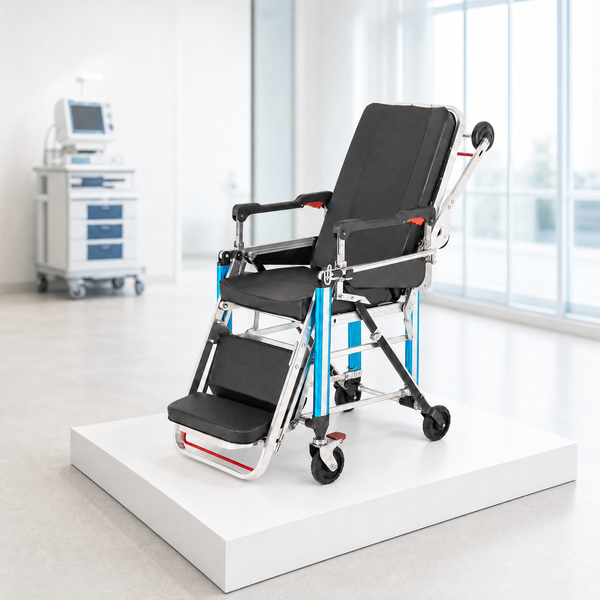
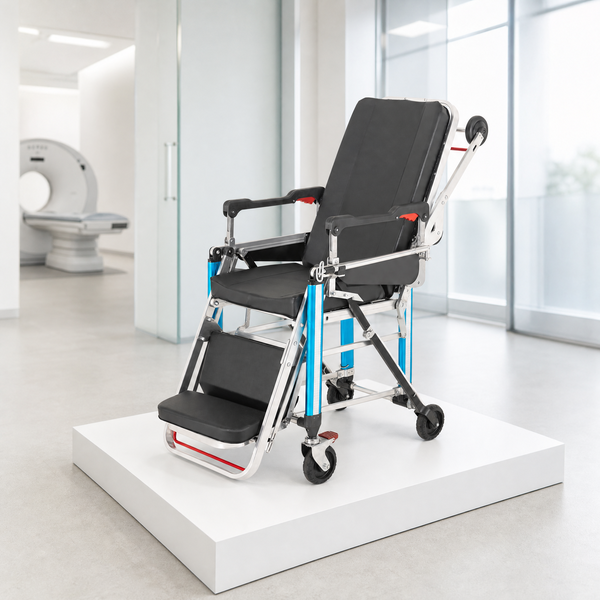
Ambulance stretcher  chairs are vital equipment in  emergency medical services, designed  for the safe and  efficient transport of patients. They combine the features of a traditional  stretcher with the  versatility  of a chair, allowing  for  easy maneuverability in  tight  spaces. B2B buyers,  including purchasing managers, distributors,  and medical  facility  administrators, often face concerns  regarding product durability,  compliance with safety standards, customization options, and  overall cost. This article will provide valuable insights into the applications, cost  factors, installation guidance, common  issues, and wholesale purchasing considerations related to ambulance stretcher chairs.

Why choose XieHe ambulance stretcher chair

Our Products

Top Applications for Ambulance Stretcher Chairs in Emergency Services

Ambulance stretcher  chairs are primarily used in emergency medical situations where quick patient transport is crucial. Their  design allows them to be easily maneuvered in confined spaces, such as in crowded public areas or narrow hallways, making them ideal  for urban emergency services. These chairs are commonly  employed in:

Emergency Medical Services (EMS): Ambulance stretcher chairs facilitate the rapid movement of patients from the scene of an incident to the ambulance.  Their  adjustable features ensure that patients can be secured  safely during transport.

Hospital Transfers: Within hospitals, stretcher chairs are utilized to transfer patients between departments, such as from the emergency room to radiology  or surgery. Their design often allows  patients to remain seated during transfers, minimizing discomfort.

Home Healthcare: In home care  settings, these  chairs provide  mobility for patients  with limited mobility, ensuring they can be transported safely for medical appointments or therapies. For example, the YXH-8A Patient Transfer is specifically designed for such scenarios.

Disaster  Response: In emergency situations such as natural disasters, stretcher chairs  are crucial for evacuating injured individuals from inaccessible areas, demonstrating their versatility in challenging environments.

Understanding  these applications helps buyers identify the right features needed  for their specific  use cases, ensuring they select a stretcher chair that  meets their operational requirements.

Frequently Asked Questions

Our Blog Posts

What Our Partners Say

Cost Factors to Consider When Bulk Ordering Stretcher Chairs

Cost Factors to Consider When Bulk Ordering Stretcher Chairs

When purchasing  ambulance stretcher chairs in bulk, several cost-related factors must be considered to ensure a cost-effective decision. These include:

Material Quality: The materials used in the  construction of stretcher chairs can significantly affect pricing. High-quality, durable materials may have a higher upfront cost but can lead to lower replacement and maintenance costs over time.

Customization Options: Custom  features, such as specific  color schemes or  additional safety enhancements, can increase the  price. Buyers should evaluate the necessity of  these customizations  against their budget constraints.

Order  Quantity: Larger  orders may qualify for bulk discounts, which can considerably reduce the per-unit cost. It’s essential to negotiate with  suppliers to understand the pricing tiers based on quantity.

Shipping and Handling Fees: The delivery location and logistics can influence the overall cost. Buyers should account for shipping fees, especially for international  orders, to avoid unexpected expenses.

Warranty and After-Sales Support:  A  robust warranty can save costs in the long run. Buyers should consider the  terms of the warranty and the supplier’s reputation for customer service when evaluating overall value.

Being aware of these cost factors enables buyers to make  informed decisions  and optimize  their budgets effectively.

Installation Guidance for Ambulance Stretcher Chairs in Vehicles

Installation Guidance for Ambulance Stretcher Chairs in Vehicles

Proper installation of ambulance stretcher chairs in vehicles is  crucial for ensuring safety and functionality during transport. Here are key considerations  for installation:

Compatibility with Vehicle Design: Before installation, verify that the stretcher chair is compatible with  the vehicle's design and dimensions. This includes checking  the  securing mechanisms to ensure  a snug fit that meets safety regulations.

Mounting Systems: Stretcher chairs  often require specific  mounting systems to secure them  during transit. Buyers should consult installation guidelines provided by the manufacturer  to choose the appropriate mounting system that meets their standards.

Weight Distribution: Ensure that the weight of the stretcher chair and  patient is evenly distributed within the  vehicle to maintain stability.  Improper weight distribution  can affect  vehicle handling and safety.

Safety Features:  Installation should include checks for safety features, such as locking mechanisms and restraints. These features are essential for keeping patients secure during transport.

Training for  Personnel: Provide training for emergency personnel on the correct installation and usage of stretcher chairs. Familiarity with the equipment can reduce the chances of errors during high-pressure situations.

By  following these guidelines, buyers  can ensure that the stretcher chairs are properly installed, enhancing patient safety  and operational efficiency.

Common Problems with Stretcher Chairs and Effective Solutions

Common Problems with Stretcher Chairs and Effective Solutions

Despite their  crucial role, ambulance  stretcher  chairs  may encounter several common issues. Recognizing these problems  in advance allows for effective solutions:

Wear and Tear: Frequent use can lead to wear on materials, including fabric tears and mechanical failures. Regular inspections and  maintenance can help identify and address issues before they escalate.

Improper Use: Training staff on the  correct operation of stretcher chairs is vital. Misuse can lead to accidents or equipment damage. Providing clear operational guidelines and hands-on training sessions can mitigate this risk.

Compatibility  Issues: Buyers may face challenges when stretcher chairs do not fit properly in  their vehicles. Before purchase, it’s important to verify compatibility with existing emergency response  vehicles to avoid costly adjustments.

Inadequate Safety Features: Some stretcher chairs may lack necessary safety features. Buyers should ensure that any chair they consider meets current  safety standards and includes features  such as secure straps and locking mechanisms.

Supply Chain  Delays: Delays in receiving equipment can be problematic. Establishing a reliable relationship with manufacturers  and understanding their production  timelines can help manage expectations and planning.

Identifying  these  common problems and their solutions enables buyers to maintain equipment effectively  and ensure optimal performance.

Wholesale Purchasing Insights for Ambulance Stretcher Chairs

Wholesale Purchasing Insights for Ambulance Stretcher Chairs

When engaging in wholesale purchasing of ambulance stretcher chairs, buyers should consider several insights to streamline the process:

Request Detailed Quotations: Provide suppliers with comprehensive specifications, including model type,  material preferences, and any customization needs. This ensures that the quotations received  are accurate and tailored to requirements.

Evaluate Supplier  Credentials: Research potential suppliers' certifications, such as CE, FDA, and ISO  13485, to ensure  compliance with  health and safety standards. This evaluation builds trust and ensures  quality.

Understand Lead Times: Lead times can  vary based on order size and customization. Buyers should clarify expected delivery times  and build this into their  planning to avoid  disruptions in service.

Sample Approval: Before finalizing bulk orders, request samples to confirm  quality and  functionality. This step  is crucial to ensuring that the  product meets operational needs  and expectations.

Negotiate Terms: Don’t hesitate  to negotiate terms such as payment, delivery schedules, and bulk discounts. Establishing favorable terms can enhance the overall value of the purchase.

By keeping  these insights in mind, buyers can enhance their wholesale purchasing strategy, ensuring they  acquire high-quality ambulance stretcher chairs that meet their operational demands.