Choosing the Right Stretcher Chair for Healthcare

Zhangjiagang Xiehe Import & Export Co., Ltd.

application/stretcher-chair, application/stretcher-chair, 
Inquiry
Inquiry

stretcher chair

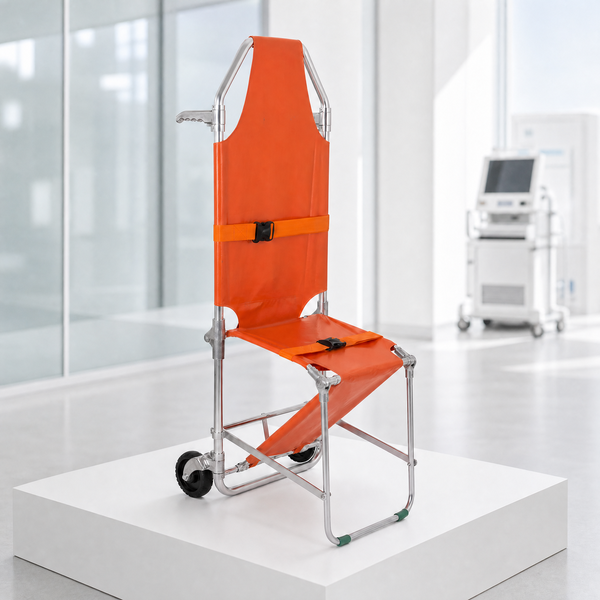
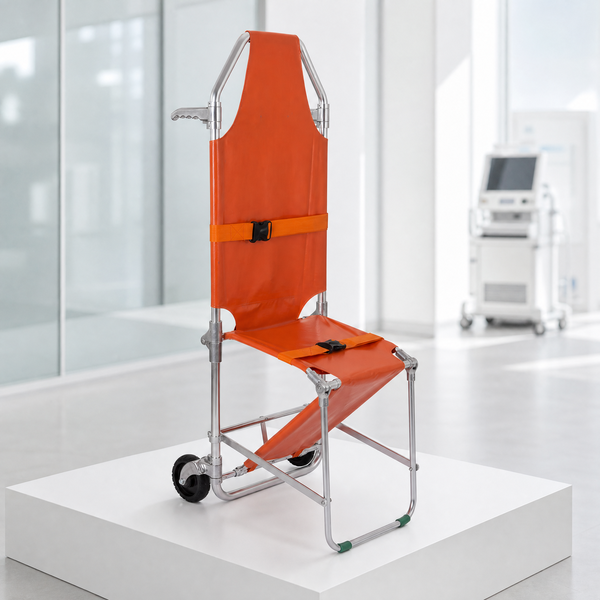
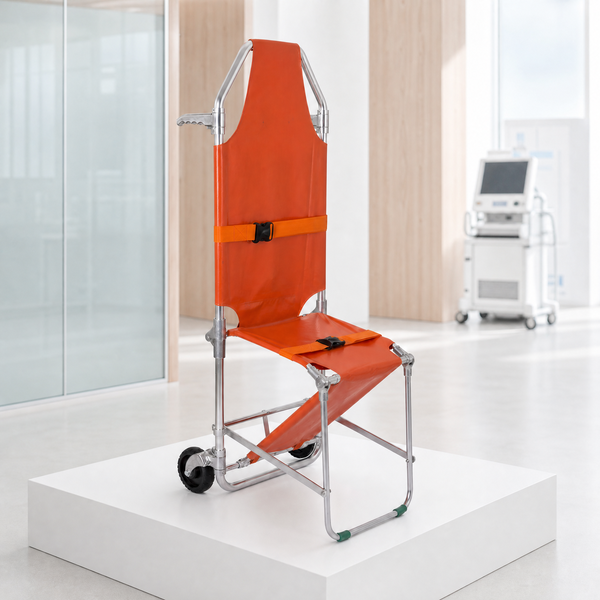
When it  comes  to emergency response and patient care, a stretcher chair  is an essential piece of equipment that facilitates the safe transport of  individuals in  various settings, including  healthcare  facilities and emergency services. B2B buyers,  such  as  purchasing  managers and medical facility administrators, often  face  challenges when selecting the  right stretcher  chair to meet their specific needs. This article will explore key  considerations when choosing stretcher chairs, including bulk  order options, key  specifications, material advantages, and their applications in healthcare and  emergency  services.

Why choose XieHe stretcher chair

Our Products

What to Consider When Choosing a Stretcher Chair for Your Facility

Selecting the right stretcher chair involves evaluating several key factors that align with your operational  requirements. First, consider the purpose of the stretcher chair.  Will  it be used primarily in hospitals, ambulances, or emergency medical services? Each application may necessitate different features,  such as foldability for storage or  enhanced maneuverability for tight spaces.

Next, assess the weight capacity and dimensions. A stretcher chair must comfortably accommodate  the expected patient  demographics without compromising  safety. Manufacturers often provide weight limits, but it’s prudent to check if these limits  apply under continuous use or only for short-term transport.

Customization options are another  critical aspect. Some manufacturers, like Zhangjiagang Xiehe Import and Export Co., Ltd., offer tailored solutions to meet unique buyer needs, such as specific color  schemes, logos, or adaptations for  specialized  medical conditions. Understanding the manufacturer’s customization capabilities can  significantly  enhance  the  functionality of your stretcher chair, such as the YXH-1H Folding Stretcher.

Finally, ensure that the stretcher  chair meets required certifications and standards. Compliance with medical regulations, such as CE, FDA, and ISO 13485, is crucial to guarantee quality and  reliability in a medical setting.

Frequently Asked Questions

Our Blog Posts

What Our Partners Say

Related product categories

Key Specifications to Evaluate When Sourcing Stretcher Chairs

Key Specifications to Evaluate When Sourcing Stretcher Chairs

For organizations looking to procure stretcher chairs in large quantities, bulk ordering can offer significant  advantages in terms of pricing and  availability. Many manufacturers provide  tiered  pricing structures that decrease per-unit costs  as order quantities increase. This can be particularly  beneficial for hospitals or emergency services that require multiple units  for fleet standardization.

When negotiating bulk orders, it is essential to communicate your  specific needs  regarding delivery timelines and any customization requests. Lead times can  vary significantly based on production schedules and  the complexity of customization,  so  it’s advisable to confirm these details upfront to avoid delays.

Moreover, consider the total cost  of  ownership, which includes not just the purchase price  but also  shipping, handling, and potential maintenance costs. A high-quality stretcher chair may have a higher upfront cost but could lead to savings over time through durability  and reduced  replacement  frequency.

Where to Find Reliable Suppliers for Stretcher Chairs Globally

Where to Find Reliable Suppliers for Stretcher Chairs Globally

When evaluating stretcher chairs, several specifications are critical to  ensure they meet your operational needs:

Weight Capacity: This is vital for safety and compliance. Ensure the stretcher chair can accommodate  the maximum expected patient weight. 

Dimensions:  The chair should fit comfortably within your  transport vehicles  or storage areas. Height, width, and  length  are all important considerations.

Material Composition: The materials used can  affect durability, weight, and ease of  cleaning. Common materials include aluminum for frames,  which offers a good balance of strength and weight, and high-density foam or medical-grade vinyl  for upholstery, providing comfort and hygiene.

Portability Features: Look for features such as foldability, wheels, and ergonomic handles, which facilitate easier transport  and maneuverability.

Safety Features: Check  for safety restraints, locking mechanisms, and stability features that prevent accidents  during transport.

Ease of Cleaning: In healthcare settings, sanitation is paramount. Materials that  are easy to clean and disinfect can save time and reduce  the risk of infection.

Taking the time to evaluate these specifications will help ensure that the stretcher chair you choose meets the rigorous demands of your operational environment.

Understanding Stretcher Chair Material Advantages

Understanding Stretcher Chair Material Advantages

The material used in stretcher chair manufacturing  plays a crucial role in  its performance  and longevity. Common materials include:

Aluminum: Lightweight yet strong, aluminum is often used in  the frame construction of stretcher chairs. Its corrosion resistance makes it suitable for use in  various  environments, including hospitals  and  ambulances.

Steel: For applications requiring extra strength, steel frames  may be  used. While  heavier than aluminum, steel provides enhanced durability and can support higher weight limits.

High-Density Foam: Used for padding, high-density foam  offers comfort for patients during transport. It's  also easier  to clean and maintain, essential for infection control in medical settings.

Medical-Grade Vinyl: This material is commonly  used for upholstery due to its resistance  to fluids and ease of cleaning. It helps maintain hygiene standards in emergency and healthcare environments.

Understanding the advantages  and limitations of  these materials allows buyers to select a stretcher chair that balances durability, comfort,  and  maintenance needs.

Installation Guidance for Stretcher Chairs in Healthcare Settings

Installation Guidance for Stretcher Chairs in Healthcare Settings

Stretcher chairs are versatile tools  used in  various applications within healthcare and emergency services. In hospitals, they  facilitate patient transport  between departments while providing  comfort and safety. They are especially useful in emergency rooms where space is limited and quick transport is vital.

In ambulance services, stretcher chairs are designed to fit snugly into vehicles,  allowing for  rapid patient  loading  and unloading. Their  portability features enable  medical personnel to navigate crowded or challenging environments  effectively, such as using the YXH-5P Stair Stretcher.

Additionally, stretcher chairs  serve critical roles in long-term care facilities and home healthcare settings, where patients may need assistance moving between locations for treatments or activities. The  ability to customize stretcher chairs for specific patient needs, such as those with mobility  challenges, enhances their usability across various healthcare contexts.

As a B2B buyer, understanding the specifications, application, and  material advantages of stretcher  chairs will empower you to make informed purchasing decisions that enhance safety and efficiency in your operations. By prioritizing these key factors, you can ensure  that your investment meets the high standards required in emergency and healthcare  environments.