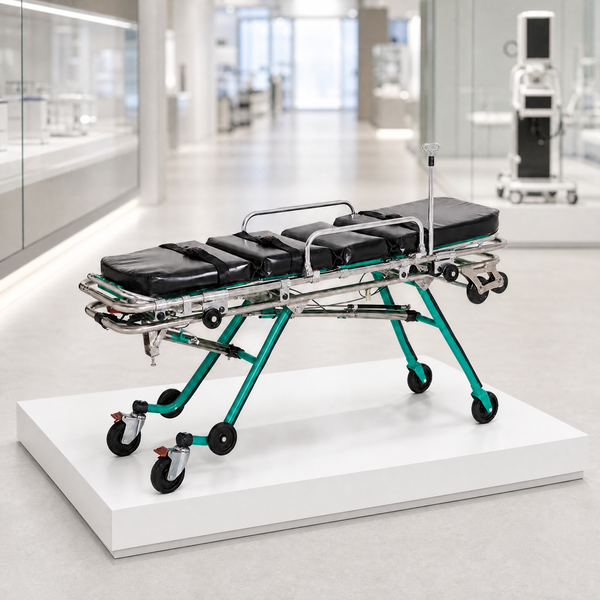
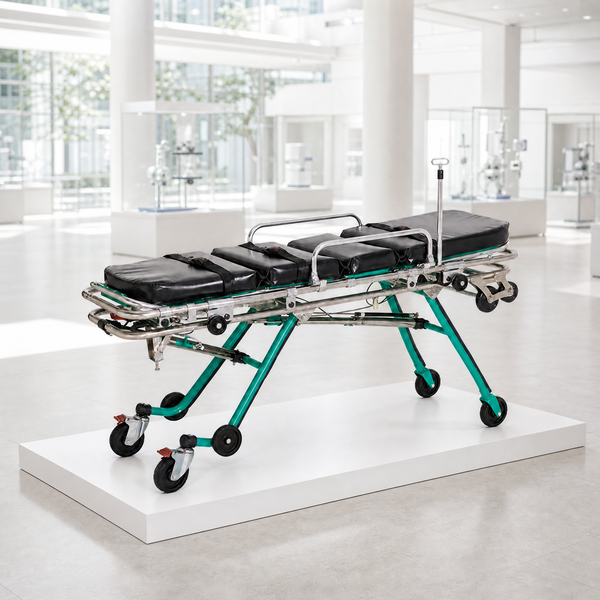
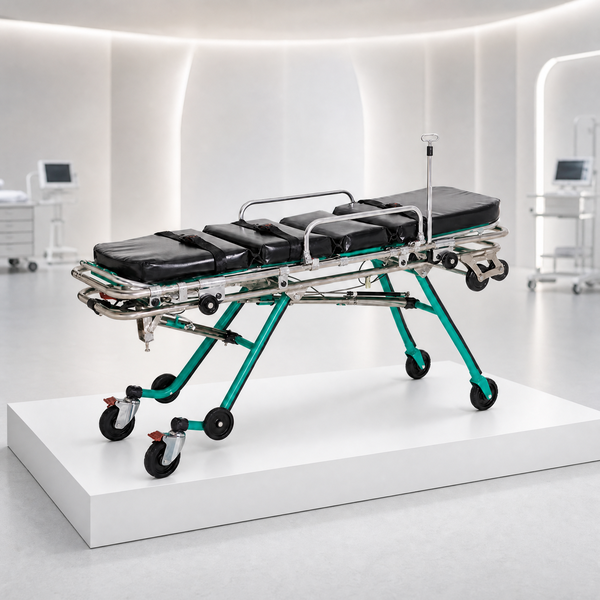
Common Problems with Stretchers and Effective Solutions
Understanding common issues with stretchers can help buyers make informed decisions and mitigate risks. Some frequent problems include:
Wear and Tear: Frequent use can lead to wear on moving parts and the fabric of the stretcher. Regular maintenance and timely replacement of components are essential to prolong the stretcher's lifespan.
Compatibility Issues: Sometimes, stretchers may not fit well within the designated ambulance space or fail to integrate with other equipment. Buyers should conduct a thorough compatibility assessment prior to purchasing.
Weight Limit Exceedance: Using stretchers beyond their specified weight limits can compromise safety. Buyers should ensure that operational protocols are in place to prevent exceeding these limits.
Hygiene Concerns: Maintaining cleanliness is critical in healthcare environments. Choosing stretchers with easy-to-clean materials and surfaces can facilitate better hygiene practices.
To address these issues, suppliers can offer warranties and after-sales support, ensuring that customers can access parts and service as needed. Regular training for staff on proper handling and maintenance can further reduce the occurrence of these problems.
By focusing on these key considerations, buyers can confidently select the right ambulance and stretcher for their specific needs, ensuring that they are well-equipped to handle emergencies effectively.
 EN
EN