Key Specifications for Sourcing Standard Stretchers

Zhangjiagang Xiehe Import & Export Co., Ltd.

application/standard-stretcher, application/standard-stretcher, 
Inquiry
Inquiry

standard stretcher

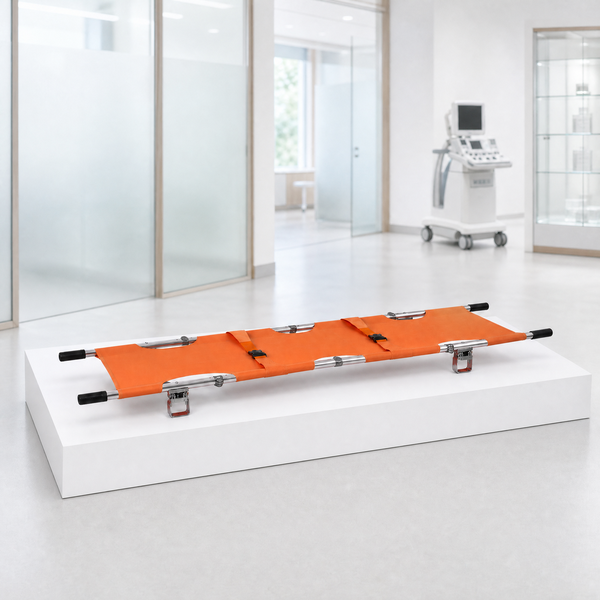
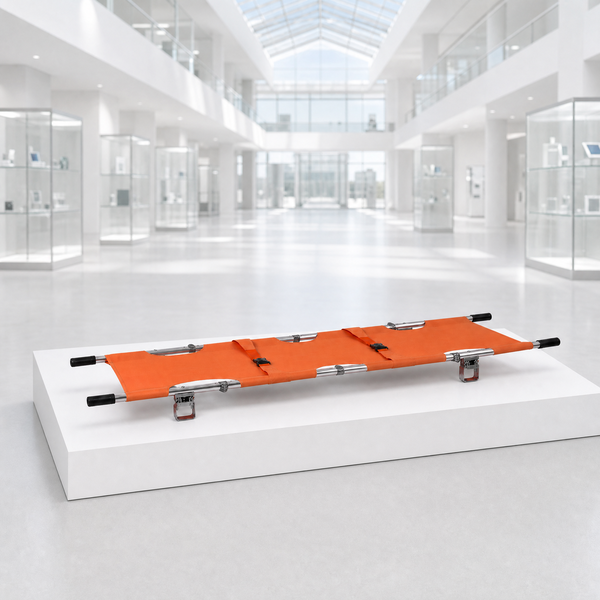
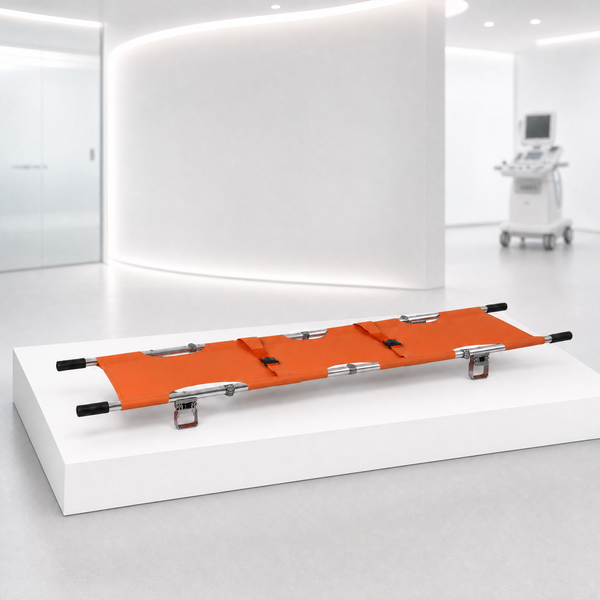
When sourcing  standard stretchers,  it is crucial  to understand their features and applications in  various settings, including hospitals,  emergency  services, and more. Standard stretchers play a vital role in patient  transport, providing  safety and comfort during critical moments. B2B  buyers often have concerns regarding  specifications, material  quality, and supplier reliability. This  article  delves  into key specifications, installation  guidance,  common problems,  supplier sourcing, and material advantages,  helping purchasing managers  and distributors make informed  decisions.

Why choose XieHe standard stretcher

Our Products

Key Specifications to Consider When Sourcing Standard Stretchers

When evaluating standard stretchers,  several specifications are essential to ensure they meet operational needs. First,  consider the weight  capacity. A stretcher that cannot support the required load can lead to safety hazards during patient transport. Typically, standard stretchers have a weight capacity ranging from 150  kg to 300 kg (330 lbs to  660 lbs), but buyers  should confirm specific requirements based on  their patient demographics.

Next, examine the materials used in the stretcher's construction. Aluminum and steel are common materials, with aluminum  offering a lightweight option for easier transport, while steel provides durability.  The choice of material affects not only the  stretcher's weight but also its  resistance to corrosion and ease of  cleaning. For instance, the YXH-1H Folding Stretcher is a popular choice due to its robust construction.


Dimensions  are another critical specification. Standard stretchers generally come in  various sizes  to accommodate different patient needs. Width and length should be taken into account to ensure compatibility with the intended environment, such as ambulances or hospital rooms. Additionally, the stretcher's folding  mechanism and storage capabilities are significant for space management.

Lastly, certifications such as CE, FDA, and ISO  13485 indicate  compliance with safety and quality  standards. Buyers should verify these certifications to ensure that the products are not only compliant but also of high quality.

Frequently Asked Questions

Our Blog Posts

What Our Partners Say

Installation Guidance for Standard Stretchers in Various Settings

Installation Guidance for Standard Stretchers in Various Settings

Installing standard stretchers requires careful consideration of  the environment  in which they will be used. In hospital settings, stretchers  should be placed in areas  that allow easy access for  medical  staff  while ensuring patient safety. Clear pathways and adequate space for maneuverability are  essential.

For  emergency services,  stretchers often need to be deployed quickly  and efficiently in  unpredictable environments. Training for staff on proper handling techniques and emergency protocols is crucial. Additionally, stretchers should be secured  in ambulances or emergency  vehicles to  prevent  movement during transport.

In industrial settings, where stretchers may be  used for transporting injured workers, it’s essential to consider terrain and accessibility. Stretchers designed  for rugged environments may feature enhanced stability and heavier-duty materials. Buyers should also factor in the installation of any necessary accessories, such as securing straps or additional  support systems,  to enhance safety during transport.

Common Problems with Standard Stretchers and Effective Solutions

Common Problems with Standard Stretchers and Effective Solutions

One common issue with standard stretchers is wear and tear, particularly on the wheels and  folding mechanisms. Regular  maintenance checks should be  scheduled to  ensure all components function correctly. For instance, wheels should be inspected for smooth operation and  replaced if they show signs of  damage or excessive wear.

Another issue is the  stretcher's fabric or padding,  which may become worn or stained over time.  Choosing stretchers with removable, washable  covers can mitigate this  problem, allowing for easy cleaning and maintenance.  Additionally, buyers should consider the  availability of replacement parts to prolong the lifespan of the stretcher.

Compatibility with other  medical equipment is also  a  frequent concern. Standard stretchers  should integrate seamlessly  with  hospital beds and  other transport devices. Buyers should verify dimensions and compatibility features to avoid issues during patient transfers.

Where to Find Reliable Suppliers for Standard Stretchers

Where to Find Reliable Suppliers for Standard Stretchers

Finding reliable  suppliers for standard stretchers  involves thorough research  and evaluation. Start by looking for manufacturers with a proven track record in the medical equipment industry. Verify  their certifications,  such as CE, FDA, and ISO  13485, which indicate  adherence to safety  and quality standards.

Engaging with industry networks and attending trade shows can  provide valuable insights into potential suppliers. These platforms allow buyers to meet manufacturers directly, ask questions, and assess product quality firsthand. Moreover,  reviews  and  testimonials  from other  buyers  can offer additional context regarding a supplier's reliability and customer service. An example of a highly-rated option is the YXH-5P Stair Stretcher.

When reaching out to suppliers,  provide detailed information about your  requirements, including  specifications, quantities, and any customization needs. This  transparency will  help suppliers offer tailored solutions that meet your expectations.

Material Advantages of Standard Stretchers for Enhanced Performance

Material Advantages of Standard Stretchers for Enhanced Performance

The material  of  a standard stretcher significantly impacts its performance and durability.  Aluminum stretchers are favored for  their lightweight  properties, making them easier to maneuver and transport. They  are also resistant to corrosion, which is crucial in healthcare environments where sanitation is paramount.

Steel  stretchers, while heavier, provide exceptional strength and durability. They are  ideal for rugged applications, such as in emergency services or industrial settings,  where robustness is essential. Steel can withstand harsher conditions, ensuring the stretcher remains functional over time.

Additionally, the choice of padding  material affects patient comfort during transport.  High-density foam or  gel padding can enhance  comfort, particularly for  long-distance transport. Buyers should consider the intended use and  environment when selecting materials to ensure optimal performance and  patient satisfaction.

Understanding the specifications, installation guidance, common issues, and material advantages of standard stretchers can  empower B2B buyers  to make informed purchasing decisions. By working with reliable suppliers like the YXH-1K Folding Stretcher and focusing on quality, purchasing managers can ensure they acquire stretchers that meet their operational needs and  enhance patient  care.