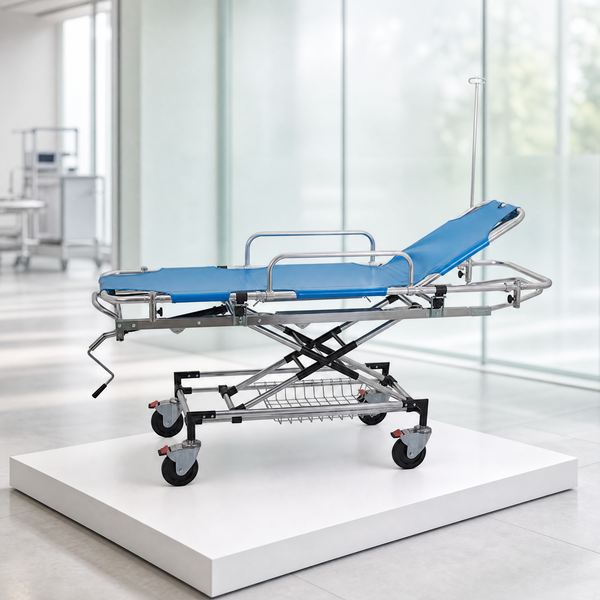
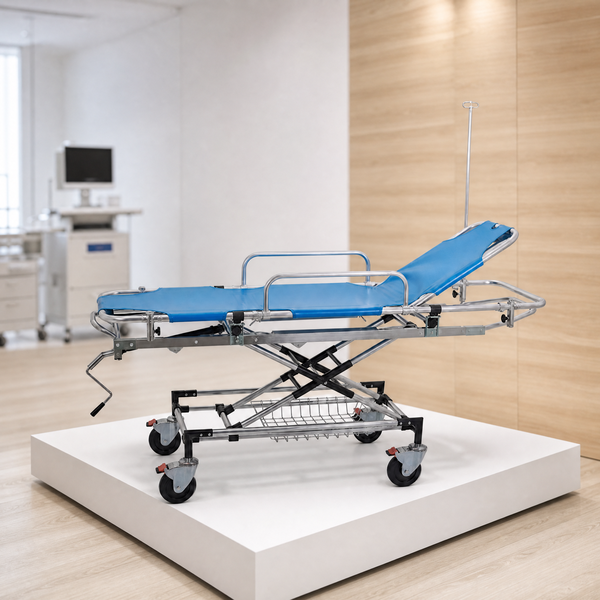
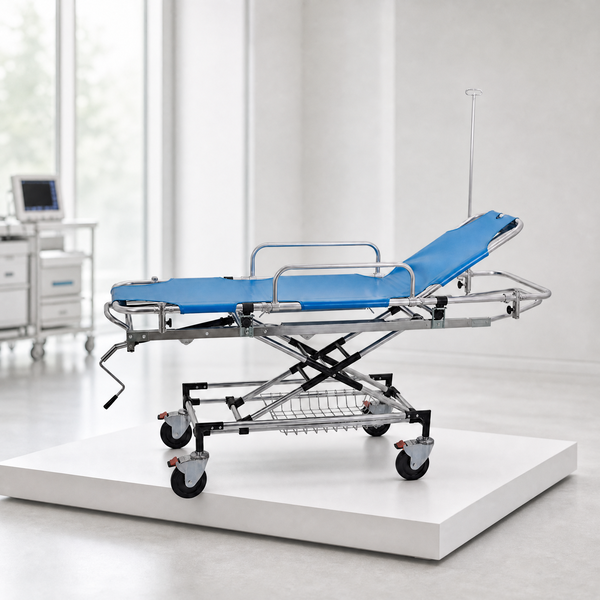
Key Features of Quality Emergency Stretchers
Identifying the key features that define a quality emergency stretcher can significantly influence purchasing decisions. First and foremost, the material should be lightweight yet durable, allowing for easy transport while maintaining structural integrity. Common materials include aluminum, which offers excellent strength-to-weight ratios, and high-density plastics, known for their corrosion resistance.
Dimensions are another critical specification. Emergency stretchers should be designed to accommodate various body types while remaining compact enough for easy maneuverability in tight spaces. Adjustable features, such as height or width, can enhance versatility.
Safety features are paramount. Look for stretchers equipped with safety belts, reflective strips for visibility, and reinforced corners to prevent wear during transport. Additionally, considering models with multipurpose capabilities—such as those that can convert into a chair or carry multiple patients—can enhance utility.
Lastly, ease of cleaning and maintenance is vital, especially in healthcare environments. Stretchers with smooth surfaces and removable covers can streamline the cleaning process, ensuring compliance with hygiene standards.
In summary, understanding these aspects of emergency stretchers can empower professionals in making informed decisions that enhance safety and efficiency in emergency response situations.
 EN
EN