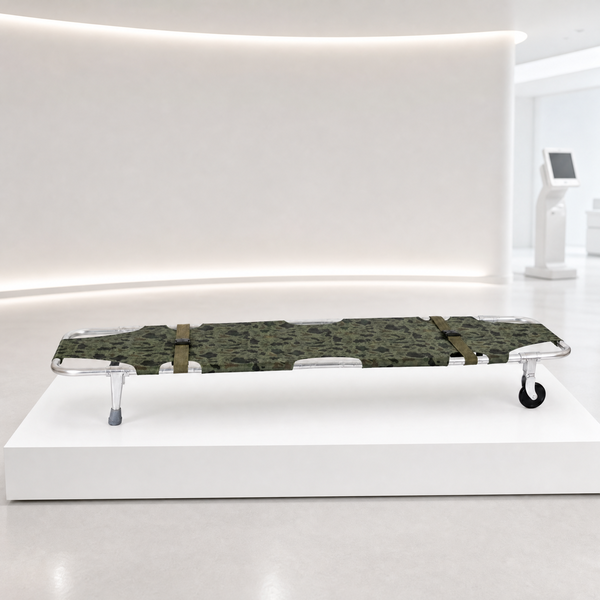
Choosing Quality Emergency Stretchers for Your Needs

Zhangjiagang Xiehe Import & Export Co., Ltd.

application/stretcher-emergency, application/stretcher-emergency, 
Inquiry
Inquiry

Stretcher emergency

Emergency stretchers are crucial medical devices designed for the safe and efficient transport of patients in emergency situations. Selecting the right emergency stretcher can significantly impact patient outcomes and operational efficiency. B2B buyers, including purchasing managers, hospital administrators, and emergency service providers, often weigh factors such as quality, specifications, and cost when evaluating ambulance with stretcher options. This article will guide you through essential considerations to help you make an informed purchasing decision regarding emergency stretchers.

Why choose XieHe Stretcher emergency

How to Choose Quality Emergency Stretchers for Your Needs

When selecting an emergency stretcher, consider the specific environments and scenarios in which it will be used. Factors such as the type of emergency services you provide (ambulance, hospital, or field use) and the patient demographics (adult, pediatric, or bariatric) are critical. 

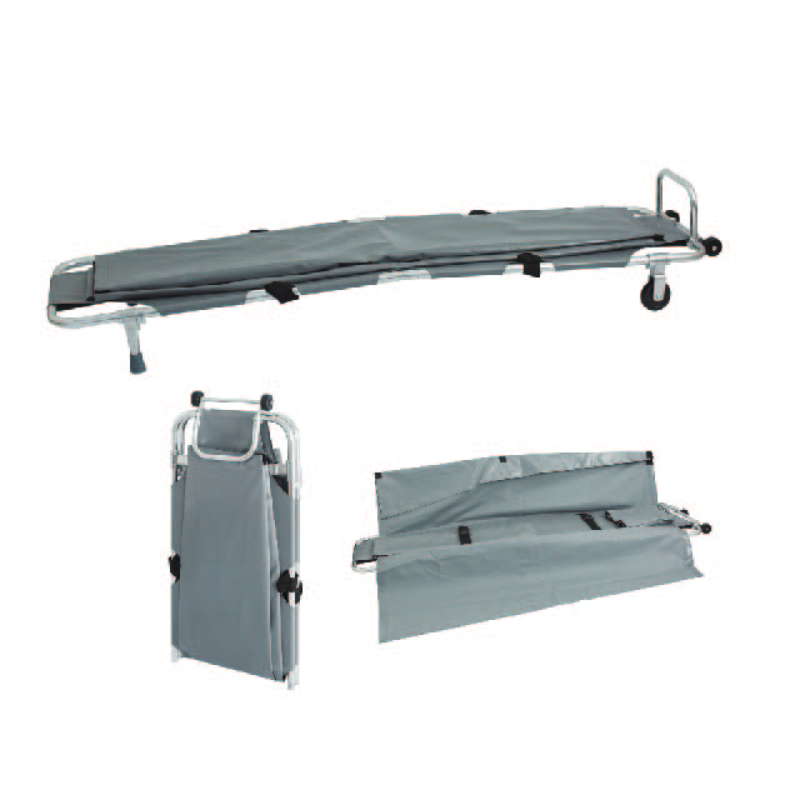
Evaluate the stretcher's weight capacity, dimensions, and material to ensure it is suitable for your needs. For instance, if the stretcher will be used in confined spaces, a foldable or compact design may be advantageous. Additionally, assess the stretcher's ease of use, including how quickly it can be deployed and how it can be secured, which can greatly enhance response times during emergencies. 

Customization options are also a key consideration. Many manufacturers, including Zhangjiagang Xiehe Import Export Co., Ltd., offer solutions tailored to specific requirements, such as color-coding for different medical services or additional safety features. Discussing these options with suppliers can help you find an ambulance stretcher price that meets your operational needs.

Frequently Asked Questions

What types of emergency stretchers do you offer?

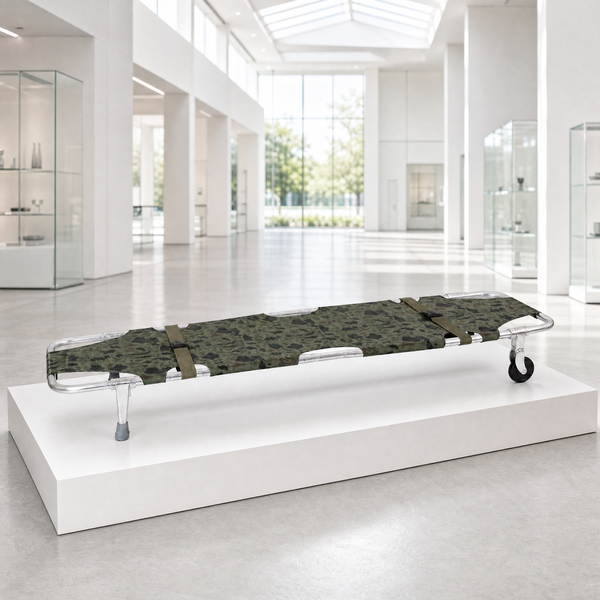
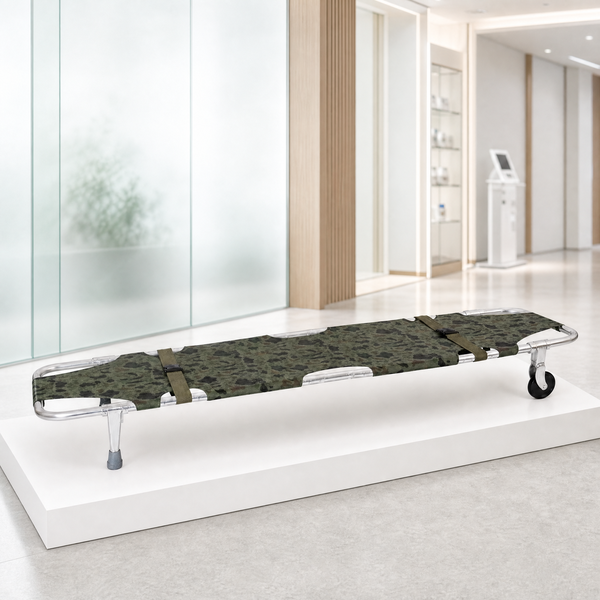
We supply spine boards, folding stretchers, scoop stretchers, and wheeled gurneys suitable for ambulance, hospital, and field rescue use. Custom options available per CE/FDA/ISO 13485 production standards.
Yes. We offer customization of size, materials, colors, labeling, and accessories to meet clinical and rescue requirements, backed by certified manufacturing and global distribution experience.
Our emergency stretchers are produced under CE, FDA, and ISO 13485 standards, ensuring compliance with international medical device quality and safety requirements.
Yes. We serve a global network of over 30 distributors across 120 countries and can arrange direct shipping, documentation, and after-sales support for international clients.
We provide warranty coverage and after-sales support including spare parts, maintenance guidance, and technical assistance. Specific terms vary by product and region; contact us for details.

Our Blog Posts

What Our Partners Say

A Buyeru2019s Guide

A Buyeru2019s Guide

Evaluating the specifications of emergency stretchers is critical to ensuring they meet the demands of various emergency situations. Here are key specifications to consider: 

Weight Capacity: Ensure the stretcher can accommodate the maximum weight of potential patients, including any necessary medical equipment. 

Dimensions: The stretcher must fit through the intended transport routes, such as ambulance doors or hospital hallways. 

Material Composition: Look for stretchers made from durable, lightweight materials that are easy to clean and disinfect, as hygiene is paramount in medical settings. Aluminum and high-strength plastics are common choices. 

Safety Features: Check for features like safety belts, anti-slip surfaces, and adjustable headrests, which enhance patient comfort and safety. 

Mobility: Consider the stretcher's maneuverability, especially if it will be used in tight spaces. Features like wheels, handles, and foldability can impact its ease of transport. 

Before making a purchase, ensure that these specifications align with your specific operational requirements and that they comply with relevant safety standards. 

Advantages of Different Materials Used in Emergency Stretchers

Advantages of Different Materials Used in Emergency Stretchers

Quality is a primary concern when selecting XieHe emergency stretchers. Look for products that have been manufactured under stringent quality control processes and are certified (CE, FDA, ISO 13485) to ensure compliance with international safety standards. 

While cost is always a significant factor, it should not be the sole determinant. Evaluate the long-term value of the stretcher, considering its durability, maintenance requirements, and warranty services. A lower upfront cost may lead to higher long-term expenses if the stretcher requires frequent repairs or replacement. 

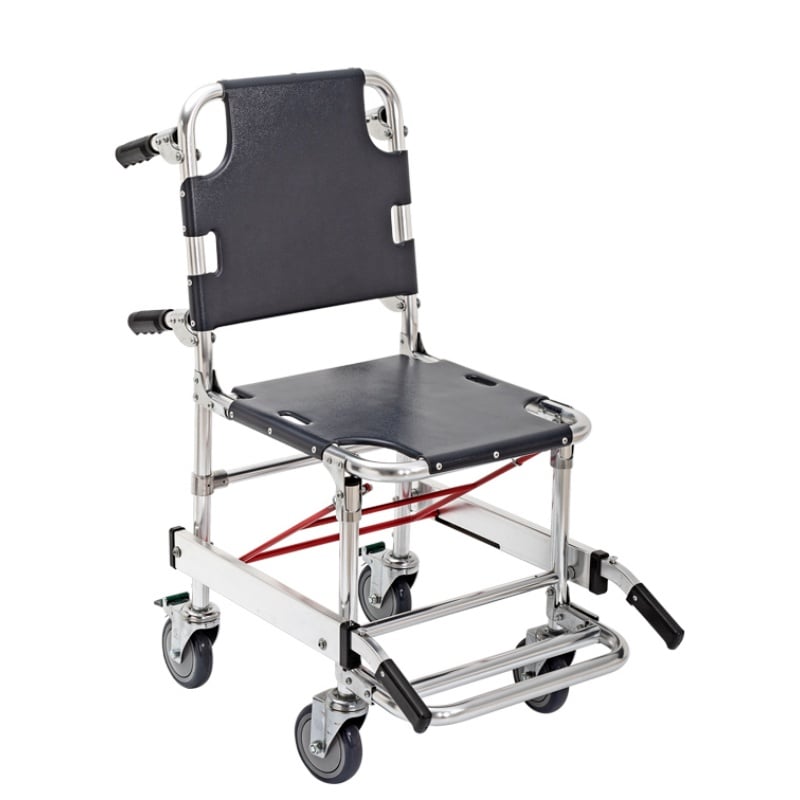
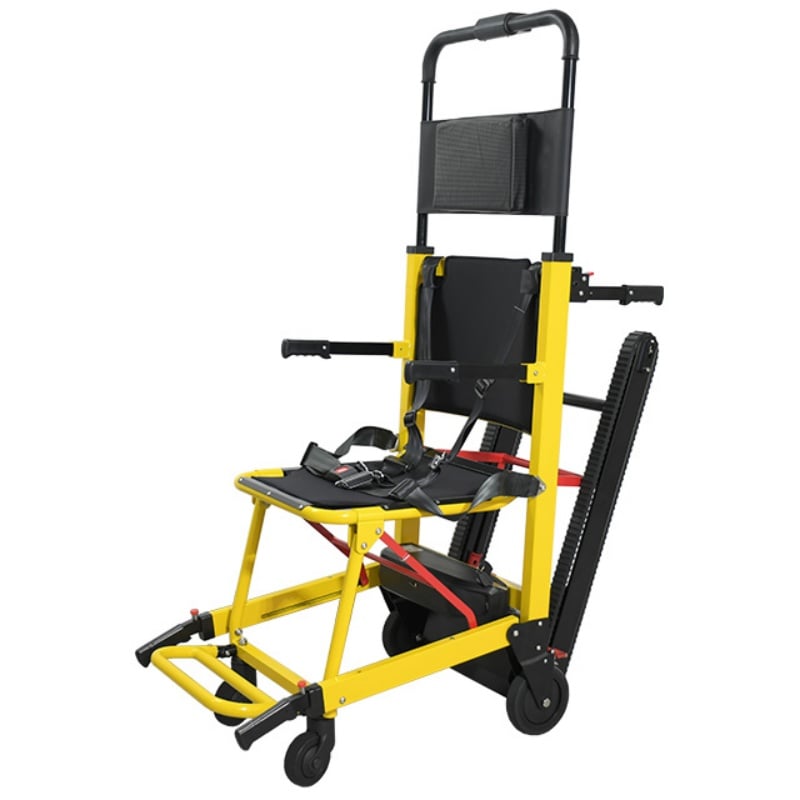
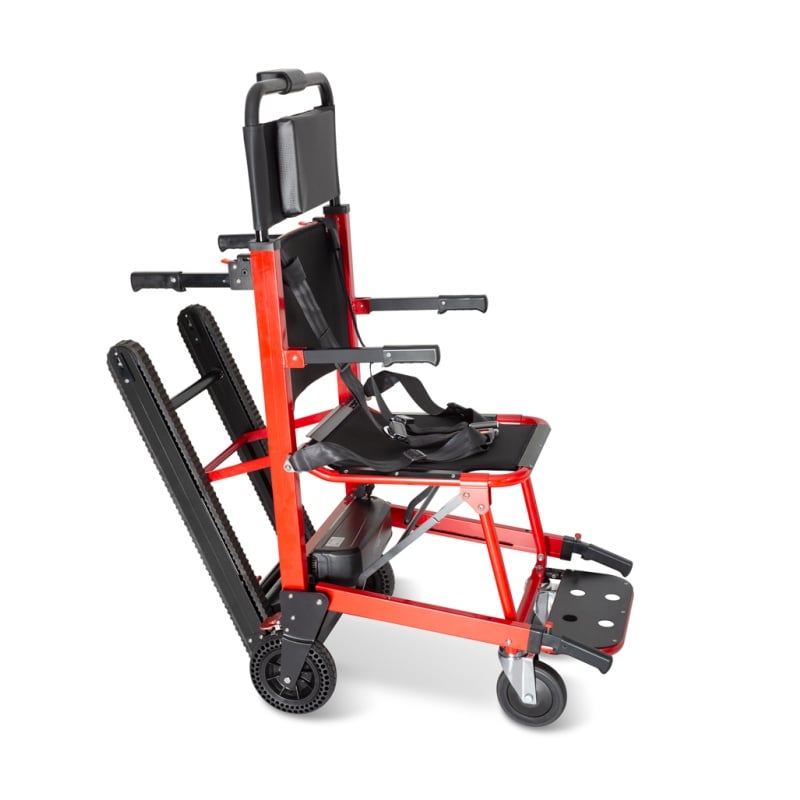
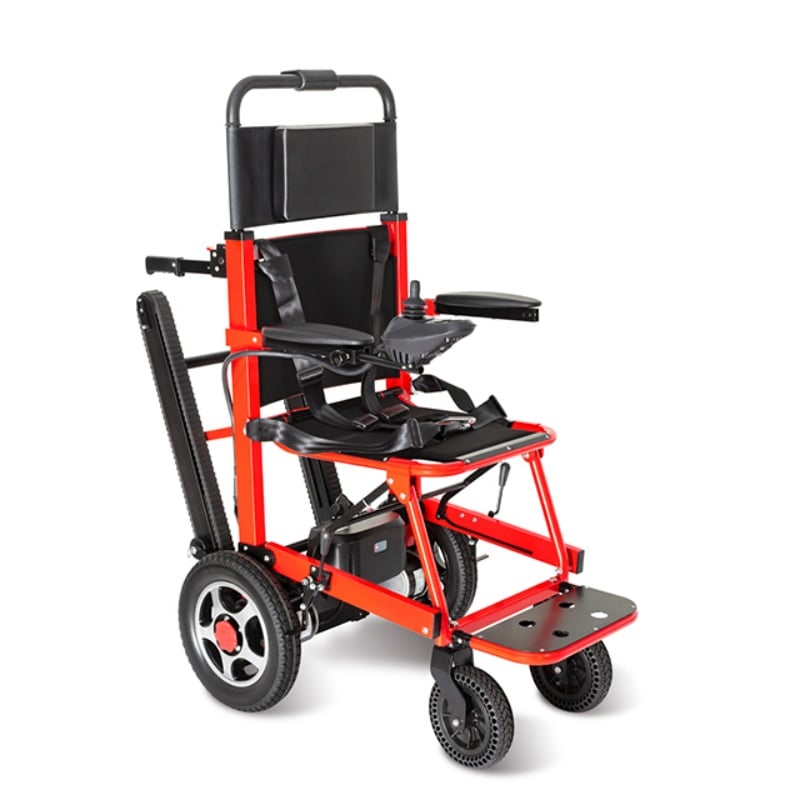
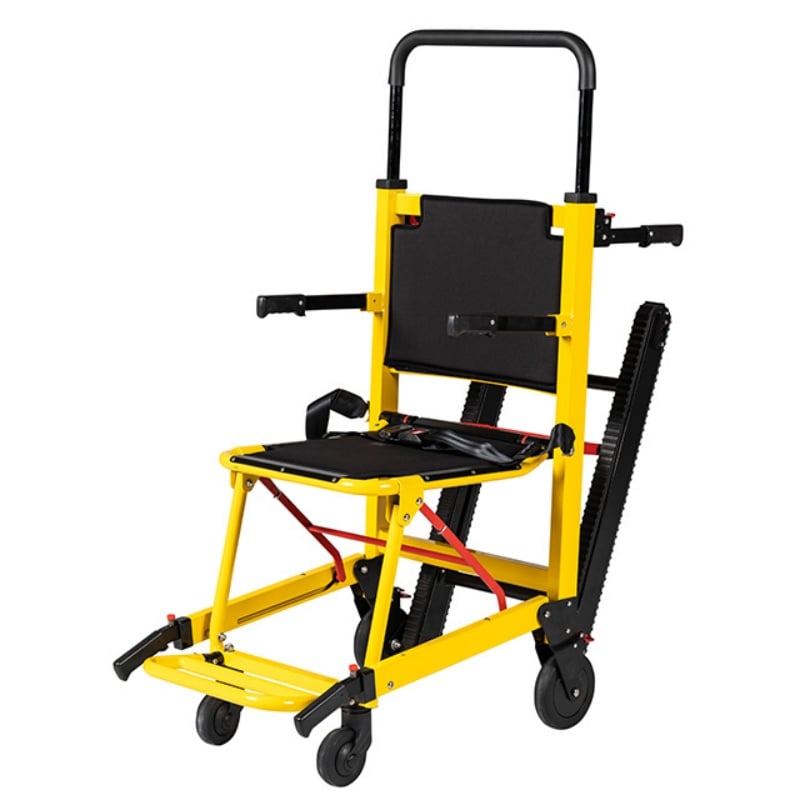
Lastly, features play a crucial role in the effectiveness of emergency stretchers. Advanced models may include hydraulic systems for height adjustment, the ability to convert into different configurations (e. g., a chair stretcher), and various attachments for medical devices. When comparing options, weigh these features against your operational needs to find the best fit.

Evaluating Supplier Reliability for Emergency Stretchers

Evaluating Supplier Reliability for Emergency Stretchers

Emergency stretchers, like any medical equipment, can encounter issues that affect their performance. Some common problems include: 

Wear and Tear: Regular use can lead to deterioration. Establish a routine maintenance schedule to inspect and service stretchers, ensuring they remain in optimal condition. 

Compatibility Issues: When integrating stretchers into existing systems (like ambulance interiors), compatibility can become a concern. Ensure that the stretcher's dimensions and design match your vehicle's specifications. 

Weight Limitations: Exceeding the weight capacity can compromise safety. Train staff to recognize weight limits and provide options for heavier patients, such as bariatric stretchers. 

To mitigate these issues, engage with suppliers to understand their support services, including repair, maintenance, and replacement parts availability. This ongoing partnership can enhance the reliability and longevity of your emergency stretchers.

Wholesale Purchasing Tips for Emergency Stretchers and Accessories

Proper installation and setup of XieHe emergency stretchers can significantly affect their performance and safety in emergency situations. Here are some key considerations for different settings: 

Ambulance Installation: Ensure stretchers are securely anchored within the ambulance to prevent movement during transit. Utilize locking mechanisms and verify that the standard stretcher can be easily loaded and unloaded. 

Hospital Settings: In hospitals, stretchers should be positioned for easy access to emergency rooms and patient care areas. Consider the layout of the facility to optimize flow and minimize transport delays. 

Outdoor or Field Use: For emergency situations in outdoor environments, such as at sporting events or disaster sites, ensure that the stretcher is easily portable and can be quickly deployed. Training staff on setup in varied terrains can enhance response effectiveness. 

Always follow the manufacturer's installation instructions closely and conduct regular training sessions to keep all personnel familiar with the equipment's operation. 

By considering these factors, you can effectively choose and implement emergency stretchers that meet your organization's needs, ensuring efficient patient transport during critical situations.