Key Specifications for Pediatric Stretchers

Zhangjiagang Xiehe Import & Export Co., Ltd.

application/pediatric-stretcher, application/pediatric-stretcher, 
Inquiry
Inquiry

pediatric stretcher

Pediatric stretchers are  specialized emergency  transport devices  designed to  safely  and  efficiently move  children  in medical settings.  For purchasing managers and  healthcare  distributors,  understanding the key specifications, wholesale options, and potential challenges  of pediatric stretchers is crucial. This article aims  to provide comprehensive insights into the essential  factors to consider  when sourcing pediatric stretchers, helping you make informed  decisions  for your  healthcare facilities  or distribution needs.

Why choose XieHe pediatric stretcher

Key Specifications to Consider When Sourcing Pediatric Stretchers

When sourcing pediatric  stretchers, several key  specifications must be taken into account to ensure they meet the unique needs of pediatric patients.

Dimensions and Weight Capacity: Pediatric stretchers typically  come in various sizes to accommodate different age groups and weights. It's important to verify the stretcher's dimensions  and weight capacity to ensure it is suitable for the intended patient demographic. A stretcher that is  too small  or lacks the required weight capacity can compromise patient safety.

Materials: The choice of materials used in the stretcher is vital for durability, hygiene,  and comfort. Common materials include high-strength aluminum or steel for the  frame, while the  surface may  be made from medical-grade plastic or fabric that is easy to clean and  resistant to stains and fluids. Ensure that the materials used comply with relevant health regulations and standards.

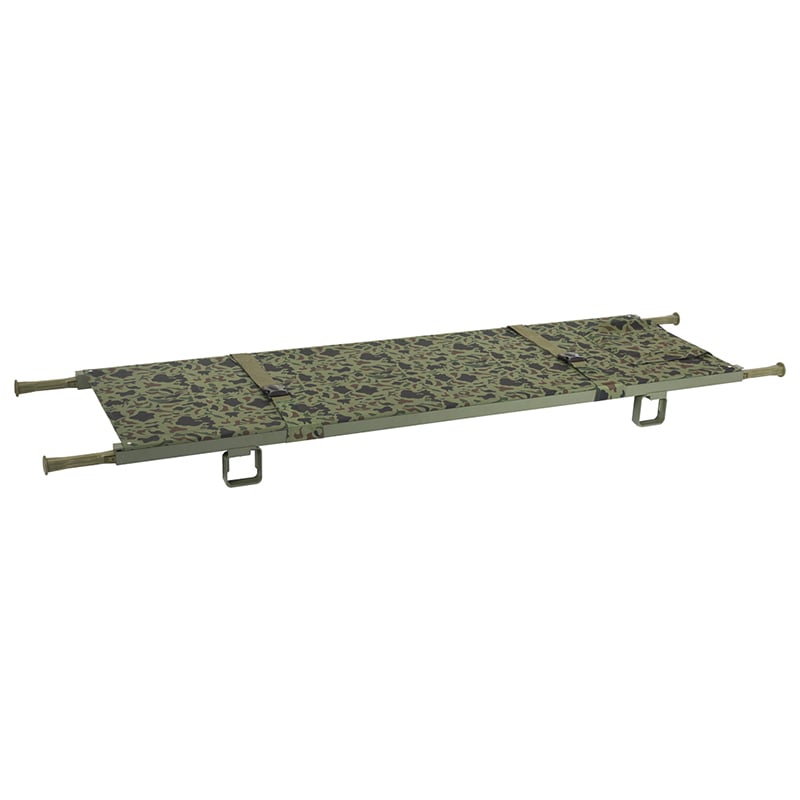
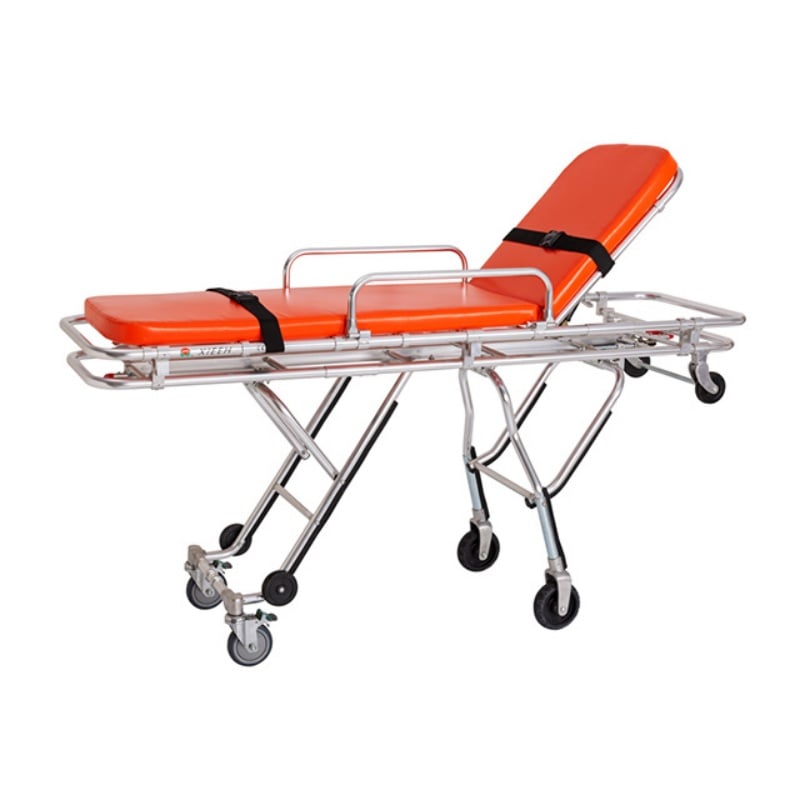
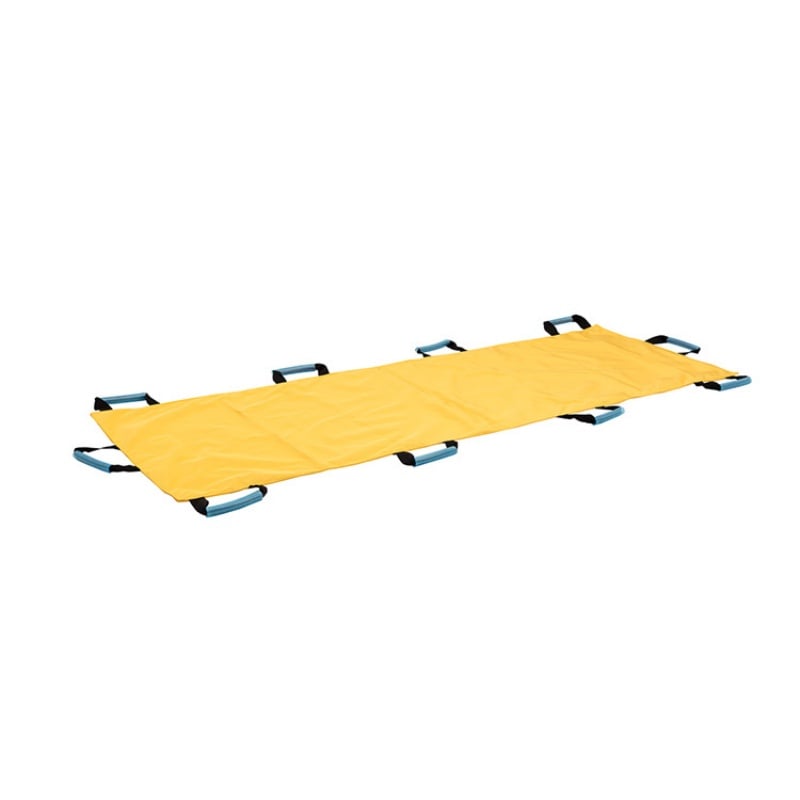
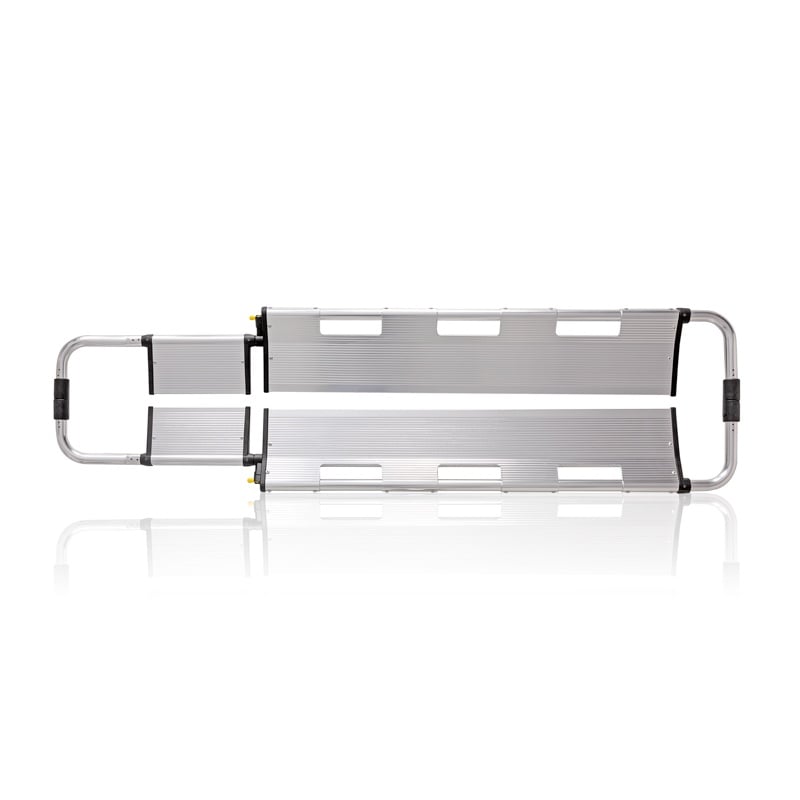
Adjustability: Look for stretchers that offer adjustable features, such as height and backrest  positions. This flexibility allows medical  personnel to better accommodate the needs of the child and  the circumstances of  their transport, enhancing comfort and safety. For instance, the YXH-1H Folding Stretcher is designed with adjustable features that enhance usability.

Safety Features: Essential safety features, such as secure restraining straps, side rails, and anti-slip surfaces, should be prioritized. These features help prevent falls and ensure that the child  is securely  positioned during transit.

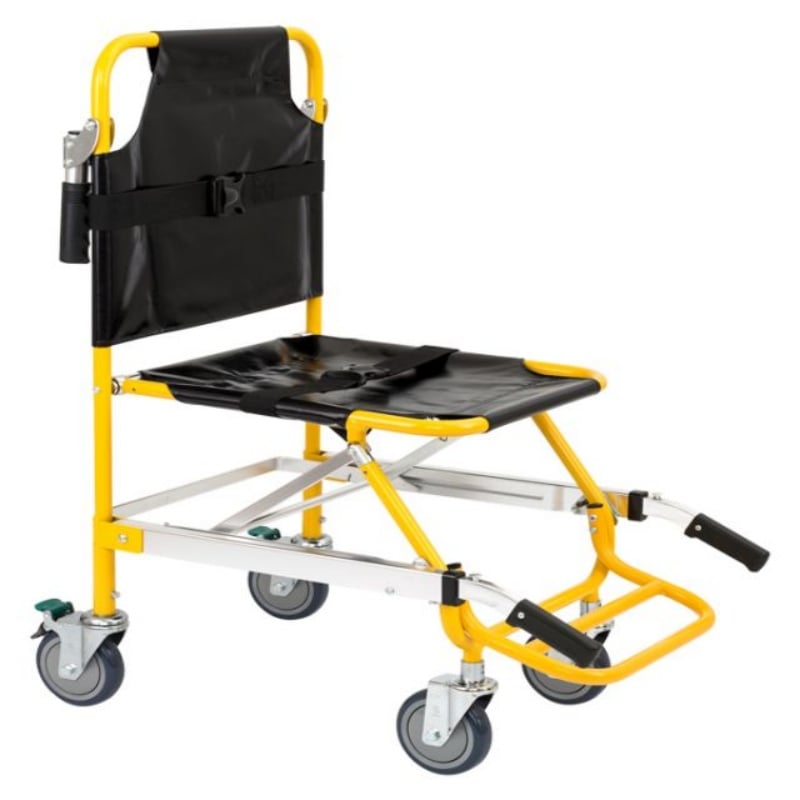
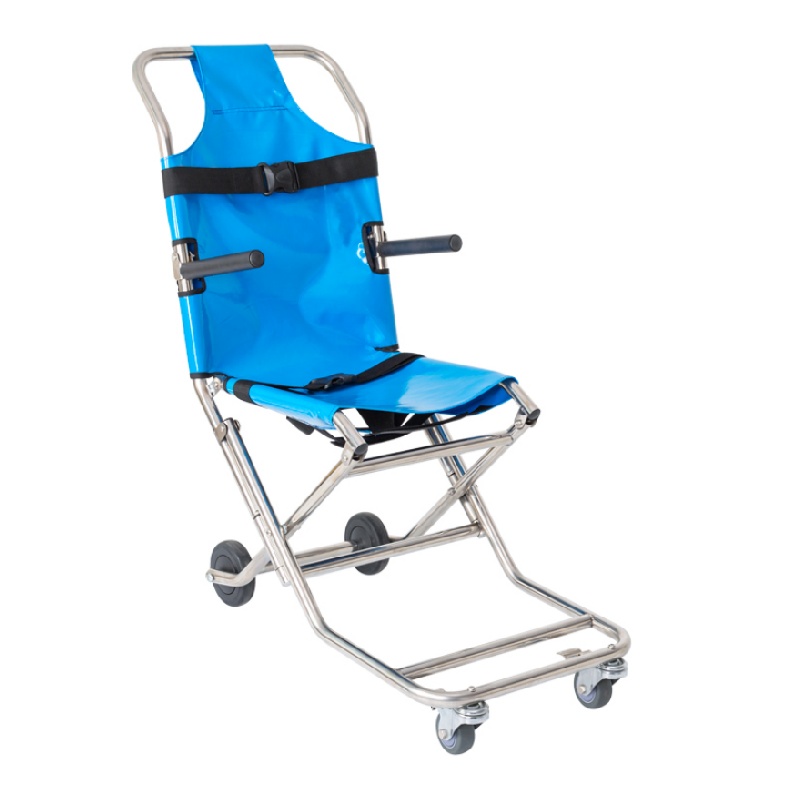
Portability: The stretcher's weight and design should facilitate easy maneuverability, especially in emergency situations. Options with foldable designs or integrated  wheels can greatly improve transport efficiency. The YXH-5P Stair Stretcher, for example, is an excellent choice for its portability.

By focusing on these specifications, you can ensure that the pediatric stretchers sourced  are suitable for your healthcare facility's requirements.

Frequently Asked Questions

Our Blog Posts

What Our Partners Say

Wholesale Purchasing Options for Pediatric Stretchers and Accessories

Wholesale Purchasing Options for Pediatric Stretchers and Accessories

When considering wholesale purchasing options for pediatric stretchers, several factors can influence your decision-making  process.

Supplier Relationships: Establishing a relationship with a reputable supplier, such as Zhangjiagang Xiehe Import Export Co., Ltd., can provide access to a diverse range of pediatric stretchers and accessories. Look for suppliers with a strong track record of quality and reliability, as  well  as certifications like  CE, FDA, and ISO 13485  that ensure compliance with international health standards.

Minimum Order Quantity (MOQ): Understanding the MOQ is essential  when planning your purchase. Suppliers may have different MOQs based on the  product type. Ensure the MOQ aligns with your purchasing needs to avoid overstocking or stockouts.

Customization Options: Many suppliers offer customization capabilities, allowing you to tailor stretchers according to specific medical requirements or branding needs. Discuss  customization options with potential suppliers to ensure  that the product meets your  exact specifications.

Pricing and Payment Terms: It's important to compare  pricing among different suppliers while considering the total cost  of  ownership, including shipping, duties, and potential import taxes. Clarifying payment terms upfront can help in budgeting  for your purchases.

Lead Times: Inquire about lead  times for production and delivery, especially if you have urgent  needs. Understanding production timelines will help you manage inventory levels  efficiently.

By exploring these wholesale purchasing options, you can make strategic decisions that meet your organization's needs while ensuring high-quality patient care.

 
What to Look For

What to Look For

When evaluating pediatric stretchers, there  are several important factors to  consider beyond the  specifications and purchase  options. 

Quality Control Processes: Assess the manufacturer's quality control processes. A reliable supplier should have rigorous testing and inspection protocols  to ensure each stretcher meets safety  and performance standards.  Look for information on how quality is maintained throughout the production process.

User Feedback and Reviews: Research user feedback and reviews for the stretchers you are considering. Insights from healthcare professionals who have used  the product can provide valuable perspectives on usability, safety, and durability.


Warranty and Support: Investigate the warranty offered with the stretcher. A solid warranty can indicate the manufacturer's confidence in their product quality. Additionally, check  the availability of  customer  support and after-sales service, as these can be critical for addressing any issues that arise  post-purchase.

Regulatory Compliance: Ensure that the pediatric stretchers  comply with the  relevant health regulations and safety standards in your region. This compliance is crucial  to avoid potential legal issues and ensure patient safety.

By focusing  on these aspects, you can better evaluate  the suitability of pediatric stretchers  for your specific needs.

Common Problems with Pediatric Stretchers and How to Solve Them

Common Problems with Pediatric Stretchers and How to Solve Them

Despite their importance, pediatric stretchers can present several common problems  that may  affect their performance. Understanding  these issues and  their solutions can help mitigate risks.

Stability Issues: One common problem is the stability of the stretcher during transport. If a stretcher is not designed with a low center of gravity or  lacks proper weight distribution, it may tip or wobble. To address this,  ensure that the stretcher has a well-engineered design and test  its stability under various  loads.

Maintenance Challenges: Pediatric  stretchers  require regular maintenance to ensure they remain safe and functional. Develop  a maintenance schedule that  includes routine inspections, cleaning, and servicing of moving parts. Train staff on proper maintenance procedures to extend the lifespan of the equipment.

Compatibility with Equipment: Another issue may arise when stretchers are not compatible with other medical  equipment, such  as ambulance gurneys or hospital beds. Before purchase, verify the stretcher's compatibility with  existing equipment to avoid  operational delays during emergencies.

Material Wear and Tear: Over time,  the materials used in  stretchers may degrade  or become damaged. Regularly inspect  for signs of wear and promptly replace any worn components to maintain safety standards.

By proactively addressing these common problems, healthcare facilities can enhance the effectiveness of their pediatric stretcher usage.

Understanding the Cost Factors of Pediatric Stretchers for Distributors

Understanding the Cost Factors of Pediatric Stretchers for Distributors

For distributors, understanding the cost factors  associated with pediatric stretchers  is essential for pricing strategies and profit margins.

Production Costs: The materials used,  manufacturing processes,  and labor involved all contribute to the overall production costs  of pediatric stretchers. High-quality materials may increase initial costs but can offer  better durability and lower long-term replacement rates.

Shipping and Handling: Shipping costs  can vary depending on  the distance from the manufacturer to the distributor and the shipping method used. Factor in these  costs when calculating the total price for customers.

Market  Demand: The demand for pediatric stretchers can fluctuate based  on trends in healthcare and emergency services. Analyzing market demand  can help  distributors  adjust pricing strategies accordingly.

Regulatory Compliance  Costs: Compliance with  health regulations may require additional  investments in quality assurance and testing. Distributors should be aware of these costs and how they impact pricing.


Customization Expenses: If offering customized stretchers, consider the additional costs associated with modifications, which could affect the final pricing  structure.

By understanding these cost  factors, distributors can effectively price pediatric stretchers to remain competitive while ensuring profitability.