Choosing Quality Cervical Collar Neck Braces

Zhangjiagang Xiehe Import & Export Co., Ltd.

application/cervical-collar-neck-brace, application/cervical-collar-neck-brace, 
Inquiry
Inquiry

cervical collar neck brace

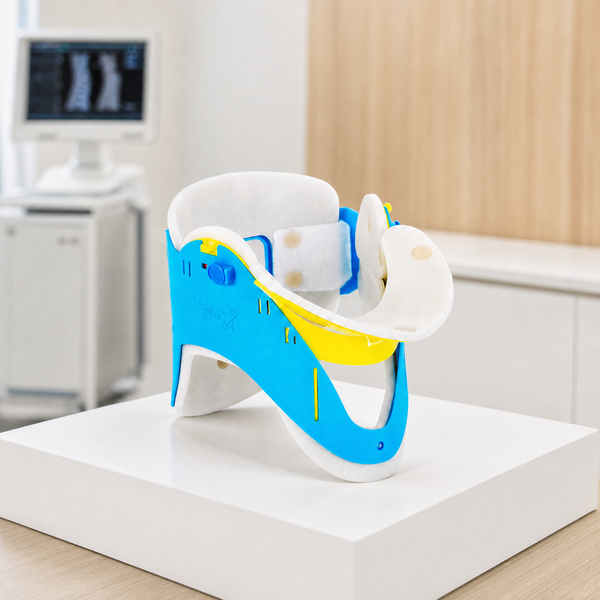
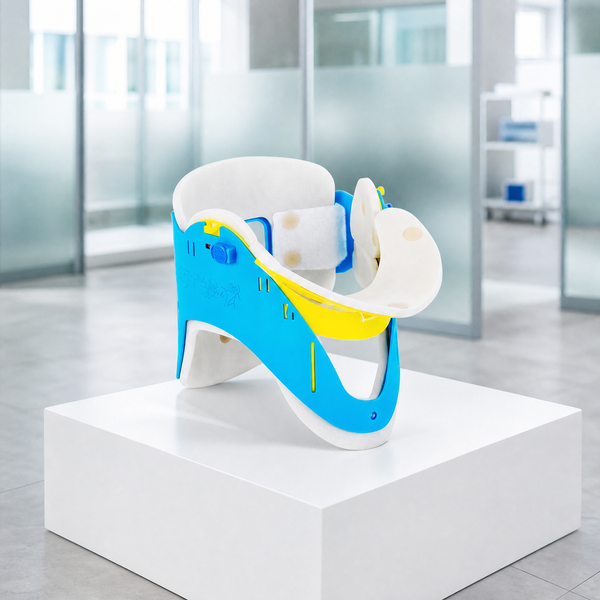
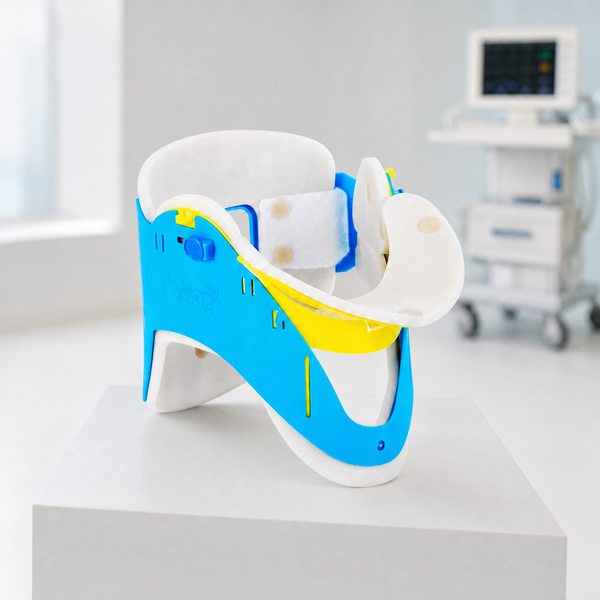
Cervical collar neck braces  are essential medical devices designed  to  support the neck  and  stabilize  the cervical spine  after injury or  surgery. When sourcing these products,  B2B buyers, including purchasing managers and healthcare facilities, often  prioritize quality, compliance with regulations, and suitability for diverse  applications.  This article provides  insights  into selecting the  right cervical  collar neck brace,  sourcing options, cost factors, common issues,  and their applications in  healthcare.


Why choose XieHe cervical collar neck brace

Quality Control Standards for Cervical Collar Neck Brace Manufacturing

Selecting the appropriate cervical collar neck brace depends on several factors including the level of  support required, the specific  medical condition  being addressed, and patient comfort.

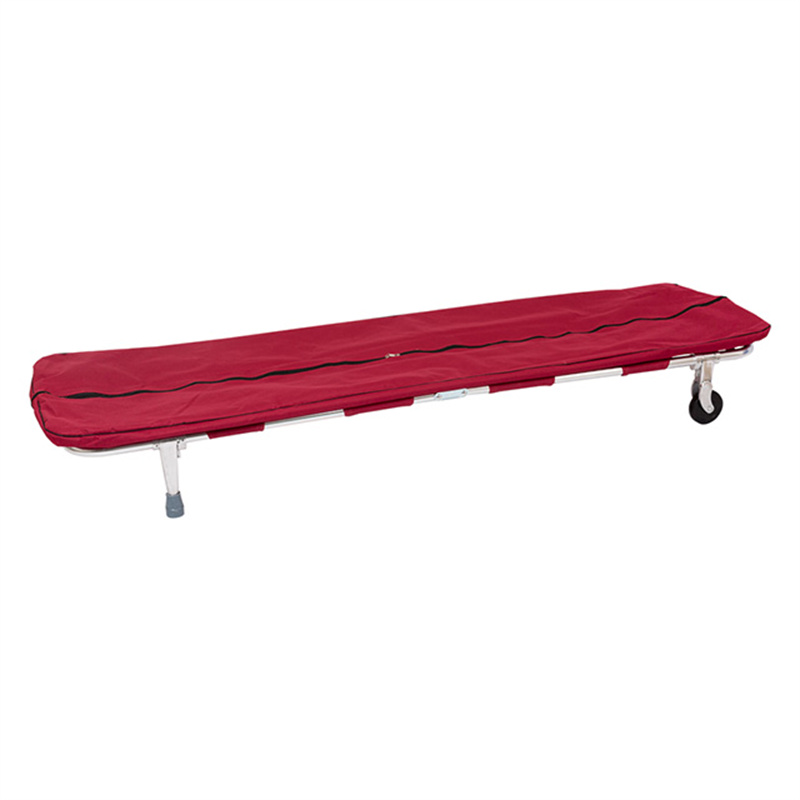
Level of Support: Cervical collars come in various designs such as  rigid,  soft, and semi-rigid. Rigid collars provide maximum immobilization, ideal for severe  injuries, while soft collars  offer moderate support for less severe  conditions. Understanding the medical indication is crucial to making an informed choice.  For instance, in cases of severe trauma, devices like the YXH-3K Ambulance Stretcher may be necessary to ensure proper transport and care.


Material  Selection: The materials used in cervical collars can greatly impact  comfort and usability. Common materials  include foam, plastic,  and fabric. For example, foam collars offer cushioning but may lack the support of plastic versions.  It’s essential to consider the patient's skin sensitivity and comfort during prolonged  use.

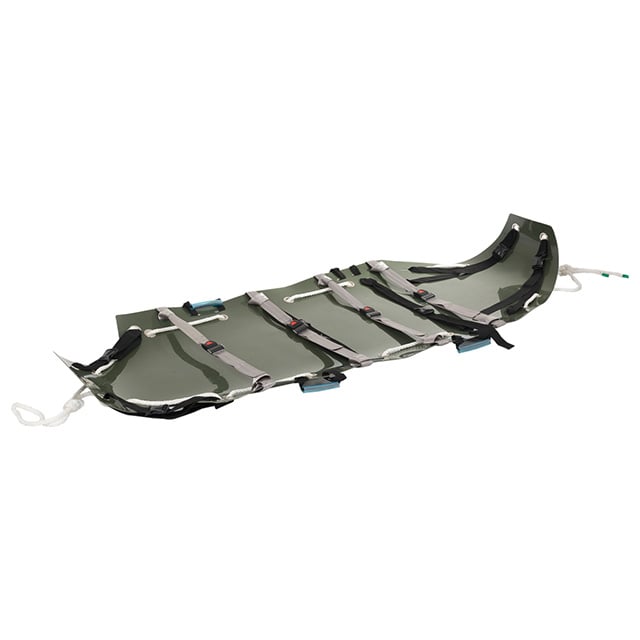
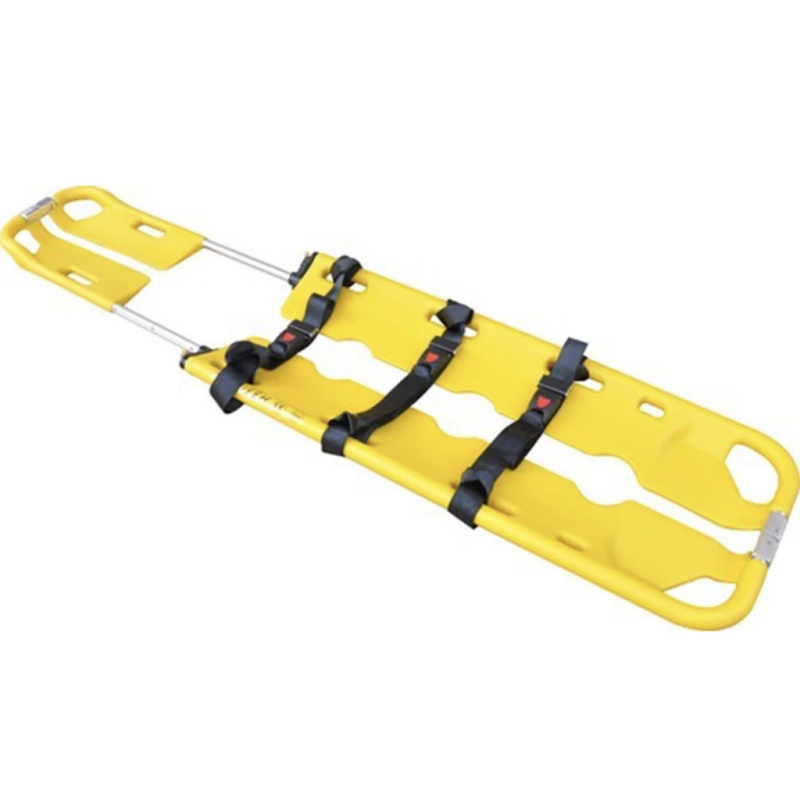
Size and Fit:  A properly fitting collar is vital. Many manufacturers offer  adjustable options to accommodate different neck sizes. Ensuring a snug  but comfortable fit helps in effective stabilization and prevents further injury.  Additionally, custom solutions like the YXH-1L Multifunctional Rescue Stretcher can enhance patient comfort.

Customization: Some manufacturers may offer custom designs based on specific patient needs or branding requirements,  which can enhance the  user experience and fit.

Frequently Asked Questions

Our Blog Posts

What Our Partners Say

Where to Find Reliable Suppliers for Cervical Collar Neck Braces

Where to Find Reliable Suppliers for Cervical Collar Neck Braces

Sourcing high-quality cervical collar  neck braces  requires identifying  reliable manufacturers or  suppliers who comply with certification standards like CE, FDA, or ISO 13485.

Established Manufacturers: Look for manufacturers with a proven track record in  the medical device industry. Companies like  Zhangjiagang  Xiehe Import Export Co., Ltd., which have extensive experience in producing medical supplies, can be a reliable source.

Wholesale Distributors:  Partnering with recognized wholesale distributors can  streamline the procurement process. These distributors often have established relationships with manufacturers,  ensuring access to high-quality products at competitive prices.

Trade Shows and Industry Events: Attending medical trade shows can provide opportunities to meet  manufacturers  and inspect  products firsthand. This allows buyers to assess  quality directly and build relationships for  future orders.

Online Marketplaces: While online  platforms can offer convenience,  it’s  crucial to verify the  supplier's credentials  and product certifications to avoid subpar products.

Cost Factors to Evaluate When Purchasing Cervical Collar Neck Braces

Cost Factors to Evaluate When Purchasing Cervical Collar Neck Braces

When evaluating the cost  of cervical collar neck braces, several factors come into play:

Material and Design: The choice of materials and complexity of the design can significantly influence price. Rigid  collars often  cost more  due to the materials involved and their manufacturing  process.

Order Quantity:  Bulk purchasing typically reduces the  per-unit cost. Understanding the Minimum Order Quantity (MOQ) required by the manufacturer can help in budgeting.


Customization Requirements:  Customization can add to the cost.  If specific sizes, materials, or branding  are needed, it’s essential to  factor these  into the overall budget.

Shipping  and Handling: Depending on the manufacturer’s location,  shipping costs can vary. It's advisable to confirm shipping  terms and any potential duties for international orders.

Quality Assurance and Compliance: Investing in products from certified manufacturers may incur higher  upfront costs but can save money in the long  run by reducing the  risk of recalls or  compliance issues.

Common Problems with Cervical Collar Neck Braces and Their Solutions

Common Problems with Cervical Collar Neck Braces and Their Solutions

Despite their importance, cervical collar neck braces can  present challenges. Here are some common issues and their solutions:

Fit and  Comfort Issues: If a collar does not  fit properly, it can cause  discomfort  or ineffective support. Buyers should ensure  accurate measurements and consider adjustable options when possible.

Skin  Irritation: Prolonged use can  lead to skin irritation. Selecting collars with breathable materials  or those designed for extended  wear  can help mitigate this issue.


Durability Concerns:  Some lower-quality collars may not withstand  regular use. It’s crucial to select products from reputable manufacturers  known for their durability and  quality standards.

Patient Compliance: Patients  may resist wearing cervical collars due to  discomfort. Providing education on the importance of wearing the collar and how it aids recovery can  improve compliance.

 
Bulk Order Advantages for Distributors of Cervical Collar Neck Braces

Bulk Order Advantages for Distributors of Cervical Collar Neck Braces

Cervical collar neck braces have various applications in healthcare settings, primarily centered around injury management  and post-operative care:


Trauma Care: In emergency situations, cervical collars are vital for  stabilizing  neck injuries to prevent further  damage during  transport. They are standard equipment  in ambulances  and emergency rooms.

Post-Surgical Recovery: After cervical spine surgery, patients often require collars to limit  movement and  ensure proper healing.  The type of collar  used may depend on the surgical approach taken.

Chronic Pain Management: For patients with chronic neck pain or cervical spine issues, soft  collars may  provide the necessary support during daily activities  without restricting mobility  completely.

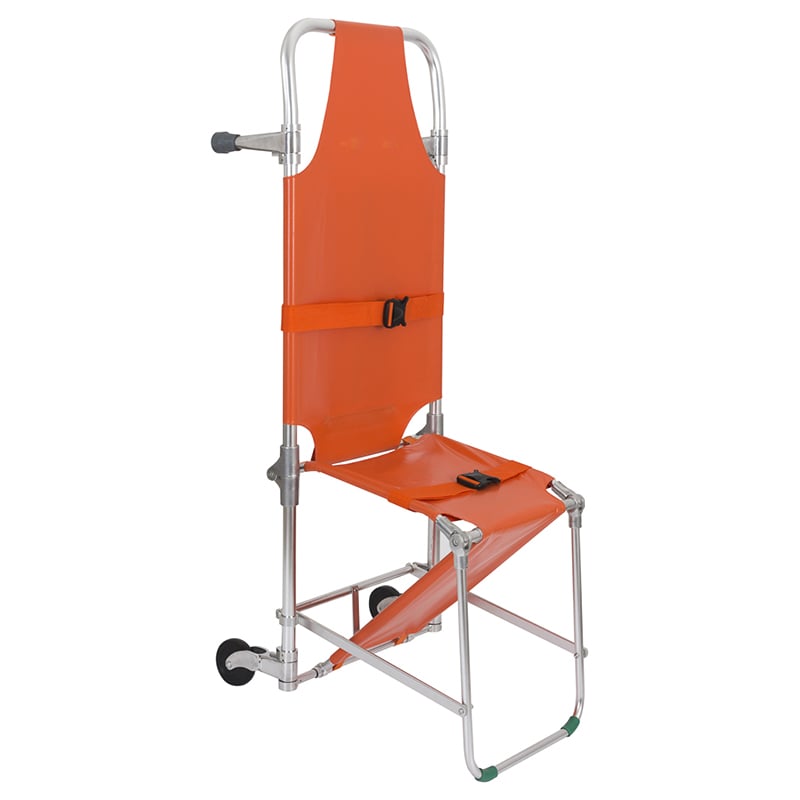
Rehabilitation: In physical therapy settings,  cervical collars can be used as part of  a broader treatment plan to ensure safety while patients regain strength and mobility.  For example, using a reliable stretcher like the YXH-5P Stair Stretcher can facilitate patient transfers during rehabilitation.

By understanding the specifications, sourcing options, cost factors, common issues, and applications  of cervical collar neck braces, B2B buyers can make informed decisions that align  with their healthcare needs and patient care standards.