Choosing Reliable Cervical Support Collars for Safety

Zhangjiagang Xiehe Import & Export Co., Ltd.

application/cervical-support-collar, application/cervical-support-collar, 
Inquiry
Inquiry

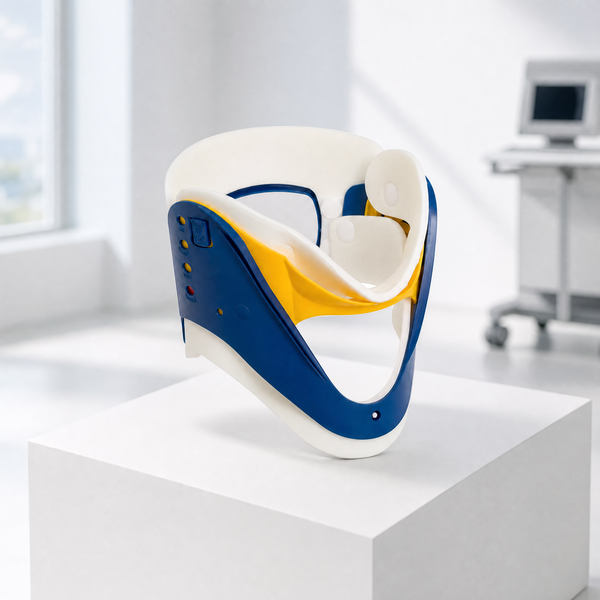
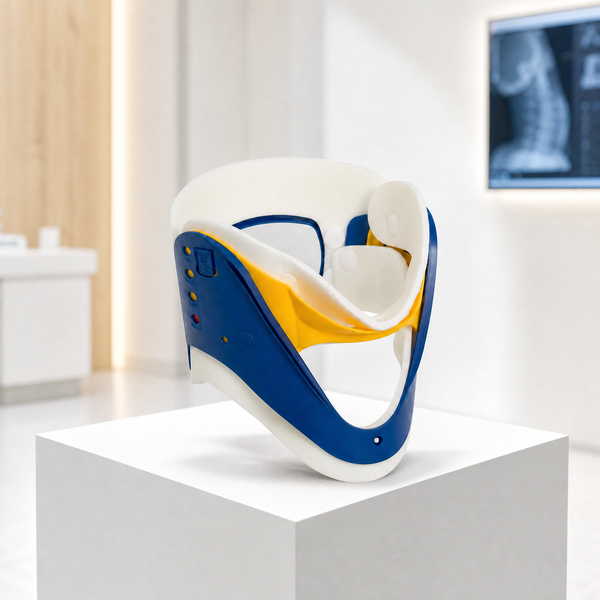
cervical support collar

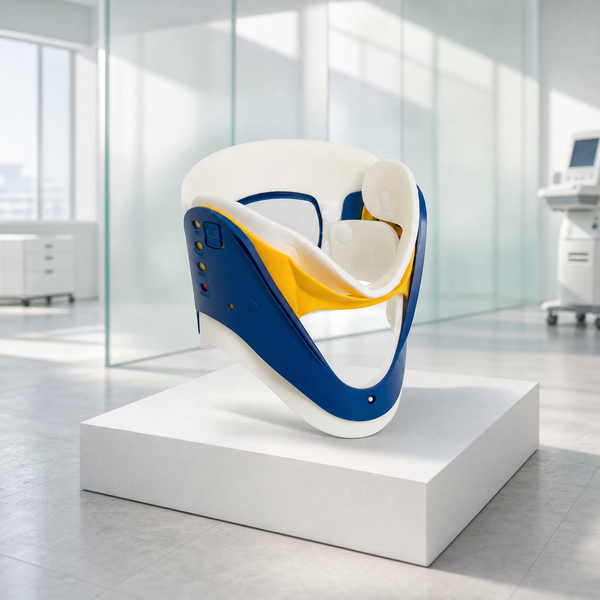
Cervical support collars  are essential  medical devices designed  to  stabilize and  immobilize the neck and cervical  spine  in various  clinical settings.  As a B2B buyer, you  may have concerns about the  quality, material, and application  of these collars.  This article will address your  key considerations in sourcing  cervical support collars,  providing insights  into selecting reliable suppliers, understanding material advantages, troubleshooting common issues, exploring  their applications, and  ensuring quality control in  manufacturing.

Why choose XieHe cervical support collar

Finding Reliable Suppliers for Cervical Collars

When sourcing cervical support collars, it's vital to evaluate suppliers based  on  their certifications, manufacturing  capabilities, and reliability. Look  for suppliers  with CE, FDA, or  ISO certifications,  as these indicate adherence to international quality standards. Zhangjiagang Xiehe Import Export Co., Ltd., for instance, is certified under  these  standards,  ensuring their products meet rigorous safety and quality benchmarks. Additionally, consider exploring our Funeral Home Products for more related medical supplies.

Additionally, assess  the supplier's  production capacity and  customization options. A capable supplier should offer a variety of models to meet different medical needs,  as well as the ability to  tailor products based  on specific requirements. Engaging with suppliers who have a proven  export history across  multiple countries can  also provide confidence in their ability to meet global  standards and demands.

Frequently Asked Questions

Our Blog Posts

What Our Partners Say

Comparing Material Advantages in Cervical Support Collars

Comparing Material Advantages in Cervical Support Collars

Cervical support collars can be made from various materials,  each contributing  to performance, comfort, and durability. Common materials include foam, plastic, and various composites. Foam collars, for example, offer lightweight comfort and are  typically suitable for minor injuries, while rigid plastic collars provide more substantial support for severe injuries.


When selecting collars, consider the following advantages of different materials:

Foam: Lightweight and comfortable, ideal for short-term  use and minor injuries.  However,  they may not provide adequate support for severe conditions.  Polyethylene: Offers rigidity and support, making it suitable for serious  cervical  spine injuries.  It is also  easy to clean  and maintain. Thermoplastic:  Combines  flexibility  and strength, allowing for a snug fit while  maintaining support. This material can be molded to the patient’s anatomy, providing enhanced comfort.

Selecting the  right material is crucial for ensuring the collar meets the  specific needs of the patient  while also considering factors like ease of cleaning and patient comfort.

Common Problems with Cervical Support Collars and Solutions

Common Problems with Cervical Support Collars and Solutions

Buyers should be aware  of several common issues associated with cervical collars:

Improper Fit: A collar that does not  fit well can lead to discomfort or ineffective immobilization. To mitigate  this, always confirm the sizing guidelines provided  by the manufacturer and consider offering samples for fitting trials.

Material Degradation: Over  time,  materials may degrade due to exposure to moisture  or improper cleaning methods. It is essential to  follow cleaning instructions and store  collars in a dry environment  to extend their lifespan.

Insufficient Support:  Some collars may not provide adequate support for specific injuries. When sourcing, ensure that the supplier provides clear specifications regarding the collar’s  application and intended use. This can help avoid issues  caused  by using a collar not designed  for the  injury type.

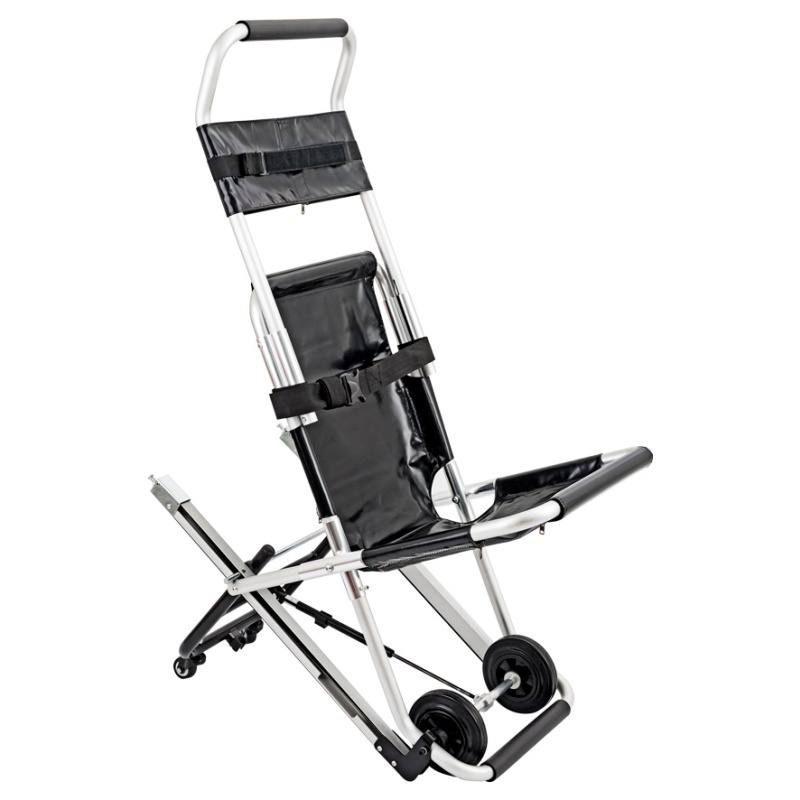
By  addressing these common problems proactively, you  can make informed  decisions that enhance the effectiveness of cervical collars in medical settings. Additionally, our Manual Stair Chair can be a valuable tool in emergency situations where cervical support is critical.

 
Applications of Cervical Support Collars in Medical Settings

Applications of Cervical Support Collars in Medical Settings

Cervical support collars are widely used  in various  medical scenarios.  Their primary applications include:

Emergency Care: In  pre-hospital settings, cervical collars  are crucial for  immobilizing  patients  with suspected neck  or spinal injuries  to prevent further damage  during transport.  Post-Surgical Recovery: After cervical spine surgery, collars help maintain proper alignment and support healing by limiting movement. Chronic  Conditions: Patients with  chronic  neck pain or conditions like cervical spondylosis may benefit from  using collars to provide temporary support  during flare-ups.

Understanding these applications can help buyers select the appropriate type of  collar for  their specific medical needs, ensuring effective  patient care.

Quality Control Practices in Cervical Support Collar Manufacturing

Quality Control Practices in Cervical Support Collar Manufacturing

Quality control is paramount in the manufacturing of cervical  support collars, as these  devices play a critical role in patient safety. Effective quality control practices include:

Material Inspection:  Every  batch of  raw  materials  should undergo rigorous testing to ensure compliance with safety and performance standards. This involves  checking for defects and verifying material properties against specifications.

Production Process Monitoring: Continuous monitoring of the production process helps identify  any  deviations from quality standards.  Implementing in-line inspections can  catch  issues early, reducing waste and ensuring consistent product quality.

Final Product Testing: Before shipping, each collar should be tested for functionality, durability, and comfort. This may  include stress testing to simulate  real-world conditions, ensuring that the collars can withstand the demands of medical use.

Working with a supplier that implements  stringent quality control measures,  like Zhangjiagang Xiehe Import Export Co., Ltd., can provide buyers with confidence in the reliability and safety of the cervical support collars they purchase.

Sourcing cervical support collars involves careful consideration of supplier reliability, material  advantages, common problems, applications, and quality control practices. By understanding these factors, you can  make informed purchasing decisions that enhance patient care  and safety in medical settings.