Choosing the Right Neck Cervical Brace for Your Needs

Zhangjiagang Xiehe Import & Export Co., Ltd.

application/neck-cervical-brace, application/neck-cervical-brace, 
Inquiry
Inquiry

neck cervical brace

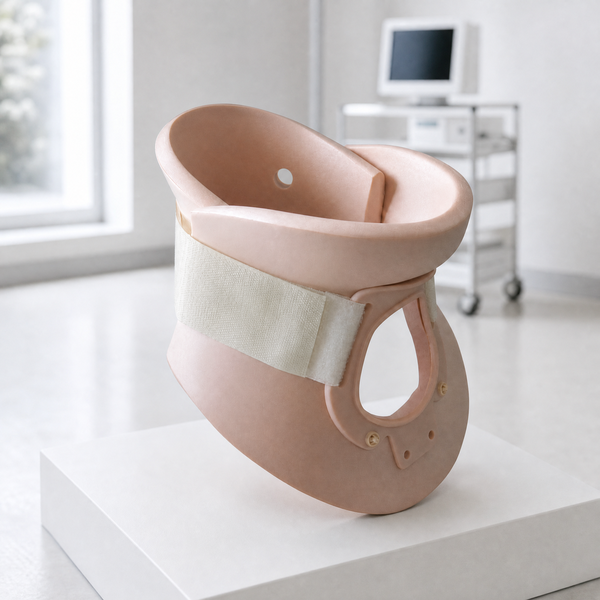
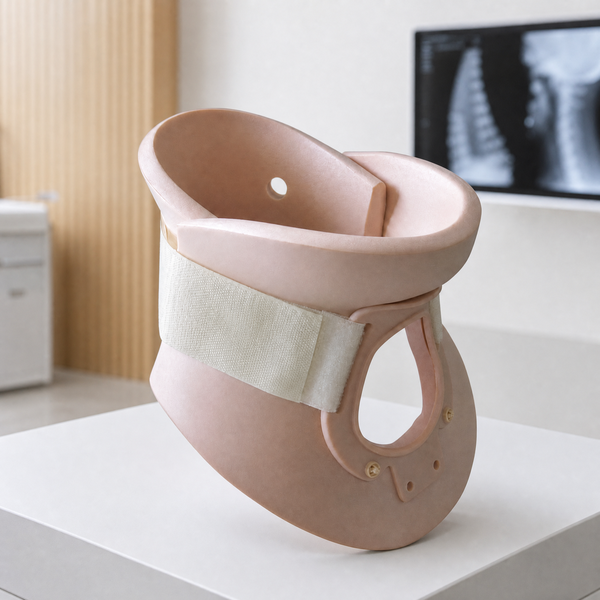
Neck cervical braces are essential  medical devices designed to support and stabilize the  cervical spine, often used  in  emergency  medical situations,  rehabilitation, or post-operative  care.  For B2B  buyers, including  purchasing managers and distributors, understanding the intricacies of neck cervical  braces is  vital when evaluating options for hospitals, clinics,  and emergency  response  kits. This article will  help you  navigate the selection  process, key specifications, cost factors, and common challenges associated with neck cervical braces,  ensuring  informed purchasing decisions.

Why choose XieHe neck cervical brace

How to Choose the Right Neck Cervical Brace for Your Needs

Selecting the right neck cervical brace involves assessing several critical factors. First,  consider the intended use—whether it's for emergency medical services, rehabilitation, or long-term  support. Each application may require different features,  such as immobilization strength and comfort.

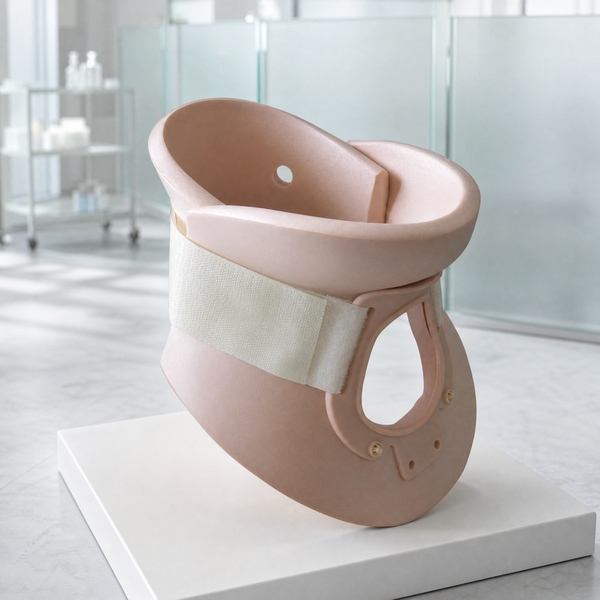
Next, evaluate the size and adjustability of the brace.  A proper fit  is  crucial for effective support; therefore, look  for braces that offer a  range of sizes or adjustable components to accommodate various  patient demographics. Additionally, consider the material  used  in the brace. Materials should  be lightweight yet durable, with a design that promotes airflow to  enhance comfort during use. For example, braces with excellent ventilation features can be particularly beneficial.

Finally, assess the manufacturer’s reputation  and certifications. For instance, Zhangjiagang Xiehe Import Export Co.,  Ltd. provides CE/FDA/ISO 13485-certified products, ensuring compliance with  international standards,  which  can give buyers confidence in the quality  and reliability of the braces. To explore a variety of reliable options, consider checking out our Funeral Home Products that include essential medical equipment.


Frequently Asked Questions

Our Blog Posts

What Our Partners Say

Key Specifications for High-Quality Neck Cervical Braces

Key Specifications for High-Quality Neck Cervical Braces

When evaluating neck cervical braces, certain specifications are critical to ensure their effectiveness and safety.  Key specifications  include:


Material  Composition: High-quality cervical braces are often made from thermoplastic materials that  provide both rigidity and comfort.  The  choice of material affects the brace’s durability and weight, influencing patient  comfort during extended use.

Thickness and Design: The thickness of the brace impacts its support level. Thicker braces typically offer more stability but may sacrifice comfort. A well-designed brace balances  these elements, providing adequate support without compromising user comfort.

Size Range: The brace should  be available  in multiple sizes to cater to a diverse patient population. Adjustable  straps are  beneficial  for achieving a secure fit.

Ventilation Features:  Look for  braces with ventilation  holes or breathable materials, as these features can help reduce moisture buildup, enhancing comfort during prolonged wear.

Understanding these specifications allows buyers to  make informed decisions based on the specific needs of  their healthcare  facility or emergency response team.

Pros and Cons

Pros and Cons

Every medical device has its  advantages and disadvantages. Here’s  a breakdown of the pros and cons of neck cervical  braces:

  Pros: Support and Stability: Neck cervical  braces provide essential support for the cervical spine, reducing the risk of further injury during transportation or recovery. Versatility: They can be used in various settings, including hospitals, clinics,  and emergency medical situations.  Customization Options: Many manufacturers, including Zhangjiagang Xiehe Import Export Co., Ltd., offer customization options  to meet specific patient needs, enhancing  the usability of the product. Cons: Comfort Issues:  Some users may find cervical braces uncomfortable,  especially if worn  for extended periods. Selecting a brace with adequate padding and ventilation can mitigate this issue. Limited Movement: While immobilization  is often necessary, excessive rigidity can hinder mobility  and  rehabilitation efforts. A balance between support  and movement is  crucial.  Cost Variability: High-quality neck  cervical braces may come with a higher price tag, which  can be a concern for budget-conscious buyers.
Cost Factors to Consider When Purchasing Neck Cervical Braces

Cost Factors to Consider When Purchasing Neck Cervical Braces

The cost of neck cervical braces can vary significantly based on several factors. Here are  key considerations  for  B2B buyers:

Material  Quality: Braces made from higher-quality materials typically cost more but offer greater durability and comfort.  Assessing the  long-term value versus initial costs is essential.


Manufacturing and Certification Standards: Products that meet stringent certifications, such as CE, FDA, and ISO 13485, may have a higher price due  to the quality assurance processes involved in their production.

Customization and Features: Customization options, such as specific sizing or additional features like moisture-wicking fabric, can influence costs. Determine  the necessity of these features based on  your buyer group's needs.

Minimum Order Quantities (MOQ): Many  manufacturers have  MOQs that  can affect pricing. Understanding the MOQ can  help in budget planning and negotiation with suppliers.

Shipping and  Handling:  Consider the shipping costs associated with importing medical supplies, especially  for  international orders. These can impact the overall budget.


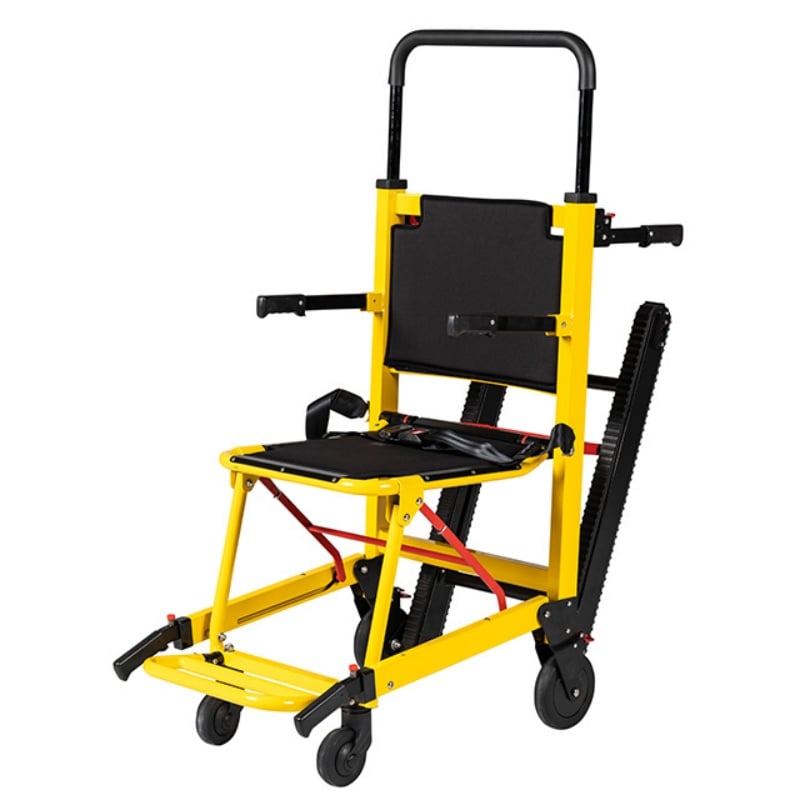
By factoring in these cost  elements, buyers can make more strategic purchasing decisions that align with their budget constraints while ensuring product quality. It is also wise to consider various options like the Manual Stair Chair for different mobility needs.

Common Problems with Neck Cervical Braces and Effective Solutions

Common Problems with Neck Cervical Braces and Effective Solutions

Despite their benefits,  neck cervical braces can  present certain challenges. Here are common issues and solutions:

Fit  and Sizing Issues: Improper fitting can lead to discomfort and  ineffective  support. To mitigate this,  ensure that patients are evaluated for proper sizing before distribution. Adjustable designs can also enhance fit  across various patient sizes.

Material-Related Discomfort: Some braces  may not breathe well, leading to discomfort during extended wear. Opt for  braces made from breathable materials  or those designed with ventilation for improved  comfort.

Durability Concerns:  Frequent use can lead to wear and tear. Choosing high-quality, durable materials can help extend the lifespan of the brace. Regularly inspect braces for signs of damage, and  establish a replacement schedule based on usage.

Patient Resistance: Some patients may be resistant to wearing cervical braces,  perceiving them as uncomfortable or cumbersome. Education on the importance of the brace for  their recovery can help foster compliance. Selecting  a brace that prioritizes  comfort can also encourage usage.

By being aware of these common problems, buyers can proactively seek  solutions when selecting neck cervical braces, ensuring better outcomes for patients and healthcare  providers alike.

In summary, understanding the various aspects of neck cervical braces—from selection criteria and specifications to potential challenges—enables B2B buyers to make informed  decisions that meet the needs of their organizations effectively.