C Collar Neck Brace: Key Sourcing Considerations

Zhangjiagang Xiehe Import & Export Co., Ltd.

application/c-collar-neck-brace, application/c-collar-neck-brace, 
Inquiry
Inquiry

c collar neck brace

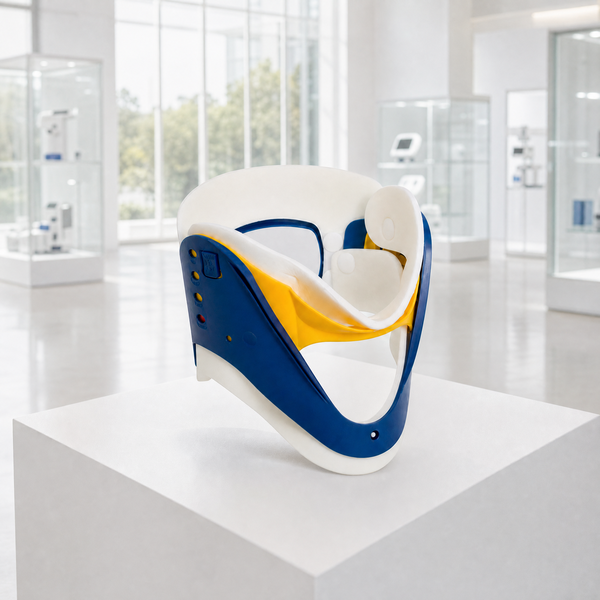
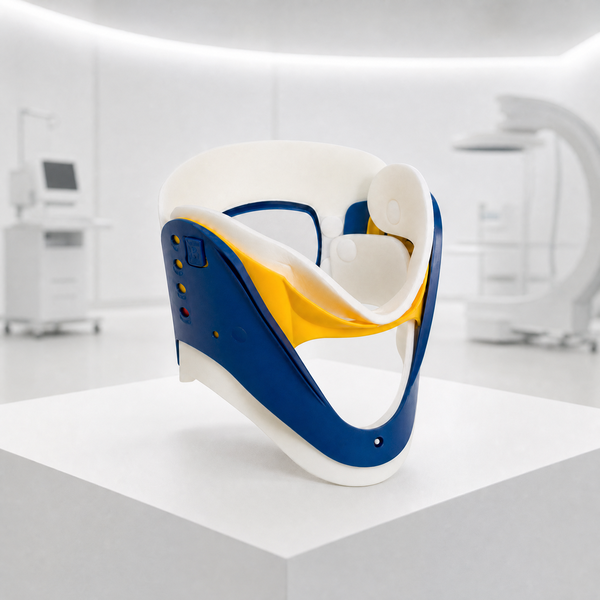
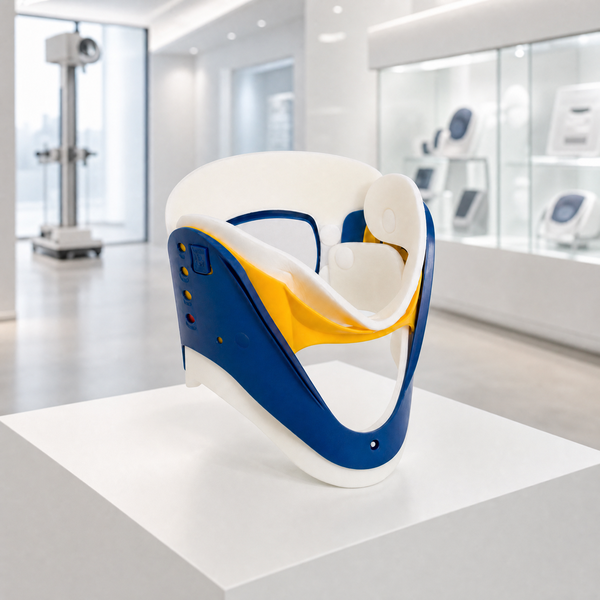
C collar neck braces,  also  known as  cervical collars, are  essential medical  devices used  to  immobilize and support the neck  and cervical spine following  injury or surgery. For B2B buyers, particularly  purchasing managers and distributors  in the  medical or emergency sectors,  sourcing high-quality C collar neck  braces  involves understanding key  specifications, evaluating product quality, and considering  cost factors. This article will guide you through these critical aspects,  helping you make informed purchasing  decisions.


Why choose XieHe c collar neck brace

Key Specifications to Consider When Sourcing C Collar Neck Braces

When sourcing C collar neck braces, several specifications are crucial  to consider:

Material Composition: Most cervical collars are made from lightweight,  durable materials such as polyethylene or foam. The choice of material  affects comfort, breathability, and thermal properties. For instance, a foam  collar provides cushioning while a rigid polyethylene collar offers more support.

Size and Adjustability: C collar neck braces come in various  sizes to accommodate  different patient needs. Adjustable designs can enhance comfort and effectiveness by ensuring a snug fit. It is important to verify the sizing chart  provided by  the manufacturer and understand the range of adjustments available.

Stability and Support Level: Different collars provide varying degrees of support. Rigid collars offer maximum  immobilization, while soft collars allow for more mobility. Understanding the intended application is essential for  selecting the correct  type.


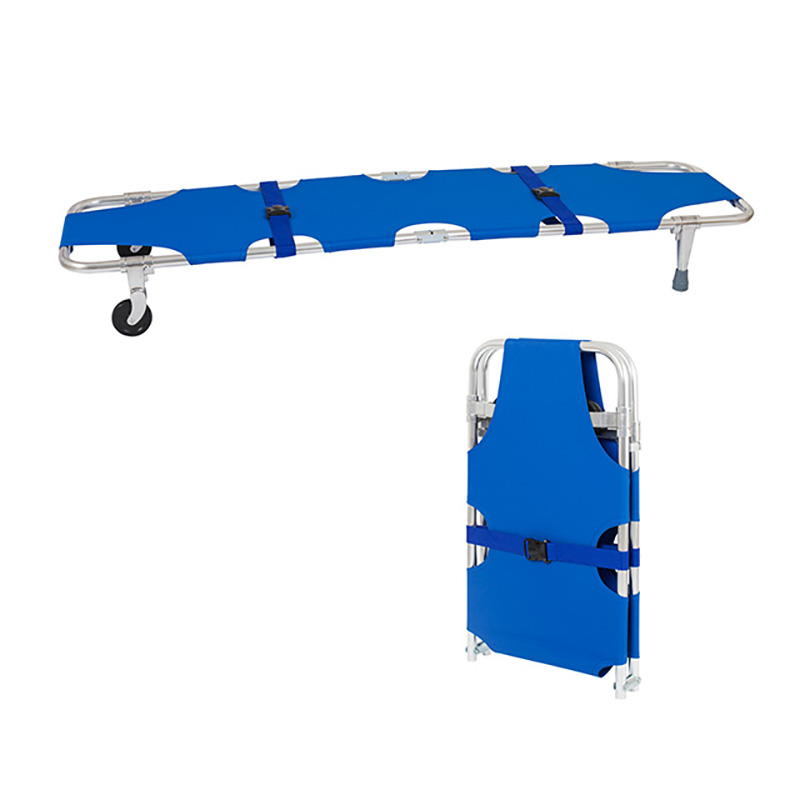
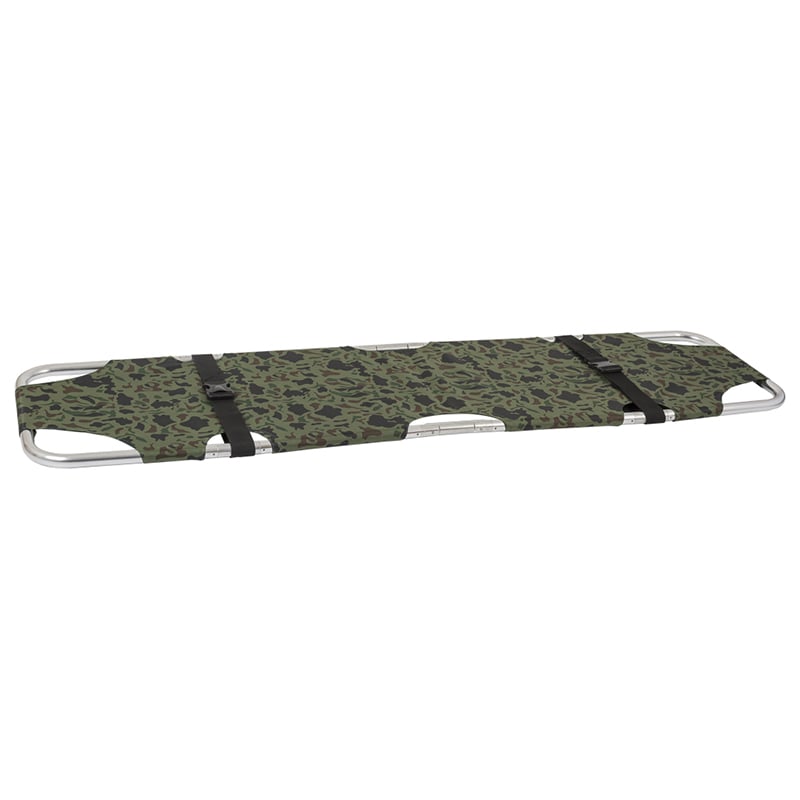
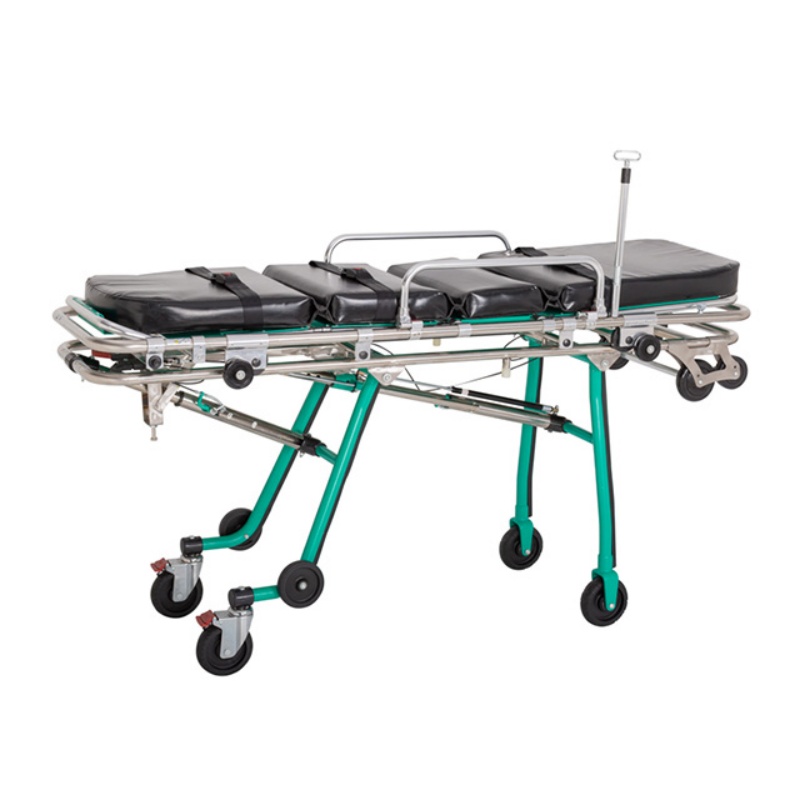
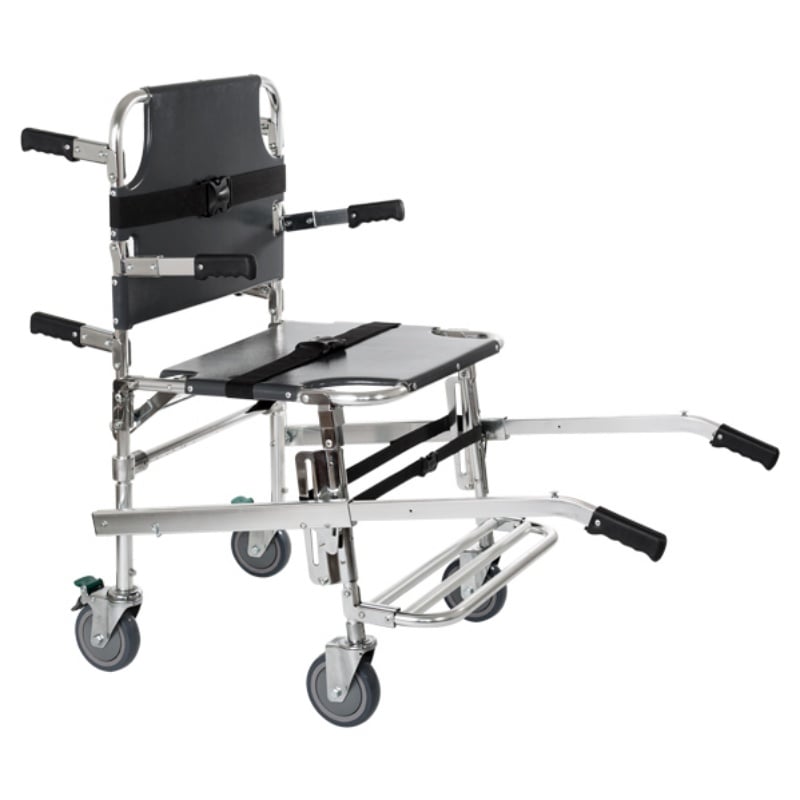
Design Features: Some collars may include features like chin support, which can enhance  patient comfort, or ventilation holes for increased airflow. These can be particularly important in  emergency settings. For example, using a reliable Stretcher alongside neck braces can optimize patient transport.

Certifications: Ensure  that  the collars  meet relevant medical standards, such  as CE, FDA, or ISO certifications, indicating compliance with safety and quality regulations.

By confirming these specifications, buyers can ensure the selected C collar neck brace will meet their operational needs and patient care  requirements.

Frequently Asked Questions

Our Blog Posts

What Our Partners Say

How to Evaluate the Quality of C Collar Neck Braces for Distribution

How to Evaluate the Quality of C Collar Neck Braces for Distribution

Quality evaluation of C collar neck  braces  should involve several key  steps:

Supplier Reputation: Assess the supplier's experience in manufacturing  medical devices. Companies like  Zhangjiagang Xiehe Import Export Co., Ltd., with CE/FDA/ISO certifications, are more likely to adhere to high-quality  production standards.

Material Testing: Inquire about the quality control measures  in place for raw materials. Understanding the sourcing  of materials can provide insight into durability and safety, which are  critical for medical applications.

Product Samples:  Before placing bulk orders, request samples  to evaluate the product firsthand. Check for consistency in  dimensions, comfort, and overall finish. Testing under actual operating conditions can also help assess performance.

User Feedback: Collect feedback  from healthcare professionals who have used the collars. Their insights can reveal practical considerations, such as comfort and effectiveness, that  may not be apparent  from specifications alone.

Warranty and Support: Consider the manufacturer's warranty and after-sales  support. A reliable supplier should offer assistance with any quality  issues or  concerns that may arise  after purchase.

By conducting thorough evaluations, buyers can mitigate risks associated with product  quality and ensure they distribute effective and reliable C collar neck braces.

Cost Factors to Consider When Purchasing C Collar Neck Braces in Bulk

Cost Factors to Consider When Purchasing C Collar Neck Braces in Bulk

When planning to purchase C collar neck braces  in bulk, several cost  factors should be considered:

Unit Price and  Volume Discounts: Bulk purchases often  come with discounted pricing. It's important to determine the minimum order quantity (MOQ) to  qualify for these discounts and evaluate if the savings justify the upfront investment.

Shipping Costs: Depending on the supplier's location and the destination, shipping costs can significantly impact the overall  budget. Consider negotiating  shipping  terms or exploring different logistics options to minimize expenses.

Customizations: If your organization requires specific features or branding on the collars, factor in the associated costs  of customization. Customization may include alterations in design, material choices, or packaging, all  of which  can affect pricing.

Quality Assurance Costs:  If you plan to  conduct in-house  quality inspections or third-party testing,  include  these potential costs in the total budget. Ensuring product quality can save costs on returns or replacements later.

Regulatory Compliance: Be aware of any additional costs associated with  ensuring compliance with medical regulations specific to  your region. This may include testing, certifications, or documentation.

Understanding these cost factors will help you  allocate your budget more effectively, ensuring a successful procurement process  for C collar neck braces.

Best Practices

Best Practices

To ensure  a smooth purchasing process for C collar neck  braces, consider the following best practices:

Detailed RFQ Preparation: When requesting quotations, provide detailed specifications including material, size, and required performance features.  This clarity  will lead to more accurate quotes and reduce back-and-forth communications.

Sample Evaluation: Always evaluate samples before finalizing an order. This step  can help identify any potential issues related to fit, comfort, or material quality.


Establish  Relationship with Suppliers: Building a good relationship with your suppliers can enhance communication and lead to better service.  Regular discussions about product performance and future needs can also  lead to tailored solutions.

Monitor Inventory Levels: Keep track of inventory levels to avoid stockouts, particularly for essential medical  supplies like C collar  neck braces.  Implementing an inventory management system  can streamline this process.

Stay Informed on Industry Standards: Regularly review updates on industry  standards  and regulations to ensure compliance.  This knowledge can help you avoid potential  legal  issues and ensure patient safety.


Implementing these best practices will facilitate a more efficient procurement  process and enhance your ability to provide quality medical supplies.

Common Problems with C Collar Neck Braces and Their Solutions

Common Problems with C Collar Neck Braces and Their Solutions

Despite their importance, C collar  neck braces can present certain challenges. Here are some common problems and their solutions:

Fit Issues: A poorly fitting collar  can compromise patient comfort and efficacy. To address this, ensure that the collar  is adjustable and that the sizing information is clear. Include fitting instructions with products to aid healthcare providers in achieving the best fit.

Material Sensitivities:  Some patients may experience discomfort or allergic reactions to certain  materials. Offering collars made from hypoallergenic materials can alleviate these concerns. Always provide clear  labeling of  materials used in the products.

Durability Concerns: Frequent use can lead  to wear and tear. To mitigate this, select high-quality  materials and ensure robust manufacturing processes.  Regularly assess the performance of your products  in the  field and gather feedback  for continuous improvement.

Storage and Transport:  C collar neck braces can be  cumbersome  to store and transport.  Consider packaging solutions that minimize space while protecting  the product integrity. This may involve customized packaging designs that are both efficient and protective.

Lack of Awareness: Healthcare providers may not be familiar with the latest models or features. Providing  educational resources, training, or product demonstrations can enhance the understanding and effective use of C collar neck braces. Additionally, incorporating relevant products like First Aid Products can further support healthcare providers in their efforts.

By anticipating these common  problems and implementing proactive solutions, buyers can enhance the overall user experience and ensure that C collar neck braces serve their intended purpose effectively.