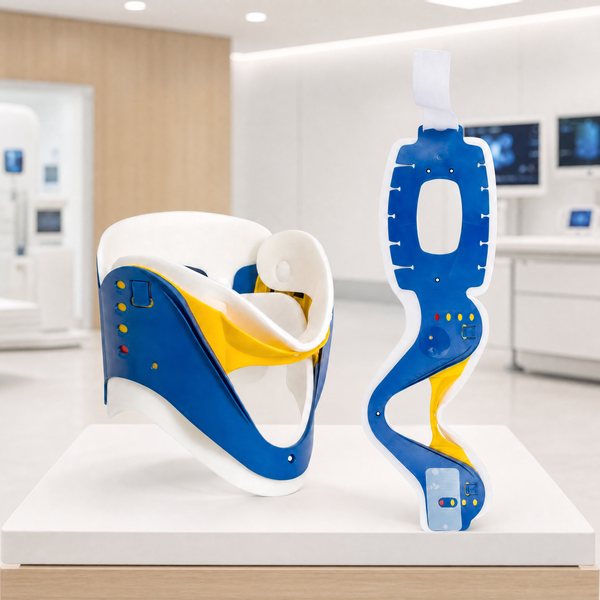
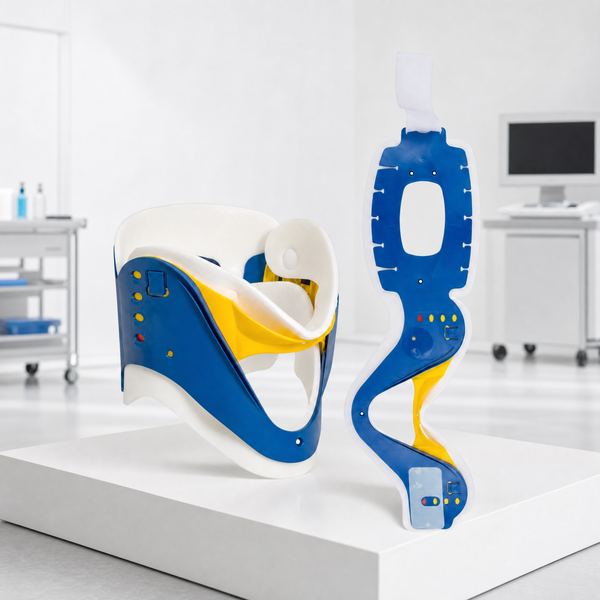
Key Factors in Choosing Neck Collar Braces

Zhangjiagang Xiehe Import & Export Co., Ltd.

application/neck-collar-brace, application/neck-collar-brace, 
Inquiry
Inquiry

neck collar brace

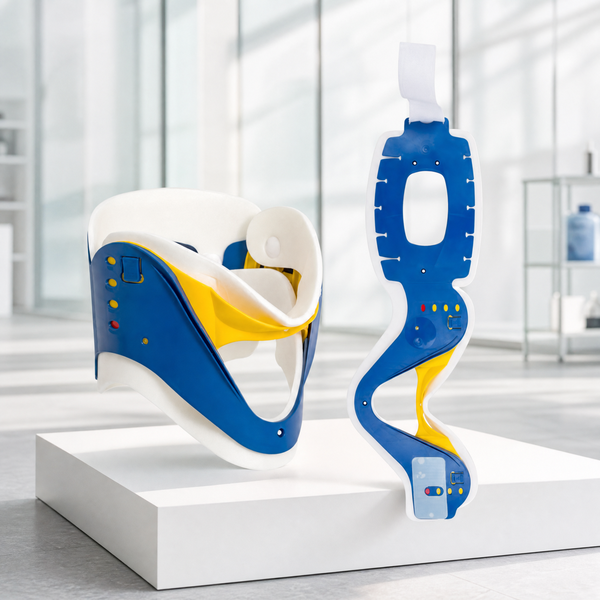
Neck collar braces  are  essential medical devices used to support and immobilize  the cervical spine in cases of injury or post-operative  care. For B2B buyers—such as purchasing  managers, distributors,  and  healthcare  providers—understanding  the various factors involved in selecting  the right neck  collar  brace is crucial.  This  article will  explore key considerations, including cost factors, material  advantages, common issues, reliable suppliers, and quality control standards. By the end,  readers will be  equipped with  the knowledge to make informed purchasing decisions about neck collar braces. For those interested in additional medical supplies, exploring our Funeral Home Products may also be beneficial.

 

Why choose XieHe neck collar brace

Cost Factors to Consider When Purchasing Neck Collar Braces

When evaluating the  cost of neck collar braces, several  factors come into play. First,  the material  used  significantly impacts pricing. High-quality, durable materials may  cost more upfront but often  provide better support and  longevity, reducing the need for frequent replacements. Customization options can also  affect the  price; tailored solutions designed to meet  specific patient needs might incur additional costs but can enhance  overall effectiveness.

Another consideration is the minimum order quantity (MOQ). Suppliers  may offer discounts on bulk purchases, so understanding your typical usage rates  can lead to better budgeting. Additionally, shipping  costs, particularly for international orders, should be factored in, as they can  vary widely based on the destination and  shipping method. Lastly, it’s  important to evaluate the total cost of ownership, which includes the initial purchase  price, potential maintenance costs, and the  expected lifespan of the braces.

Frequently Asked Questions

Our Blog Posts

What Our Partners Say

Evaluating Material Advantages of Our Neck Collar Braces

Evaluating Material Advantages of Our Neck Collar Braces

The  material composition  of neck collar braces plays  a vital role in their performance. Common materials include polyethylene, foam, and composite materials. Polyethylene is often chosen for its lightweight and rigid properties, providing excellent support  while minimizing discomfort. Foam materials, on the  other hand, offer enhanced cushioning and adaptability,  making them  suitable  for  patients who require prolonged wear.

When selecting a neck collar brace, consider the specific requirements of the intended application. For instance, braces designed  for post-surgical recovery may benefit from softer  materials that facilitate comfort,  while those used in emergency medical  situations may  prioritize rigidity and  structural integrity. Additionally, the  material's breathability can impact patient comfort, especially in long-term use scenarios. Understanding these material advantages  can help in selecting the  appropriate neck collar brace  to meet diverse patient  needs.

Common Problems with Neck Collar Braces and Effective Solutions

Common Problems with Neck Collar Braces and Effective Solutions

Despite their  effectiveness, neck collar braces can  present several  common  issues. A frequent problem  is inadequate fit, which can lead  to discomfort or ineffective support. Buyers should ensure that the braces  come in various sizes or offer adjustable features to accommodate different patient profiles. It’s essential to verify that  the  supplier provides clear sizing charts and recommendations to facilitate proper  selection.

Another concern  is durability. Over time, materials may  degrade, especially with frequent use or exposure to moisture. Buyers should look for products that are not only made from high-quality materials but also have undergone rigorous testing for wear and tear. It’s advisable to inquire about  warranty policies that cover  material defects or premature failure.

Lastly, some users experience skin  irritation due  to prolonged contact with the brace. Selecting neck collar braces with hypoallergenic materials or soft lining can mitigate  this issue. Additionally, educating patients on proper usage and  maintenance can further enhance  their experience  and ensure optimal performance.

Reliable Suppliers for Bulk Orders of Neck Collar Braces

Reliable Suppliers for Bulk Orders of Neck Collar Braces

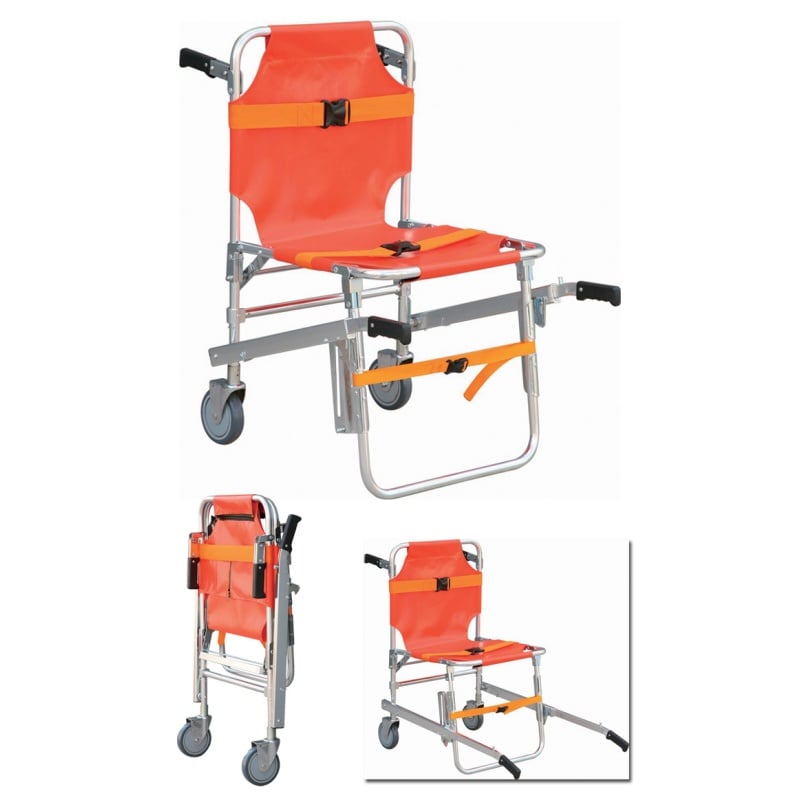
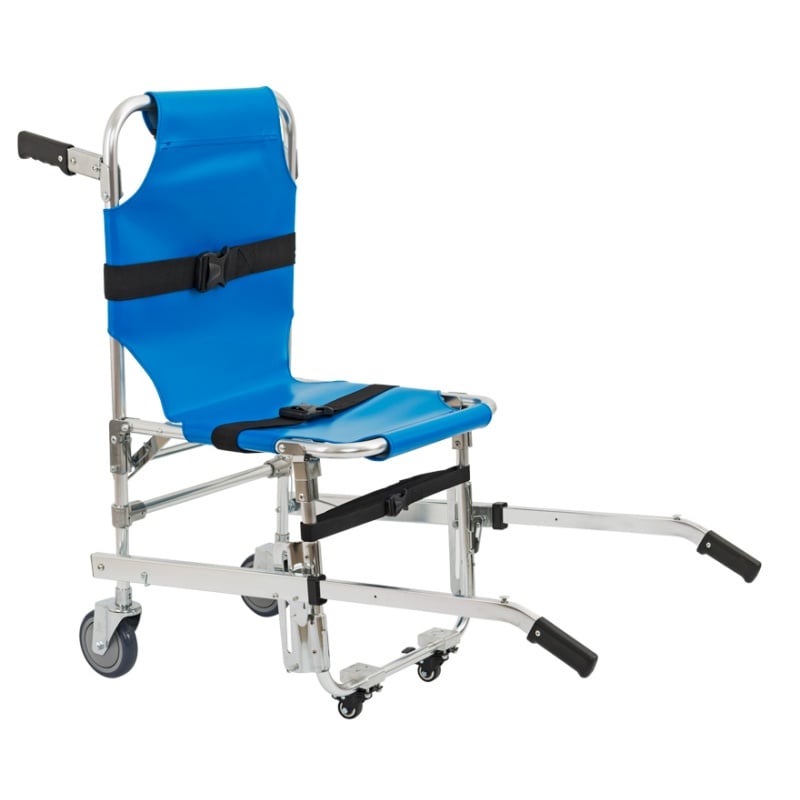
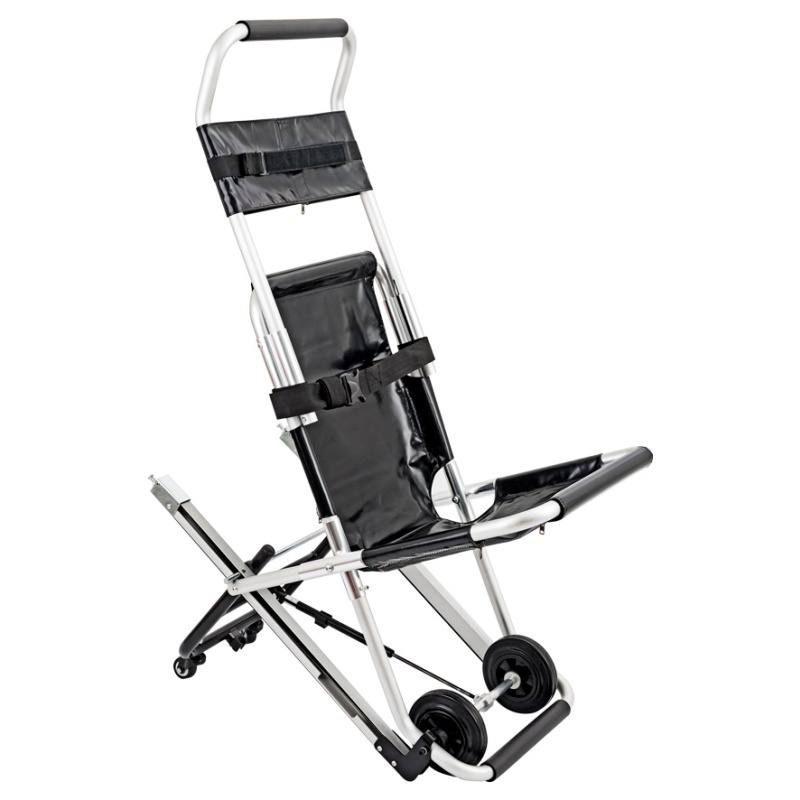
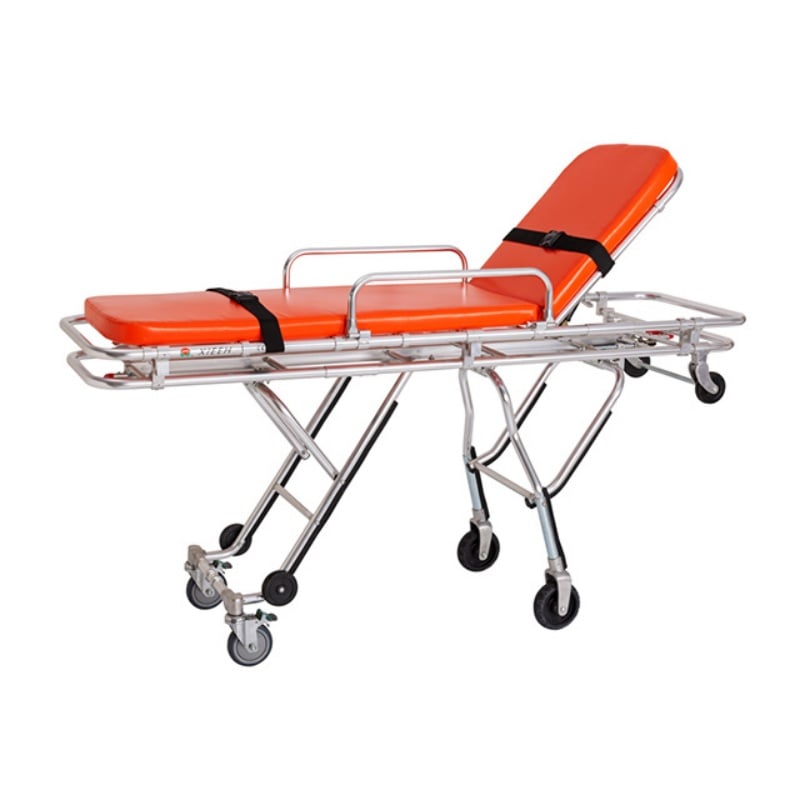
Finding reliable suppliers for  neck  collar braces is crucial for consistent product availability and quality. Buyers should  seek manufacturers with a proven track record in the medical supplies industry, particularly those specializing in orthopedic products.  A supplier's certifications,  such  as CE, FDA, and ISO 13485, indicate  adherence to  international quality standards  and can provide reassurance of product safety and efficacy. Additionally, exploring options for products such as Manual Stair Chair may offer additional solutions for patient mobility.

Engaging with suppliers who offer customization options can  also be beneficial. Tailored features, such as specific sizes or materials, can address unique patient needs and enhance product performance. Furthermore, assessing the supplier’s production capacity is vital, particularly for bulk orders. Understanding  lead times and their ability  to meet demand  fluctuations ensures that you can  maintain adequate inventory  levels.

Conducting  thorough  supplier evaluations, including checking references and reviewing customer feedback, can provide  insights into their reliability. Establishing a good relationship with suppliers can also facilitate better communication and support when  issues  arise.

Understanding Quality Control Standards for Neck Collar Braces

Understanding Quality Control Standards for Neck Collar Braces

Quality control is paramount when sourcing neck  collar braces. Buyers should familiarize themselves  with the quality assurance processes employed by potential suppliers. This includes understanding the testing protocols for materials, production  processes,  and final products. Regular audits and  inspections during manufacturing can help ensure  adherence to industry standards  and  specifications.

It’s essential to confirm that  the products meet relevant regulatory requirements for medical devices.  Compliance with  international  standards, such as ISO 13485, indicates that the  manufacturer  maintains  a comprehensive quality management system. Buyers should request documentation  that verifies compliance and quality testing results to ensure confidence in product performance.


Additionally, consider the supplier's approach to handling quality issues. Having a well-defined protocol for  managing defects, returns, and  customer complaints is crucial for maintaining product integrity and customer satisfaction. By  prioritizing quality control in the procurement process, buyers can minimize risks associated with inferior products and ensure the safety and effectiveness of neck collar braces.