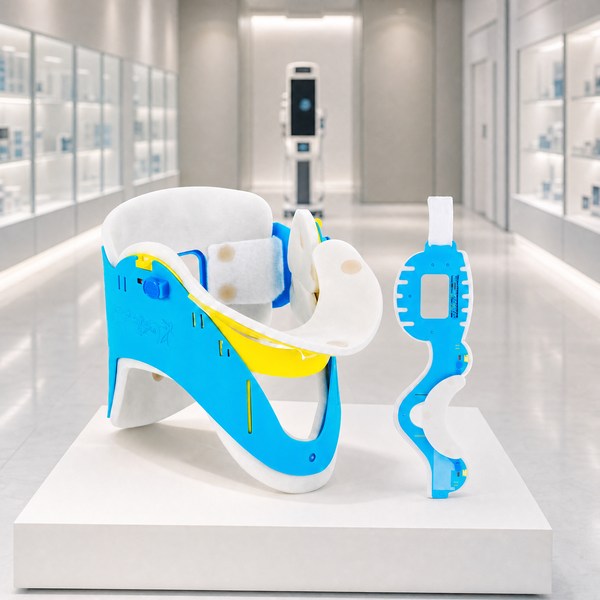
Key Considerations for Medical Neck Braces

Zhangjiagang Xiehe Import & Export Co., Ltd.

application/medical-neck-brace, application/medical-neck-brace, 
Inquiry
Inquiry

medical neck brace

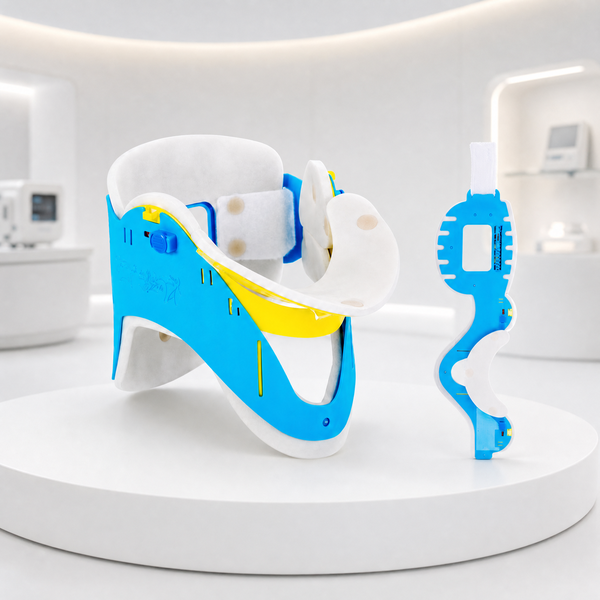
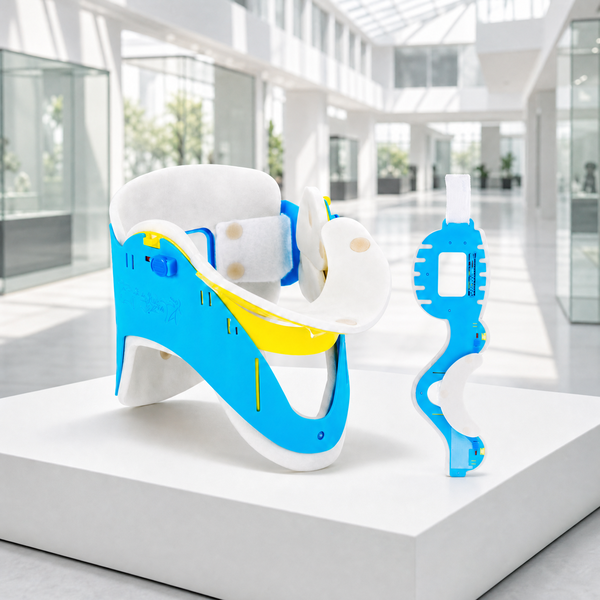
Medical neck braces are essential medical devices designed to  immobilize and  support  the cervical  spine following injuries,  surgeries, or chronic  conditions. For purchasing managers, distributors, and  healthcare professionals, understanding  the  critical  specifications, material options, and quality standards is  vital for selecting  the right medical neck brace for diverse  patient needs. This article will guide you through the key  considerations for  sourcing medical neck braces,  ensuring  you  make informed purchasing  decisions that meet  both clinical and regulatory requirements.

Why choose XieHe medical neck brace

Key Specifications to Consider When Sourcing Medical Neck Braces

When sourcing medical neck braces,  several key specifications should be evaluated to ensure they meet the intended  application. Here  are some critical factors:


Size and Adjustability: Neck braces come in  various sizes, and selecting the appropriate size is crucial for  effectiveness  and patient comfort. An adjustable design can accommodate different neck circumferences, which is particularly beneficial in a clinical setting where multiple  patients may require the same device.


Material: The material used in the neck brace impacts  its comfort, durability, and effectiveness. Common materials include foam, plastic, and fabric. Each material has distinct properties  that affect support level and moisture-wicking capabilities.


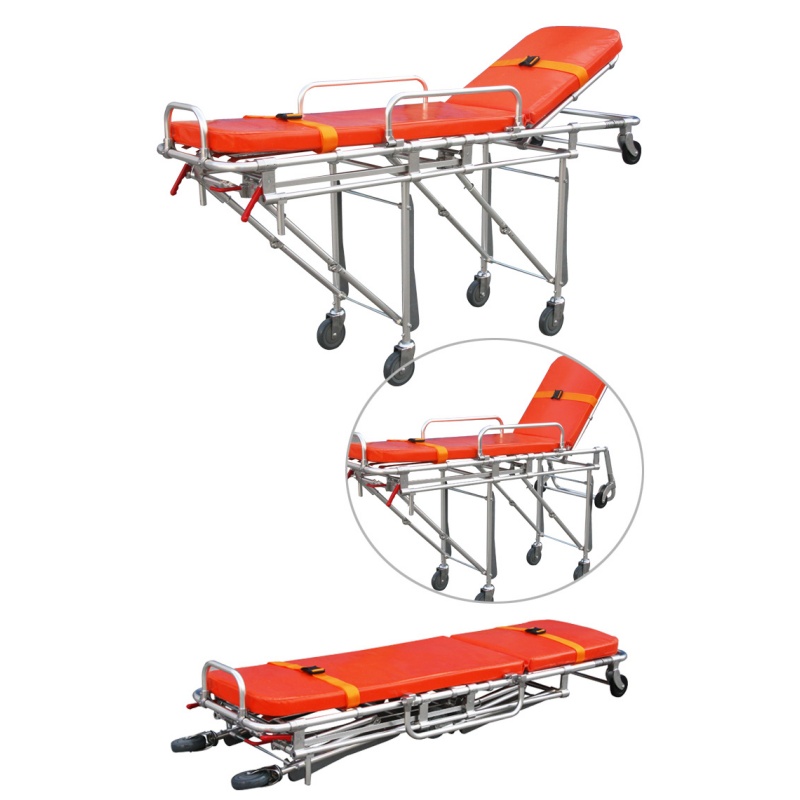
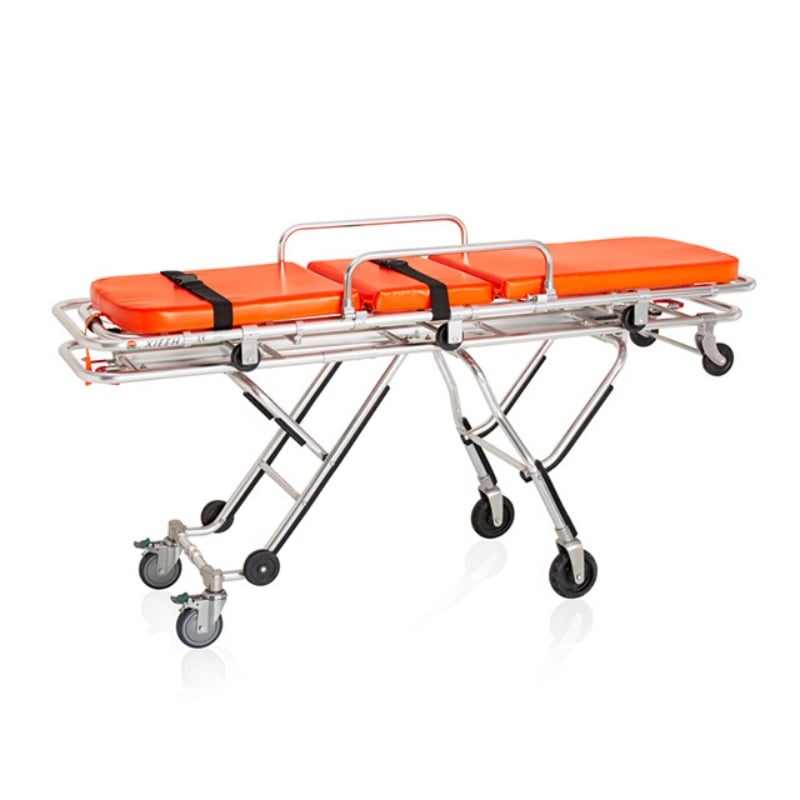
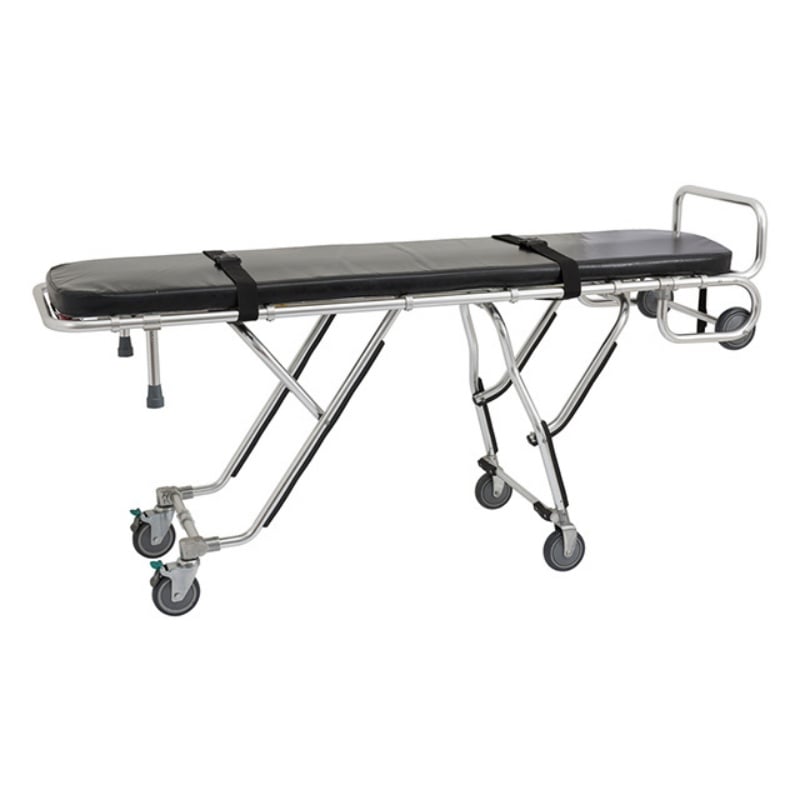
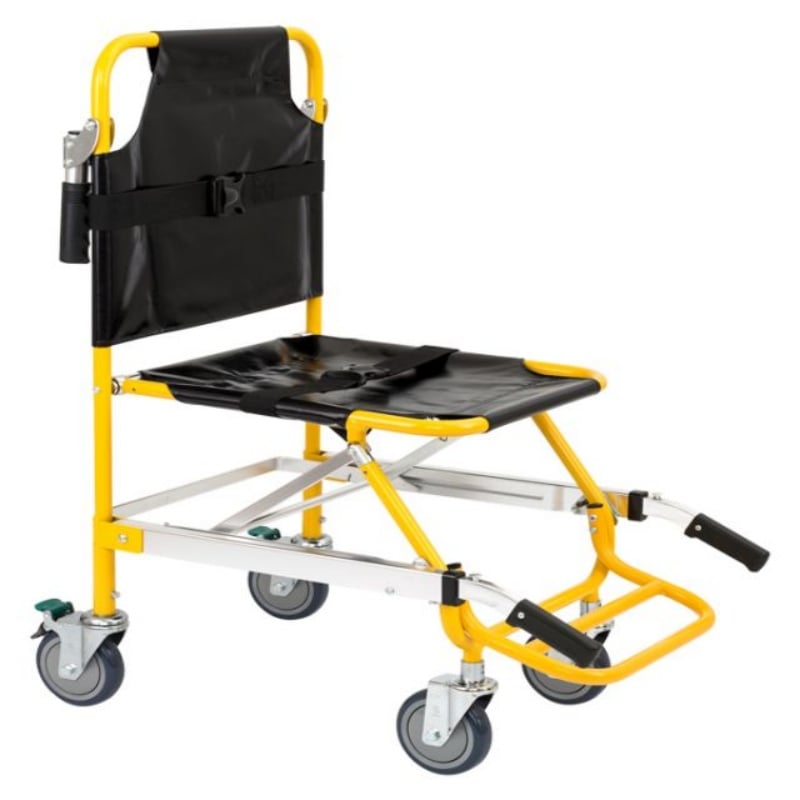
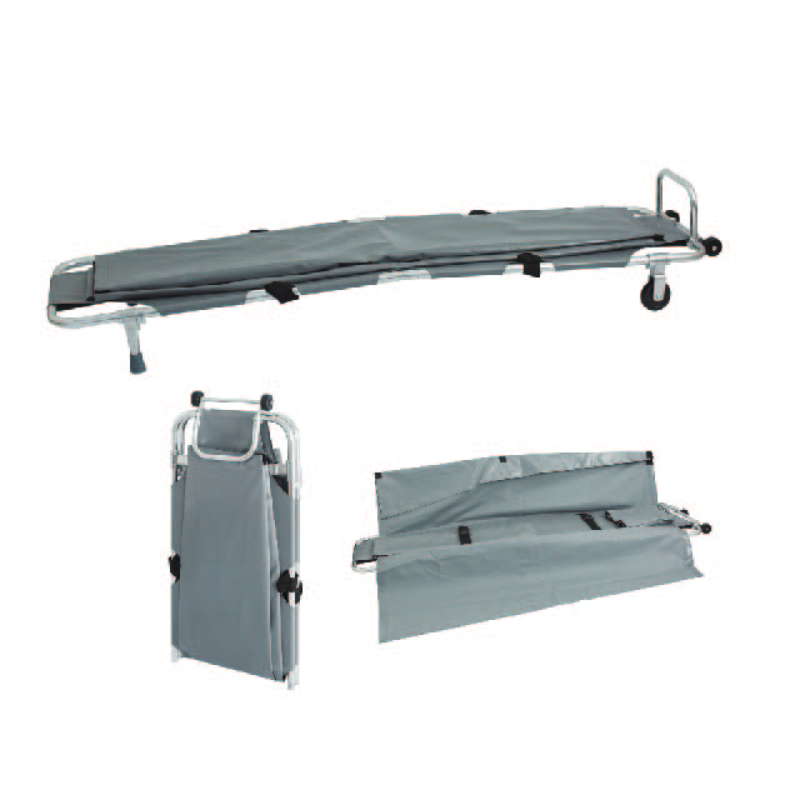
Support Level: Medical neck braces vary in the amount of support  they  provide. Rigid braces offer maximum immobilization for severe  injuries, while soft braces allow for some movement, which may be more suitable for recovery from less severe conditions. Understanding the support level is essential, much like selecting the right Stretcher for patient transport.

Weight: Lighter braces enhance patient comfort, especially  for long-term wear. However, the choice should balance weight with the necessary support level.

Ventilation: Proper airflow prevents skin irritation,  especially in extended  wear scenarios. Ventilation features can enhance patient comfort and hygiene.

Frequently Asked Questions

What is the medical neck brace used for?

Our medical neck brace stabilizes the cervical spine, reduces pain, and supports recovery after injury, surgery, or in cases of chronic neck strain. Suitable for emergency and clinical use.
We offer multiple sizes with adjustable closures and high-grade, breathable foam and medical-grade plastics. Custom materials and sizing are available per CE/FDA/ISO 13485 standards.
Yes. We produce under CE, FDA, and ISO 13485 certifications, ensuring regulatory compliance and consistent quality for clinical and emergency use.
Yes. We provide customization on design, labeling, and packaging for bulk orders, supporting distribution across global markets with flexible MOQ and lead times.
Remove any detachable pads and hand wash with mild detergent, air dry away from direct heat. Inspect straps and padding regularly and replace if damaged to maintain clinical effectiveness.

Our Blog Posts

What Our Partners Say

How to Choose the Right Medical Neck Brace for Your Needs

How to Choose the Right Medical Neck Brace for Your Needs

Selecting the right medical neck brace involves understanding the specific needs of the patient and the context of use. Here are some factors to consider:

Clinical Condition: Evaluate the specific injury or condition. For instance,  a post-operative patient may require a more  rigid brace to limit movement, while someone recovering from a minor strain may benefit from a  soft, flexible support.

Duration of  Use: Consider how long  the brace will be worn. For short-term  use, comfort may take precedence, whereas long-term  use may necessitate a more durable brace.

Patient Comfort: Comfort  is critical, especially for patients who may need  to wear  the brace for extended periods. Look for braces with  soft linings  and adjustable straps to enhance fit.


Feedback from Medical Professionals: Collaborate with healthcare providers to understand their  experiences with different types of neck braces. They can offer insights  into which designs  work best for  specific conditions based on patient feedback.

Regulatory Compliance: Ensure that the neck brace meets relevant medical device regulations, such as CE  and FDA certifications, to guarantee safety and  efficacy.

Evaluating Quality Standards in Wholesale Medical Neck Braces

Evaluating Quality Standards in Wholesale Medical Neck Braces

Quality assurance is paramount  when sourcing medical neck braces. Here are some standards and practices to consider:

Certifications: Look for manufacturers that hold certifications such as ISO 13485,  CE, and FDA  approval. These certifications  indicate that the  manufacturer adheres to international quality management standards, ensuring the safety  and efficacy of their products.

Material Quality: Assess the quality of materials used in the  neck  brace. High-quality materials not only improve durability but also enhance patient comfort and safety.

Manufacturing  Processes: Inquire about the manufacturing processes employed by the supplier. Advanced production techniques, such as automated assembly and rigorous  quality  control  checks, can help ensure consistent  product quality.

Testing Procedures: Understand the  testing procedures that the neck braces undergo before reaching the market. This may include stress tests, safety assessments, and usability  evaluations to ensure the product  performs as intended.

Supplier Reputation: Research the supplier's reputation  in the market. Reviews from other buyers and their history  of compliance with quality standards can provide valuable insights.

 
Where to Find Reliable Suppliers for Medical Neck Braces

Where to Find Reliable Suppliers for Medical Neck Braces

Finding a  reliable supplier for  medical neck braces  involves thorough research and evaluation. Here are some strategies:

Industry Directories: Utilize industry-specific directories and trade shows to  identify manufacturers and suppliers.  These platforms often provide insights into the supplier's capabilities  and their range of products.

Networking: Engage with other healthcare professionals and industry peers. Recommendations from trusted sources can lead you  to reputable suppliers  with proven  track records.

Online Research: Look for suppliers with a strong online presence.  Websites should provide detailed  product information, including specifications, certifications, and customer testimonials.

Requesting Samples: Before making a bulk purchase, request  samples to evaluate the quality and suitability  of the products. This allows you to assess the fit, comfort, and overall design of the neck  braces.

Customization Options: If you need specific features  or branding, inquire about  the supplier’s customization capabilities. A supplier that  can tailor products to meet your requirements may be more valuable  in  the long term.

Comparing Material Advantages in Different Medical Neck Brace Designs

Comparing Material Advantages in Different Medical Neck Brace Designs

The material  used in medical neck braces significantly influences their performance and patient acceptance. Here are some common materials and their advantages:

Foam: Soft foam  neck braces provide comfort and  adequate support for minor injuries.  They are lightweight and often have moisture-wicking properties,  making them suitable for extended use.

Plastic: Rigid  plastic neck braces offer maximum immobilization, making them ideal for severe injuries requiring strict support.  They are durable and easy to clean, though they may  be less comfortable for long-term wear.

Fabric: Fabric neck braces are often used for soft  support. They can be padded for comfort and  provide a level of adjustability. Fabrics with antimicrobial properties can also enhance hygiene.


Combination Materials: Many modern  braces use a combination of materials to balance support and comfort. For example, a rigid outer shell with a  soft foam lining can provide strong support  while maintaining  patient comfort.

Custom Materials: In some cases, custom  materials may be developed  for specific patient needs, such as hypoallergenic fabrics for sensitive skin or specialized padding for enhanced comfort.

Selecting the right medical neck brace requires  thoughtful consideration of specifications, material options,  and supplier reliability. By following the guidelines outlined, purchasing managers and healthcare professionals can make informed decisions that ensure optimal patient outcomes and satisfaction.