Choosing the Right Medical Neck Collar for Patients

Zhangjiagang Xiehe Import & Export Co., Ltd.

application/medical-neck-collar, application/medical-neck-collar, 
Inquiry
Inquiry

medical neck collar

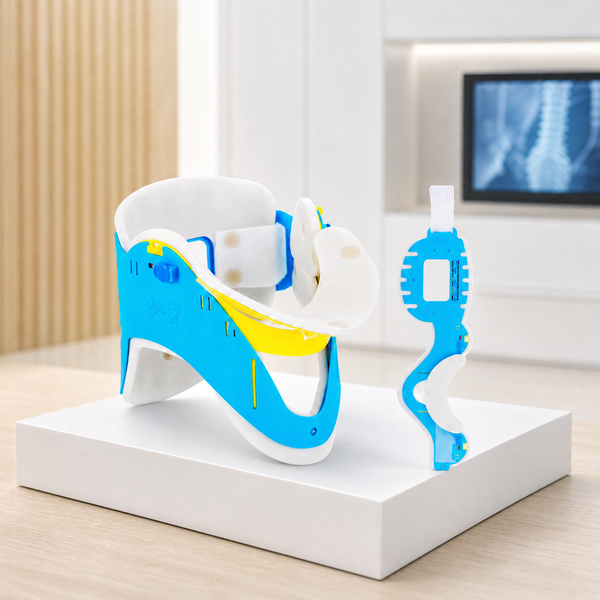
Medical neck  collars, also known as cervical collars,  are critical  components  in emergency  medical services. They provide necessary support  and stabilization for  patients with  suspected neck injuries,  helping to  prevent further  damage during transport. For B2B buyers  such as purchasing managers, distributors, and healthcare providers, understanding  how to select the appropriate medical  neck  collar is essential. This article will help you  navigate the key specifications, purchasing considerations, and practical applications  of medical  neck  collars, ensuring you make informed  decisions for your organization.

Why choose XieHe medical neck collar

How to Choose the Right Medical Neck Collar for Your Needs

Selecting the  right medical neck collar involves assessing various factors, including the patient's condition,  the intended use, and  the collar's design. Common types  include rigid collars, soft  collars, and adjustable collars. Rigid collars  are typically  used in cases of suspected spinal  injury due to their  ability to immobilize the  neck effectively. In contrast, soft collars  may be more appropriate for minor injuries or post-operative support.

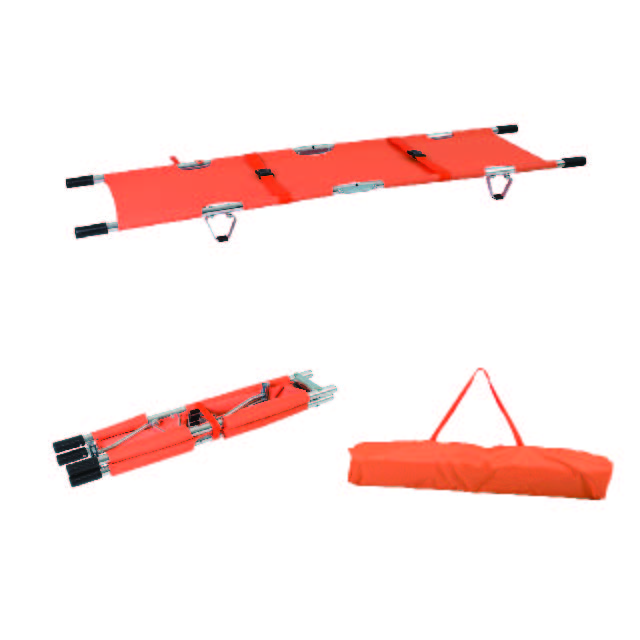
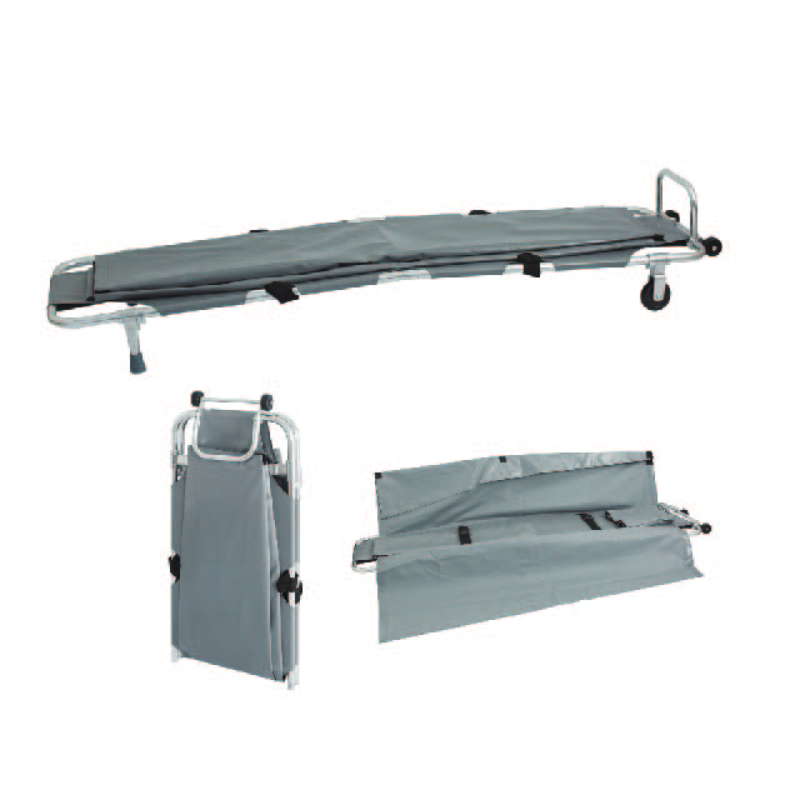
When evaluating options, consider the level of immobilization required. For instance,  in a trauma setting, a rigid collar  is essential, while a  soft collar  may suffice for less critical situations.  Additionally, comfort and  fit are crucial;  a poorly fitting collar can lead to complications  or discomfort for the patient. Therefore, ensure that the collar is adjustable, especially if it is intended for a range of  patients. You might also consider using products like the YXH-1H Folding Stretcher for enhanced patient transport.

Frequently Asked Questions

Our Blog Posts

What Our Partners Say

Key Specifications to Evaluate in Medical Neck Collars

Key Specifications to Evaluate in Medical Neck Collars

Several key specifications should be considered when  evaluating medical neck collars:

Material: The collar material affects  comfort and support. Rigid collars are often made from high-density foam  or thermoplastic, providing necessary stability. Soft collars  may use cotton or polyester blends for comfort.

Size  and Adjustability: Medical neck collars  come in various sizes. Look for adjustable  designs to accommodate different  neck circumferences, ensuring a  snug fit without compromising circulation.

Weight: The weight of the  collar can impact  patient comfort and ease of transportation. Lightweight options are preferable, especially in emergency settings.

Ventilation: Adequate ventilation  in the collar design can  enhance comfort for the patient, particularly during  long transport times.

Certifications: Ensure the collars meet relevant industry standards such as CE, FDA, or  ISO 13485, which indicate compliance with safety  and quality  regulations.

By evaluating these specifications, buyers can select a  medical neck collar that meets their  operational needs and enhances  patient care.

Wholesale Purchasing Guide for Medical Neck Collars

Wholesale Purchasing Guide for Medical Neck Collars

When  purchasing medical neck collars in bulk, several factors should be considered to ensure a  successful procurement process:

Minimum  Order Quantity (MOQ): Understand  the supplier's MOQ requirements.  This can affect pricing and availability, so ensure it aligns with your needs.

Customization Options: Many manufacturers, including Zhangjiagang Xiehe Import Export Co., Ltd., offer customization services. Custom collars can include specific branding, sizing, or material alterations to meet unique requirements.

Lead Time: Communicate with potential suppliers  about lead times for production and delivery. This is particularly  important for urgent orders or when planning for stock replenishment.

Quality Assurance: Inquire about  the manufacturer’s quality control processes. A reliable supplier should have established quality assurance practices to  ensure product consistency and  compliance with safety standards.

Pricing and Payment Terms: Compare pricing structures from different  suppliers, but also  consider payment terms and conditions.  Favorable  terms can improve cash flow management.

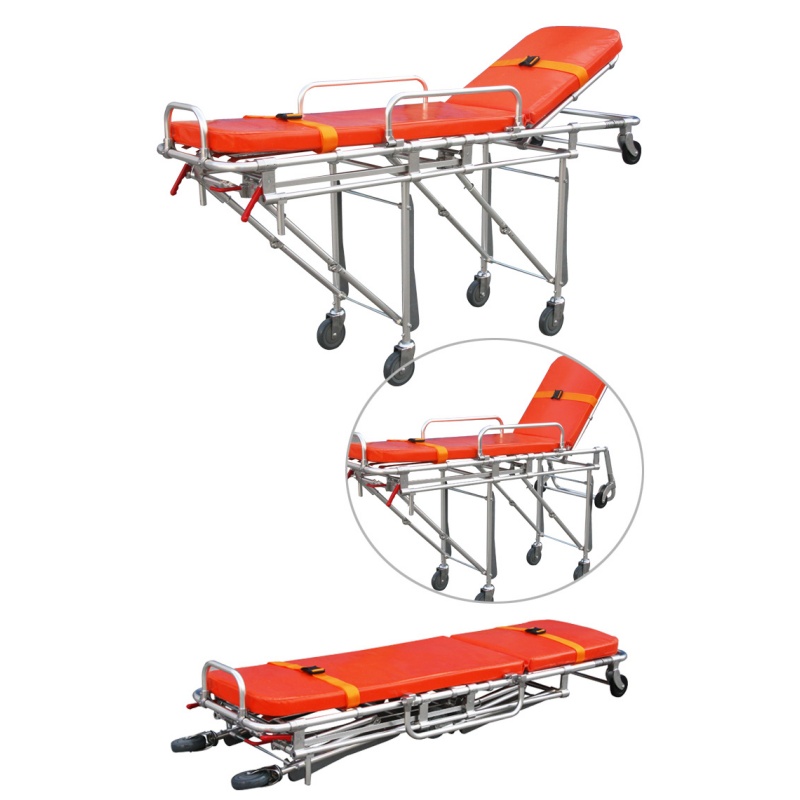
Shipping and Packaging: Discuss shipping options  and associated costs. Efficient packaging can also minimize damage during transit, which is crucial for maintaining product integrity. Consider using durable transport solutions like the YXH-5P Stair Stretcher for safe delivery.

By  following these guidelines, buyers can streamline their purchasing process and establish reliable supply chains for medical neck collars.

Common Problems with Medical Neck Collars and Their Solutions

Common Problems with Medical Neck Collars and Their Solutions

Despite their critical role in patient  care, medical neck collars can present challenges. Here  are common issues and solutions:

Improper Fit: A collar that is too loose  or too tight  can  cause discomfort or ineffective stabilization. Ensure that collars are  adjustable and  fit different neck sizes adequately. Conducting fit tests with actual users can help identify  the best options.

Material Sensitivity: Some patients may have sensitivities to certain materials, leading to skin irritation. Offering a variety  of  materials can help  meet diverse patient needs, such as hypoallergenic options.

Breathability: Inadequate ventilation can lead to discomfort during extended use.  Select collars with breathable materials or designs to  enhance comfort during transport.

Durability Issues: Frequent use can lead to wear  and tear. Choose high-quality,  durable materials  that can withstand repeated  use, especially in high-demand environments like emergency medical services.

Miscommunication During Training: Staff may require training on proper neck collar application and removal techniques.  Providing adequate training sessions can minimize  complications and enhance patient safety.

By addressing these common problems proactively, healthcare providers can improve patient comfort and treatment efficacy.

Applications of Medical Neck Collars in Emergency Medical Services

Applications of Medical Neck Collars in Emergency Medical Services

Medical  neck collars are  vital in various emergency  medical services (EMS) scenarios. Their primary application is in trauma management, particularly for  patients with  potential cervical spine injuries. Here are some key applications:

Trauma Situations: In cases of vehicle accidents, falls, or sports injuries, medical neck  collars provide  essential immobilization, preventing further injury during transport to  medical facilities.

Patient Transport: When transporting patients with neck injuries, collars ensure stability and minimize movement, which is critical for their safety.

Pre-hospital Care: EMS professionals often use neck collars while providing initial care at the scene of an injury. This helps stabilize the patient before they  reach a  hospital environment.

Post-operative Recovery: After certain surgical procedures, neck collars can provide necessary support to promote healing and prevent strain on surgical  sites.

Training and Simulation: Medical training programs often utilize neck collars in simulations  to teach proper patient handling techniques in emergency  situations.

By understanding these applications, EMS providers can leverage medical neck collars effectively to enhance patient outcomes and ensure safety during care delivery. 

In summary, selecting the right medical neck collar involves careful consideration of  specifications, purchasing guidelines, and understanding potential issues. By leveraging this knowledge, B2B buyers can make informed decisions  that ultimately  enhance patient care and  operational efficiency.