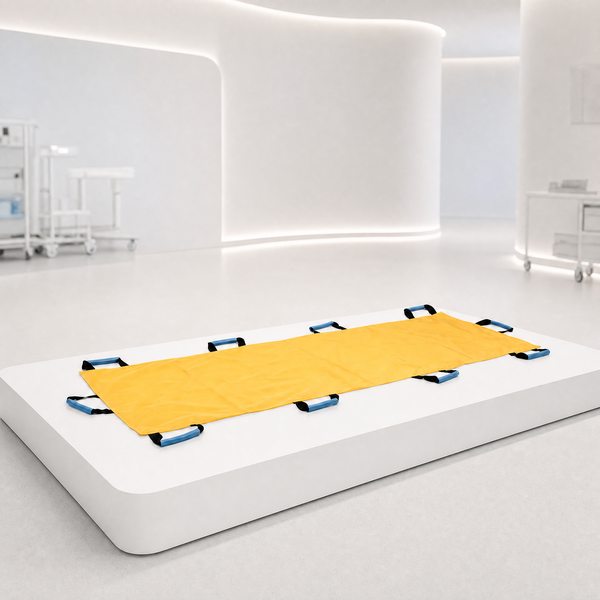
Applications of Soft Stretchers in Various Emergency Scenarios
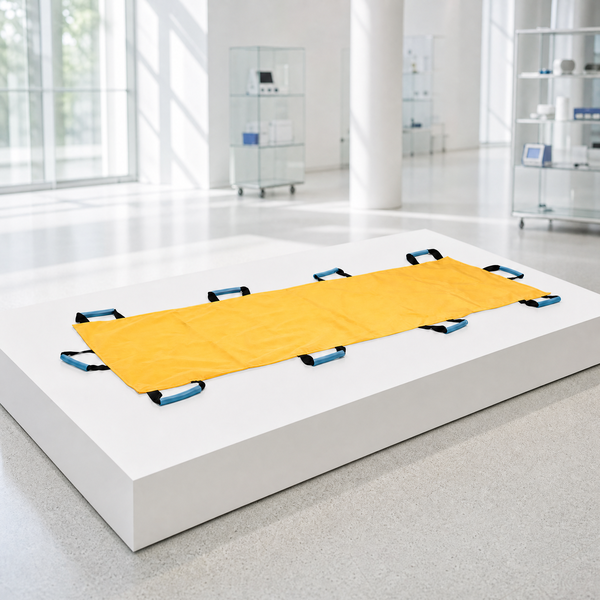
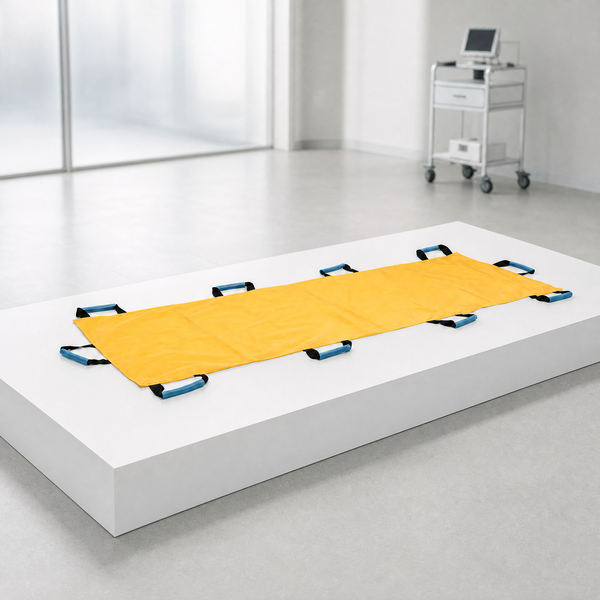
Quality control is crucial in manufacturing soft stretchers to ensure they meet safety and performance standards. A robust quality control process should include several key steps. First, raw materials must be inspected for compliance with specifications before production begins. This ensures that only materials that meet the necessary durability and safety standards are used.
During production, regular inspections should be conducted to monitor the stitching, seams, and overall construction of the stretchers. Employing a quality control team to oversee this process can help catch defects early, reducing the risk of faulty products reaching the market.
After production, perform final inspections on finished stretchers, focusing on functionality and safety features. Conducting stress tests to verify weight capacity and durability is also advisable. These tests should simulate real-world conditions, ensuring that the stretchers will perform adequately when needed.
By implementing these quality control measures, manufacturers like Zhangjiagang Xiehe Import Export Co., Ltd. can ensure that their soft stretchers are reliable and safe for emergency use, thereby building trust with their distributors and end-users.
In summary, understanding the specifications, sourcing options, material advantages, common challenges, and quality control measures associated with soft stretchers will empower you to make informed purchasing decisions that enhance patient care and operational efficiency in emergency scenarios.
 EN
EN