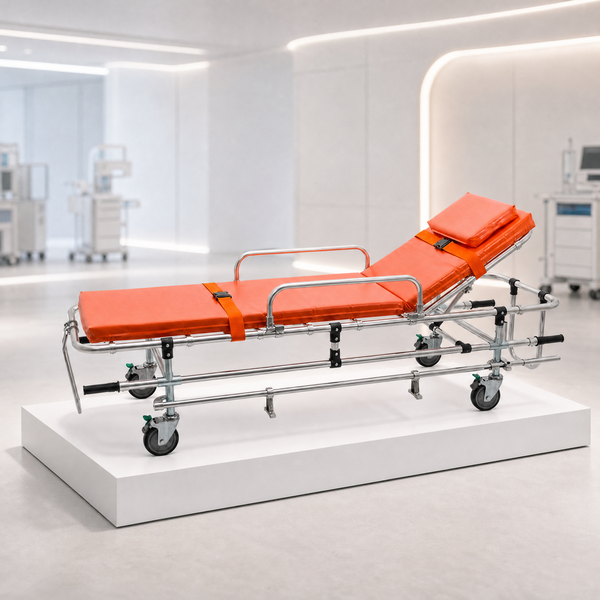
Medical Transport Stretcher: Key Features & Sourcing

Zhangjiagang Xiehe Import & Export Co., Ltd.

application/medical-transport-stretcher, application/medical-transport-stretcher, 
Inquiry
Inquiry

medical transport stretcher

Medical transport  stretchers are  critical devices used in emergency medical services  and hospitals to safely  transport patients.  Understanding  their specifications, sourcing  options, cost factors, key features, and common challenges is essential  for  purchasing  managers  and distributors in the healthcare sector.  This  article provides insights into selecting the  right  medical transport stretcher, addressing buyer  concerns  while assisting  in making informed purchasing  decisions. Explore our range of Funeral Home Products for more information on related equipment.


Why choose XieHe medical transport stretcher

Our Products

Understanding Specifications for Medical Transport Stretchers

When choosing a medical transport stretcher, it is vital to understand the specific requirements tailored to its usage. Specifications such as weight capacity, dimensions, material, and design significantly impact performance and safety.

Weight Capacity: Stretchers typically  range from 250 lbs to over  700 lbs in weight capacity. It is crucial  to select a stretcher  that can safely  accommodate the maximum expected  patient weight, including  any  additional equipment (like oxygen  tanks or monitoring devices). Learn more about different types of stretchers to ensure you make the right choice.

Material: Common  materials include aluminum and stainless steel for frames,  while fabric  covers are often made from durable, easy-to-clean synthetic materials.  The choice of material should  consider the stretcher's strength, weight, and ease  of maintenance.

Dimensions: Standard stretcher dimensions  vary, but generally, they should  fit through doorways and hallways in hospitals  or ambulances. Buyers should confirm that the stretcher can easily maneuver in the intended transport environment.

Design Features: Consider features such as adjustable height, foldability, and  compatibility with various medical equipment. These elements can enhance usability in emergency scenarios.

Understanding these specifications ensures the right stretcher is selected for specific applications,  ultimately affecting patient safety and comfort.


Frequently Asked Questions

Our Blog Posts

What Our Partners Say

Where to Source Reliable Medical Transport Stretchers Wholesale

Where to Source Reliable Medical Transport Stretchers Wholesale

Sourcing medical transport stretchers wholesale requires careful consideration of suppliers. Buyers should prioritize manufacturers  with established reputations  and relevant certifications. 

Certification: Look  for suppliers with CE, FDA, or ISO 13485 certifications,  which indicate compliance with international quality standards for medical  devices.

Customization Options: Many  manufacturers, like Zhangjiagang  Xiehe Import Export Co., Ltd., offer  customization  capabilities to  meet specific buyer needs,  such as branding or unique design features.

Distributor Network: Suppliers with a global distributor network can facilitate easier logistics and support, ensuring timely  delivery and service.

Sample Approval: Before  finalizing a bulk order,  request samples to  assess quality and  functionality.  This step is critical  for ensuring the stretcher meets safety standards and operational requirements.

By focusing on these aspects,  buyers can find reliable sources that meet their specific needs for medical transport stretchers.

 
Cost Factors to Consider When Purchasing Medical Transport Stretchers

Cost Factors to Consider When Purchasing Medical Transport Stretchers

The  cost of medical transport  stretchers can vary widely  based on several factors. Understanding these costs can help in budgeting and procurement planning.

Material Costs: The choice of materials directly impacts the price. For instance, lightweight aluminum frames may be more costly than steel but offer  better maneuverability.

Customization and Features: Additional features such as adjustable heights,  integrated safety belts, or specialized finishes will increase the  overall cost. Consider what features  are essential versus optional to stay within  budget.

Order Quantity: Many manufacturers offer  tiered pricing structures based on order  quantity. Bulk purchases can lead to significant cost savings, making it  worthwhile to evaluate  your needs  carefully.


Shipping  and Handling: Factor in shipping costs, especially for international orders. These can add significantly to the total purchase price.

By  being mindful of these cost factors,  buyers can make  informed decisions that align with their budget constraints  while ensuring they  procure high-quality medical transport stretchers.

 
Key Features and Benefits

Key Features and Benefits

When evaluating medical transport stretchers, certain  features can significantly enhance their usability and safety:

Portability: Lightweight and foldable stretchers are easier to transport and  store, which is crucial for emergency response teams.

Safety Mechanisms: Features  such as safety belts, locking mechanisms, and non-slip surfaces are vital for patient security during transport.

Ease  of Cleaning: Stretchers made from materials that resist staining and  can be easily  sanitized are essential in  preventing hospital-acquired infections.

Maneuverability: Stretchers equipped with  wheels or casters that  swivel can navigate tight spaces more effectively, enhancing their operational efficiency.


Adjustability: Models that allow  height adjustments can accommodate  various transport scenarios, making it  easier for medical personnel to load and unload patients  safely.

These features  not only improve  patient safety and comfort but  also enhance the efficiency  of medical staff during emergencies.

 
Common Problems with Medical Transport Stretchers and Their Solutions

Common Problems with Medical Transport Stretchers and Their Solutions

Despite their essential role, medical  transport stretchers can present challenges. Here are common issues and potential solutions:

Weight Limit Exceeded: If a stretcher is regularly used beyond its weight limit,  it can compromise safety and durability. Ensuring proper training for staff on weight capacities can mitigate this risk.

Wear and Tear: Frequent use can lead  to wear, particularly  on  wheels  and fabric. Regular inspections and maintenance can help identify and address these issues before they escalate.

Compatibility with Equipment: Some stretchers may not integrate well  with  certain  medical devices. Buyers  should evaluate compatibility  with existing equipment to avoid operational interruptions.

Storage Space: Limited storage can hinder the accessibility of stretchers  during emergencies.  Implementing a designated area for stretchers can ensure they are readily available when  needed.

By  understanding these common problems and addressing them  proactively, buyers can enhance the effectiveness  and longevity  of their medical transport stretchers.

In summary, understanding the specifications, sourcing, cost factors, key features, and common challenges related to medical transport stretchers empowers purchasing managers and distributors to make informed decisions. Prioritizing quality and practicality ensures  both patient  safety and operational efficiency in medical environments.