Reliable Vertical Stretchers for Emergency Care

Zhangjiagang Xiehe Import & Export Co., Ltd.

application/vertical-stretcher, application/vertical-stretcher, 
Inquiry
Inquiry

vertical stretcher

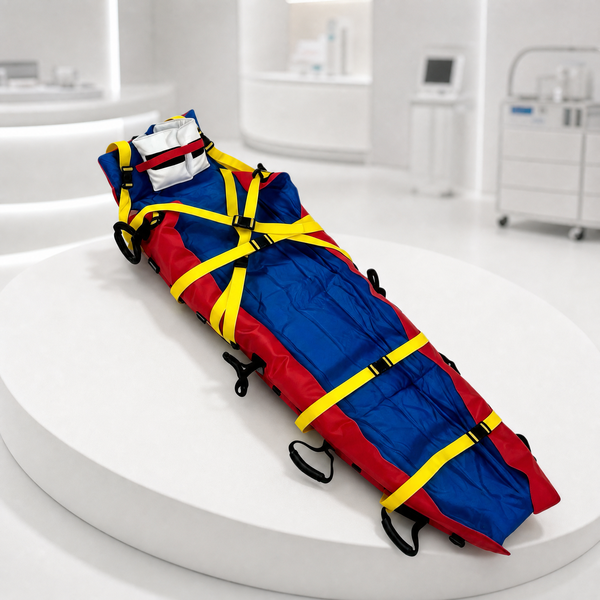
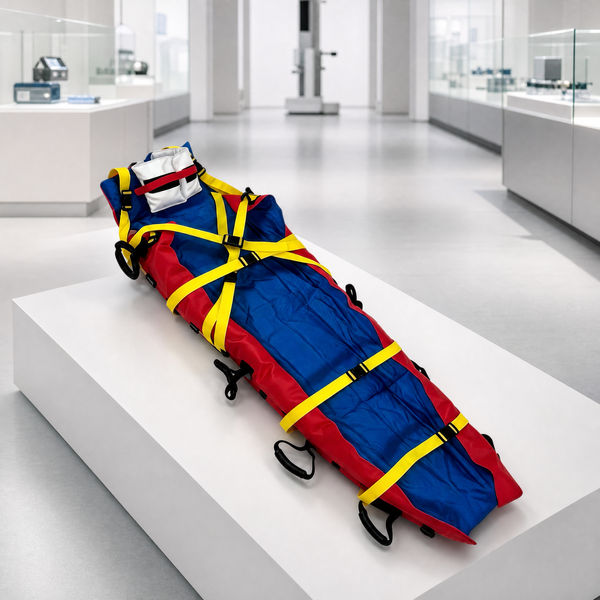
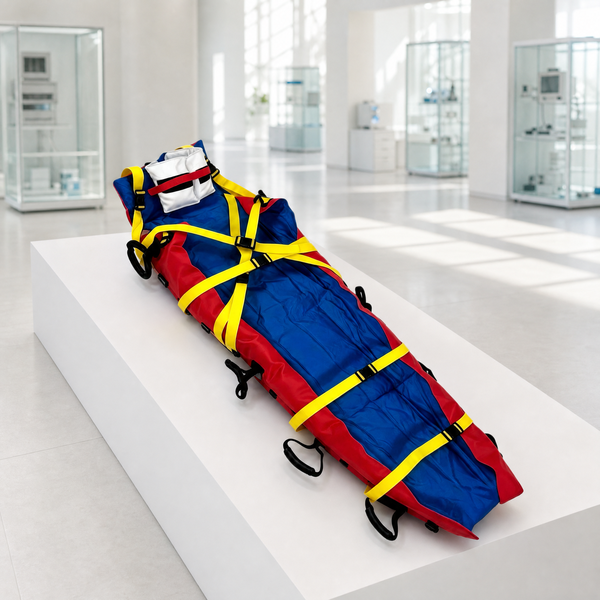
Vertical stretchers are essential  medical devices designed for  the  safe and  efficient transport of  patients  in  emergency and healthcare settings. As a  vital tool in first aid and hospital environments, these  stretchers  help ensure patient comfort and stability  during  transit. When considering a  vertical stretcher for your facility or service, it's crucial to understand  the various  factors  that influence their purchase, including specifications, costs,  applications, and quality standards. This article will  guide you through these considerations to help you make  an  informed decision.

Why choose XieHe vertical stretcher

Our Products

Reliable Suppliers of Vertical Stretchers

When  sourcing vertical stretchers, partnering with a reputable supplier is key. Zhangjiagang Xiehe Import Export Co.,  Ltd. stands out  as a  trusted manufacturer, offering  CE, FDA, and ISO  13485-certified products. With a global  distribution network spanning over 120  countries,  the company specializes in  emergency stretchers, first aid products, hospital  furniture, and funeral  supplies. Ensuring that your  supplier has the necessary certifications  is critical, as these indicate compliance  with international safety and quality standards.  Moreover, consider the supplier's ability to customize  products to  meet specific  requirements, which can be  a significant advantage in diverse operational settings. For instance, the YXH-1H Folding Stretcher offers customizable features tailored to your specific needs.

Frequently Asked Questions

Our Blog Posts

What Our Partners Say

Key Specifications to Consider When Buying Vertical Stretchers

Key Specifications to Consider When Buying Vertical Stretchers

Selecting the right vertical stretcher involves evaluating  several key specifications:

Material: The material used in the stretcher construction should be  durable yet lightweight, typically made  from high-quality  aluminum or reinforced plastic. This  ensures ease  of transport without sacrificing strength.

Weight  Capacity: Confirm  the maximum weight capacity of the stretcher, as this is crucial for ensuring safe transport, especially  in emergency  situations. Look for stretchers with higher weight limits if you anticipate handling heavier patients.

Dimensions: The  size  of the stretcher should align with your intended usage. Consider both the folded and extended dimensions to ensure it fits in your transport vehicles and storage areas.

Safety Features: Features such as adjustable height, safety straps,  and  locking mechanisms are  essential for patient safety during transit. These attributes help secure the patient and prevent accidental falls or injuries.

Ease of Use: The design should allow for quick and straightforward deployment, especially critical in emergencies. Ergonomic handles and  smooth-rolling wheels can enhance maneuverability.

Maintenance Requirements: Assess how easy  the stretcher  is to  clean and maintain, as hygiene is paramount in medical settings. Materials that resist stains and  are easy to disinfect are preferred.

Cost Factors in Bulk Orders of Vertical Stretchers Explained

Cost Factors in Bulk Orders of Vertical Stretchers Explained

When ordering vertical stretchers in bulk, several cost factors come into play:

Unit Price: The base  price per stretcher can vary significantly depending on the specifications, materials, and  features. Custom designs might  incur additional costs.

Minimum  Order Quantity (MOQ): Suppliers often  have  a MOQ, which can affect pricing. Ensure to evaluate how many units  you need and whether you can meet the  supplier's requirements.

Shipping Costs: Consider logistics  and shipping costs, especially for international orders. Bulk orders can sometimes qualify for discounted shipping rates, impacting overall expenses.

Lead Time: Factor  in the production and delivery timeline, as longer lead times can  affect your operations. Suppliers with  efficient production schedules can ensure timely delivery.

Customization  Costs: If  you require specific modifications  or branding on the  stretchers, be prepared for  potential added costs. Discuss customization options upfront to avoid surprises.

Applications of Vertical Stretchers in Emergency and Healthcare Settings

Applications of Vertical Stretchers in Emergency and Healthcare Settings

Vertical stretchers find multiple applications across various  sectors, including:

Emergency Medical Services (EMS): In emergency situations, quick and  safe patient transport is critical.  Vertical  stretchers allow EMS personnel to load patients efficiently into ambulances while maintaining  stability.

Hospitals: Within hospital settings, vertical stretchers are utilized in  emergency  departments  and  for patient transfers between units. Their adjustable features facilitate  easy  maneuvering  through narrow hallways and doorways.

Disaster Response: In disaster  scenarios, vertical stretchers are  invaluable for transporting injured individuals from disaster sites to  medical  facilities, ensuring their safety and comfort during transit. For example, the YXH-5P Stair Stretcher is designed for efficient transport in these situations.

Rehabilitation Centers: These stretchers  are also used in rehabilitation settings, where patients may  need to  be moved  from one area to another for therapy or assessments.

Why Quality Matters in Vertical Stretchers

Why Quality Matters in Vertical Stretchers

Quality is a critical factor  when selecting  vertical stretchers. Subpar products can lead to safety  risks and increased liability:

Durability: High-quality materials and construction ensure that the  stretcher can withstand regular use  without compromising performance. This  is particularly important in high-demand environments like hospitals and  emergency services.

Patient Safety: Quality stretchers are designed with safety features that protect patients during transport. Poorly  made stretchers might  fail, leading to injuries or further complications.

Regulatory Compliance: Compliance with international standards, such as those enforced by  CE, FDA, and ISO, reflects the manufacturer's commitment to quality  and safety. This is critical for  facilities that prioritize patient care and safety.

Long-term Cost Efficiency: Investing in high-quality  stretchers can reduce long-term costs associated  with repairs, replacements, and liability claims. A  reliable supplier can provide warranties  and support, adding further value.

Selecting a vertical  stretcher  involves careful  consideration of specifications, costs, applications, and quality. By partnering with a reputable supplier like Zhangjiagang Xiehe  Import Export Co., Ltd., you can ensure that your organization meets the highest standards of patient care and safety.