Collapsible Stretchers for Ambulances: A Buyeru2019s Guide

Zhangjiagang Xiehe Import & Export Co., Ltd.

application/collapsible-stretcher-ambulance, application/collapsible-stretcher-ambulance, 
Inquiry
Inquiry

collapsible stretcher ambulance

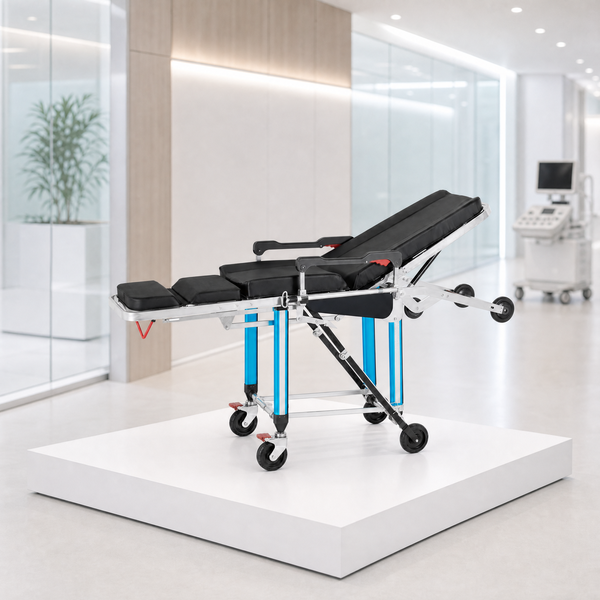
Collapsible stretchers  for ambulances play  a  crucial role in  emergency medical services, facilitating the swift and safe transport of patients.  As  a  purchasing manager or a distributor, understanding  the specifications, costs, and applications  of these products will help you  make  informed decisions. This article  aims  to clarify key aspects  of collapsible stretchers, ensuring that you  can evaluate  potential suppliers  effectively and  choose the right  stretcher for  your needs. For a comprehensive overview of related equipment, you may want to explore our Funeral Home Products.

Why choose XieHe collapsible stretcher ambulance

Our Products

Understanding the Specifications of Collapsible Stretchers for Ambulances

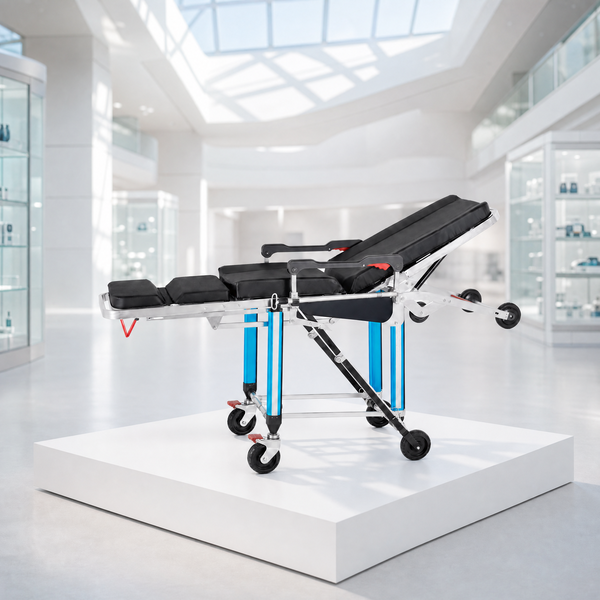
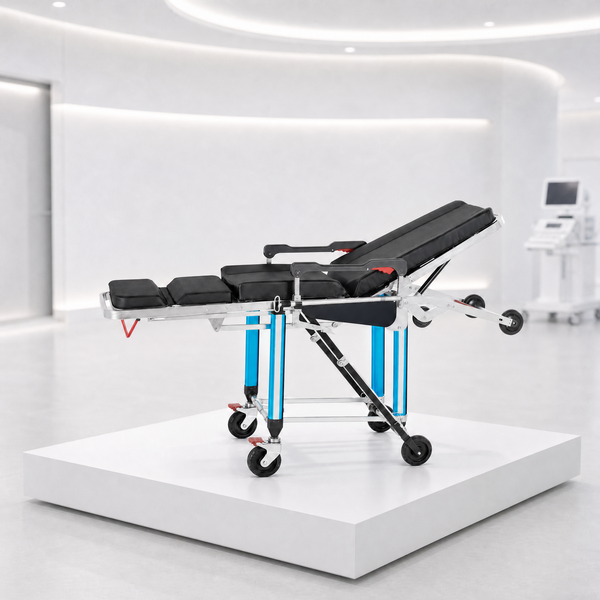
When selecting collapsible stretchers for ambulances, several critical specifications should be considered. First, the materials used in construction are  paramount. Most  stretchers are made from lightweight  yet durable  materials such as aluminum or high-strength plastic, which provide both  portability and strength. The weight  capacity is another essential specification; most stretchers can  support between 150 kg to 250 kg, but it’s vital to confirm this based on your specific usage scenarios.

Dimensions also play a significant  role: the stretcher must fit comfortably within the ambulance's confines while allowing for easy maneuverability. Typical dimensions range from 180 cm in length to about 50 cm in  width. Buyers  should also assess  the design  features, such as adjustable height  and safety belts, which ensure patient security during transport. Additionally, consider the Stretcher options available to meet your specific needs.

Lastly, certifications such as CE, FDA, and ISO 13485 should  be verified, as they  indicate compliance with safety and quality standards crucial for medical  equipment. These certifications reflect  the manufacturer's commitment to quality and  reliability, which are essential in emergency medical  situations.


Frequently Asked Questions

Our Blog Posts

What Our Partners Say

Cost Factors to Consider When Purchasing Ambulance Stretchers in Bulk

Cost Factors to Consider When Purchasing Ambulance Stretchers in Bulk

Pricing  for collapsible stretchers can vary significantly based on various factors. One primary consideration is the  materials used; aluminum stretchers, while more expensive, offer better durability  and lower weight compared to steel options. Bulk purchasing often allows for discounts,  but it's essential to clarify minimum order quantities (MOQ) with your  supplier to maximize cost savings.

Another cost factor is customization. If your organization requires specific features, such as branding or  unique design elements, be aware that these customizations can increase the overall price.  Additionally, consider the shipping costs,  which can add to the total expenditure, especially if  you  are importing  from a supplier like  Zhangjiagang Xiehe Import Export Co., Ltd., which operates in over 120 countries.


Finally, the total cost of  ownership should  be assessed, including  maintenance and potential replacement parts. Ensuring that  the stretcher is designed for longevity can lead to savings over time, making it  crucial to choose  a product that  balances initial cost with practical durability.

Installation Guidance for Collapsible Stretchers in Emergency Vehicles

Installation Guidance for Collapsible Stretchers in Emergency Vehicles

Installing collapsible stretchers in ambulances requires attention to detail to ensure  safety and functionality. A proper installation begins with verifying that the stretcher's dimensions align with the ambulance's  specifications. Typically, stretchers are designed  to fit  securely in designated brackets or tracks within  the vehicle to prevent movement during transit.


Ensure  that the  installation is performed  according to the manufacturer’s guidelines.  This often  includes securing the stretcher with safety straps and confirming that all release mechanisms  function correctly. It’s advisable to conduct a trial run, simulating  patient loading and unloading, to identify any potential  issues with accessibility or space constraints.

Regular  training for staff on  how  to operate the  stretchers  effectively is also recommended. Familiarity with the equipment can reduce the time taken to assist patients in  emergencies, thus improving overall service delivery.

Exploring Applications of Collapsible Stretchers in Medical Emergencies

Exploring Applications of Collapsible Stretchers in Medical Emergencies

Collapsible stretchers are versatile tools in medical emergencies, suitable for various applications beyond standard ambulance transport. They  are often used in rescue operations,  where quick  deployment  is essential. Their  lightweight nature allows paramedics to carry them over rugged  terrain, making  them invaluable in remote or disaster-stricken areas.

In hospital settings,  collapsible stretchers can  be  used for transporting  patients between  departments,  ensuring that they  are  stable and secure during movement. Additionally, these stretchers  can  be utilized in sporting events or large gatherings, where immediate medical assistance may be required.


It’s also worth noting that collapsible stretchers can be customized  for specific applications. For instance, some  models are designed with added features like waterproof materials for use in wet environments or integrated handles for easier lifting and maneuvering.

A Buyeru2019s Guide

A Buyeru2019s Guide

When preparing to  purchase collapsible stretchers, it’s essential to  gather comprehensive information to facilitate informed decision-making. Start  by determining your requirements, including the  intended use, expected load capacity, and necessary features.

Requesting a quotation (RFQ) should include detailed information such as the number of units required, specific  design features, and  any customization needs. Additionally, confirm the  dimensions and weight  limits to ensure that they  align with your operational needs.

Before finalizing your order, ask for samples where  possible. Evaluating a  sample allows you to check the quality of materials and construction firsthand. During this  phase, inspect  for build quality,  testing weight limits, and assessing ease of use.

Lastly, compare suppliers  based on their experience, quality control processes, and after-sales support. Ensure that the manufacturer has robust mechanisms for addressing potential quality issues and can provide warranties  or guarantees for their products.


By considering these factors, you will be better equipped  to select the right collapsible stretcher for your ambulance service, ensuring both  patient safety and operational  efficiency.