Selecting the Right Collar Neck for Industrial Needs

Zhangjiagang Xiehe Import & Export Co., Ltd.

application/collar-neck, application/collar-neck, 
Inquiry
Inquiry

collar neck

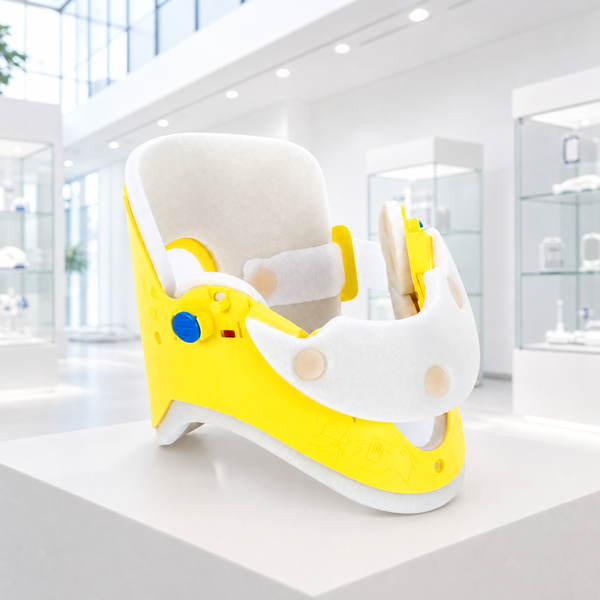
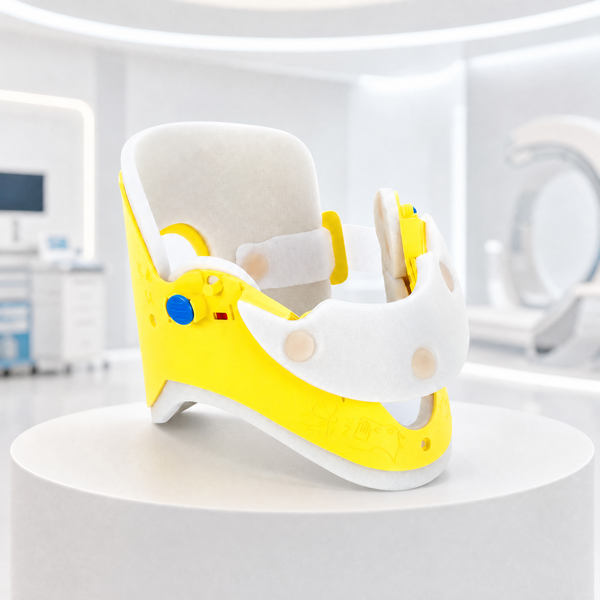
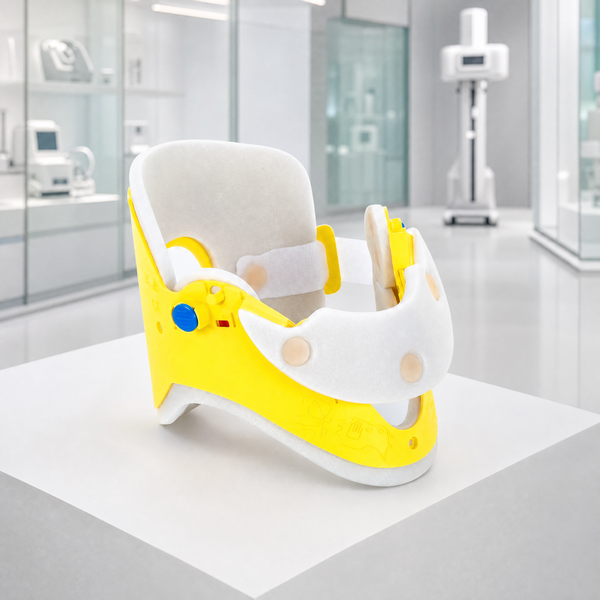
Choosing the right collar neck for  industrial applications can significantly  impact safety,  comfort, and usability in various settings. As a  specialized component often  used in emergency stretchers, hospital  furniture, and  other medical  equipment, understanding  the intricacies  of collar  necks is  essential for  purchasing managers and engineers alike. This article will  guide you through the selection process,  key specifications  to consider, best  practices,  common issues, and the various applications of collar  necks within the industrial  landscape.

Why choose XieHe collar neck

How to Choose the Right Collar Neck for Your Industrial Needs

Selecting the appropriate collar neck begins with understanding its intended application. Different industries may  have varying requirements regarding safety, durability, and functionality. Start  by evaluating the specific  needs of  your  operation, such as load-bearing capacity, environmental conditions, and user comfort. For instance, a  collar neck  used in a hospital setting may  prioritize comfort and ease of use, while one designed for emergency services may need to emphasize  strength and rapid deployment. In this context, products like Funeral Home Products are also relevant as they often require similar considerations for comfort and safety.

Once you have a clear understanding of the requirements, assess the available materials. Common options include  high-density polyethylene (HDPE) for its  durability and resistance to  impact, or softer materials like neoprene for comfort. Each  material has its  advantages, so consider  factors such  as the weight of the equipment and the expected wear and tear  in its  operating environment.

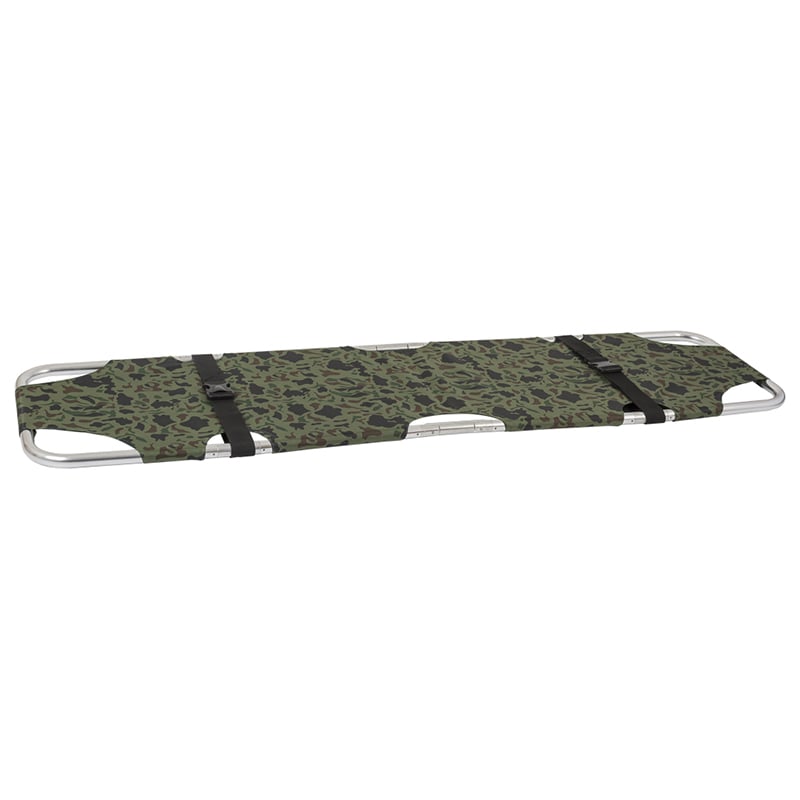
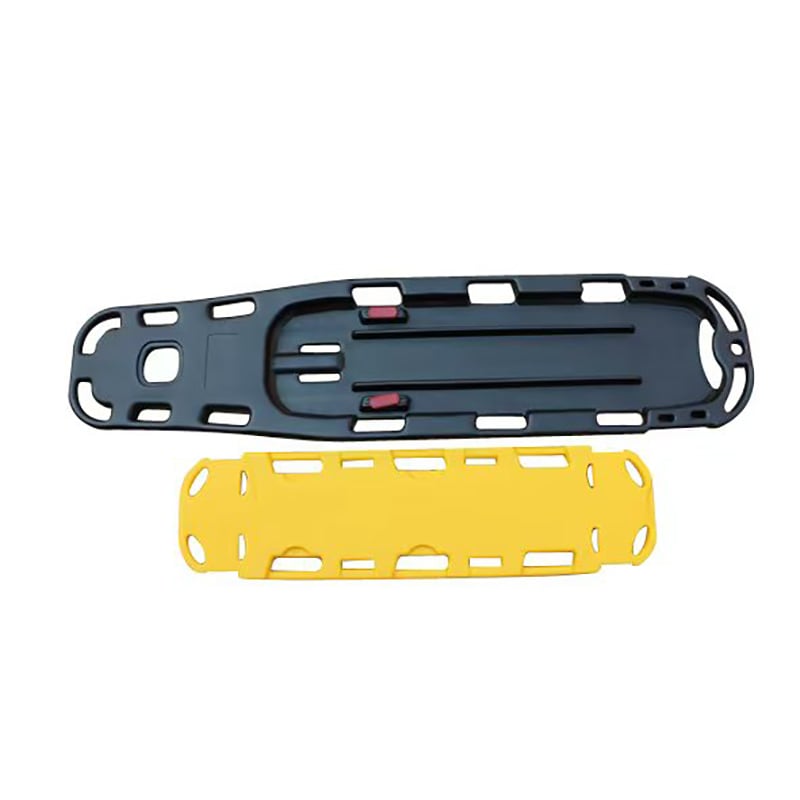
Lastly, engage with manufacturers who can offer customization options to tailor the collar neck to your specific needs. Customization can  include  adjustments in size, shape, and material composition, ensuring the final product aligns perfectly with your operational requirements. For example, a Multifunctional Rescue Stretcher may require specific collar neck configurations to optimize its use in emergency scenarios.

Frequently Asked Questions

Our Blog Posts

What Our Partners Say

Key Specifications to Consider When Sourcing Collar Necks

Key Specifications to Consider When Sourcing Collar Necks

When sourcing collar necks, several critical specifications should be evaluated  to ensure optimal performance:

Material  Composition:  The choice of material directly affects durability, flexibility,  and comfort. Ensure that  the selected material meets  the necessary industry standards and  safety regulations.

Dimensions: Accurate dimensions are vital for fitting  and  compatibility with existing equipment. Work closely with your supplier  to confirm that the collar neck will function correctly within your  specified constraints.

Weight Capacity:  Depending  on the  application, the collar neck may need to support a significant amount  of weight. Evaluate the load-bearing specifications to ensure they  meet your operational demands.

Certification Compliance: Verify that the collar neck adheres to relevant certifications, such as CE, FDA, or ISO standards. This compliance not only ensures safety but also enhances trust in the product's quality.

Customization  Capabilities: Discuss with suppliers their ability to provide tailored solutions. Custom features can significantly enhance the collar neck's performance in specific applications.

By carefully considering these specifications,  you can ensure that the collar neck you choose will meet your operational needs while adhering to  industry standards.

Best Practices and Tips

Best Practices and Tips

When procuring collar necks,  implementing best practices can help streamline the process and reduce potential issues:

Communicate  Clearly: Provide suppliers with detailed  specifications, including dimensions, materials, and performance expectations. This  clarity can minimize misunderstandings and ensure you receive the correct product.

Request  Samples: Before finalizing an order,  request samples to evaluate the collar neck's fit and performance in real-world conditions. Testing samples can reveal potential issues  that specifications alone might not highlight.

Inspect Quality Control Processes: Ensure your supplier has a robust quality control system in place. This may include inspections at various production stages  and thorough testing of the final  product  to  verify compliance with specifications.

Establish a Reliable Supply  Chain: Work with suppliers who have a proven track  record of reliability and  quality. Assess their  production capacity and  lead times to avoid  potential delays in receiving  critical components.

By adhering to these best practices, you can enhance the procurement process and ensure that the  collar neck meets your operational requirements effectively.

Common Problems with Collar Necks and Effective Solutions

Common Problems with Collar Necks and Effective Solutions

While collar necks are  essential  components, they can present certain challenges. Here are some common issues and their corresponding  solutions:

Incompatibility with  Equipment: Sometimes, the collar neck may not fit well with existing equipment due to incorrect dimensions. To mitigate this  risk, ensure  that detailed measurements  are taken and verified against your equipment specifications before ordering.

Material Failure:  Certain materials may not withstand specific  environmental conditions, leading to premature wear or  failure. Conduct thorough material assessments based on the expected operating environment, and  consult  with suppliers  to select the most suitable option.

Quality Inconsistencies:  Variability  in manufacturing processes can lead to inconsistencies in product quality. Establish clear quality benchmarks and work closely with  your supplier to monitor production, ensuring that each batch meets the required standards.

By being  aware  of these potential issues and proactively addressing them, you can improve the reliability and functionality of collar necks in your operations.

Applications of Collar Necks in Various Industrial Settings

Applications of Collar Necks in Various Industrial Settings

Collar necks find applications across a multitude  of  industries, each with unique requirements:

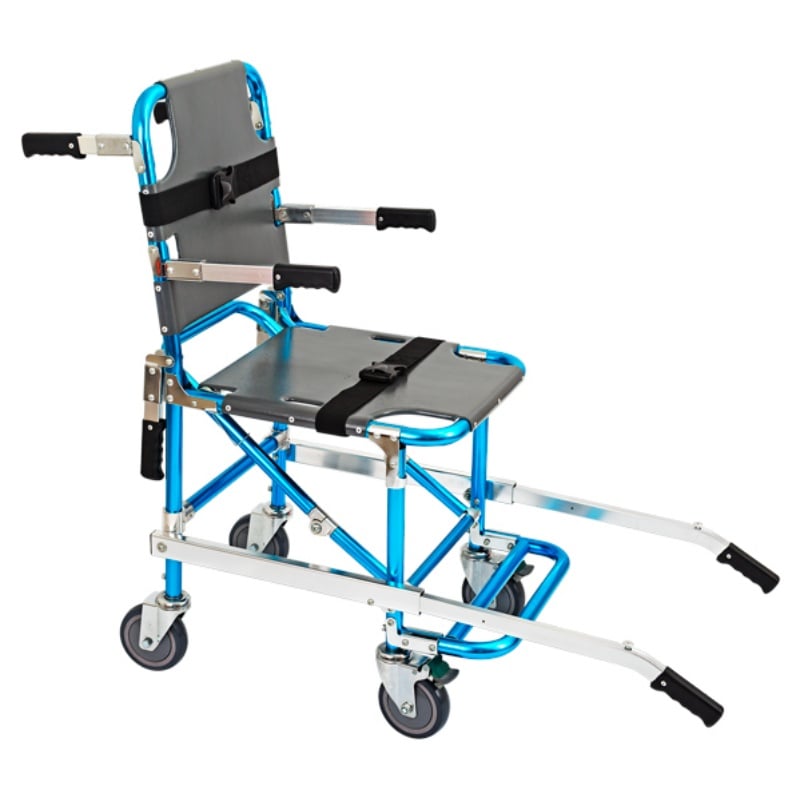
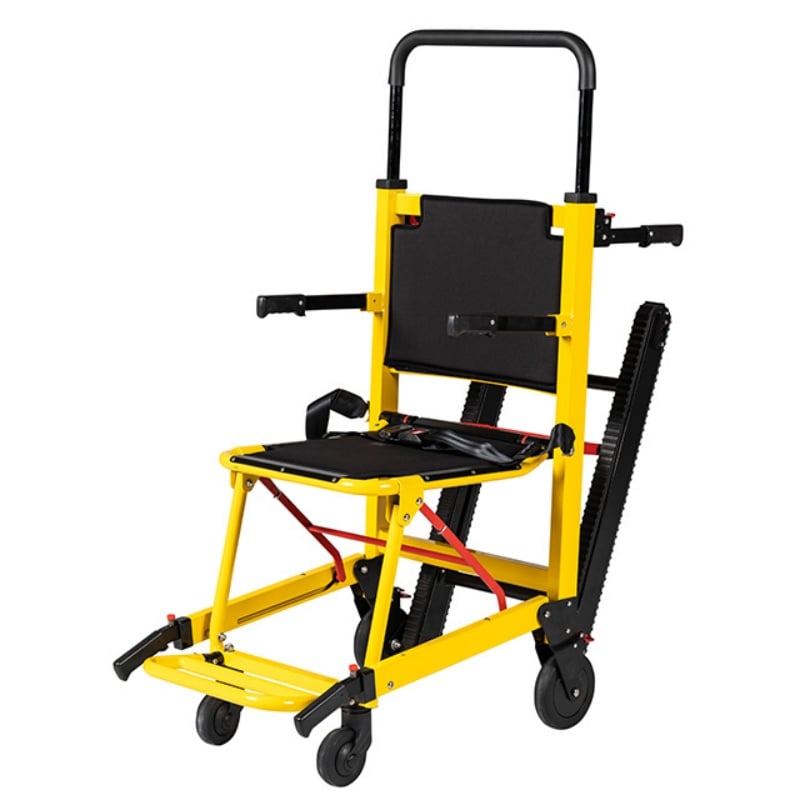
Healthcare: In hospitals and emergency services, collar necks are utilized in stretchers and immobilization devices. Their design must prioritize patient  comfort while ensuring  robust  support  during transport.

Manufacturing: In industrial settings, collar necks may be used in assembly line  equipment, where they assist in securing components during the manufacturing process. Durability and precision fit  are  essential in these applications.

Emergency Services: For first  responders, collar  necks are critical in patient stabilization equipment. They must be lightweight yet  strong  enough to handle various environments and conditions.

Funeral Services: In funeral supplies, collar necks are used in caskets and stretchers,  where aesthetics and comfort are paramount. Customization options can enhance  the overall presentation, making products like Stretcher particularly relevant.

Understanding the specific applications will  help you select the most  appropriate collar neck for your needs, ensuring  it performs effectively in its intended  environment.