Key Specifications for Neck Collars in Wholesale

Zhangjiagang Xiehe Import & Export Co., Ltd.

application/collar-of-neck, application/collar-of-neck, 
Inquiry
Inquiry

collar of neck

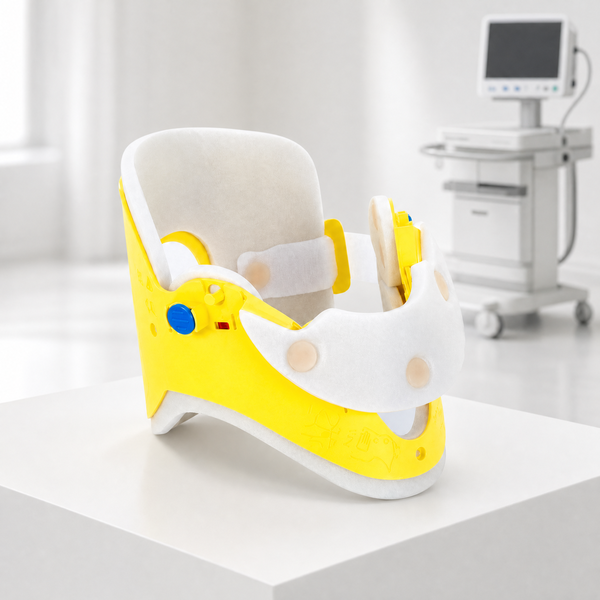
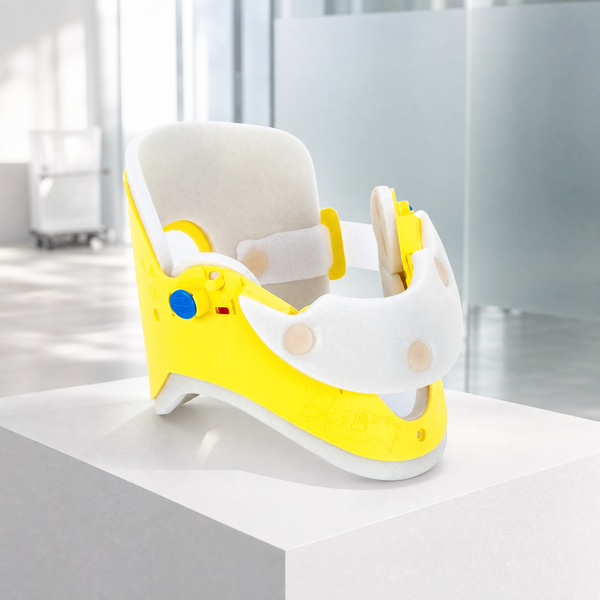
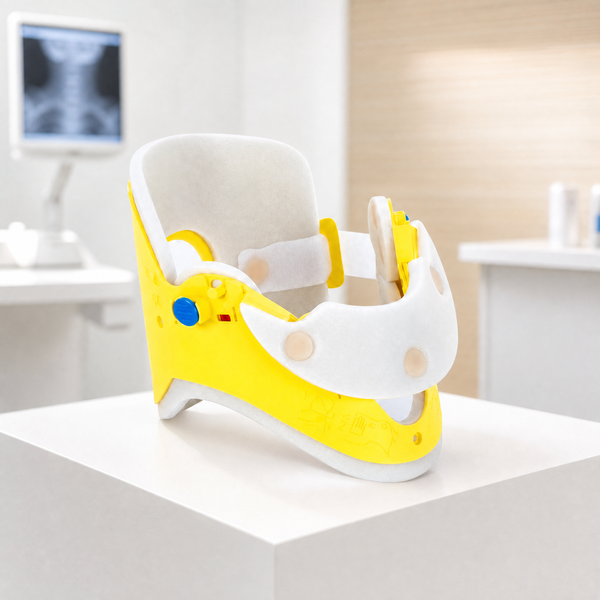
Neck collars  are essential medical devices designed to immobilize the  head and neck  in emergency  situations, providing crucial support during transport and treatment  of patients  with potential spinal injuries. For B2B buyers,  particularly  those  in the  medical supply and equipment sectors,  understanding  the  specifications,  applications,  and operational requirements of neck collars is  vital. This article will address key  specifications, selection criteria, installation guidance, cost considerations, and manufacturing standards to  aid  purchasing decisions.


Why choose XieHe collar of neck

Our Products

Understanding the Key Specifications of Neck Collars for Wholesale Buyers

When evaluating neck collars for wholesale purchasing, several specifications must be considered to ensure  the product meets the required safety and  performance standards. Key specifications include:

Material Composition: Most neck collars are made from  lightweight  yet durable materials, often featuring foam or plastic  components for comfort and stability. The choice of material affects the collar's  rigidity, weight, and ability to conform to various neck sizes.

Size and Adjustability: Neck collars come in  various sizes to accommodate different patient demographics. Adjustable collars can provide a  better fit,  allowing for effective immobilization  without causing discomfort or restricting circulation.

Weight Capacity: Understanding the maximum weight capacity of the collar is important,  especially in emergency medical situations where patients may be larger or heavier  than average.

Certification Standards: Ensure that the neck collars are manufactured according to relevant  medical standards, such as CE, FDA, and ISO 13485. These certifications indicate compliance with safety and quality  regulations.

User Instructions: Clear  instructions for the correct application and removal of the collar  should be provided, as improper usage can lead to further injury. Additionally, incorporating products like Funeral Home Products can also enhance patient care.


By focusing on these  specifications, buyers can select neck collars that will not only meet regulatory requirements but also  ensure patient safety.


Frequently Asked Questions

Our Blog Posts

What Our Partners Say

How to Choose the Right Neck Collar for Your Project Needs

How to Choose the Right Neck Collar for Your Project Needs

Selecting the right neck collar for your  projects involves  assessing specific needs based on application, patient demographics, and operational environments. Here are some factors to consider:

Application Context: Determine  the primary use of the neck  collar—whether for  ambulance services,  hospital emergency rooms, or sports medicine. Different  applications may require varying levels of support, ease of use, and comfort.

Customization Requirements: Depending on the target market, some buyers may require customized  neck collars that feature specific colors, branding, or  additional features such as integrated head support.

Environmental Conditions: If the neck collars are to be used in extreme temperatures or humid conditions, materials that resist degradation and maintain integrity under such conditions should be  prioritized.

Feedback from End Users: Consulting with medical professionals who will be using the  collars can provide invaluable insights  into what features are most beneficial  for their needs.


Testing and Validation: For larger orders,  buyers should consider conducting tests on samples to validate  the performance  of the neck collars under real-world conditions  before committing to a bulk purchase.

By carefully considering these aspects, buyers can ensure they select the most suitable neck collars for  their  specific applications.

Installation Guidance for Efficient Use of Neck Collars in Projects

Installation Guidance for Efficient Use of Neck Collars in Projects

Proper installation of neck collars is critical to ensure they  function as intended and provide the necessary support. Here are some guidelines for effective use:

Training and Education: It is vital for personnel to receive training on how to correctly apply and secure neck collars. This  training should include hands-on demonstrations and practice scenarios.

Visual Inspection:  Before use,  inspect each collar for any signs of damage or wear,  such as cracks in the  plastic or wear on the fastening straps. Faulty  equipment  can compromise patient safety.

Step-by-Step Application:  Follow a  clear procedure for  applying the neck collar, which typically includes:

Positioning  the collar around the patient's neck. Securing the collar snugly  without restricting airflow. Checking that the collar is positioned  correctly to  immobilize the head and neck. 

Regular Maintenance: Establish  a routine for inspecting and maintaining the collars to ensure they remain in good working condition. This should include cleaning procedures as outlined  by the manufacturer.

By following these guidelines, medical  staff  can maximize the effectiveness of neck collars during patient care.

Cost Factors to Consider When Purchasing Neck Collars Wholesale

Cost Factors to Consider When Purchasing Neck Collars Wholesale

When purchasing neck collars wholesale, understanding the cost implications is essential for maintaining budget compliance while ensuring quality.  Consider  the following factors:

Volume Discounts: Many suppliers  offer discounts based  on order size. Assessing your projected usage  can help negotiate favorable pricing.

Material and Design Complexity: The cost of materials and the intricacy of the design can  significantly influence pricing. For example, specialized  collars with advanced features may come at a premium.

Shipping and Handling:  Factor in shipping costs, especially for large orders. Ensure to discuss delivery timelines with  the supplier to avoid delays in stock availability.

Quality Assurance: The price should reflect the quality  of manufacturing  standards and certifications. Cutting costs on lower-quality products can lead to higher expenses in the long run due to potential liabilities.

Storage and Shelf Life: Consider the storage requirements  and shelf life  of the neck collars. Products with  a longer shelf life may offer better  value,  while items  with limited usability should be purchased in smaller quantities.

By  factoring in these  cost considerations, buyers can better manage their budgets while ensuring they  acquire high-quality neck collars.

Manufacturing Standards for Neck Collars

Manufacturing Standards for Neck Collars

Understanding manufacturing standards is crucial for ensuring that neck  collars are produced to meet safety and efficacy requirements. Key aspects include:

Certification and Compliance: Look for manufacturers that hold  certifications such as CE, FDA, and ISO 13485. These certifications indicate that the  production processes adhere to  stringent quality  management systems.

Quality  Control Processes: Inquire about the manufacturer’s  quality control measures, which  should include regular inspections and testing at  various stages of production to ensure consistency and reliability.

Production Capabilities: Assess the manufacturer’s ability to  scale production based  on demand. A reliable  supplier should have the capacity to handle both large bulk orders and smaller, customized requests without  compromising quality.


Material Traceability: Verify that the manufacturer can trace the origins of the materials used in production. This traceability is essential for accountability and identifying potential issues in quality.

Sustainability Practices: Consider the  environmental practices of the  manufacturer. Those committed  to sustainable manufacturing  processes may offer additional value to buyers focused on corporate responsibility. For example, products like Stretcher can be a great addition to your supplies.

By ensuring adherence to these manufacturing standards, buyers can confidently source neck collars that meet  their  operational needs while prioritizing patient safety.