Body Bags: Specifications, Quality Control, and Costs

Zhangjiagang Xiehe Import & Export Co., Ltd.

application/body-bag, application/body-bag, 
Inquiry
Inquiry

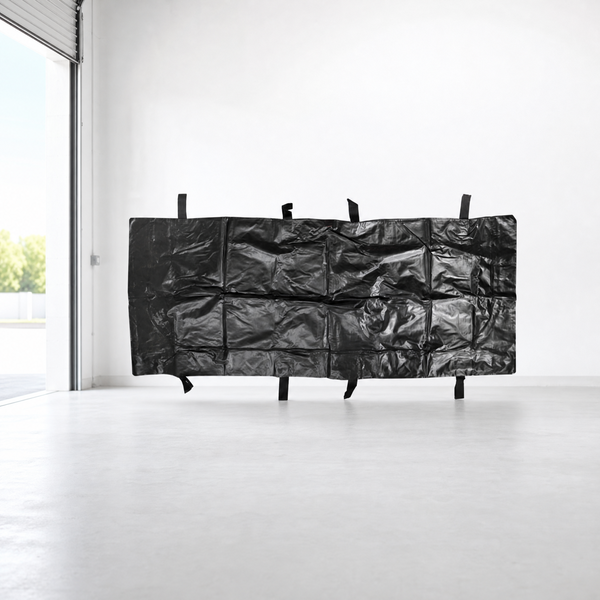
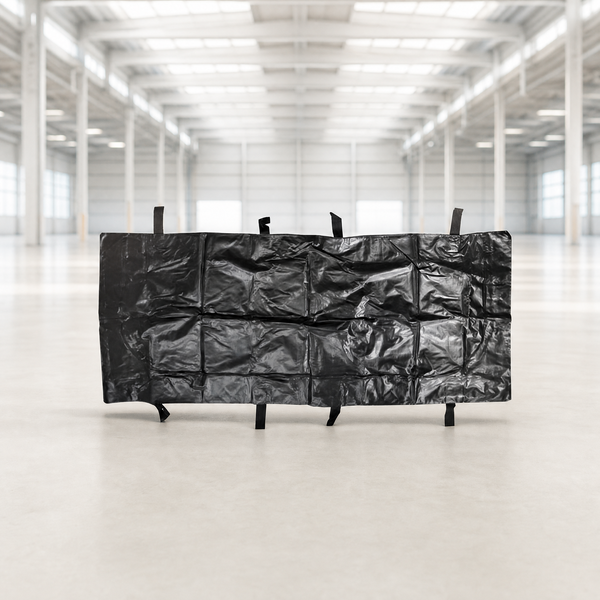
body bag

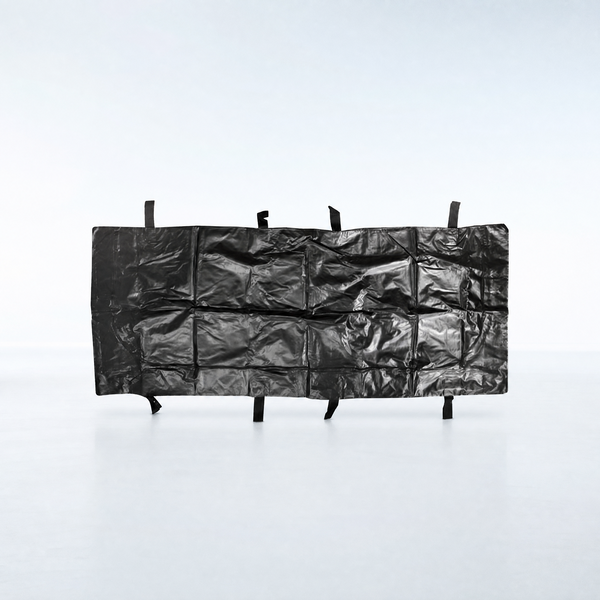
Body  bags are essential products used in various industries,  including healthcare and funeral services, for the  dignified transportation and storage of deceased  individuals.  As  a crucial component  in emergency response and  mortuary practices, selecting the right body  bag involves careful consideration of specifications, quality control, and pricing. This article aims  to provide  insights  into how to compare body  bag specifications, understand  manufacturing quality  measures,  evaluate cost factors,  and equip buyers with the  necessary  knowledge to make informed purchasing  decisions.

Why choose XieHe body bag

How to Compare Body Bag Specifications for Your Purchasing Needs

When assessing body bags, several specifications should be considered to ensure they meet your specific requirements. Key specifications include  material, dimensions, weight  capacity, and sealing methods.

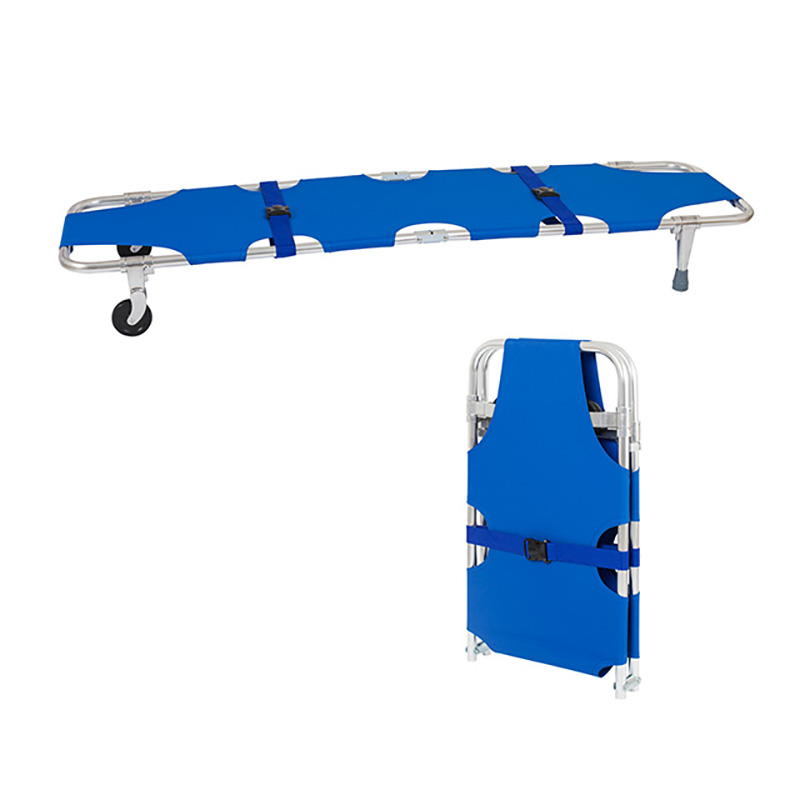
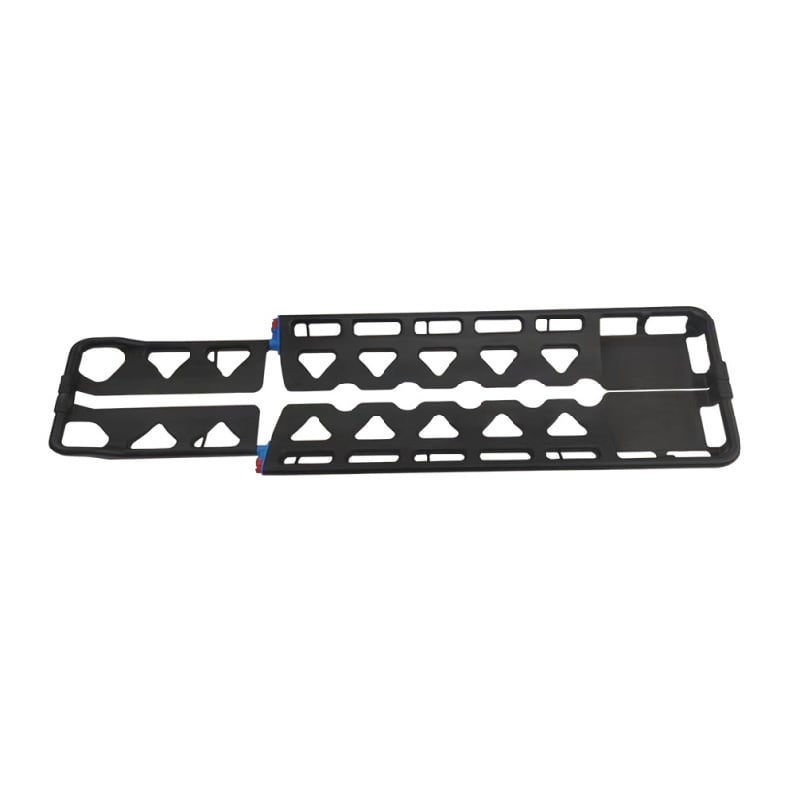
Material: Body  bags are typically made  from durable materials  such as polyethylene, vinyl, or nylon, each providing different levels of moisture  resistance and durability. Consider the intended use—whether for  temporary storage, transport, or long-term  preservation—when selecting the material. For example, the YXH-1H Folding Stretcher is designed for effective transport, which is a crucial aspect of body bag functionality.

Dimensions: Common sizes range from adult to  pediatric, and dimensions should accommodate the body  comfortably. It's  essential to verify that the dimensions are suitable for the average size of the individuals being handled, as improper sizing can lead to complications during transport.

Weight Capacity: Different body bags have  varying weight limits. Ensure the selected bag can safely hold the maximum  expected weight to avoid any  risk during transport.

Sealing Methods: Body  bags often feature zippers or heat seals. Zippers  offer ease of use, while heat seals can provide a  more secure closure. Assess which sealing method aligns best with your operational needs.

Understanding these specifications will empower buyers to  choose body bags that not  only meet regulatory requirements but also enhance the efficiency of their operations.

Frequently Asked Questions

Our Blog Posts

What Our Partners Say

Key Quality Control Measures for Body Bags in Manufacturing

Key Quality Control Measures for Body Bags in Manufacturing

Quality control is paramount in the production of body  bags, ensuring they are safe, reliable, and fit for  purpose. Key measures  include:

Material Testing: Manufacturers should  conduct rigorous testing of raw materials to confirm their durability, moisture resistance, and overall  performance. This includes evaluating tensile strength and resistance to punctures.

Production Process: Adhering to ISO 13485 standards ensures that the manufacturing process for medical devices, including body  bags, is consistent and compliant. This includes regular audits and checks during production.

Final Inspection: Before  shipping, a comprehensive inspection should be performed on the finished body  bags. This ensures they meet all specifications and are free  from defects.  A quality control checklist can include checks for dimensions, sealing integrity, and overall appearance.

Certification: Look for  body bags that are CE and FDA  certified,  as these  certifications indicate that the products meet stringent safety  and quality standards.

By focusing  on these quality control measures,  buyers can ensure that  they  are sourcing body bags that will perform reliably  in critical situations.

Understanding the Cost Factors When Purchasing Body Bags in Bulk

Understanding the Cost Factors When Purchasing Body Bags in Bulk

Cost is a significant consideration when purchasing body bags, particularly  when ordering in bulk. Several factors  can influence pricing:

Material Costs: The choice of material directly affects the price. Higher-quality, more durable  materials may come at a premium, but they often provide better value in  terms of performance and safety.

Order Volume: Bulk purchases generally yield  lower unit  prices.  It's essential to  discuss minimum order quantities (MOQ) with suppliers to understand how pricing can  fluctuate based on the volume  ordered.

Customization: Customization options, such as printed logos or  specific sizes,  can increase costs. Determine whether customization  is necessary for your operations and budget accordingly.

Shipping and Handling: Costs  related  to shipping can vary based on the order size and destination. It's advisable to clarify shipping terms and potential fees with suppliers upfront.

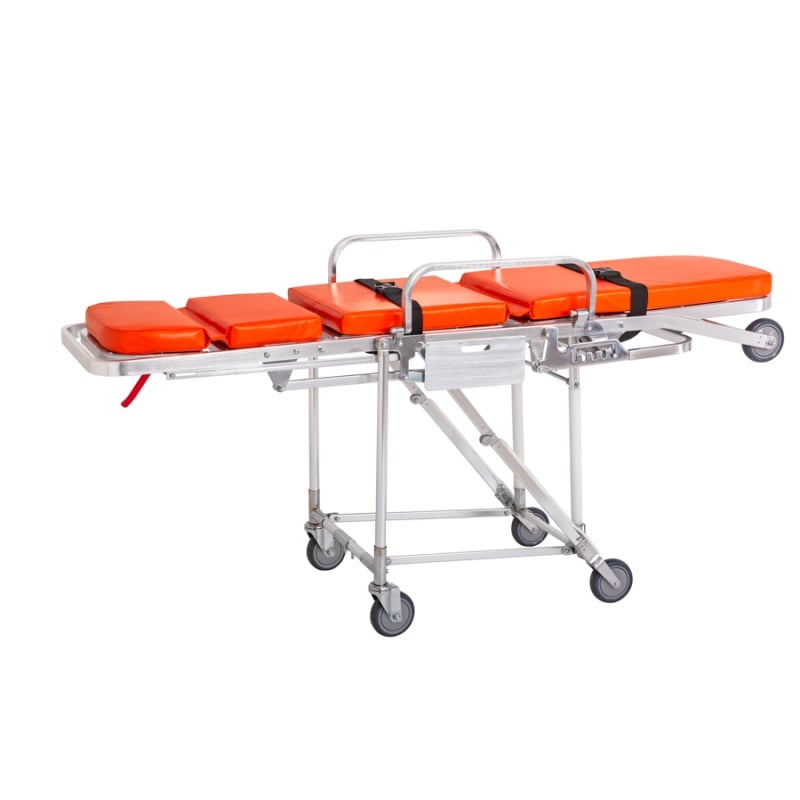
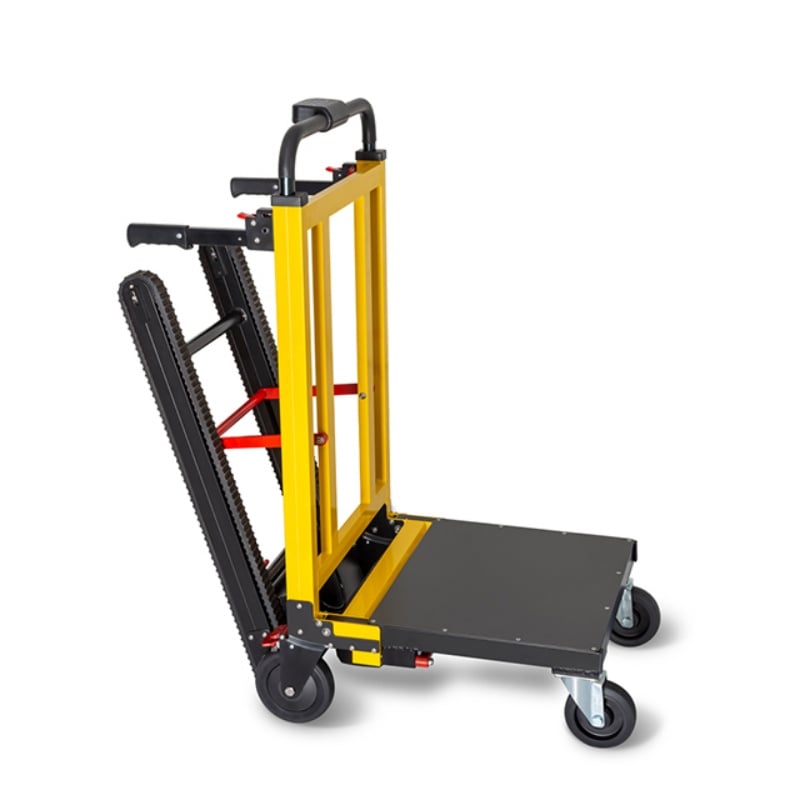
Understanding these cost  factors will allow buyers to make informed  decisions and optimize their procurement  strategy for body bags. Additionally, consider the potential use of specialized equipment like the YXH-5P Stair Stretcher for efficient transportation during operations.

What Buyers Need to Know

What Buyers Need to Know

When preparing to purchase body bags,  buyers should keep several key considerations in  mind to ensure a successful procurement process:

Specifications Confirmation: Before placing an order, confirm all specifications, including size, material, and sealing  method. This reduces the  risk of receiving products that do not meet your needs.

Sample Testing: Request samples to evaluate the  product's quality before committing to a bulk order. Testing samples in  real-world conditions  can help identify any  potential issues  early in the process.

Supplier Evaluation: Assess potential  suppliers  based on their manufacturing  capabilities, quality control processes, and reputation in the market. Engaging  with suppliers  who have a proven track record can  provide peace of mind regarding product  reliability.

Documentation and  Compliance: Ensure that suppliers provide all necessary documentation, including certifications and compliance statements. This will be crucial for regulatory purposes, especially in  medical and funeral applications.

By focusing on these areas, buyers can streamline the purchasing  process and improve the reliability of their supply chain.

A Comprehensive Overview

A Comprehensive Overview

Body bags  play  a vital role  in various sectors, particularly in healthcare and funeral services. Understanding their specifications, quality  control measures, and cost factors is crucial for making informed purchasing decisions. Key considerations include:

Material Selection: Choose materials based  on durability, moisture resistance, and  intended use. Quality Assurance: Look for manufacturers with robust quality control processes  and relevant certifications. Cost  Management: Evaluate  bulk  pricing and consider customization needs against your budget.  Supplier Relationships:  Build strong relationships with reliable suppliers to enhance your procurement  process. 

By keeping these factors in mind, buyers can ensure they select the right body bags  for  their needs, ultimately contributing  to better  operational efficiency  and compliance with industry standards.