Key Specifications to Evaluate When Sourcing Spine Backboards
When sourcing backboards for spine stabilization, several key specifications should be closely examined:
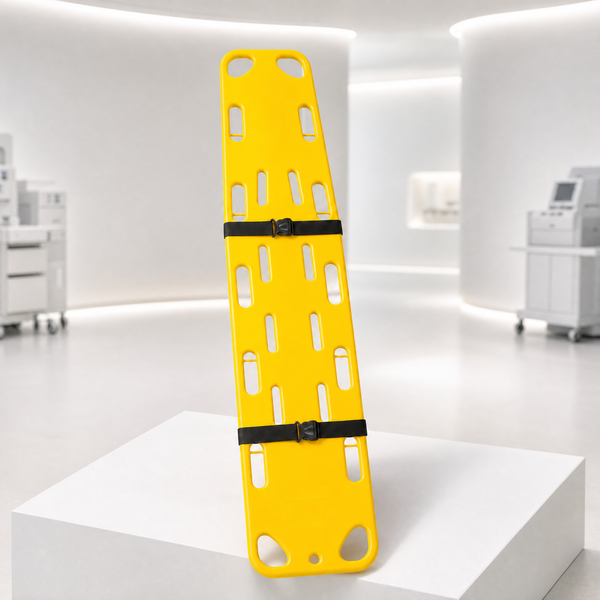
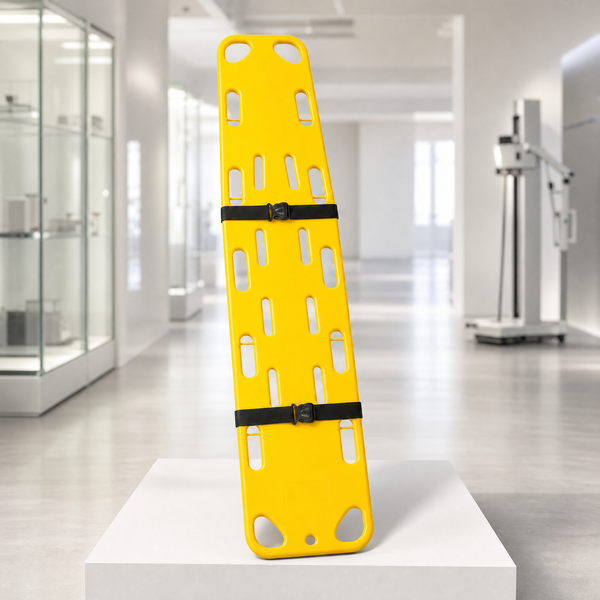
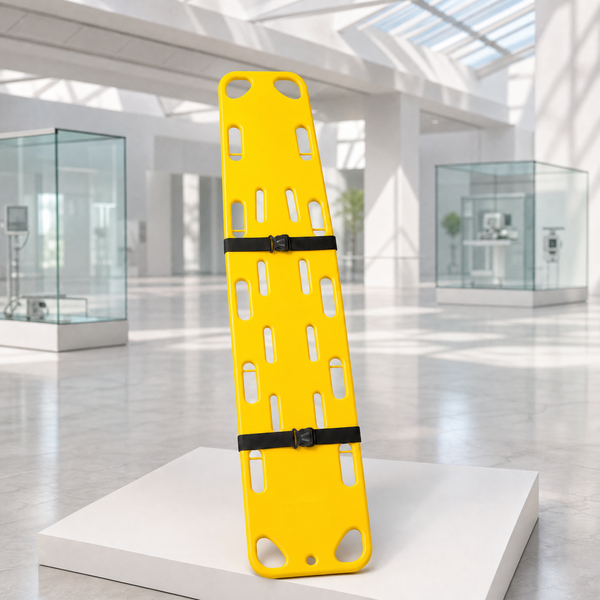
Material Composition: Spine backboards are typically made from high-density polyethylene or similar materials. The choice of material affects the board's durability, weight, and ease of cleaning. A lightweight yet sturdy material ensures easy handling without compromising patient safety.
Dimensions and Weight Capacity: Standard dimensions usually range around 72 inches in length and 16 inches in width, but specific needs may vary by application. It's vital to confirm the weight capacity, which typically supports up to 450 pounds, to ensure the board can accommodate different patient sizes safely.
Design Features: Look for backboards with features such as integrated handholds for better handling, non-porous surfaces for infection control, and compatibility with various immobilization devices, like head straps or cervical collars.
Certification: Ensure that the backboards comply with relevant medical device regulations, such as CE, FDA, or ISO 13485 certifications. This compliance guarantees that the product meets international safety and quality standards.
Customization Options: Some manufacturers, like Zhangjiagang Xiehe Import Export Co., Ltd., offer customization options, allowing buyers to tailor the backboards to specific requirements, such as color coding or branding.
Evaluating these specifications will ensure that the spine backboards sourced meet both the operational demands and safety criteria necessary for effective patient care.
 EN
EN