Key Considerations for EMS Spine Boards

Zhangjiagang Xiehe Import & Export Co., Ltd.

application/ems-spine-board, application/ems-spine-board, 
Inquiry
Inquiry

ems spine board

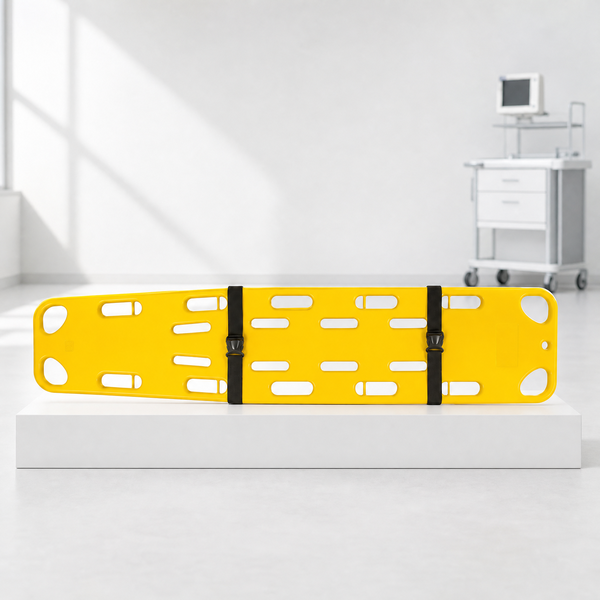
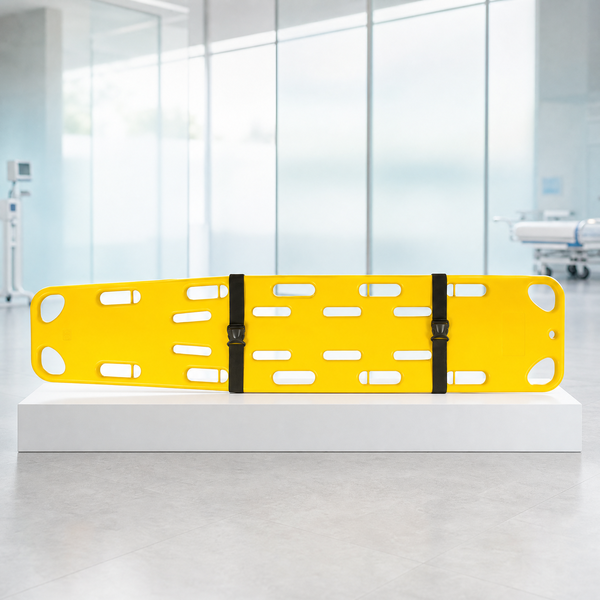
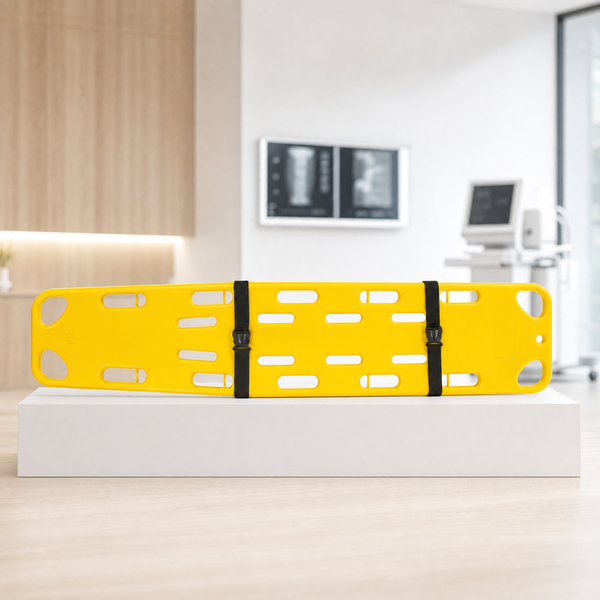
In  emergency medical situations, an  EMS  spine board is  a  critical device  designed to  immobilize  and transport patients safely. Understanding the key specifications,  purchasing  considerations, and applications of these boards  is  essential for buyers such as purchasing managers, distributors,  and  medical professionals.  This article will  provide practical insights into sourcing EMS  spine  boards, ensuring that you  can make informed  decisions for your organization.

Why choose XieHe ems spine board

Our Products

Key Specifications to Evaluate When Sourcing EMS Spine Boards

When sourcing EMS spine boards, several specifications should be carefully evaluated  to ensure the  product meets operational requirements.

Material: Most EMS spine boards are manufactured from high-density polyethylene (HDPE) due to its durability, resistance to chemicals, and ease of cleaning.  Ensure that the  selected material meets  both strength and safety requirements, as  it  should be capable of supporting patients of varying weights without bending or breaking.

Dimensions: Standard  dimensions typically  range from 72 to 84 inches in  length and 16 to 20 inches in width. It’s crucial to consider the dimensions  relative to the intended patient population and ensure compatibility with transport vehicles. For example, using a Stair Solution can assist in transporting patients safely when navigating stairs.

Weight Capacity: A spine board must have a weight capacity that accommodates the largest expected patient. Most boards have a capacity  of at least 600 pounds, but confirm this specification to avoid potential issues during transport.

Surface Features: Look for  features such as handholds for  easier handling and  straps or securing systems to keep patients stable during transport. Some boards come with a non-slip surface, which enhances safety during movement.

Certification: Verify that the spine board complies with relevant  medical standards  and certifications, such as CE, FDA, and ISO 13485. This ensures  the product has undergone  necessary quality checks and meets regulatory requirements.

Frequently Asked Questions

Our Blog Posts

What Our Partners Say

Bulk Purchasing of EMS Spine Boards Explained

Bulk Purchasing of EMS Spine Boards Explained

Bulk purchasing of EMS spine boards offers significant advantages, including cost savings and streamlined procurement processes. When considering bulk orders, buyers should communicate their specifications and requirements clearly,  including the quantity needed, specific model types, and any custom features.

Negotiating Prices: Suppliers often provide discounts  for  bulk orders, which can lead to substantial savings. Understanding the pricing structure and potential for negotiation based on  order volume  is beneficial. 

Lead Times: Discuss lead times with the supplier.  Bulk orders  may  have different lead times compared to smaller orders due to production schedules. Ensure that the timeline aligns with your  operational needs.

Quality Assurance: Confirm that the  manufacturer has a robust quality control process in place for bulk orders. This may include batch testing and inspection protocols  to ensure that every unit meets the specified standards.

Customization Options: If  your organization requires  specific  customizations, such as color coding or  branding, verify that these options are available for  bulk  orders and understand any associated costs. When looking for customized items, consider exploring Funeral Home Products that might also meet your needs.

Cost Factors to Consider When Buying EMS Spine Boards in Bulk

Cost Factors to Consider When Buying EMS Spine Boards in Bulk

When budgeting for bulk purchases of  EMS spine boards, various cost factors  should be taken into account to ensure comprehensive financial planning:

Unit Price: The primary cost is the unit price, which decreases with larger orders. Request quotes from multiple suppliers  to compare pricing effectively.

Shipping Costs: Consider the shipping costs  associated  with  bulk orders. Larger shipments  may qualify for  reduced shipping  rates, but it’s essential to clarify this  with the supplier.

Import Duties and Taxes: For international purchases, be aware of any import duties,  taxes,  or tariffs that may apply. This can significantly impact the overall cost.

Warranty and Support: Some suppliers may offer  warranties or  after-sales support, which can be  a valuable  factor  in the total cost of ownership. Ensure you understand the terms of these services.

Storage and Inventory  Management: If purchasing in bulk, factor in the costs associated with  storage and inventory management, including space requirements and any necessary inventory  tracking systems.

Applications of EMS Spine Boards in Emergency Medical Response

Applications of EMS Spine Boards in Emergency Medical Response

EMS spine boards are versatile tools used in various emergency medical applications:

Trauma Situations: These  boards are essential in trauma cases, providing a secure method to transport patients  with suspected spinal  injuries while minimizing movement.

Sports Injuries:  In  athletic settings, spine boards are frequently used to immobilize athletes who have  sustained serious injuries during  play, ensuring safe  transport to medical facilities.

Rescue Operations: EMS  spine boards are  integral to rescue operations in challenging environments, such as during natural disasters, where injured individuals  need to be moved quickly and safely.

Inter-Facility  Transfers: Hospitals may use spine boards  when transferring  patients between departments or to other  facilities,  maintaining spinal immobilization throughout the process.

Training  and Simulation: EMS spine boards are also used in training scenarios for emergency responders, helping them practice proper immobilization  techniques  and patient  handling.

What Buyers Should Know

What Buyers Should Know

Before finalizing a purchase of EMS spine boards,  buyers should keep several practical considerations in mind:

Sample Approval: Always  request a sample before proceeding with bulk orders. This will allow you to evaluate the product’s  quality,  dimensions, and overall suitability for your needs.

Regulatory Compliance: Ensure that  the supplier adheres to all  necessary regulatory  requirements for  medical devices in your region, including certifications and  safety  standards.

Customization Requirements: If specific  customization is needed, such as additional straps or unique colors, communicate these requirements early in the purchasing process. Discuss the  feasibility and costs associated with these customizations.

Supplier Reputation: Evaluate the supplier’s reputation  within the  industry. Research their history,  customer reviews, and responsiveness to inquiries to ensure you are partnering with a reliable  manufacturer.

Future Needs: Consider your future needs regarding the EMS spine boards. This may involve looking into  the potential for additional orders or variations based on changing operational requirements.

By understanding these aspects, buyers  can  confidently  approach the procurement of EMS spine boards, ensuring they select the right products for their specific applications and organizational needs.