Choosing the Right Spinal Backboard for Emergencies

Zhangjiagang Xiehe Import & Export Co., Ltd.

application/spinal-backboard, application/spinal-backboard, 
Inquiry
Inquiry

spinal backboard

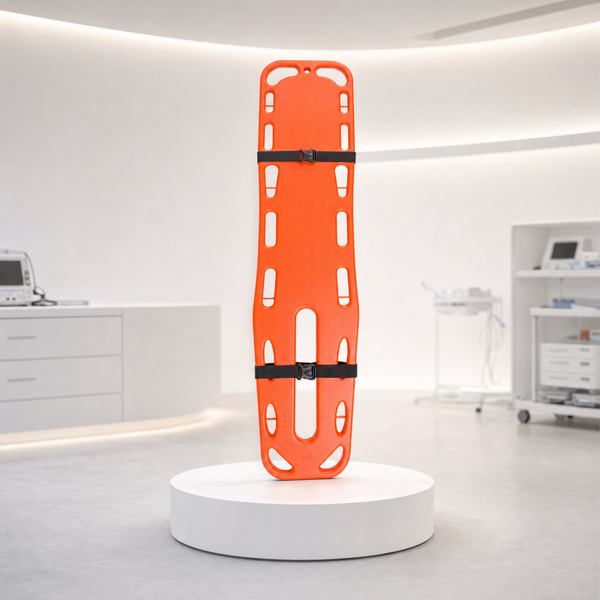
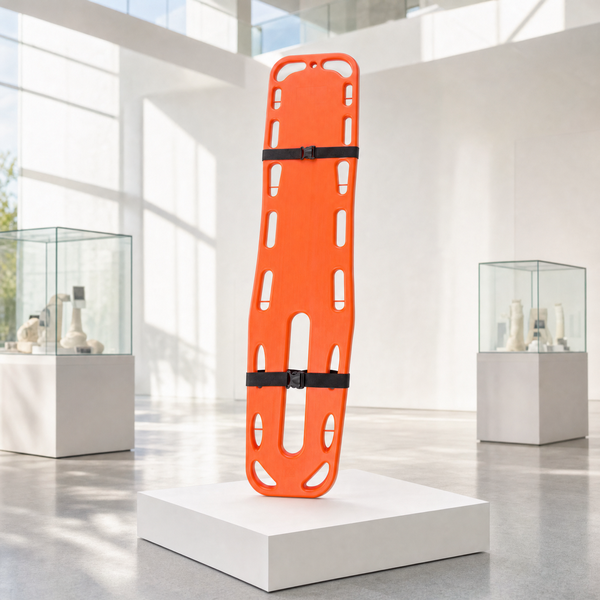
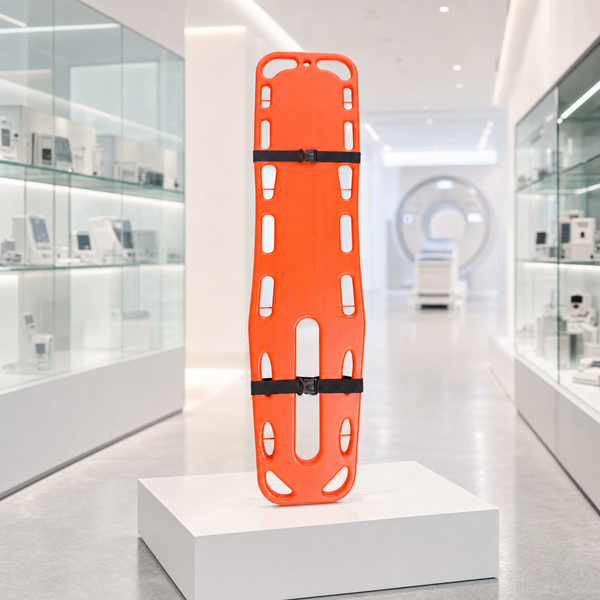
Spinal backboards are essential medical devices used in emergency  situations to immobilize  patients  with suspected  spinal injuries. For  purchasing  managers  and  distributors in the  medical supply  industry, understanding the specifications,  applications, and installation  requirements  of spinal backboards is vital for  making informed procurement decisions. This article will provide insights into selecting the right spinal backboard,  key  specifications  to consider,  effective installation guidelines, common challenges,  and  their applications in emergency services and beyond.

Why choose XieHe spinal backboard

Our Products

Choosing the Right Spinal Backboard for Your Emergency Needs

When selecting a  spinal backboard, it is  important to  consider factors such as material,  weight capacity, and design.  Common materials include high-density polyethylene and  fiberglass,  which provide durability and support  while remaining lightweight for easy transport. The board should also have a weight  capacity that accommodates  the typical range  of  patients. For enhanced transport solutions, consider additional products such as Stair Solution that assist in patient handling.

Another  critical factor is the design of the backboard. Features like handholds for easy  maneuverability and compatibility with immobilization devices such as straps and head  blocks can enhance  its practicality. Buyers should also evaluate the  backboard's compatibility with standard emergency vehicle  equipment, ensuring  it can fit securely without compromising safety during transport.

Frequently Asked Questions

Our Blog Posts

What Our Partners Say

Best Practices

Best Practices

Several specifications are crucial in determining the effectiveness and  suitability  of spinal  backboards:

Dimensions: The length and width should cater  to a wide range of  patient sizes while ensuring  ease of handling. A standard length is usually around 72 inches, while widths  can vary.

Weight: The ideal weight should  allow for easy handling by  emergency personnel without compromising strength. Generally,  a backboard should weigh between  15 to 25 pounds.

Material Thickness: A thickness of  at least 1 inch is recommended to provide adequate support without flexing under load.

Surface  Texture: Non-slip surfaces enhance patient safety during transport and prevent movement during immobilization.

Load Capacity: Ensure that the spinal backboard can support a weight of at least 450 pounds to accommodate larger patients.

Certification:  Look for CE, FDA, or ISO  certifications to ensure the product meets international safety and  quality standards.

By  carefully evaluating these  specifications, buyers  can select a spinal backboard that meets the demands of emergency services.

 
Sourcing Options

Sourcing Options

Proper installation  and usage of spinal backboards are crucial for  patient safety. Here are some guidelines:

Prepare the Environment:  Ensure the area is  clear of obstacles and that the backboard is within easy reach. Emergency personnel should be trained in lifting techniques to minimize the risk of  injury.

Positioning the Patient: Use a  log roll  technique to gently place the patient onto  the backboard.  This method  maintains spinal alignment and reduces  the risk of exacerbating  injuries.

Securing the Patient: Use straps  to secure the patient to  the  backboard, ensuring they are snug but not overly tight. Head  immobilizers should be  utilized to prevent head movement.

Checking Stability: Before transport, verify that the patient is securely fastened and that the backboard is stable. It should not flex or bend under the patient’s  weight.

Training: Regular training sessions for emergency personnel can enhance  their skills in using spinal backboards effectively.

By following these  guidelines, emergency medical teams can ensure the safe and effective use of spinal backboards in critical situations.

Features and Cost Considerations

Features and Cost Considerations

Despite  their effectiveness, spinal backboards can  encounter issues  that may affect their performance:

Flexing Under Load: If a backboard flexes, it  can compromise patient safety  and  comfort. To mitigate this, ensure that the selected backboard has  a  high weight capacity and is made from stiff materials.

Slipping Straps: Straps that slip can lead to  inadequate immobilization. Using straps with locking mechanisms helps secure  the  patient effectively.

Difficult Handling: Heavy  or awkwardly designed backboards can hinder efficient use. Selecting lightweight  and ergonomically designed boards can alleviate this issue.

Cleaning and Maintenance: Backboards need  to be cleaned and disinfected after use. Ensure that the materials used are compatible with common disinfectants to  maintain  hygiene without damaging the board.

Durability Issues: Over time, wear and tear can affect performance. Regularly inspect the backboard for cracks or signs of damage  and replace it as necessary.

By addressing these common problems, organizations can enhance  the reliability and longevity of  their spinal backboards.

 
Why Choose Zhangjiagang Xiehe for Backboards

Why Choose Zhangjiagang Xiehe for Backboards

Spinal  backboards are primarily used in emergency medical services, but their  applications  extend to  various fields:

Ambulance Services: They are crucial for stabilizing  patients with suspected spinal injuries during transport to medical facilities. Additionally, integrating products such as Ambulance Stretcher can further enhance transport efficiency.

Fire and Rescue Operations: Spinal backboards assist in safely extracting patients from challenging environments, such as vehicle collisions or hazardous locations.

Sports Medicine: In sports settings, backboards are used to immobilize athletes who may have sustained spinal injuries during play.

Industrial Accidents: In  manufacturing or construction environments, spinal backboards can be essential for transporting injured  workers safely.


Military Applications: Military  medics  use backboards in  combat scenarios for stabilizing  and transporting injured personnel.

By recognizing these diverse applications, buyers can  appreciate the versatility and importance of spinal backboards in various emergency and medical contexts.


Investing in high-quality spinal backboards from reputable manufacturers  like  Zhangjiagang  Xiehe Import Export Co., Ltd.  can ensure  that emergency services are  well-equipped to handle critical situations efficiently and safely.