Key Specifications for Emergency Spine Boards

Zhangjiagang Xiehe Import & Export Co., Ltd.

application/emergency-spine-board, application/emergency-spine-board, 
Inquiry
Inquiry

emergency spine board

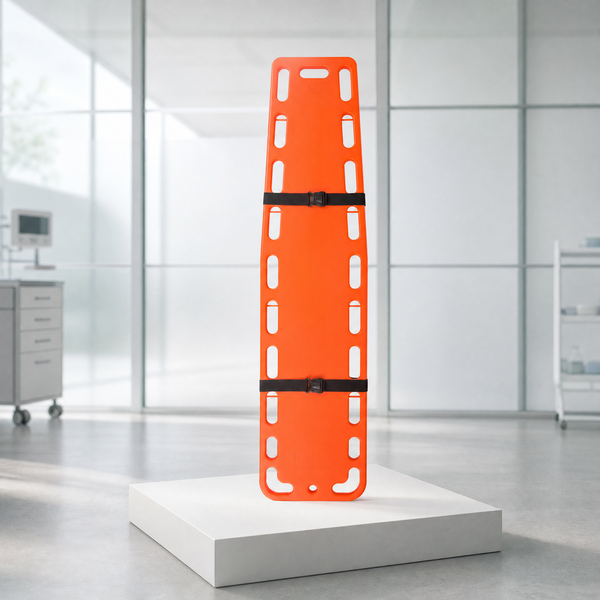
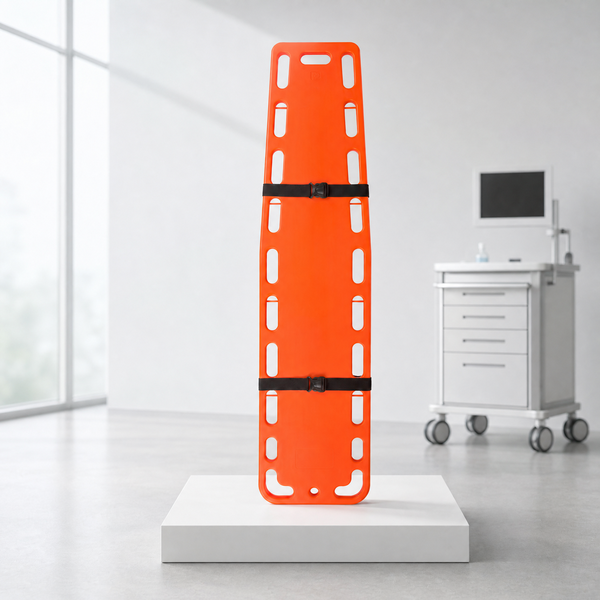
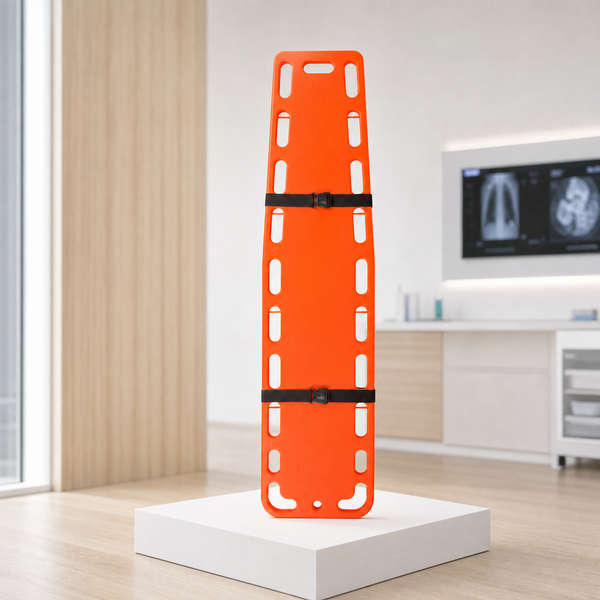
Emergency spine  boards are critical tools used  in medical  emergencies, designed to securely immobilize  and  transport patients with  suspected spinal injuries. For B2B buyers,  such as purchasing  managers and healthcare  providers, sourcing high-quality  emergency spine boards involves understanding  product specifications,  material quality, and cost  factors. This article will guide  you through  key considerations to help  you make informed  purchasing decisions,  ensuring safety  and efficacy  in emergency situations.

Why choose XieHe emergency spine board

Our Products

Key Specifications to Consider When Sourcing Emergency Spine Boards

When sourcing emergency spine boards,  several key specifications are vital to consider:

Dimensions and Weight  Capacity: Emergency spine boards must support a range  of patient sizes. Ensure that the board can accommodate the maximum weight you expect  to encounter,  typically up to 450 pounds for most standard boards.

Material Composition: Common materials include high-density polyethylene and other durable plastics. The choice affects the board's  weight, strength, and ease of  cleaning. Boards made from non-porous materials are preferable for infection control.

Design Features: Look for boards with head  immobilization devices, handholds for  easier handling,  and an appropriate length for patient  safety. Consider  boards with a  tapered design at the head end for better fit and comfort. For example, the YXH-1H Folding Stretcher is designed with excellent features to enhance usability.

Color and Visibility:  Some boards  come in bright  colors for high visibility in emergency situations, which can be crucial in chaotic environments.

Certification: Ensure the product meets relevant certifications such as CE, FDA, or ISO 13485, indicating compliance with international safety standards.


Confirming  these specifications  before  placing an order can prevent issues during emergencies and ensure the board serves its purpose effectively.

Frequently Asked Questions

Our Blog Posts

What Our Partners Say

How to Evaluate the Quality of Emergency Spine Boards for Purchase

How to Evaluate the Quality of Emergency Spine Boards for Purchase

Quality evaluation of emergency  spine boards is  essential for  ensuring patient safety. Here are some practical steps:


Material Inspection: Assess the material quality by requesting samples. Look for rigidity and resistance to bending  under load, which indicates durability. A good board should not flex excessively.

Manufacturing Standards:  Verify  that the manufacturer adheres to  recognized quality control processes. This includes regular inspections during production and final  testing of the products before shipment.

User Feedback:  Research reviews and case studies from healthcare providers who have used the boards in real-life situations. Feedback from  end-users can provide insights into durability and usability.


Customization Capabilities: Discuss customization options that  may enhance usability, such as specific color coding or additional features tailored to your operational needs. For instance, the YXH-5P Stair Stretcher offers various customization options.

Compliance Verification: Ensure the boards have passed necessary  compliance  tests and are certified for  use in emergency medical  services. This guarantees that they meet safety and performance  standards.

By  evaluating these aspects, you can select a product that not only meets regulatory  requirements but also aligns with the operational needs of your facility.

Cost Factors to Consider When Bulk Ordering Emergency Spine Boards

Cost Factors to Consider When Bulk Ordering Emergency Spine Boards

Cost is a significant factor when ordering emergency spine boards in bulk. Here are key  considerations:

Unit Price  vs. Total Cost: While lower unit prices may be attractive, consider the total cost of ownership, including shipping, handling, and potential maintenance.  A slightly higher unit cost  might result in better durability and lower long-term expenses.

Minimum Order Quantities (MOQ): Many manufacturers have MOQs that  can affect your budget. Understand the implications of MOQ on your inventory levels and cash flow.

Customization Costs: Custom features can increase the initial purchase  price. When  evaluating options, consider how these enhancements might lead  to improved operational efficiency or patient outcomes.

Shipping and Handling Fees: These can vary significantly based on the manufacturer’s location and your delivery destination.  Clarify all  associated fees upfront to avoid surprises.

Payment Terms: Negotiate payment terms that work for your cash  flow.  Some suppliers  may offer discounts for  upfront payments or flexible financing options.

By considering  these  factors,  you can make a more  informed decision that balances cost  with quality  and functionality.

Common Problems with Emergency Spine Boards and Effective Solutions

Common Problems with Emergency Spine Boards and Effective Solutions

Emergency spine boards, while  essential, can present challenges. Here are common issues and practical  solutions:

Inadequate Patient Stabilization: If the board does not secure the patient effectively, it can compromise safety. Solutions include using additional restraints or selecting boards with integrated immobilization features.

Material Wear and Tear: Over time, boards can suffer from scratches  or cracks, which may affect their performance. Regular inspections and  a planned maintenance schedule can help identify issues before they  become critical.

Poor  Visibility: In low-light situations, boards that are not brightly  colored can be hard to see. Select boards with high-visibility  colors or  consider adding reflective tape to  enhance visibility.

Complicated Cleaning Processes: If the material is porous or  difficult to clean, it can pose  infection control challenges. Choose non-porous materials that are easy to disinfect after each use.

Storage and  Transport Difficulties: Boards  that  are  too  bulky  or heavy can complicate transport. Opt  for lightweight designs that can be easily handled and stored without taking up excessive space.

Addressing these  common issues proactively can enhance performance and safety, ensuring that the emergency spine boards function effectively in critical situations.

Advantages of Materials Used in Emergency Spine Board Manufacturing

Advantages of Materials Used in Emergency Spine Board Manufacturing

The materials used  in manufacturing emergency spine boards play a crucial role in their performance  and safety. Here are some  advantages of commonly used materials:

High-Density Polyethylene (HDPE): This material is lightweight yet strong, making it ideal for  emergency applications.  HDPE is resistant to chemical exposure, making it easy to clean  and maintain,  which is critical in  a healthcare setting.


Thermoplastics: These materials offer flexibility  and durability. Boards made from thermoplastics can be molded into various shapes, allowing for better patient comfort and fit.

Metal Reinforcements: Some  spine boards incorporate metal components for added strength. This can enhance the board’s load-bearing capacity, making it suitable for heavier patients or rough handling during transport.

Non-Porous Surfaces: Materials that are  non-porous prevent the  absorption of fluids, thus minimizing the risk of infection.  This  is particularly important in emergency medical environments where hygiene is paramount.

Color and Visibility Options: Materials can be manufactured in various colors,  which can aid in quick  identification and improve visibility during  emergencies.

Understanding the advantages of different  materials can help you  select the best emergency spine board for your specific needs and operational requirements.