Choosing the Right Vacuum Stretcher for Emergency Care

Zhangjiagang Xiehe Import & Export Co., Ltd.

application/vacuum-stretcher, application/vacuum-stretcher, 
Inquiry
Inquiry

vacuum stretcher

Vacuum stretchers are vital  tools in emergency medical situations, designed  to immobilize and transport patients  safely. Given their critical role in  healthcare, B2B  buyers, such as  purchasing  managers, distributors, and  healthcare  professionals, often seek reassurance about  the  quality,  suitability, and reliability  of these  products before making  bulk purchases.  This article  will  guide you through the essential considerations when selecting vacuum stretchers,  ensuring you make informed decisions that align with your specific medical supply  needs.

Why choose XieHe vacuum stretcher

Choosing the Right Vacuum Stretcher for Your Medical Supply Needs

When selecting a vacuum stretcher, it’s crucial to  consider several factors, including the intended application, material quality, design specifications, and weight capacity. Vacuum stretchers are  commonly  used in emergency medical services  (EMS),  hospitals, and disaster response scenarios, where rapid and safe patient transport is required.

Key Specifications to Consider:

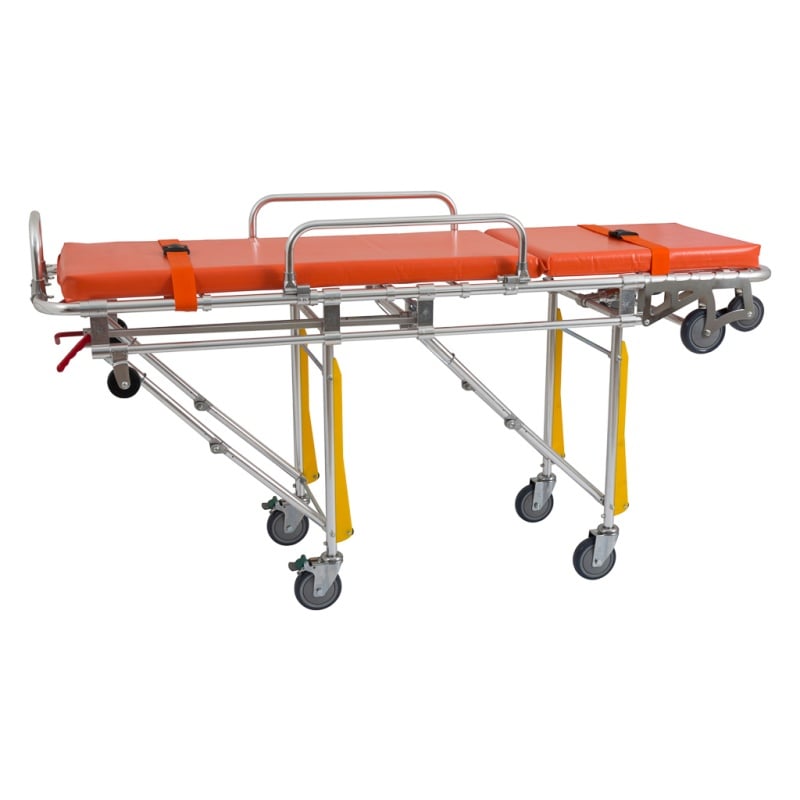
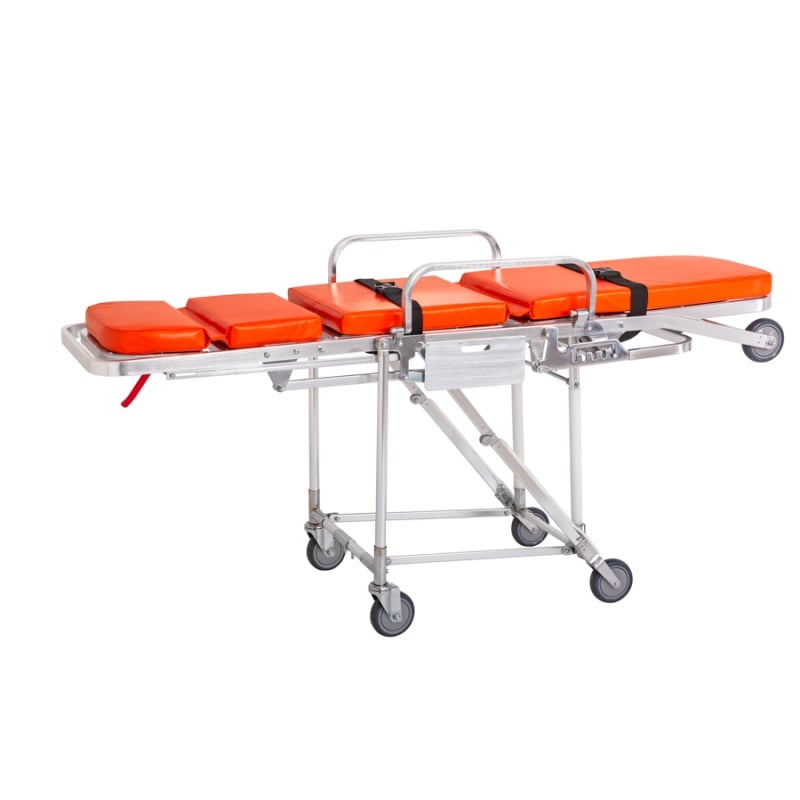
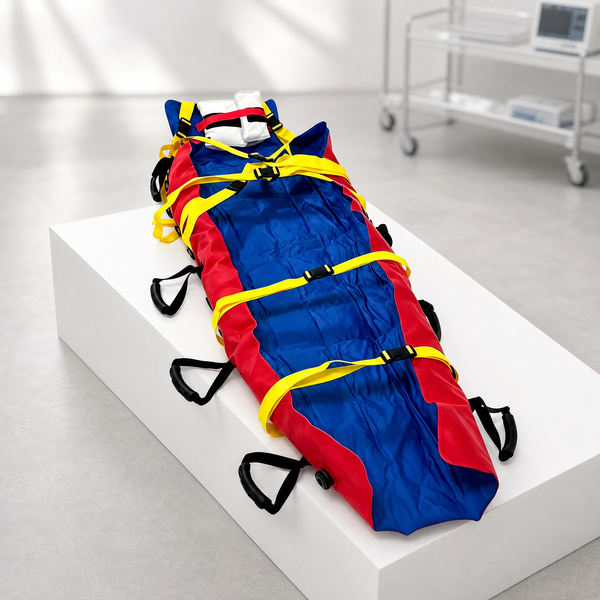
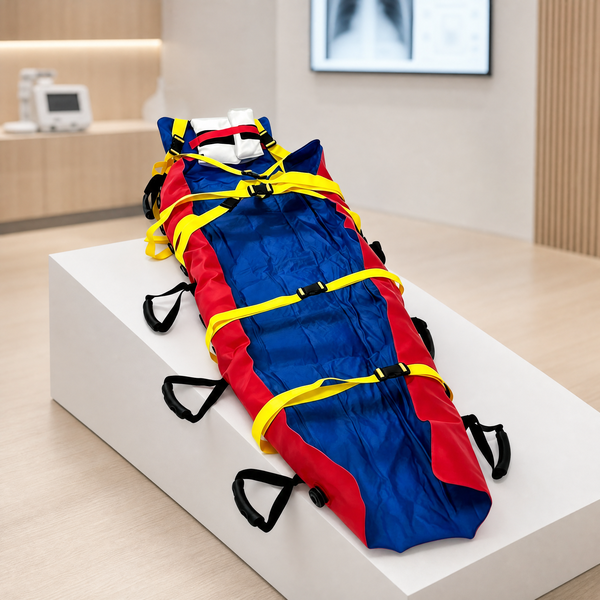
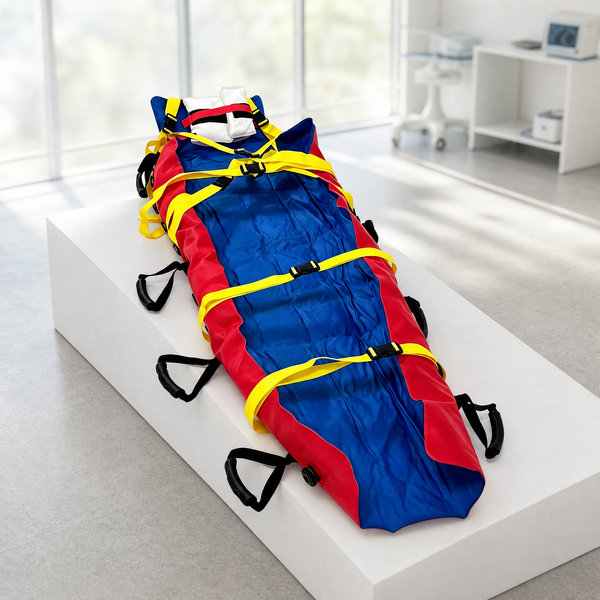
Material: Vacuum stretchers are typically made from durable, water-resistant materials such as PVC or nylon. These materials should not only provide comfort  but also ensure ease  of cleaning and disinfection. Weight Capacity: Ensure the stretcher can accommodate the maximum weight of potential patients. This often ranges between 150 to 250 kg, depending on the  model. Dimensions: The  stretcher should fit  comfortably within  your vehicle or storage space while allowing for adequate patient support. Ease of Use:  Look for features like quick-release valves  and adjustable  straps that enhance  usability in high-pressure situations. Understanding these factors will help ensure that the  vacuum stretcher meets both  your logistical requirements and the safety standards  necessary  for  patient care. If you are looking for a reliable option, consider the YXH-1H Folding Stretcher for its durability and functionality.

Frequently Asked Questions

Our Blog Posts

What Our Partners Say

How to Evaluate the Quality of Vacuum Stretchers for Bulk Purchase

How to Evaluate the Quality of Vacuum Stretchers for Bulk Purchase

Evaluating the  quality of vacuum stretchers is paramount, especially in bulk  purchases where consistency and reliability are critical.  Here are  essential criteria  to assess:

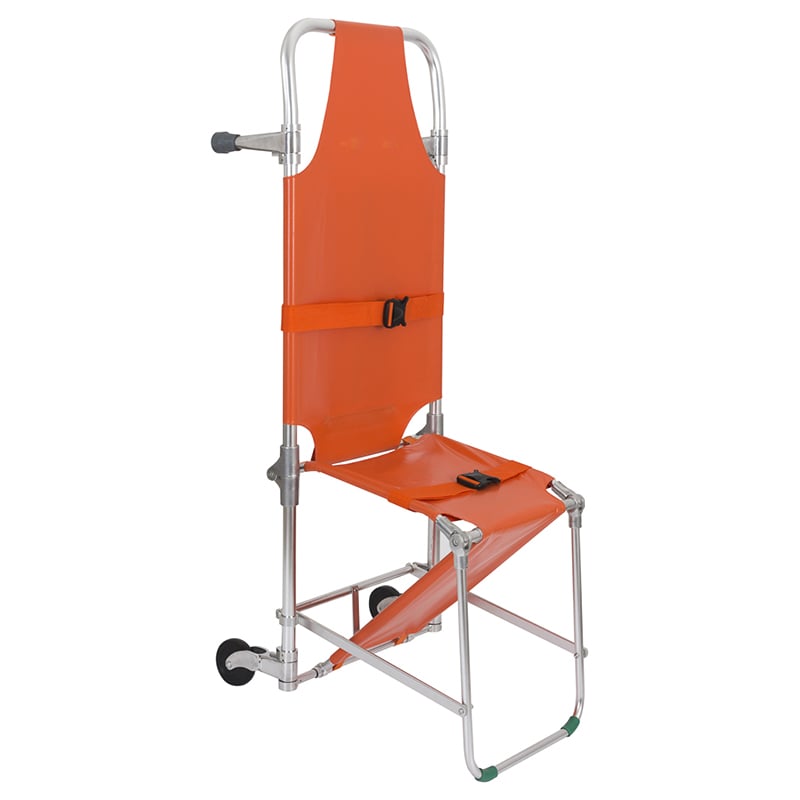
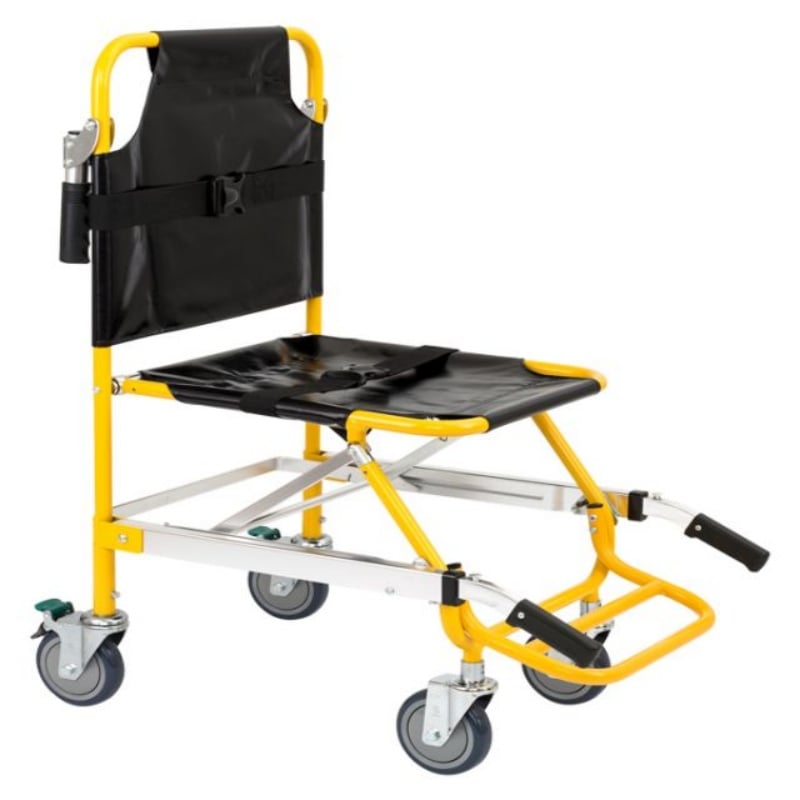
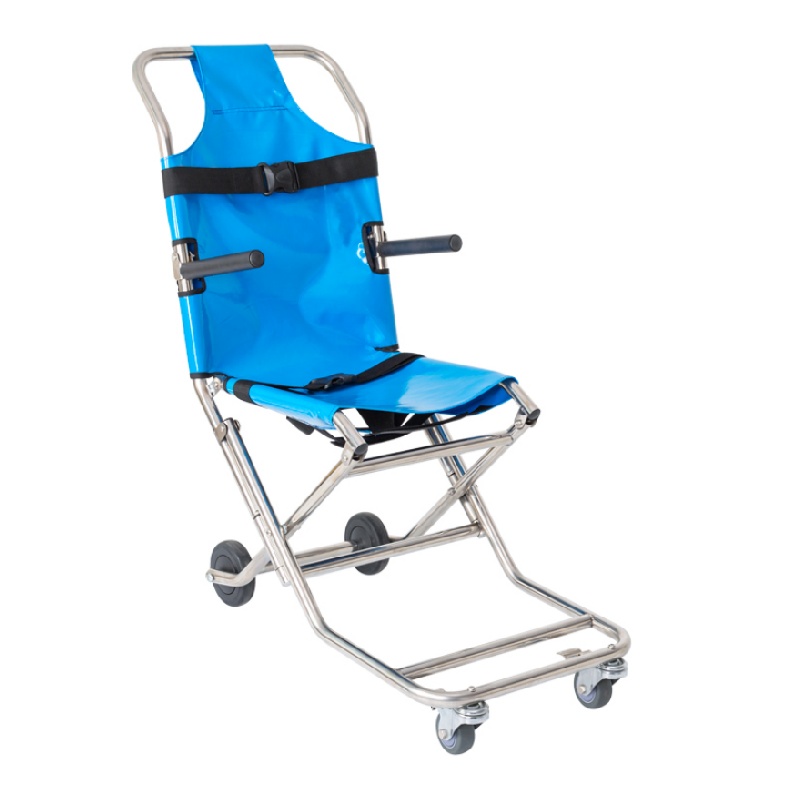
  Certifications: Look for products that have CE,  FDA, and ISO 13485 certifications. These certifications indicate compliance with international safety  and quality standards, ensuring that  the stretchers have undergone rigorous testing. Construction Quality:  Inspect the stitching, seams, and overall build quality. High-quality stretchers should have  reinforced seams and sturdy construction to withstand the rigors of emergency use. Performance Testing: Inquire about performance  tests conducted  by the  manufacturer. These tests should include stability under  load and resistance to environmental factors such as  temperature and moisture. Warranty and Support: A reliable warranty indicates the manufacturer's confidence in the product.  Ensure that there is  adequate support for maintenance and repairs. By prioritizing these quality indicators, you can mitigate risks associated with bulk purchasing and ensure that the vacuum stretchers you acquire  will perform  effectively in emergency situations. Additionally, the YXH-5P Stair Stretcher is another excellent choice known for its robust design and user-friendly features.
Where to Source Reliable Vacuum Stretchers for Wholesale Distribution

Where to Source Reliable Vacuum Stretchers for Wholesale Distribution

Sourcing reliable  vacuum  stretchers requires a strategic approach to identify trustworthy suppliers. Here are some tips:

Industry Reputation: Research potential suppliers and manufacturers. Look for  companies with a solid track  record in  the medical supply industry and positive feedback from previous clients. Distributorships:  Choose  suppliers who have a wide network  of distributors. This not only ensures  product availability but  also provides a support system for logistics  and service. Customization Options: A manufacturer that  offers customization can  tailor products to your specifications, enhancing their usability for specific medical  environments or  applications. Direct Manufacturer Relationships: Establishing a direct relationship with manufacturers like Zhangjiagang Xiehe Import Export Co.,  Ltd. allows for better communication regarding  product capabilities, pricing, and lead  times. By focusing on these sourcing strategies, you can effectively locate suppliers that meet your needs  for quality and reliability  in vacuum stretchers.
Common Problems with Vacuum Stretchers and Effective Solutions

Common Problems with Vacuum Stretchers and Effective Solutions

Understanding common problems associated with vacuum stretchers can enhance your  purchasing  decisions and operational effectiveness. Here are  frequent issues and their  solutions:

Air Leakage: A common issue is air  leakage that can compromise the  stretcher's effectiveness. Regularly inspect the vacuum seals and  valves for  wear and ensure proper maintenance protocols are in place. Material Degradation:  Exposure to harsh cleaning agents  or UV light can degrade materials over time. Choose stretchers made  from UV-resistant and chemical-resistant materials to prolong their lifespan.  User Error: Improper usage can lead to accidents or ineffective  patient transport. Ensure that all staff are  trained  in the correct  operation of  vacuum stretchers, including securing patients properly and operating the vacuum system efficiently.  Addressing these common issues proactively will enhance the reliability and safety  of your vacuum stretchers in emergency  situations.
Installation Guidance for Vacuum Stretchers in Emergency Settings

Installation Guidance for Vacuum Stretchers in Emergency Settings

Proper installation and usage of  vacuum stretchers in  emergency settings  are  vital for effective patient care.  Here are key  steps to ensure optimal installation:

Read the Manufacturer's  Instructions: Always start with the manufacturer’s  guidelines for installation and  use. This includes understanding  how to set up the vacuum system correctly and  any specific operational procedures. Training Sessions: Conduct regular training sessions for all personnel who will be using the vacuum stretchers. This should cover the correct procedures for setting up the stretcher, patient immobilization techniques,  and emergency protocols. Test  Runs: Before deployment, perform test runs  to familiarize staff with the equipment. This helps identify any  potential issues in a controlled environment, ensuring that everyone is comfortable with the stretcher's operation. Maintenance Checks: Regularly schedule  maintenance  checks to inspect the vacuum system, material integrity, and overall functionality of the stretcher. Keeping a detailed log of maintenance activities will help ensure compliance with safety standards and readiness for  emergencies. By following these installation and operational guidelines,  healthcare facilities  can maximize the effectiveness of vacuum stretchers in urgent situations, ultimately improving patient outcomes.