Quality Vacuum Splints for Emergency Medical Use

Zhangjiagang Xiehe Import & Export Co., Ltd.

application/vacuum-splint, application/vacuum-splint, 
Inquiry
Inquiry

vacuum splint

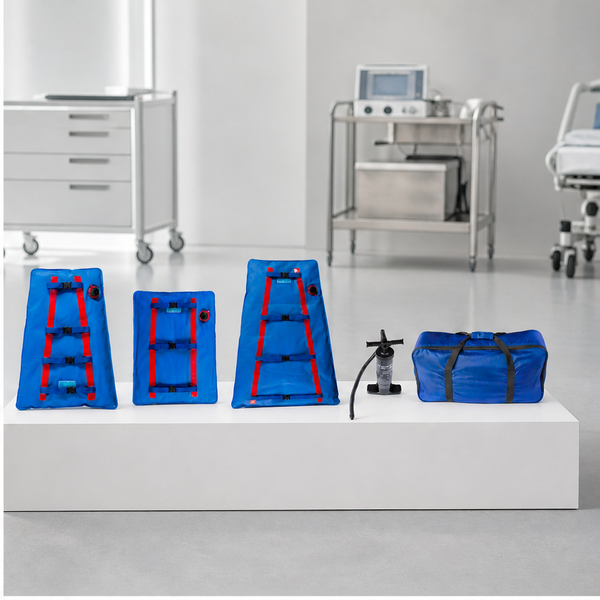
Vacuum  splints are  essential  tools used in emergency medical situations to  immobilize  injured limbs, providing  stability and comfort  during transport.  For  B2B buyers,  such as purchasing managers, distributors, and medical professionals,  understanding the quality specifications,  sourcing options, and applications  of vacuum  splints is critical. This article  will delve into key specifications for quality  vacuum splints, where to source  them  reliably, a comparison of  different materials, installation guidance, and their  applications in emergency scenarios. Additionally, exploring various Funeral Home Products can provide insights into related medical tools.

Why choose XieHe vacuum splint

Key Specifications for Quality Vacuum Splints in Bulk Orders

When ordering  vacuum splints in bulk, several key specifications must be taken into consideration to ensure product quality and performance. These include:

Material Composition: The most common materials used for  vacuum splints are durable, lightweight plastics that are resistant to punctures and tears.  A high-quality splint should have a sturdy outer layer to withstand rough handling, while the  inner layer should be filled with a fine, non-toxic granule that allows the splint to conform to the shape of  the injured limb.

Dimensions and Weight: Buyers should confirm  the  dimensions of the vacuum splint to ensure it fits various body types  and can be easily stored and transported. The weight of the splint is also  important for ease of use in emergency situations.

Vacuum Mechanism: The effectiveness  of a  vacuum splint largely depends on its vacuum mechanism. Look for designs that offer a reliable seal and easy-to-use pumps for creating and releasing the vacuum. This feature is crucial for maintaining the splint's shape and firmness during use.

Certifications:  Ensure that the vacuum splints meet relevant industry standards  and certifications such as CE,  FDA, and ISO 13485. This guarantees that the products have passed quality control processes and are safe for medical use.

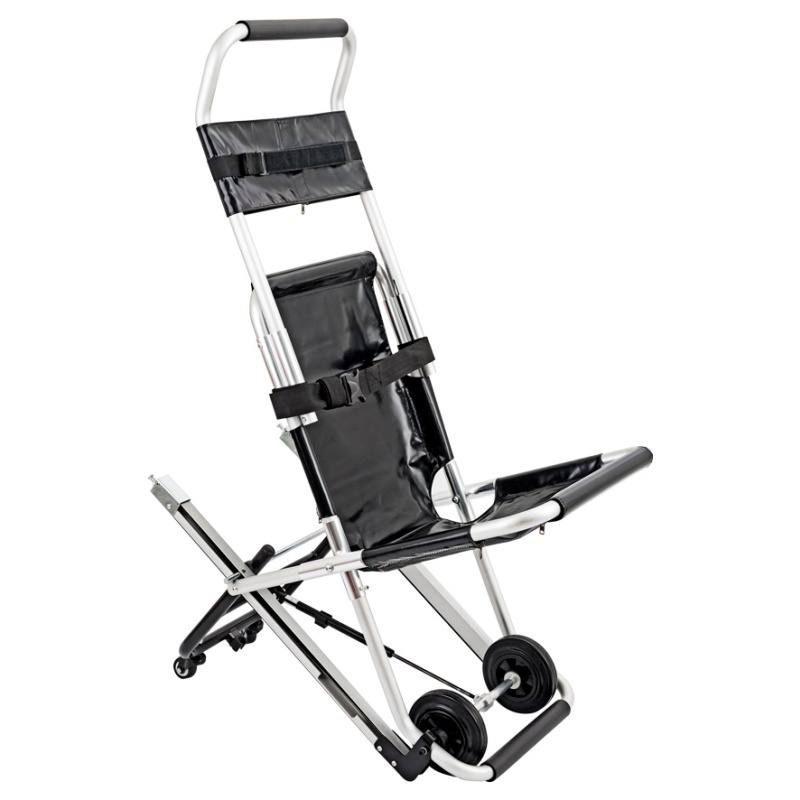
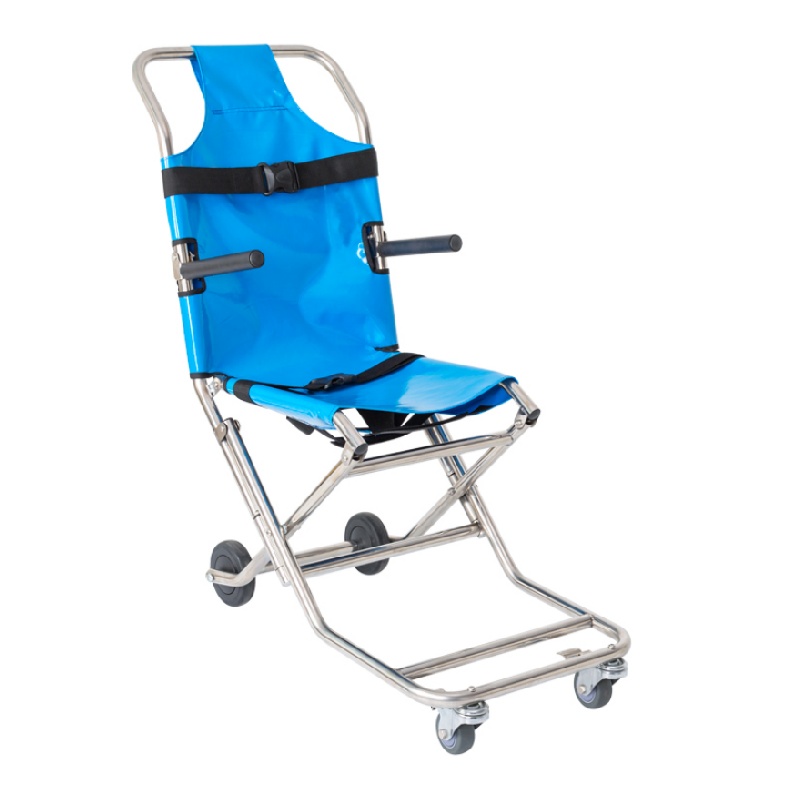
Customizability: For distributors,  the ability to customize vacuum splints to meet specific needs, such as color or  branding, can be  a significant advantage. Additionally, considering options like Manual Stair Chair can enhance product offerings.

Buyers should request detailed product specifications from suppliers and consider  conducting quality  checks on  samples before placing larger orders.

Frequently Asked Questions

Our Blog Posts

What Our Partners Say

Where to Source Reliable Vacuum Splints for Distributors

Where to Source Reliable Vacuum Splints for Distributors

Distributors looking for reliable sources of  vacuum splints should consider several factors:

Established Manufacturers: Partnering with manufacturers like Zhangjiagang Xiehe Import  & Export  Co.,  Ltd., known for  their CE/FDA/ISO 13485-certified production, can ensure high-quality products. A manufacturer’s reputation within the industry can be a strong indicator of reliability.

Global Distribution Networks: Suppliers with a broad global reach, serving over 30 distributors in 120 countries, can provide insights into  market trends and  customer needs. This can help in making informed decisions about inventory and product offerings.

Customization Capabilities: Suppliers that offer customization options  can better meet the specific needs of different markets and enhance competitiveness.  It’s essential for distributors  to inquire  about the customization processes and any associated costs or lead times.

Sample Availability: Reliable  suppliers  should provide samples for evaluation. This allows buyers to  assess the quality and  performance of the vacuum splints before committing  to  larger orders.

Customer Support and Communication: Efficient communication and support from the supplier can significantly  impact the purchasing experience. Look for suppliers that provide clear information on lead  times, pricing,  and bulk order discounts.

Comparing Material Advantages of Different Vacuum Splints

Comparing Material Advantages of Different Vacuum Splints

Vacuum splints can be constructed from various materials, each offering distinct advantages. Here’s a comparison of commonly used  materials:

Polyethylene: This is a lightweight and cost-effective  option,  suitable for general  use. It is resistant to moisture and chemicals but may  not offer the same level of  durability  as  other  materials.

Thermoplastic Elastomers (TPE): TPE is known for  its flexibility and high resilience. It provides excellent comfort for patients while maintaining structural integrity. This material can  be more expensive but offers better performance in terms of conformability and ease of use.

Vinyl Coating: Some vacuum splints come with a  vinyl coating that enhances durability  and makes cleaning easier. This is particularly beneficial in medical settings where hygiene is paramount.

Polyurethane: Known for its high strength and tear  resistance, polyurethane splints are suitable for rugged environments. They are ideal for outdoor emergency  situations where splints may be subjected to harsh conditions.

When selecting materials, consider the  intended application and  the  specific requirements of emergency medical situations. For example, a  splint used in a sports context might prioritize lightweight materials, while one for industrial use may require more durable options.

 
Installation Guidance for Effective Use of Vacuum Splints

Installation Guidance for Effective Use of Vacuum Splints

Proper installation of vacuum splints is crucial for their effectiveness in immobilizing injured limbs.  Here are  key steps for ensuring effective use:

Preparing  the Splint: Before application, check that the vacuum splint is intact and free from damage. Ensure that the vacuum  pump is functioning properly.

Positioning the  Injured Limb: Gently position  the injured limb into the splint, ensuring that it aligns correctly. It’s important to avoid excessive movement to minimize pain and further injury.

Creating the Vacuum:  Use the  pump to remove air from the splint, creating  a vacuum. Monitor the splint as  the air is  removed to ensure that  it conforms  to the shape  of the limb. Proper vacuum creation will enhance immobilization.

Securing the Splint: Once the vacuum is established, secure  the splint with straps or Velcro fasteners, if available.  This helps maintain the splint's position during transport.

Monitoring the Patient: Throughout the transport process, regularly check the patient for comfort and circulation. Adjust the splint as necessary to ensure  it remains snug but not overly tight.

Training  on the installation and use of vacuum splints is essential  for medical personnel to avoid common mistakes that could impact patient  safety.

Applications of Vacuum Splints in Emergency Medical Situations

Applications of Vacuum Splints in Emergency Medical Situations

Vacuum splints are versatile tools with various applications  in emergency medical situations:

Trauma Care: They are primarily used to  immobilize fractures and dislocations, providing  stability during transport to medical facilities. The adjustable nature of vacuum splints allows  them to accommodate different limb sizes and types of injuries.

Sports Injuries:  In sporting  contexts, vacuum splints can be quickly applied to stabilize injuries while allowing for easy transport. Their lightweight design makes them ideal for on-field  use.

Industrial Accidents: In industrial  settings, where injuries may occur due to machinery or accidents, vacuum splints provide  essential immobilization for workers until professional medical  help arrives.

Pediatric Use: Specially designed vacuum splints are available for pediatric patients, ensuring that young patients receive appropriate care without unnecessary movement of  injured limbs.

Emergency Medical Services (EMS): Vacuum splints are commonly used by EMS personnel due to their ease of use and effectiveness in various scenarios, including vehicle accidents and natural disasters.  Understanding the diverse applications of  vacuum splints can aid purchasing decisions  and ensure that buyers select the  right product for their  target market.

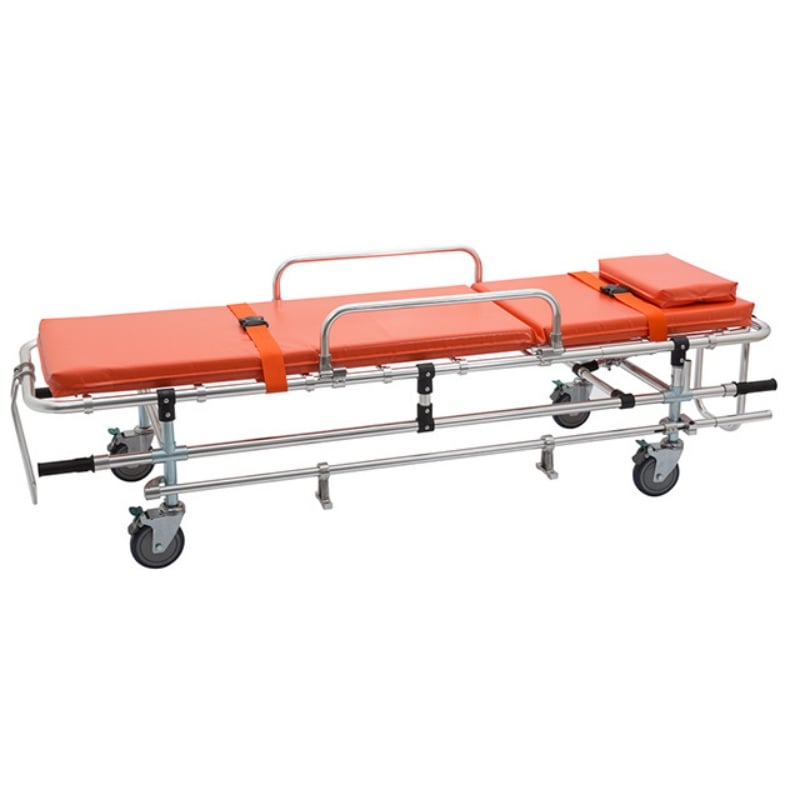
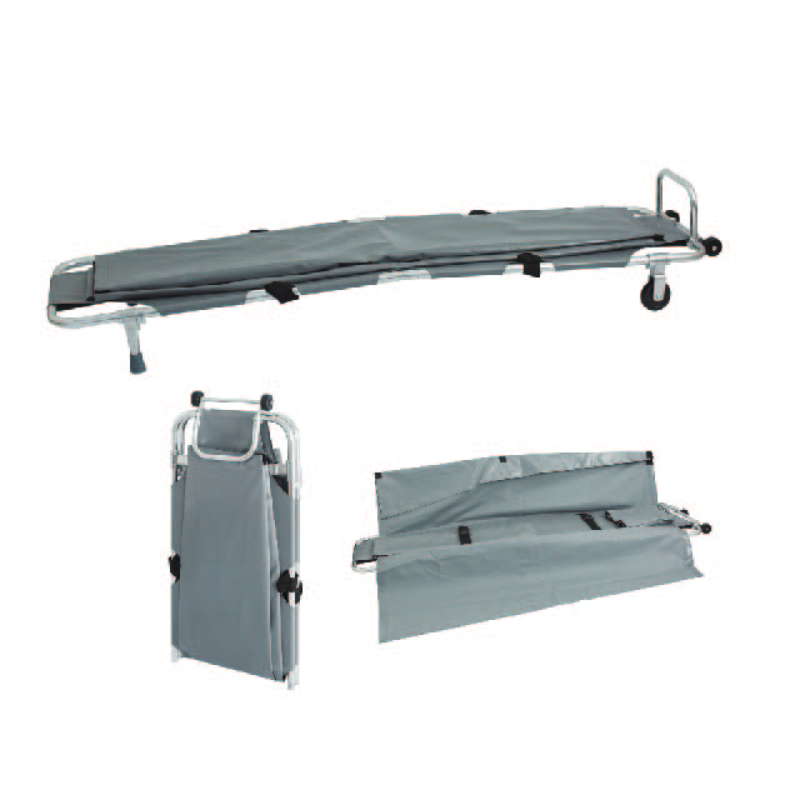
Vacuum splints are critical tools  for emergency care, and understanding  their specifications, sourcing options, material  advantages, installation methods, and applications can significantly enhance decision-making for B2B buyers in the medical field. For additional resources, check out our Stretcher options which can complement your emergency care toolkit.