Essential Guide to Vacuum Splint Pumps

Zhangjiagang Xiehe Import & Export Co., Ltd.

application/vacuum-splint-pump, application/vacuum-splint-pump, 
Inquiry
Inquiry

vacuum splint pump

A vacuum splint pump  is an essential medical device  used  to  immobilize and stabilize injuries, particularly in  emergency settings.  This device creates  a vacuum within a splint, ensuring that it conforms  securely  and comfortably  to the patient's limb. For B2B buyers,  including  purchasing managers and healthcare providers,  understanding the specifications, cost  factors, and applications of vacuum splint  pumps is crucial for  making informed  decisions. This article will provide insights into evaluating these pumps, comparing  models, addressing common issues, and  exploring their  various applications.

Why choose XieHe vacuum splint pump

Key Specifications to Evaluate in Vacuum Splint Pumps

When  selecting a  vacuum splint pump, it is vital to consider several key specifications that impact performance and  usability:

Vacuum Pressure: The maximum vacuum pressure that  a pump can generate is crucial for effective splinting. Higher vacuum pressure allows for better immobilization, ensuring that the  splint  remains secure even during transport.

Material Composition: The materials used in the construction of the pump  and its components should be durable, lightweight, and  resistant to medical-grade disinfectants.  Common materials include high-quality plastics and rubber that can withstand repeated use.

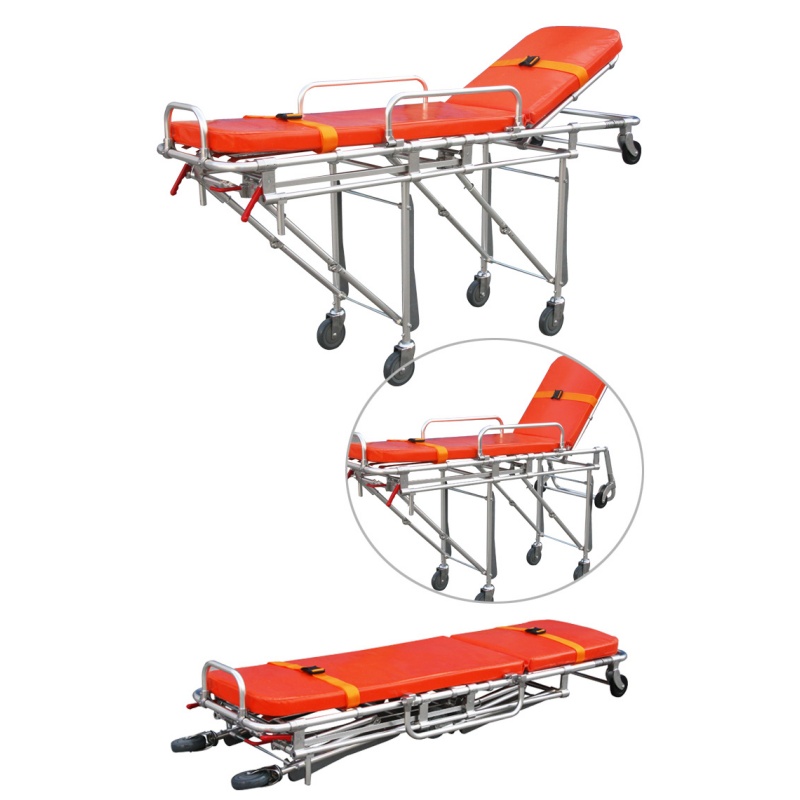
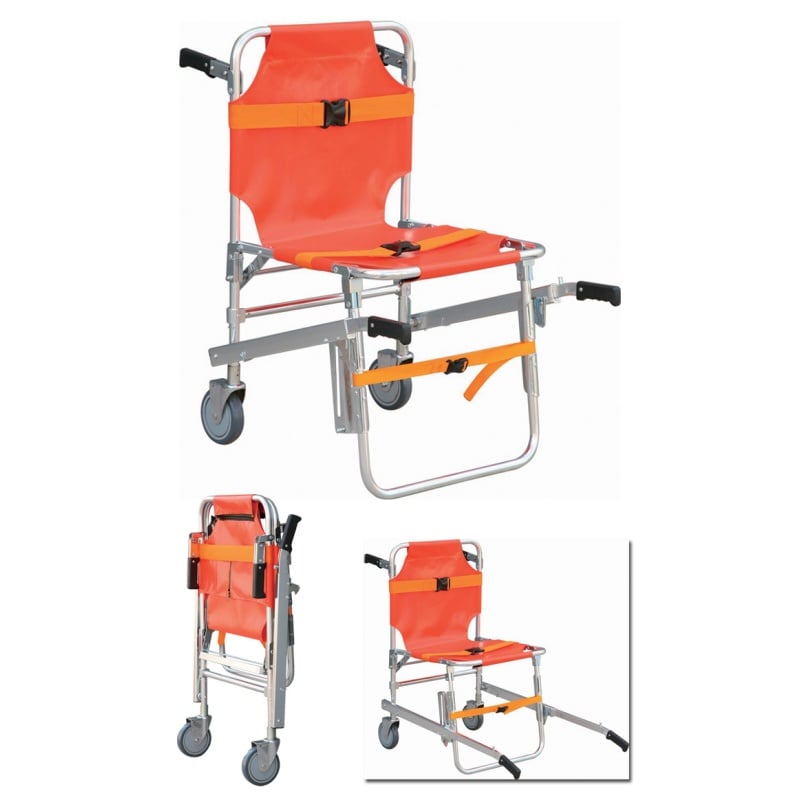
Portability: For emergency medical services  (EMS), portability is key. A compact and lightweight design facilitates  easy transport  and storage, making  it more convenient for  first responders. For instance, the YXH-5P Stair Stretcher is an excellent option for emergency services due to its portability.

Ease of Use: The control mechanism should be user-friendly, allowing quick application and adjustment of the vacuum pressure. Simplicity in operation  can be critical in high-stress situations.

Compatibility:  Ensure that the pump is compatible with the types of vacuum splints  being used. Different splints may require specific types of pumps for optimal performance.

Certifications:  Verify that the vacuum  splint pump complies with relevant medical  device regulations, such as CE or FDA certifications. This ensures that the product meets safety and quality standards.

By assessing these specifications, buyers can ensure that the vacuum splint pump they choose meets their operational needs and complies with safety regulations.

Frequently Asked Questions

Our Blog Posts

What Our Partners Say

Understanding the Cost Factors of Vacuum Splint Pumps

Understanding the Cost Factors of Vacuum Splint Pumps

The cost of vacuum splint pumps can vary significantly based on several factors:

Materials and Manufacturing Quality: Premium materials and higher manufacturing  standards typically lead to  increased costs.  Medical-grade materials that resist  wear and tear and are easy to clean may come  at a premium but ensure durability and safety.

Features and Technology: Pumps equipped with  advanced features, such as digital pressure gauges or automated controls,  may cost more. Evaluate whether these features are necessary for your operations or if a basic  model suffices.

Customization  Options:  If your  organization requires specific customizations—such as branding or modifications to fit  particular  splint  types—these will  add to the overall cost. Discuss customization needs upfront to receive accurate quotations.

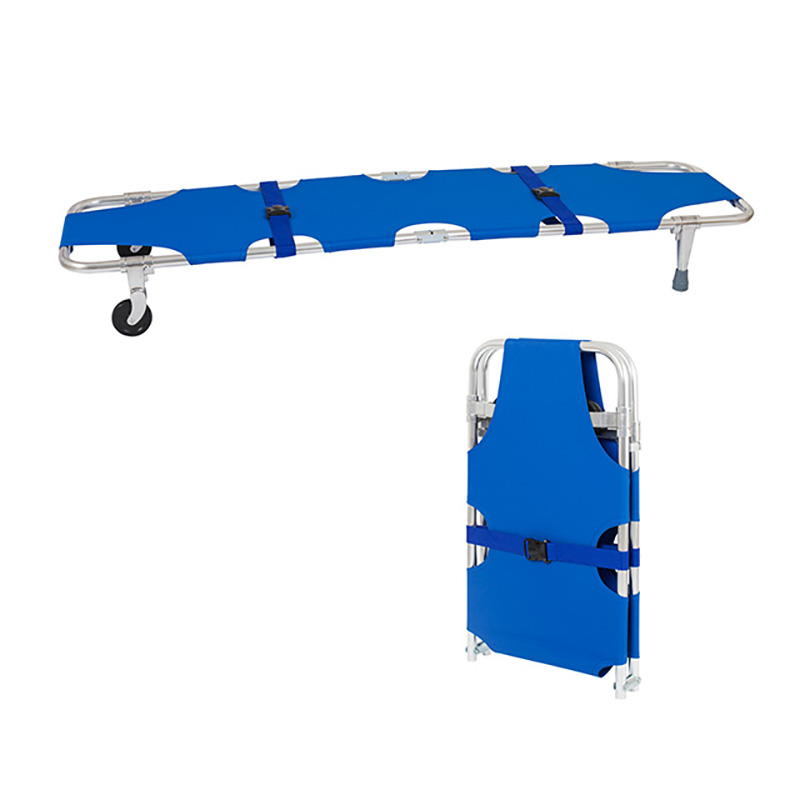
Volume Discounts: Purchasing in bulk  can often lead to  significant savings. Many suppliers, including Zhangjiagang Xiehe Import Export Co.,  Ltd.,  may offer competitive pricing based on order volume. For example, purchasing the YXH-1H Folding Stretcher in bulk could provide considerable savings.

Shipping and Import Duties: When sourcing from international suppliers, consider additional costs  such as shipping, import duties, and taxes, which can impact the overall budget.

Understanding these cost factors will help buyers make informed financial decisions and ensure they are getting the best value for their investment.

How to Compare Different Vacuum Splint Pump Models

How to Compare Different Vacuum Splint Pump Models

When comparing vacuum splint pump models, consider the following steps to ensure a thorough evaluation:

Specification Comparison: Create a comparison chart outlining each model's specifications, including vacuum pressure, materials, and  dimensions. This visual representation can make it easier to identify which models meet your specific requirements.

Performance Reviews: Look for  user testimonials or professional reviews. Feedback from other medical professionals can provide insights into the reliability and  effectiveness of the pumps.

Supplier Reputation: Research the manufacturer's reputation in the industry. Suppliers with experience and a solid track record, like Zhangjiagang  Xiehe  Import Export Co., Ltd.,  can  often provide higher quality products and  better customer support.


Warranty and  Support: Evaluate the warranty offered for each model.  A  longer warranty  period often indicates the manufacturer's confidence in their product. Additionally, check the level of customer service and  technical support  available.

Cost Analysis: After narrowing down your options, perform a  cost-benefit analysis. Consider not only the purchase price but also the long-term costs,  including maintenance and potential replacement parts.

By following these steps, buyers can effectively compare  different vacuum splint  pump models  and select the one that best fits their operational needs.

Common Problems with Vacuum Splint Pumps and Their Solutions

Common Problems with Vacuum Splint Pumps and Their Solutions

Despite their  reliability, vacuum splint pumps can encounter several common issues. Here are some problems and their potential solutions:

Insufficient Vacuum Pressure: If the pump fails to create adequate vacuum pressure, check for blockages in the hose or connections. Regular  maintenance, including cleaning and inspection, can prevent  these  issues.


Material Degradation: Over time, exposure to disinfectants and  other chemicals  may degrade materials. Regularly inspect  the pump for signs of wear,  and consider replacing components as needed  to  ensure continued functionality.

User Error: In  high-pressure situations, operators may not use the pump correctly. Providing thorough training  and easy-to-follow  instructions can help mitigate this issue.

Compatibility Issues: If a pump does not fit well with a particular splint, it  could lead to ineffective immobilization. Ensure  that all equipment is compatible before use and consult the supplier for recommendations.

Leakage: If the vacuum is not maintained, inspect all seals and  connections  for damage.  Proper storage and handling can prevent leaks and extend the lifespan of the pump.

By being aware of these common problems and their solutions, buyers can ensure smoother operations and enhance the reliability of  their medical equipment.

Applications of Vacuum Splint Pumps in Medical and Emergency Settings

Applications of Vacuum Splint Pumps in Medical and Emergency Settings

Vacuum splint pumps have a variety of applications in  medical and emergency settings, making them invaluable tools for healthcare professionals:

Emergency Medical Services (EMS): In pre-hospital care, vacuum splint pumps are used  to immobilize fractures and dislocations quickly.  Their rapid application can stabilize patients during  transport, reducing the risk of further injury.

Hospitals and  Clinics: In emergency departments, these pumps  facilitate  the quick application of splints for a range of injuries. Their ability to conform closely to the patient's limb enhances comfort and  security.


Sports Medicine: Athletic trainers frequently use vacuum splint pumps on the field to treat injuries  swiftly. Their portability makes them ideal for rapid response in sports settings.

Disaster Response: In disaster scenarios, vacuum splints are crucial for transporting injured individuals safely. Their lightweight and compact design allows for easy storage in emergency kits. The YXH-1K Folding Stretcher is an excellent example of a product that fits this need.

Rehabilitation: In some rehabilitation settings, vacuum splint pumps assist in managing injuries during recovery. They provide the necessary support  while allowing for mobility  and rehabilitation exercises.

Understanding these applications helps buyers recognize  the versatility of vacuum splint pumps and their importance in various medical contexts.

By providing  thorough insights into the specifications, costs, comparisons, common problems, and  applications of vacuum  splint pumps, this  article equips B2B buyers with the knowledge necessary to  make  informed purchasing  decisions.