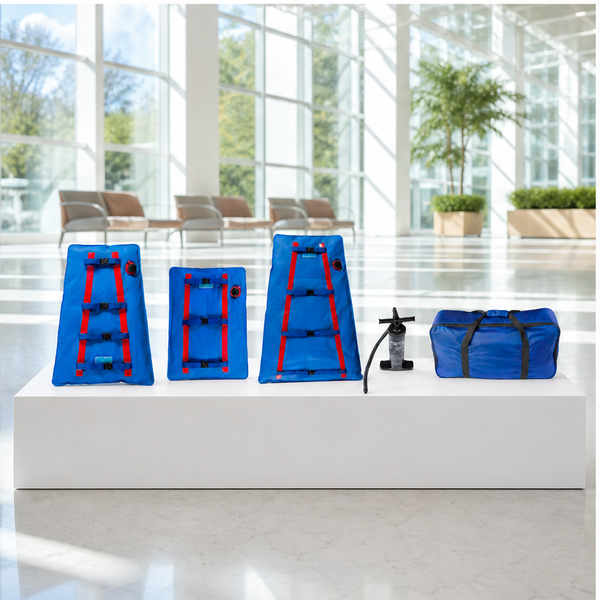
Key Specifications of Leg Vacuum Splints for Buyers

Zhangjiagang Xiehe Import & Export Co., Ltd.

application/leg-vacuum-splint, application/leg-vacuum-splint, 
Inquiry
Inquiry

leg vacuum splint

Leg  vacuum splints  are essential medical devices  designed to  stabilize and immobilize fractured or injured  limbs during transport or treatment. As a B2B  buyer, understanding the  key specifications,  sourcing  options, cost factors, installation guidance,  and applications of leg  vacuum splints can significantly influence  your purchasing decisions. This article aims to equip purchasing  managers, distributors,  and healthcare  professionals with the knowledge necessary to  make informed  decisions when  procuring these  critical medical  supplies.

Why choose XieHe leg vacuum splint

Key Specifications of Leg Vacuum Splints for Wholesale Buyers

When evaluating  leg  vacuum splints, several key specifications should be considered. These include:

Material Composition: Most leg vacuum splints are made from durable, lightweight materials such as  high-density polyethylene (HDPE) or  reinforced vinyl. These materials not  only provide strength  and stability but  also ensure ease of cleaning and disinfection.

Dimensions and Weight: The size of  the splint should accommodate various leg lengths and girths. Common dimensions include lengths of approximately 36 inches and widths that vary to fit different patient sizes. A  lightweight design is crucial for ease of handling during emergencies.

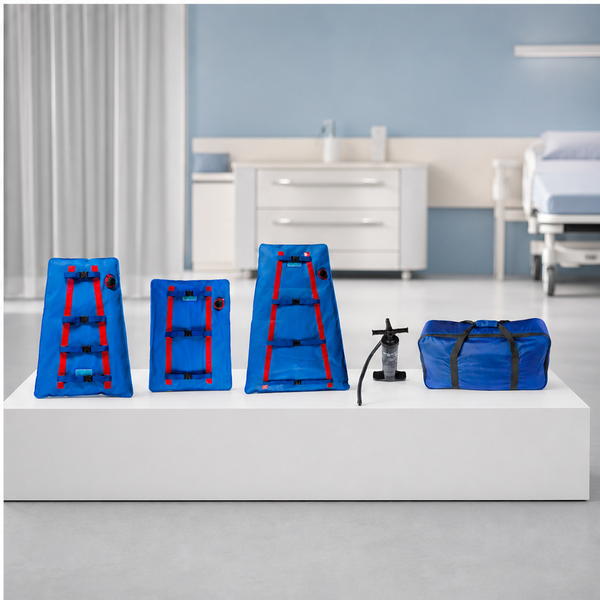
Vacuum System: The effectiveness of a leg vacuum splint is heavily reliant on its vacuum system. Look for  splints  equipped with a reliable vacuum pump and  valve system that ensures quick and efficient air removal, achieving optimal immobilization.

Weight Capacity: Ensure that the splint can support the weight of the intended  patient population. This is  particularly important in emergency settings where different patient sizes  are  encountered.

Certifications: As a wholesale buyer, prioritize products that meet international standards such as CE, FDA, and ISO 13485 certifications, ensuring quality and safety compliance. Additionally, consider exploring various Funeral Home Products that may also include leg vacuum splints and other essential medical supplies.

Understanding these specifications will help you select  the right leg vacuum splint that meets  both medical standards and patient care needs.

Frequently Asked Questions

Our Blog Posts

What Our Partners Say

Where to Source Reliable Suppliers for Leg Vacuum Splints

Where to Source Reliable Suppliers for Leg Vacuum Splints

Sourcing reliable suppliers for leg vacuum splints requires careful consideration of various factors:

Industry Reputation: Start by looking for manufacturers like Zhangjiagang  Xiehe Import  Export Co., Ltd., known for their quality emergency medical supplies. Companies with established reputations in the  industry often have proven track records and positive customer feedback.

Certifications  and Compliance: Ensure that  the  suppliers you consider hold necessary certifications, including  CE, FDA, and ISO 13485. This indicates that their production  processes meet high-quality standards.

Global Reach: Suppliers with an extensive distribution network, such as those serving  over 120 countries, are often better equipped to handle  international shipping, customs,  and regulatory  compliance.

Customization Options: Some suppliers offer customization capabilities, allowing you to tailor products to specific  requirements, such as branding or modifications for unique applications.

Request for  Samples: Before committing  to  a bulk order, request samples. This will allow you to evaluate  the product  quality, performance, and suitability for your specific needs.

Conducting thorough research and  vetting potential suppliers will ensure that you find a dependable partner for your  leg vacuum splint needs.

Cost Factors to Consider When Ordering Leg Vacuum Splints in Bulk

Cost Factors to Consider When Ordering Leg Vacuum Splints in Bulk

When  ordering leg vacuum splints in bulk, various cost factors come into play:

Unit Price: The  base price per unit is a critical factor. Larger orders  often qualify for volume discounts,  which  can significantly reduce overall  costs.

Customization  Fees: If you require customized splints, be aware that these modifications may incur  additional fees. Discuss these costs upfront with your supplier  to avoid surprises.

Shipping Costs: Consider the logistics of transporting your order. Shipping costs  can vary widely based on destination, order size, and shipping method.  Suppliers with a global  network may offer competitive shipping rates.

Import Duties and Taxes: Depending on your  location, import duties and taxes may apply. Understanding these costs beforehand can help you budget more accurately.

Payment  Terms: Evaluate the payment terms offered by suppliers. Flexible payment options or credit terms can  help manage cash  flow, especially for larger orders.

By considering  these cost factors, you can better  manage your budget while ensuring you receive  quality  leg vacuum splints.

Installation Guidance for Leg Vacuum Splints in Emergency Settings

Installation Guidance for Leg Vacuum Splints in Emergency Settings

Proper installation of leg vacuum splints is critical to their effectiveness  in emergency situations. Follow these guidelines:

Initial Assessment: Before application, assess  the patient's injury  to determine  the appropriate splint size and ensure that no further  injury will occur during application.

Positioning: Carefully position  the splint around the injured leg, ensuring  that the splint aligns with the limb's natural contours. This helps in achieving optimal immobilization.

Vacuum Pump Usage: Connect the vacuum pump to the splint’s valve. Activate the pump to remove air from the splint, which will  conform to the shape of the limb, providing support and stability.

Monitoring: Once the splint is in  place, continuously monitor the patient  for any signs of discomfort or  complications. Adjust the  vacuum as necessary to ensure proper immobilization without restricting circulation.

Transport Considerations: Ensure that the patient is  secured adequately for transport.  The splint  should remain intact  and functional during transit to prevent further injury.

Following these installation guidelines will enhance the splint's effectiveness and ensure patient  safety during emergency transport.

Applications of Leg Vacuum Splints in Medical and Industrial Fields

Applications of Leg Vacuum Splints in Medical and Industrial Fields

Leg  vacuum splints have  versatile applications across various  sectors:

Emergency  Medical Services (EMS): In EMS,  leg vacuum splints are  crucial for stabilizing fractures during transport. Their lightweight and conforming  design allows for quick application in pre-hospital  settings.

Hospitals and  Clinics: Within hospitals, these splints assist healthcare professionals in  managing orthopedic injuries. They are particularly useful in surgical settings where  immobilization is required pre- and post-operatively.

Industrial  Settings: In industrial environments, leg  vacuum splints can be utilized for  first aid response to workplace injuries. Their ability to provide immediate stabilization can be vital in preventing further harm.

Sports Medicine: These splints are often employed in  sports medicine to treat injuries sustained during  athletic activities, facilitating immediate care and transport  to medical facilities.

Understanding the diverse applications of leg vacuum splints  ensures that you can effectively utilize them in various contexts, improving patient outcomes and safety in your operations.