Ambulance Trolley Types and Cost Factors

Zhangjiagang Xiehe Import & Export Co., Ltd.

application/ambulance-trolley, application/ambulance-trolley, 
Inquiry
Inquiry

ambulance trolley

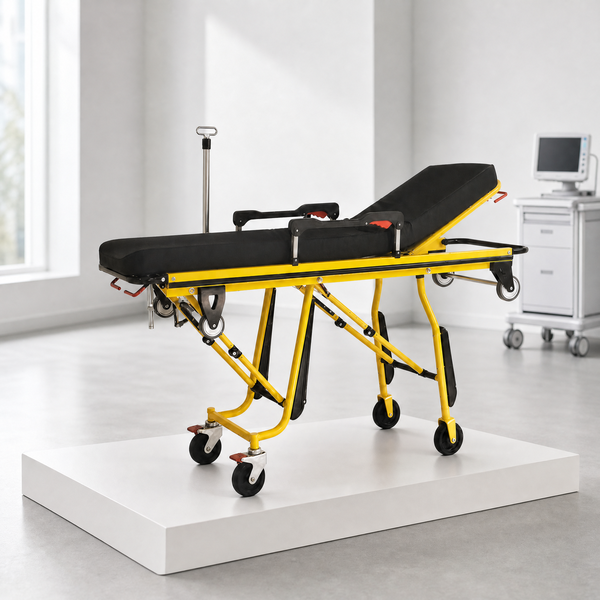
Ambulance trolleys are  essential equipment  in emergency medical services, designed to  safely transport  patients from the  scene of an  emergency to medical facilities.  Given  their critical  role in patient care,  B2B  buyers, including purchasing managers and medical facility operators, often have specific concerns regarding durability,  customization,  and compliance with medical standards. This article will help you  understand the different types of ambulance trolleys  available,  their cost  factors, common  issues, supplier  reliability, and various applications in emergency medical  services.

Why choose XieHe ambulance trolley

Our Products

Comparing Different Types of Ambulance Trolleys for Optimal Use

When selecting an  ambulance trolley, it’s important  to consider the specific features and types available. Key variations  include:


Manual  Trolleys: These require manual operation to adjust height and positioning. They are often lighter and more affordable but  may lack  the advanced features found in  motorized models.

Motorized Trolleys: These trolleys offer electric  height adjustment and can be easier to maneuver. They are particularly beneficial for larger or  heavier patients, reducing the  physical strain  on medical personnel.

Foldable Trolleys: Designed for portability, these trolleys can be  easily stored and transported. They may not be as sturdy  as fixed models  but are useful in situations where space is limited.

Specialized Trolleys: Certain trolleys  are designed for specific medical  situations, such as bariatric patients or pediatric care. These models  often come with added support and safety features tailored to their intended use.

Understanding these types allows buyers  to select a trolley that meets their operational needs, ensuring  optimal patient care during transport. Additionally, buyers can explore options like Funeral Home Products for specialized applications in their operations.

Frequently Asked Questions

Our Blog Posts

What Our Partners Say

Understanding the Cost Factors of Ambulance Trolleys for Buyers

Understanding the Cost Factors of Ambulance Trolleys for Buyers

The cost  of ambulance trolleys can vary significantly based on  several factors:

Material Quality: Trolleys  made from high-grade aluminum or  stainless steel may have a higher upfront cost  but  offer  enhanced durability and corrosion resistance, ultimately saving money on repairs and replacements.

Customization Options: Custom features, such as special colors, additional  safety equipment, or modified  dimensions, can  increase the price. Buyers should consider whether these customizations are essential for their  operations.

Technological Features: Advanced  features like integrated monitoring systems or electronic  controls can add to the cost. However, these features may improve efficiency and patient  care, making them worthwhile investments.

Supplier Reputation: Established  manufacturers  with proven track records may charge a  premium for  their products due to quality assurance and reliability,  which can be critical in emergency situations.

Understanding these cost factors can help buyers make informed decisions and  budget appropriately for their ambulance trolley needs. In some cases, additional equipment like Stretcher may be necessary to complement the trolleys.

Common Problems with Ambulance Trolleys and Their Solutions

Common Problems with Ambulance Trolleys and Their Solutions

While ambulance trolleys are  designed for reliability, various  issues may arise during operation. Here are some common problems and suggested solutions:


Stability Issues: If a trolley wobbles or feels unstable, it could indicate improper assembly or wear over time. Regular inspections  and maintenance checks can help identify issues before they affect performance.

Malfunctioning Mechanisms: Trolleys with electric features may experience mechanical failures. These can  often be resolved through routine servicing and by ensuring that all electrical components  are correctly maintained.

Weight Capacity Limitations: Exceeding  the recommended  weight capacity can lead to safety risks. Buyers should always verify the specifications  and ensure that the  trolley is suitable for their typical  patient load.

Difficult Maneuverability: If a trolley is hard to maneuver, it might be  due to design  flaws or inadequate wheel quality. Selecting a model with high-quality wheels and a design tailored for  easy navigation can help mitigate this issue.

By being aware of these problems and  their  solutions, buyers  can ensure that their  ambulance trolleys are safe  and effective in  real-world applications.

Evaluating Supplier Reliability for Ambulance Trolley Purchases

Evaluating Supplier Reliability for Ambulance Trolley Purchases

Choosing a reliable supplier is crucial when purchasing ambulance trolleys. Here are  several factors to consider:


Certifications and Standards: Ensure that the supplier adheres to international quality standards  such as CE, FDA, and ISO 13485.  These certifications indicate that the products meet rigorous  safety and  performance standards.

Manufacturing Capabilities: A supplier's production  capabilities can affect the quality and availability of the  trolleys.  Look for manufacturers with  modern facilities and quality  control processes to ensure consistent product quality.

Customer Reviews and  References: Researching feedback from other buyers  can  provide insights into the supplier's reliability and product  performance. If possible, ask  for references from existing customers.

After-Sales Support: A reputable supplier should offer robust after-sales support, including  warranty information  and maintenance services. This  can be critical for addressing any issues that arise post-purchase.

By  taking these factors into account, buyers can select suppliers who not only provide quality products but also support their operational needs effectively.

Applications of Ambulance Trolleys in Emergency Medical Services

Applications of Ambulance Trolleys in Emergency Medical Services

Ambulance trolleys play a vital role in emergency medical services  across various applications,  including:

Emergency Response: In situations requiring immediate medical attention, ambulance trolleys  facilitate the rapid transport of patients from the  scene to medical facilities, ensuring timely care.

Inter-hospital Transfers: Trolleys are also used for transferring patients between  hospitals, especially for those requiring specialized care not available at their initial location.

Event  Medical Services: At large public events, ambulance trolleys are essential for quickly addressing medical emergencies,  providing a safe means  to transport patients  to treatment  areas.

Home Healthcare: In some cases, trolleys are utilized for patients receiving care at  home, allowing caregivers to transport patients  safely  and comfortably.

Understanding  these applications  can help buyers  select the  appropriate trolley models for their specific operational  contexts, ensuring  they have the right equipment for different scenarios.