Understanding Hospital Stretcher Prices and Selection

Zhangjiagang Xiehe Import & Export Co., Ltd.

application/hospital-stretcher-price, application/hospital-stretcher-price, 
Inquiry
Inquiry

hospital stretcher price

When considering  the purchase of a  hospital stretcher, understanding the  various  factors influencing  hospital stretcher prices is  crucial for healthcare facilities, procurement managers, and distributors. This article  delves into essential considerations,  specifications, and best  practices  for  selecting  the right stretcher,  helping you make informed purchasing decisions while navigating the  complexities of  costs  associated  with  these  critical  medical devices.

Why choose XieHe hospital stretcher price

Our Products

How to Choose the Right Hospital Stretcher for Your Needs

Selecting  the appropriate hospital  stretcher involves evaluating several key factors tailored to your specific requirements. First, consider the stretcher’s  intended use—whether for emergency transport, patient transfer within a facility, or specialized  applications such as  bariatric  patients. Each use case  may necessitate different features.

Next, assess the stretcher's dimensions and weight capacity. Standard  stretchers typically accommodate  patients up to 150 kg, but for heavier patients,  a bariatric stretcher with a higher weight capacity and  wider dimensions is  essential. Additionally, consider the stretcher's  maneuverability, especially in  tight spaces where agility is crucial.

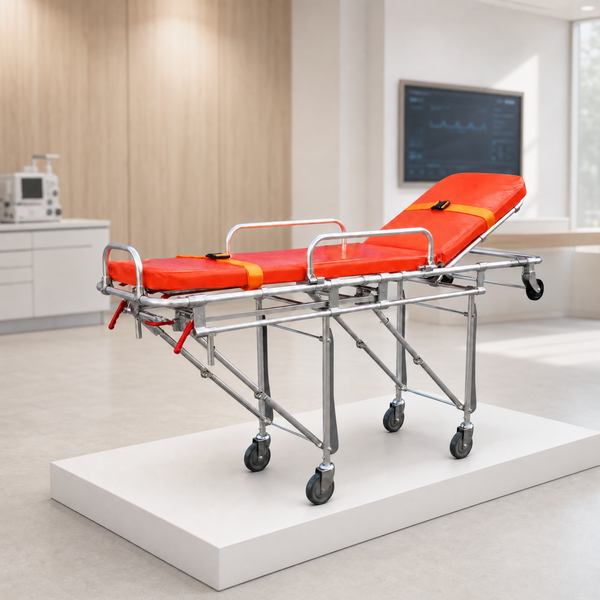
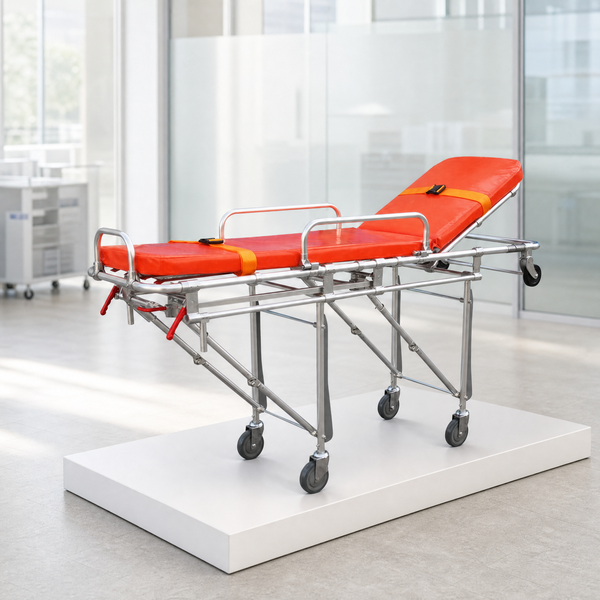
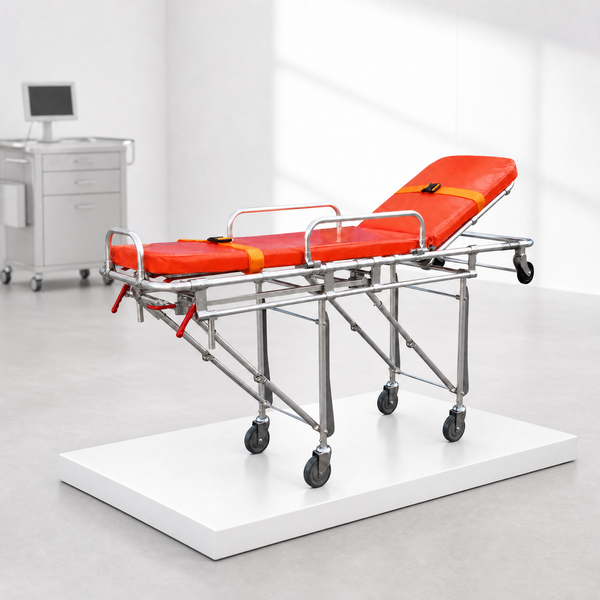
Material selection also plays a significant role in the decision-making process. Stretchers made from lightweight  yet durable materials, like aluminum or high-strength plastics, can ease transport without compromising strength.  Furthermore, consider if the stretcher features  adjustable heights or  foldable designs for space-saving and versatility  in various environments. For instance, the YXH-1H Folding Stretcher is designed with these features in mind.

Frequently Asked Questions

Our Blog Posts

What Our Partners Say

Key Specifications for Hospital Stretchers

Key Specifications for Hospital Stretchers

When evaluating hospital stretchers,  several specifications should be prioritized:

Weight Capacity: Ensure the stretcher can  safely support the maximum expected patient weight. Exceeding this limit can result  in structural failure.

Material Composition: The materials  used should  be easy to clean and resistant to corrosion and wear.  Stainless steel and high-density polyethylene are common choices for their durability and hygiene-friendly properties.

Dimensions: Standard stretchers generally measure around 60 cm in width and 180 cm in length.  However, customization  may be  necessary  to fit specific patient or operational needs.  For instance, YXH-5P Stair Stretcher may offer different dimensions suitable for various environments.

Adjustability: Look for  features such as height adjustment and  backrest recline, which enhance patient comfort and assist medical personnel in providing care.

Safety Features: Ensure the stretcher  is equipped with safety belts, locking wheels, and anti-tip  designs  to prevent accidents during transport.

Portability: Consider  the stretcher's weight and whether it can be easily  transported  by a single operator.

Understanding these  specifications allows you to select a stretcher  that meets both safety standards and operational requirements.

Cost Factors to Keep in Mind When Buying Hospital Stretchers

Cost Factors to Keep in Mind When Buying Hospital Stretchers

Hospital stretcher prices can vary significantly based  on several factors:

Material Quality: Higher-quality materials typically lead to increased costs, but they also enhance durability and safety. Investing in stronger materials  can reduce long-term costs associated with repairs or replacements.

Customization: Customized stretchers designed to meet specific  operational  needs  or branding requirements can lead to  higher prices. However, they often provide greater functionality and efficiency.

Quantity: Purchasing in bulk can reduce the per-unit price. Suppliers often offer  discounts for larger orders, making wholesale purchasing a cost-effective strategy for healthcare facilities.

Supplier Reputation: Established manufacturers with a  reputation for quality and compliance  with certifications such as CE, FDA, and ISO 13485  often  command higher prices. However, this investment can lead  to greater reliability and fewer quality issues.

Shipping and Handling: Consider  logistics costs, especially  for international  shipments. These costs can significantly impact the overall price, particularly for  large orders.

Understanding these factors enables you to budget accurately  and make informed purchasing decisions.

Buying Hospital Stretchers in Wholesale

Buying Hospital Stretchers in Wholesale

When considering  wholesale  purchases of hospital stretchers, it’s  essential to establish a  clear understanding of your facility's needs and  the expected volumes. Begin by evaluating your current inventory and assessing  projected demand to determine the quantity needed.

Next, engage  with suppliers like Zhangjiagang Xiehe Import & Export Co., Ltd., who  has a proven track record of supplying high-quality  emergency medical  equipment globally. Request detailed quotations that outline  pricing, specifications, and any available discounts  for bulk  purchases.

Inquire about  Minimum  Order Quantities (MOQ) as this will impact your purchasing  strategy.  Ensure that the supplier can meet your required lead times and confirm  production capacities to  avoid delays in procurement.

Additionally, consider the benefits of establishing long-term relationships with suppliers, which can lead to better pricing, improved  service, and support for custom requirements.

Best Practices

Best Practices

To ensure  a successful  purchasing experience for hospital  stretchers, follow  these best practices:

Conduct Thorough Research: Investigate various suppliers  and their product offerings. Compare specifications, prices, and reviews to identify the best options.

Request Samples: Before finalizing orders, request samples to evaluate the stretcher’s  quality,  functionality, and compliance with  your operational needs.

Confirm Compliance: Ensure that the stretchers meet relevant healthcare regulations and standards. Verify certifications such as CE, FDA, and ISO 13485, which are critical for ensuring safety and quality.

Evaluate After-Sales  Support: Assess the supplier’s customer service, warranty policies, and  technical support for after-purchase assistance.

Train Staff: Once  the stretchers are acquired,  ensure that staff are trained in their proper  use and maintenance to maximize  their  lifespan  and effectiveness.

By adhering to these  best  practices, you can streamline your procurement process and ensure that your facility  is well-equipped with the right hospital stretchers at a competitive price.