Key Considerations for Buying Hospital Stretchers

Zhangjiagang Xiehe Import & Export Co., Ltd.

application/hospital-stretchers-for-sale, application/hospital-stretchers-for-sale, 
Inquiry
Inquiry

hospital stretchers for sale

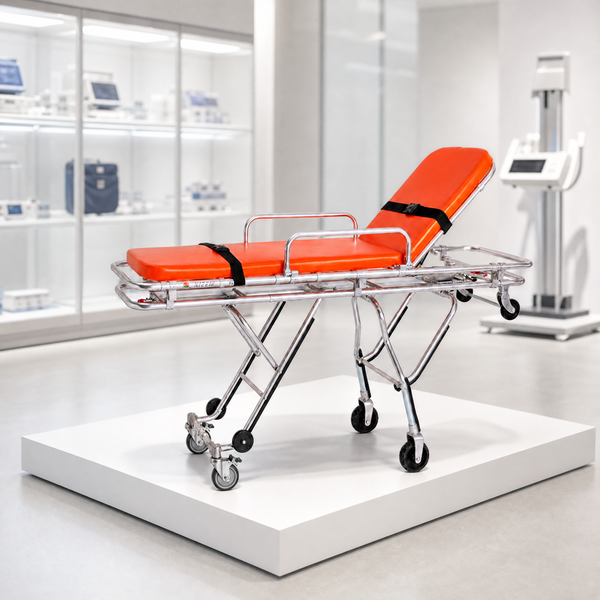
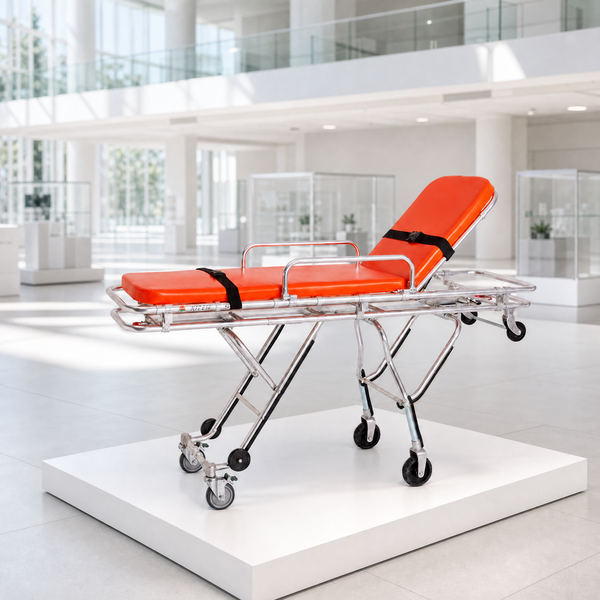
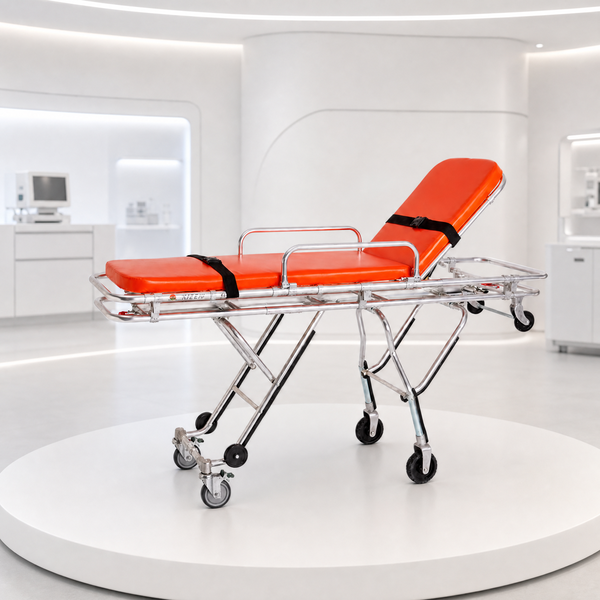
Hospital stretchers are  essential equipment in  medical  settings, designed to transport patients safely  during emergencies. When looking for hospital  stretchers  for  sale, purchasing managers and  healthcare  providers face several  crucial concerns, including the  stretchers' durability, customization options, and  compliance with  safety standards. This article will guide  you through the key specifications to consider, installation  guidance, applications in emergency care, reliability factors, and the benefits  of customization to  help  you  make informed  purchasing decisions.

Why choose XieHe hospital stretchers for sale

Our Products

Key Specifications to Consider When Buying Hospital Stretchers

When evaluating hospital stretchers,  several specifications are critical to ensure they meet your operational needs. 

Weight  Capacity: Stretchers typically come with varying weight limits. Ensure the selected model can safely accommodate the maximum weight of patients,  including any additional  equipment or supplies.

Material and Construction: Most hospital stretchers are constructed from steel or aluminum, providing a balance between strength and  weight. Consider materials that are easy to  clean  and resistant to chemicals,  as they will undergo frequent sanitization.

Dimensions: The size of the stretcher should fit through standard doorways and hallways in your facility. Furthermore, the dimensions may  also affect storage requirements when not  in use.

Mobility Features:  Look for stretchers equipped with wheels that have locking mechanisms. This ensures the safety of the patient during transport while allowing for easy maneuverability.

Adjustability:  Many modern stretchers  offer adjustable  heights and backrests,  which can  enhance patient comfort and facilitate medical procedures during transport. Additionally, considering options like an Electric Stair Chair can provide further mobility solutions.

Safety  Features: Consider features such as safety straps, side rails, and anti-slip surfaces that enhance patient safety  during transport.

Confirming these specifications based on your specific applications  and patient needs is crucial before finalizing your purchase.

Frequently Asked Questions

Our Blog Posts

What Our Partners Say

Installation Guidance for Efficient Use of Hospital Stretchers

Installation Guidance for Efficient Use of Hospital Stretchers

Proper installation of hospital stretchers involves understanding their features and ensuring staff is trained on their use.

Assembly and Setup: Most stretchers  come partially assembled. Follow the manufacturer's instructions carefully  to ensure all components  are  correctly installed, securing any bolts or fasteners adequately.

Training Staff: Conduct training sessions for medical  personnel  on  how to operate the stretcher safely,  including locking the  wheels, adjusting height, and securing patients with safety straps. This training should also cover emergency procedures for quick patient transfer.

Routine Inspections: Establish a regular inspection schedule to  check for wear and tear,  ensuring  that wheels, brakes, and locks function correctly. Any  issues should be addressed immediately  to maintain safety standards.

Storage Considerations: Ensure that stretchers are  stored  in a clean, accessible area to facilitate quick  response times in  emergency situations. Consider using wall mounts or racks to  save space  and keep them ready for use.

By focusing on these aspects, healthcare facilities can ensure their hospital stretchers are installed and utilized efficiently, enhancing patient care.

Exploring Applications for Hospital Stretchers in Emergency Care

Exploring Applications for Hospital Stretchers in Emergency Care

Hospital stretchers play a vital role  in  various emergency care scenarios, including:

Trauma Situations: In cases of severe injuries, stretchers  are crucial for transporting patients from accident scenes to  emergency departments without exacerbating their  conditions.

Patient Transfers:  Stretchers are used for moving patients between departments within a hospital, such as from  the emergency room to imaging or the  operating room. In such cases, utilizing a reliable Stretcher is vital.

Field Emergencies: For first responders,  lightweight and foldable stretchers are essential for transporting patients from the scene of an incident  to an  ambulance  or  medical facility.

Non-emergency Moves: Hospital stretchers are  also utilized for non-urgent patient transfers, such as moving patients  for routine tests or procedures.

Understanding these applications can help healthcare facilities choose  the right type of stretcher  to suit their  operational needs, ensuring they  are prepared for both emergency and routine situations.

 
Ensuring Reliability

Ensuring Reliability

Reliability in hospital stretchers is paramount, as they directly impact patient  safety and  care. Consider the following aspects to ensure  you select a dependable model:

Certifications: Look for stretchers that meet industry standards  and  certifications, such as CE,  FDA, and  ISO 13485. These  certifications indicate that the product has  undergone rigorous testing for safety and efficacy.

Manufacturer Reputation:  Partner with reputable  manufacturers like Zhangjiagang  Xiehe Import Export Co., Ltd., known for producing high-quality medical equipment. Research customer reviews and feedback to gauge  reliability.

Warranty and Support: Check the warranty  terms offered by the manufacturer. A robust warranty indicates confidence in the product's  durability  and provides peace of mind regarding potential issues.

Quality Control: Assess the manufacturer's quality control processes. A  reliable supplier will have stringent testing protocols to ensure each stretcher meets quality standards before shipment.

By focusing on  these  factors, healthcare  providers can ensure the stretchers they purchase will perform reliably in critical situations.

Benefits of Customization in Hospital Stretchers for Your Projects

Benefits of Customization in Hospital Stretchers for Your Projects

Customization of hospital stretchers can significantly enhance their functionality and suitability for specific medical environments.  Here are some benefits of opting for customized solutions:

Tailored Features: Custom stretchers can be equipped with specific features such as adjustable height, specialized padding, or additional storage compartments, allowing for optimized  handling of various patients and situations.

Branding Opportunities: Customization also provides an  opportunity for branding, allowing facilities  to display their logos or  colors on  stretchers, enhancing brand  visibility within  the hospital environment.

Adaptation to Space Constraints: Custom designs can be created to fit particular space limitations within a facility, ensuring that equipment is both functional and  space-efficient.

Enhanced Safety and Comfort:  Custom solutions can address unique patient needs, such as additional support for  bariatric patients or specific ergonomic designs for easier handling  by  staff.

Incorporating customization into your stretcher procurement can lead to improved operational efficiency and enhanced  patient  care, making it a worthwhile consideration for any healthcare facility.

In summary, understanding the specifications, installation, applications, reliability,  and customization  of hospital stretchers  is essential for buyers looking to purchase  this critical medical equipment. By considering these factors, healthcare providers can  ensure they select the right stretchers to meet their operational needs and enhance patient care.