English
Views: 77 Author: Site Editor Publish Time: 2025-12-26 Origin: Site


Every second counts in emergency medical services, and stair chairs have become indispensable tools for safe patient transport in multi-story buildings. These specialized devices bridge the critical gap between patient safety and efficient evacuation when elevators are unavailable or during emergency situations. Understanding their proper use, selection criteria, and safety protocols is essential for healthcare facilities, emergency responders, and building managers alike.
A stair chair is a specially designed medical transport device that allows trained personnel to safely move patients up and down stairs during emergencies or routine transfers, featuring tracks or wheels that grip stair edges while maintaining patient stability and comfort throughout the transport process.
The evolution of stair chair technology has revolutionized patient transport protocols across healthcare systems worldwide. From basic manual models to advanced powered units with integrated safety systems, these devices have transformed how medical professionals approach stair-based patient movement. This comprehensive guide examines every aspect of stair chair utilization, from selection and training to maintenance and regulatory compliance, providing healthcare administrators and emergency response teams with the knowledge needed to implement effective stair transport protocols.
What Are the Different Types of Stair Chairs Available?
How to Choose the Right Stair Chair for Your Facility?
What Safety Protocols Must Be Followed During Stair Chair Transport?
How to Properly Train Staff on Stair Chair Operations?
What Are the Maintenance Requirements for Stair Chairs?
How to Conduct Risk Assessments for Stair Transport Scenarios?
What Legal and Regulatory Considerations Apply to Stair Chairs?
How to Integrate Stair Chairs into Emergency Evacuation Plans?
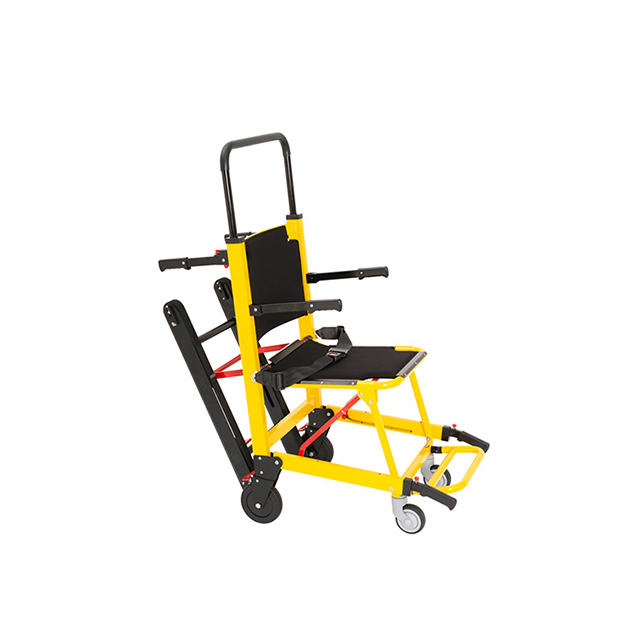
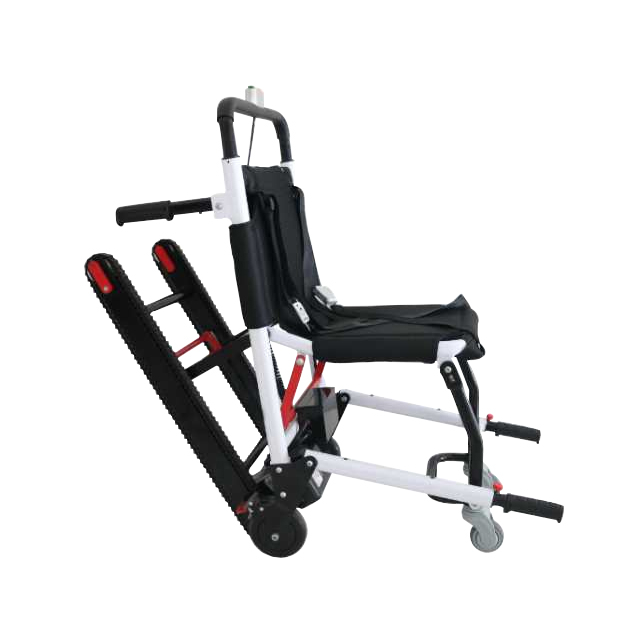
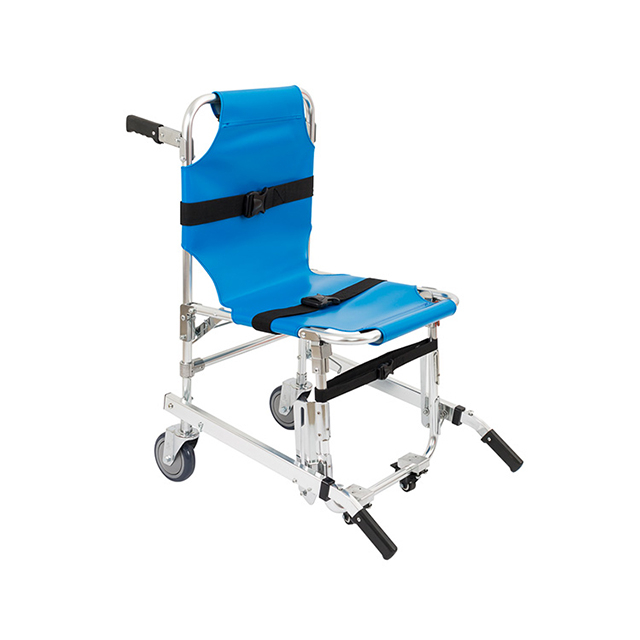
Stair chairs are categorized into four primary types: manual track chairs, powered track chairs, evacuation chairs, and convertible models, each designed for specific use cases ranging from emergency evacuations to routine patient transfers in healthcare facilities.
The manual track stair chair represents the most fundamental design in patient transport technology. These chairs utilize rubber or polymer tracks that grip stair edges, allowing operators to control descent through friction-based braking systems. Typically constructed from lightweight aluminum alloys, manual models weigh between 15-25 pounds and can support patient loads up to 400 pounds. The track mechanism works by distributing the chair's weight across multiple stair surfaces, reducing the physical strain on operators while maintaining smooth, controlled movement. Healthcare facilities often prefer manual models for their reliability, minimal maintenance requirements, and cost-effectiveness, with prices ranging from $800 to $2,500 per unit.
Powered track stair chairs incorporate battery-operated motor systems that assist with both ascent and descent operations. These advanced units feature variable speed controls, automatic braking systems, and emergency stop mechanisms that enhance operator control and patient safety. The motor typically provides assistance equivalent to reducing patient weight by 60-80%, significantly decreasing operator fatigue during extended use. Modern powered chairs include lithium-ion battery systems providing 30-50 round trips per charge, with smart charging docks that maintain optimal battery health. The investment for powered models ranges from $3,500 to $8,000, reflecting their advanced technology and reduced physical demands on staff.
Evacuation chairs serve specialized purposes in emergency scenarios, prioritizing rapid deployment and simplicity of operation. These models feature simplified track systems, quick-release patient restraints, and ultra-lightweight construction often under 12 pounds. Many evacuation chairs include wall-mounted storage brackets for immediate accessibility, glow-in-the-dark operational instructions, and single-operator capability. The design philosophy emphasizes speed over comfort, with basic padding and minimal adjustability to ensure rapid patient movement during fire alarms, power outages, or other emergency situations. Standard evacuation chairs typically cost between $400 and $1,200, making them economical solutions for regulatory compliance.
Convertible stair chairs represent the newest innovation in patient transport technology, combining stair navigation capabilities with traditional wheelchair functionality. These hybrid models feature removable track systems, allowing seamless transition between stair transport and flat surface mobility. Advanced convertible chairs include powered wheel systems for independent patient movement, reclining backrests for medical procedures, and modular components that adapt to various transport scenarios. The versatility of convertible models makes them ideal for facilities with limited storage space or diverse transport needs, though their complexity requires more extensive operator training and maintenance protocols. Pricing for convertible models ranges from $2,000 to $6,000 depending on features and specifications.
Selecting the optimal stair chair requires comprehensive evaluation of building architecture, patient demographics, staff capabilities, usage frequency, budget constraints, and regulatory requirements to ensure the chosen model effectively serves your facility's specific operational needs.
The architectural assessment forms the foundation of stair chair selection, requiring detailed analysis of all staircases within the facility. Key measurements include stair width (minimum 32 inches for standard chairs, 36 inches for bariatric models), tread depth (optimal 11-12 inches), riser height (standard 6-8 inches), and landing dimensions at top and bottom of stair runs. Facilities with spiral staircases, narrow turns, or intermediate landings may require specialized compact models or articulated track systems. The total number of floors, frequency of stair use, and presence of alternative evacuation routes significantly influence chair specifications. Buildings with continuous stair runs exceeding 12 feet may necessitate powered models to prevent operator fatigue during emergency evacuations.
Patient demographic analysis directly impacts weight capacity and comfort feature requirements. Healthcare facilities serving predominantly elderly populations should prioritize chairs with enhanced padding, adjustable headrests, and easy-to-release safety restraints. Bariatric-capable models supporting 500-800 pounds become essential for facilities with higher obesity rates, requiring wider seat dimensions (minimum 24 inches) and reinforced frame construction. Pediatric considerations include smaller seat dimensions, additional harness points, and compatibility with child safety seats. The typical patient acuity level influences feature selection, with critical care units requiring chairs compatible with medical equipment like portable oxygen tanks, IV poles, and cardiac monitors.
Staff capability evaluation ensures selected chairs align with operator training levels and physical abilities. Facilities with predominantly female staff or older employees should favor powered models that reduce physical strain. The staff-to-patient ratio during transports affects chair selection, with single-operator models essential for facilities with limited personnel. Training time availability influences complexity tolerance, as sophisticated powered chairs require 8-12 hours of initial training compared to 2-4 hours for manual models. Union regulations or workplace safety policies may mandate specific features like powered assistance or ergonomic handle designs to prevent worker injury claims.
Usage frequency analysis determines durability requirements and cost-effectiveness parameters. High-frequency facilities (over 20 uses monthly) should invest in commercial-grade models with reinforced components, extended warranties, and proven track records in similar environments. Low-frequency applications (under 5 uses monthly) may justify basic models focused on regulatory compliance rather than operational efficiency. Emergency-only chairs require different evaluation criteria than routine transport chairs, prioritizing storage efficiency and rapid deployment over operator comfort. The total cost of ownership calculation must include maintenance expenses, training costs, replacement part availability, and expected service life, which typically ranges from 7-15 years depending on usage patterns and model quality.
Comprehensive safety protocols for stair chair transport encompass pre-transport patient assessment, proper positioning techniques, secure restraint application, operator positioning and communication, continuous monitoring during movement, and post-transport evaluation to prevent injuries and ensure optimal patient outcomes.
Pre-transport assessment protocols establish the foundation for safe patient movement, requiring systematic evaluation of medical stability, weight distribution, and potential complications. Healthcare providers must verify patient consciousness level, ability to maintain upright posture, and presence of medical devices that require special handling. Vital signs assessment becomes critical for patients with cardiac conditions, respiratory compromise, or altered mental status. The assessment should identify contraindications to stair transport including unstable spinal injuries, severe hypotension, uncontrolled bleeding, or agitated behavior requiring sedation. Documentation of pre-transport condition creates legal protection and continuity of care records essential for healthcare facilities.
Proper positioning techniques ensure patient stability while minimizing complications during stair navigation. The patient should be centered in the chair with hips positioned against the backrest, feet placed firmly on footrests, and arms secured within armrests or across the lap. Head positioning requires particular attention for patients with cervical spine precautions, neurological conditions, or altered consciousness. Padding placement prevents pressure injuries during extended transports, with special attention to bony prominences and surgical sites. The chair's center of gravity must align with the patient's center of mass, typically achieved by adjusting seat depth and backrest angle according to patient height and weight distribution patterns.
Restraint application follows standardized protocols preventing patient movement while maintaining circulation and comfort. Primary restraints include chest straps positioned at the nipple line, pelvic belts secured across the anterior superior iliac spines, and ankle straps preventing leg movement. Secondary restraints may include wrist straps for agitated patients or additional chest support for those unable to maintain upright posture. All restraints require two-finger clearance testing to prevent circulation compromise while ensuring security during movement. Quick-release mechanisms must remain accessible to operators at all times, with regular testing to ensure proper function during emergency situations.
Operator positioning and communication protocols establish coordinated movement patterns preventing accidents and injuries. The primary operator maintains position at the chair's head, controlling speed and direction while monitoring patient condition. Secondary operators position themselves according to stair configuration, typically one step below the chair during descent and one step above during ascent. Communication protocols include standardized verbal commands for initiating movement, adjusting speed, and emergency stops. Visual contact between operators ensures coordinated responses to obstacles or patient condition changes. The team leader maintains overall situational awareness, monitoring environmental hazards and coordinating with additional personnel as needed.
Continuous monitoring during transport requires constant assessment of patient condition, chair stability, and environmental factors. Operators must observe for signs of respiratory distress, changes in consciousness, or medical device malfunction. Chair stability monitoring includes track engagement, brake function, and structural integrity under load. Environmental awareness encompasses stair conditions (wet, uneven, obstructed), lighting adequacy, and presence of bystanders requiring crowd control. Documentation during longer transports may include vital signs, patient complaints, or complications requiring intervention. Emergency protocols must be clearly understood by all operators, including procedures for cardiac arrest, equipment failure, or entrapment situations.
Effective stair chair training programs combine theoretical knowledge, hands-on practice, competency assessment, and ongoing education to ensure staff members can safely operate equipment under various conditions while maintaining patient safety and regulatory compliance.
Theoretical training components establish foundational knowledge covering equipment specifications, safety principles, and regulatory requirements. Initial classroom sessions should review chair anatomy, weight limits, mechanical operations, and maintenance indicators. Safety protocols require detailed explanation of contraindications, emergency procedures, and incident reporting requirements. Legal considerations include informed consent documentation, liability issues, and scope of practice limitations for different staff categories. The theoretical portion typically requires 2-4 hours depending on chair complexity and staff experience levels, with annual refreshers lasting 1-2 hours to address protocol updates and lessons learned from incidents.
Hands-on training progresses through graduated complexity levels, beginning with unloaded chair operations on single-step platforms before advancing to full stair cases with simulated patients. Initial practice focuses on basic movement patterns, brake operations, and turning techniques using empty chairs weighing 15-25 pounds. Intermediate training incorporates weighted mannequins (50-150 pounds) to simulate patient loads while practicing on straight stair runs of 6-12 steps. Advanced scenarios include curved staircases, narrow passages, door navigation, and emergency stops with 200-pound simulated patients. Each progression level requires demonstrated competency before advancement, with typical training timelines spanning 4-8 hours for manual chairs and 8-16 hours for powered models.
Competency assessment ensures training objectives are met through practical examinations and knowledge verification. Skills testing includes timed chair deployment, proper patient positioning, restraint application, and stair navigation with weighted simulators. Assessment criteria encompass safety protocol adherence, smooth operation techniques, and emergency response capabilities. Written examinations verify understanding of contraindications, weight limits, maintenance requirements, and regulatory standards. Competency must be demonstrated for each chair model operated, with annual recertification required for continued authorization. Failed assessments require remedial training before retesting, ensuring only qualified personnel operate stair chairs.
Ongoing education maintains competency through regular drills, incident reviews, and protocol updates. Monthly practice sessions lasting 15-30 minutes reinforce muscle memory and identify skill degradation requiring intervention. Quarterly scenario-based training introduces challenging situations like power failures, equipment malfunctions, or multiple casualty events requiring stair chair deployment. Annual comprehensive reviews incorporate manufacturer updates, regulatory changes, and lessons learned from industry incidents. Documentation of all training activities creates compliance records essential for accreditation surveys and legal protection. Advanced training opportunities may include instructor certification programs enabling internal training capacity development.
Specialized populations training addresses unique considerations for pediatric, bariatric, and critically ill patients. Pediatric modules cover appropriate restraint systems, size adjustments, and psychological support techniques for frightened children. Bariatric training emphasizes team coordination, weight distribution principles, and equipment inspection protocols for high-load scenarios. Critical care segments address medical equipment management, monitoring device compatibility, and coordination with clinical staff during transports. Each specialized area requires additional 2-4 hours of focused training with competency verification specific to patient population needs.
Comprehensive stair chair maintenance programs encompass daily inspections, weekly functional tests, monthly detailed examinations, annual professional servicing, and immediate response protocols for identified deficiencies to ensure continuous operational readiness and patient safety.
Daily inspection protocols require visual examination of critical components before each shift or use period. Track systems demand inspection for debris accumulation, wear patterns, and proper alignment with chair frame. Brake mechanisms require testing for adequate holding force and smooth engagement/disengagement operations. Restraint systems need verification of buckle function, webbing integrity, and adjustment mechanism operation. Frame inspection identifies cracks, corrosion, or deformation in load-bearing components. Storage condition assessment ensures wall brackets, charging systems, and accessibility remain optimal. Daily inspections typically require 3-5 minutes per chair and should be documented in maintenance logs for regulatory compliance.
Weekly functional testing procedures evaluate operational performance under controlled conditions. Track engagement tests verify proper contact with stair edges and smooth sliding action without binding or skipping. Load testing with 50-100 pound weights assesses structural integrity and brake holding capacity. Wheel operation (where applicable) checks for smooth rotation, proper alignment, and locking mechanism function. Battery systems in powered models require charge level verification, charging dock operation, and backup power indicator testing. Emergency stop functions must be tested under load to ensure immediate response. Weekly tests typically require 10-15 minutes per chair and may reveal developing problems before they affect patient safety.
Monthly detailed examinations involve systematic disassembly and inspection of wear components according to manufacturer specifications. Track removal allows examination of hidden wear areas, pivot points, and mounting hardware for signs of stress or fatigue. Brake pad inspection measures remaining material thickness against replacement criteria, typically requiring replacement when worn below 3mm thickness. Bearing lubrication follows manufacturer specifications for type and frequency, with over-lubrication potentially attracting contaminants that accelerate wear. Fastener torque verification ensures all bolts and screws maintain proper tension, with particular attention to high-stress areas like track mounts and handle attachments. Monthly examinations require 30-45 minutes per chair and may identify components requiring replacement before failure.
Annual professional servicing involves comprehensive evaluation by manufacturer-certified technicians with specialized tools and testing equipment. Load testing to maximum rated capacity verifies structural integrity under extreme conditions using calibrated weights and measurement systems. Track wear analysis uses precision measuring tools to determine remaining service life and replacement scheduling. Brake system evaluation includes force measurement testing to verify stopping power meets specification requirements. Electrical system testing in powered models involves battery capacity measurement, motor performance analysis, and control system calibration. Professional servicing typically requires 1-2 hours per chair and generates detailed reports documenting condition and recommended actions.
Replacement part management ensures critical components remain available to maintain operational readiness. Common replacement items include track pads (typically 12-24 month lifespan), brake pads (6-18 months depending on usage), restraint system buckles (24-36 months), and battery systems in powered models (24-48 months). Inventory levels should support immediate replacement of safety-critical components, with track systems and brakes requiring 100% spare availability. Part numbering systems must cross-reference manufacturer specifications to ensure compatibility across chair models. Vendor relationships should guarantee 24-48 hour delivery for critical components, with emergency protocols for same-day sourcing when patient safety is affected.
Comprehensive risk assessment for stair transport scenarios involves systematic evaluation of patient factors, environmental hazards, equipment limitations, operator capabilities, and emergency contingencies to develop mitigation strategies that minimize injury potential while ensuring effective patient movement.
Patient risk factor evaluation establishes the foundation for transport planning through systematic assessment of medical stability, physical limitations, and behavioral considerations. Medical stability assessment includes vital signs trending, cardiac status, respiratory function, and neurological condition that may deteriorate during transport. Physical limitations evaluation encompasses weight distribution, mobility restrictions, amputation considerations, and presence of medical devices requiring special handling. Behavioral risk factors include anxiety levels, cognitive impairment, substance influence, or history of combative behavior that could compromise safety. Risk stratification categories typically classify patients as low risk (stable vitals, cooperative, <200 pounds), moderate risk (stable but complex medical conditions, 200-300 pounds, mild anxiety), or high risk (unstable vitals, >300 pounds, behavioral concerns) requiring specialized protocols.
Environmental hazard identification requires systematic evaluation of all stair-related obstacles and conditions affecting transport safety. Stair geometry factors include width measurements, tread depth variations, riser height inconsistencies, and presence of intermediate landings that may require repositioning. Surface conditions assessment identifies wet surfaces, loose carpeting, damaged treads, or debris accumulation creating slip hazards. Lighting evaluation ensures adequate illumination throughout the transport path, with particular attention to shadow areas and glare sources affecting operator visibility. Obstruction analysis identifies narrow passages, door swing patterns, wall projections, and storage items impeding chair movement. Weather considerations for outdoor stairs include ice, snow, rain, and wind conditions affecting stability and visibility.
Equipment limitation analysis ensures selected stair chairs match specific scenario requirements without exceeding design capabilities. Weight capacity verification must accommodate patient weight plus medical equipment, blankets, and monitoring devices typically adding 10-25 pounds to total load. Dimensional limitations confirm chair width allows adequate clearance through doorways and around corners, typically requiring 4-inch minimum clearance on each side. Track compatibility assessment verifies chair design works effectively with existing stair materials, as some models perform poorly on carpeted surfaces or metal gratings. Battery life evaluation for powered chairs ensures adequate charge remains for complete transport operations, with 50% reserve capacity recommended for emergency situations.
Operator capability assessment matches staff qualifications and physical abilities with transport requirements to prevent injuries and ensure patient safety. Physical capability evaluation includes strength testing, endurance assessment, and mobility limitations that could affect chair operation under load. Training verification confirms operators possess current certification for specific chair models and have demonstrated competency in similar scenarios. Team coordination assessment evaluates communication skills, leadership capabilities, and experience working together under stress conditions. Fatigue factors consider shift length, previous physical demands, and time since last meal that could affect performance during critical operations.
Emergency contingency planning develops response protocols for foreseeable complications during stair transport operations. Medical emergency protocols address patient deterioration requiring immediate intervention, including medication administration, CPR positioning, and equipment access while secured in chair. Equipment failure contingencies include brake malfunction, track slippage, or structural failure requiring patient transfer to backup systems or alternative transport methods. Environmental emergency response addresses power failures, fire conditions, or structural damage blocking primary routes. Communication protocols ensure rapid access to additional personnel, medical direction, or technical support when complications arise. Documentation requirements capture incident details, contributing factors, and lessons learned for future risk mitigation.
Stair chair operations are governed by multiple regulatory frameworks including FDA medical device regulations, OSHA workplace safety standards, ADA accessibility requirements, NFPA fire safety codes, and state health department rules that collectively establish design, operation, and maintenance obligations for healthcare facilities.
FDA medical device classification places stair chairs in Class I or Class II categories depending on complexity and risk level, requiring manufacturer registration and adherence to quality system regulations. Class I manual chairs require basic FDA registration while Class II powered models need 510(k) premarket notification demonstrating substantial equivalence to existing approved devices. Quality system regulation compliance mandates design controls, manufacturing standards, and post-market surveillance including adverse event reporting. Facility obligations include verifying FDA compliance of purchased equipment, maintaining device master records, and reporting device-related deaths or serious injuries within 24 hours of awareness. Labeling requirements specify contraindications, warnings, and instructions for use that facilities must make available to operators.
OSHA workplace safety standards address operator protection during stair chair use through general duty clause requirements and specific standards for manual material handling. The general duty clause mandates employers provide workplace free from recognized hazards likely to cause death or serious injury, including musculoskeletal injuries from improper lifting techniques. Manual material handling standards require evaluation of lifting tasks exceeding 50 pounds, implementation of engineering controls like powered assistance, and training on proper body mechanics. Recordkeeping obligations include logging work-related injuries and illnesses on OSHA 300 forms, with specific attention to back injuries common in patient handling activities. Enforcement actions can result in citations ranging from $5,000 to $70,000 per violation depending on severity and employer history.
ADA accessibility requirements influence stair chair specifications when facilities provide evacuation assistance for mobility-impaired individuals. Title III public accommodation requirements mandate equal access to goods and services, including emergency evacuation procedures. Stair chairs used for evacuation must accommodate the full range of mobility impairments without discriminating based on disability type. Storage requirements specify chairs must be readily accessible, with mounting heights between 15-48 inches above floor level and clear floor space for approach. Signage obligations include international symbol of accessibility and directional information for chair locations. Training requirements ensure staff can effectively assist individuals with various disabilities during emergency situations.
NFPA fire safety codes establish evacuation planning requirements that directly impact stair chair deployment and storage. NFPA 101 Life Safety Code requires written evacuation plans for all healthcare occupancies, including procedures for moving mobility-impaired individuals. Stair chair storage must not obstruct egress paths or reduce required stairway width below minimum standards. Emergency drills must incorporate stair chair use to verify evacuation capability within required time limits, typically 3-13 minutes depending on occupancy type. Fire department coordination ensures emergency responders are familiar with chair locations and operation procedures. Plan documentation requirements include detailed procedures, staff assignments, and alternative strategies when primary evacuation methods fail.
State health department regulations add jurisdiction-specific requirements beyond federal standards, often including specific training mandates and operational protocols. Licensing requirements may classify stair chair operation as a specialized skill requiring documented competency for healthcare personnel. Inspection obligations could include annual evaluations by state surveyors verifying proper equipment maintenance and staff training records. Incident reporting requirements often expand federal mandates to include all patient transport-related injuries regardless of severity. Certificate of need requirements in some states may affect stair chair purchases for certain facility types. State-specific continuing education requirements may mandate periodic refresher training beyond facility internal standards.
Effective stair chair integration into emergency evacuation plans requires comprehensive planning that addresses chair positioning, staff assignments, communication protocols, coordination with emergency services, alternative strategies, and regular testing to ensure reliable performance during actual emergency situations.
Strategic chair positioning throughout facilities ensures rapid deployment while maintaining accessibility and minimizing response times. Primary storage locations include wall-mounted brackets adjacent to stairwell entrances on each floor, with additional chairs positioned at central nursing stations in large facilities. Mounting height optimization places chairs 36-42 inches above floor level for ergonomic access while preventing obstruction. Quantity calculations require minimum one chair per stairwell plus 25% reserve capacity for redundancy during large-scale emergencies. Geographic distribution considers maximum travel distance of 150 feet from any patient room to nearest chair location. Environmental protection includes temperature-controlled storage areas preventing exposure to extreme conditions affecting chair integrity.
Staff assignment protocols establish clear responsibility chains preventing confusion during emergency situations. Primary assignments designate specific personnel responsible for chair retrieval, patient preparation, and transport execution for each floor or unit. Backup assignments ensure coverage during shift changes, breaks, or when primary staff become unavailable due to emergency conditions. Leadership roles include evacuation coordinators maintaining overall situational awareness and making critical decisions about transport priorities. Communication responsibilities specify who contacts emergency services, coordinates with receiving areas, and documents evacuation activities. Cross-training requirements ensure multiple staff members can fulfill each role, with competency verification for all assigned personnel.
Communication protocols facilitate coordinated response efforts while maintaining accurate situation reporting to incident command. Internal communication systems include dedicated evacuation channels on communication devices, standardized terminology for chair operations, and regular status updates during extended evacuations. External coordination involves pre-established contact procedures with fire departments, emergency medical services, and receiving facilities. Patient information transfer includes medical condition summaries, special needs identification, and family notification status. Documentation requirements capture evacuation times, patient conditions, staff assignments, and any complications encountered for post-incident analysis and regulatory reporting.
Coordination with emergency services ensures seamless integration of facility resources with external response capabilities. Pre-incident planning includes facility tours for local fire departments, equipment demonstrations, and protocol discussions establishing operational boundaries. Joint training exercises test coordination procedures under controlled conditions, identifying improvement opportunities before actual emergencies. Equipment familiarization ensures emergency responders can operate facility chairs if staff become overwhelmed or unavailable. Communication integration connects facility evacuation coordinators with incident command systems for unified response management. Patient handoff protocols establish procedures for transferring evacuees to emergency medical services or transportation to alternative care facilities.
Alternative strategy development addresses scenarios where primary evacuation methods prove inadequate or unavailable. Equipment failure contingencies include backup chair deployment, manual carry techniques, or shelter-in-place protocols when evacuation becomes impossible. Staff shortage adaptations modify transport procedures for reduced personnel availability, potentially prioritizing patients by medical necessity rather than sequential evacuation. Route modification plans address blocked stairways, structural damage, or hazardous conditions requiring alternative egress paths. Extended operation procedures manage fatigue, resource depletion, and coordination challenges during lengthy evacuations exceeding initial time estimates. Recovery planning addresses patient tracking, family reunification, and facility restoration following evacuation completion.
Stair chairs represent critical infrastructure components that bridge the gap between patient safety and operational efficiency in multi-story healthcare environments. The comprehensive analysis presented in this guide demonstrates that successful stair chair implementation requires systematic consideration of equipment selection, staff training, maintenance protocols, risk assessment, regulatory compliance, and emergency planning integration. Healthcare facilities that invest in thorough planning, adequate resources, and ongoing program development position themselves to provide superior patient care while maintaining regulatory compliance and staff safety.
The evolving landscape of healthcare delivery continues to emphasize patient mobility, safety, and dignity during transport scenarios that stair chairs uniquely address. As technology advances and regulatory requirements become more stringent, facilities must maintain current knowledge of best practices while adapting to emerging challenges. The principles and protocols outlined in this guide provide foundational knowledge for developing robust stair transport programs that serve patient needs while protecting staff and ensuring operational readiness. Regular review and updates of these programs ensure continued effectiveness as patient populations, building designs, and regulatory environments evolve over time.