Choosing the Right Stretcher Bed for Emergencies

Zhangjiagang Xiehe Import & Export Co., Ltd.

application/stretcher-bed, application/stretcher-bed, 
Inquiry
Inquiry

stretcher bed

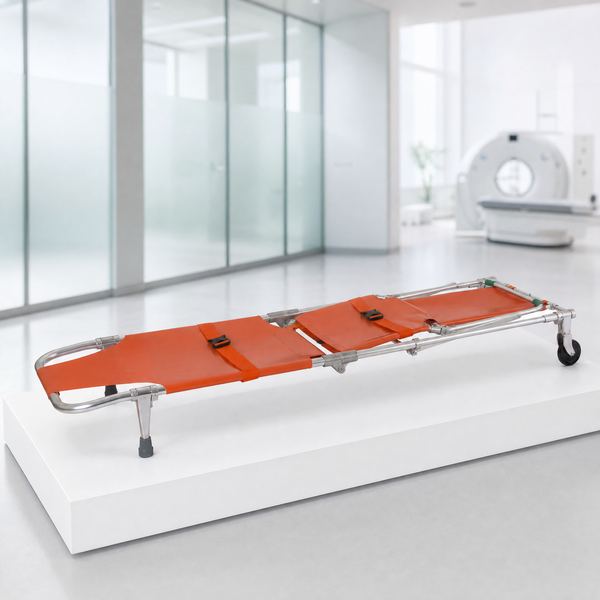
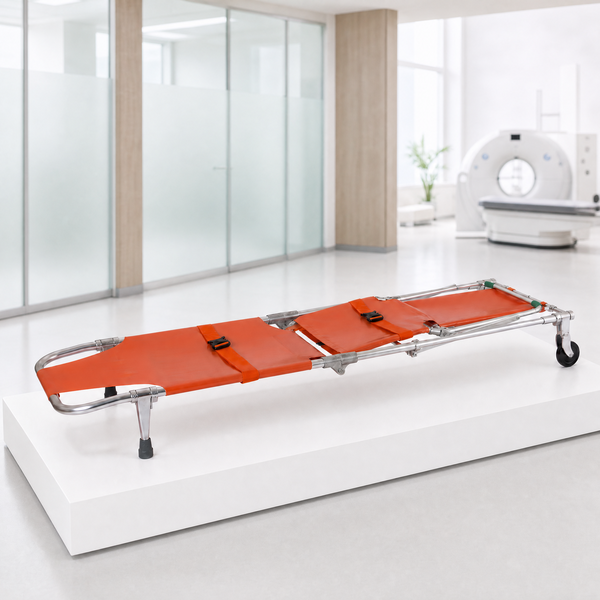
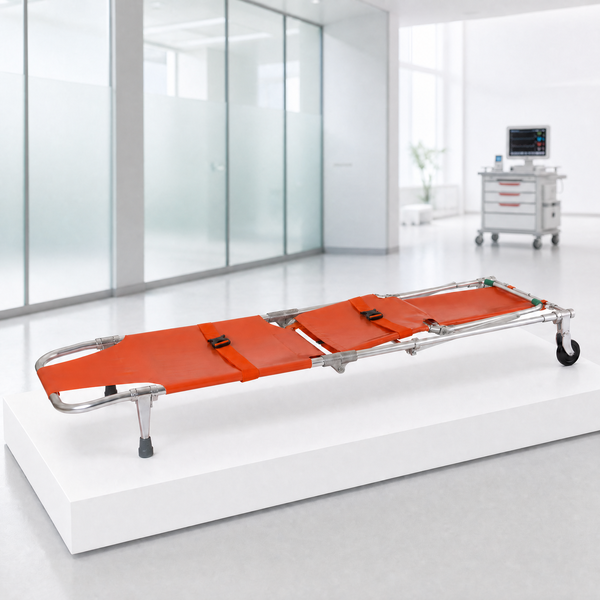
Stretcher beds are essential medical  equipment designed for transporting  patients safely and comfortably, particularly in  emergency situations.  As a  purchasing manager  or  distributor,  understanding the  nuances of stretcher beds, including their specifications, material advantages, and application scenarios,  is crucial for  making informed  decisions. This article will  help  you navigate the selection process and provide insights into sourcing  reliable suppliers, ensuring  that  you find  the best stretcher bed to meet  your operational needs.


Why choose XieHe stretcher bed

Our Products

How to Choose the Right Stretcher Bed for Your Needs

When selecting a stretcher bed,  it is  essential to consider various factors that align  with your  specific requirements. Key specifications to evaluate include the dimensions, weight capacity, and material composition. The dimensions should accommodate the average patient  size while ensuring compatibility with your transport vehicles  or facilities. Weight  capacity is  critical—most stretcher beds can support  between 150 kg to 250  kg, but this varies by  model. Ensure that the  bed can handle the maximum anticipated patient weight safely.

Material selection plays a vital role in the durability and  hygiene of the stretcher bed. Common materials include aluminum  for lightweight options, stainless steel for durability, and high-density plastics that are easy to clean. Additionally, consider features like adjustable height and foldability, which enhance usability in various settings, from  hospitals to  ambulances. If you are looking for options that enhance mobility, you might want to explore our Stair Solution for effective transport solutions.

Lastly, customization options may be necessary to suit specific applications.  For example, if you require specialized storage compartments  for medical supplies or  specific color coding for different emergency services, be sure to discuss these needs with potential  suppliers.

Frequently Asked Questions

Our Blog Posts

What Our Partners Say

Installation Guidance for Stretcher Beds in Healthcare Settings

Installation Guidance for Stretcher Beds in Healthcare Settings

Proper  installation of stretcher beds  in healthcare environments is crucial for  safety and functionality. Start by determining the ideal location for the stretcher bed, ensuring that it is easily accessible and allows for quick patient transfer in  emergencies. It is important to follow the manufacturer's installation guidelines  to  avoid compromising the bed's  structural integrity.

For most stretcher beds, assembly involves  attaching wheels,  securing locking mechanisms, and adjusting height  settings. Ensure that all  fasteners are tight and tested for  stability. If  your stretcher bed has electronic components, such  as  powered lifting mechanisms, confirm that electrical connections are properly installed and tested.


Once installed, conduct a thorough inspection to ensure all functions operate  as intended, including weight limits and locking mechanisms.  Regular maintenance checks  should be scheduled to ensure continued performance and safety.

 
Where to Source Reliable Suppliers for Stretcher Beds Worldwide

Where to Source Reliable Suppliers for Stretcher Beds Worldwide

Finding reliable suppliers for stretcher  beds requires a systematic approach. Start by researching manufacturers with established credibility in the medical equipment sector. Look for companies with relevant certifications, such as CE, FDA,  and ISO 13485, which indicate  compliance with  international quality standards.

Zhangjiagang Xiehe Import & Export Co., Ltd. is  an example of a supplier  that meets these standards and  offers a  broad range of stretcher  beds customized for  various needs. With  a global network of  over 30 distributors across 120 countries,  they provide consistent quality and  support.

When evaluating potential  suppliers, consider requesting samples or visiting their facilities. Assessing their production capabilities  and quality control processes firsthand  can  provide  valuable insights into their reliability. Additionally, reviews and testimonials from other buyers can offer perspectives on  the supplier's performance and customer service.

Material Advantages of Stretcher Beds for Enhanced Durability

Material Advantages of Stretcher Beds for Enhanced Durability

The material composition of stretcher beds significantly impacts their durability and functionality. Common materials  include:

Aluminum: Lightweight and corrosion-resistant, making it ideal for portable  stretcher  beds. However, it may  not  support the highest weight limits.  Stainless Steel: Offers exceptional durability and  resistance to rust, making it suitable for long-term use in hospitals.  This material can endure rigorous  cleaning and disinfecting processes.  High-Density Plastics: These are often used for lightweight stretchers and provide good resistance to impact and chemicals, ensuring safe transport. 

Each material has  its advantages. For instance, aluminum frames  are easier to handle, reducing the risk of worker injury during transport. Conversely,  stainless steel may be more suitable for  environments requiring stringent  hygiene standards. Buyers should assess their specific  needs, such  as weight  capacity and environmental conditions, to  select the most appropriate material.

Application Scenarios for Stretcher Beds in Emergency Services

Application Scenarios for Stretcher Beds in Emergency Services

Stretcher beds play a critical role in  various emergency service scenarios. They  are commonly used in: 

  Ambulances: Essential  for  transporting patients from accident sites to  hospitals, stretcher beds need to be lightweight yet robust  enough to secure patients safely  during transit. Disaster Relief Operations: In natural disasters, stretcher beds can be deployed quickly in temporary shelters, aiding  in the rapid care of  injured individuals. Hospitals: Used for patient transfer between departments, such as from the emergency room to surgical units or diagnostic areas, they must  facilitate easy maneuverability in tight spaces.

Understanding the specific operational requirements for  each application helps in selecting  the right stretcher bed configuration. For example, a stretcher  bed used  in disaster relief may need to be foldable for transport, while one used in hospitals may require additional features  like adjustable height for  better accessibility. Furthermore, if you are interested in exploring options for mobility enhancement, consider our Manual Stair Chair.

Selecting the right stretcher bed involves  careful consideration of specifications, materials, and application  scenarios. By understanding these factors and sourcing from reliable suppliers, you can  ensure that your organization is equipped with high-quality, durable equipment that meets your operational needs.