Rescue Stretcher: Key Specifications for Buyers

Zhangjiagang Xiehe Import & Export Co., Ltd.

application/rescue-stretcher, application/rescue-stretcher, 
Inquiry
Inquiry

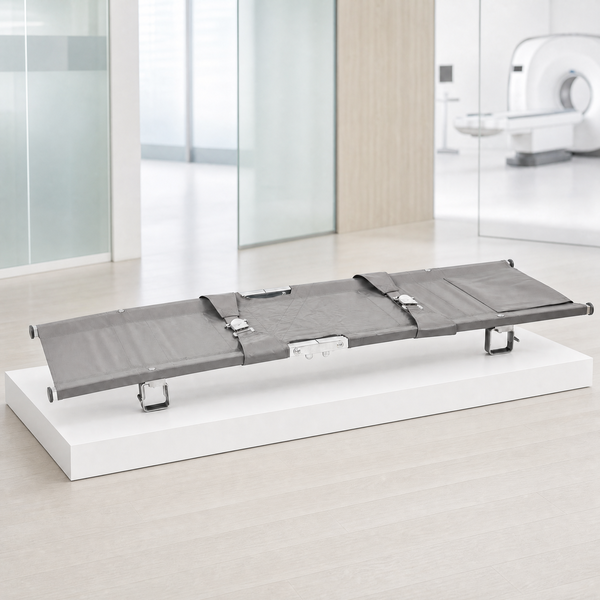
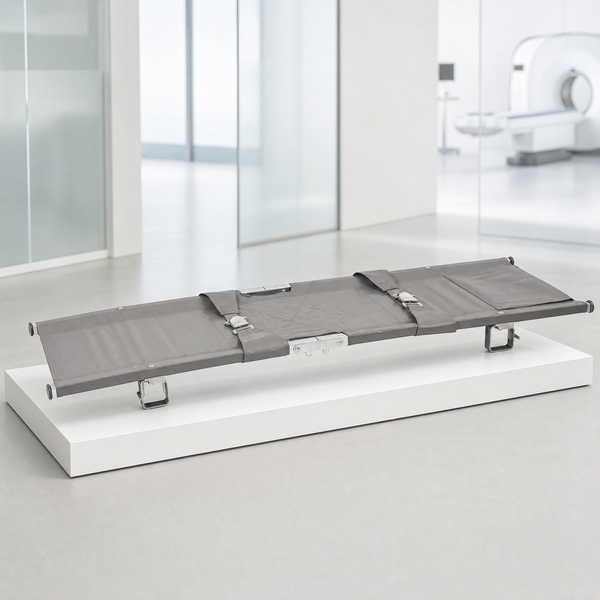
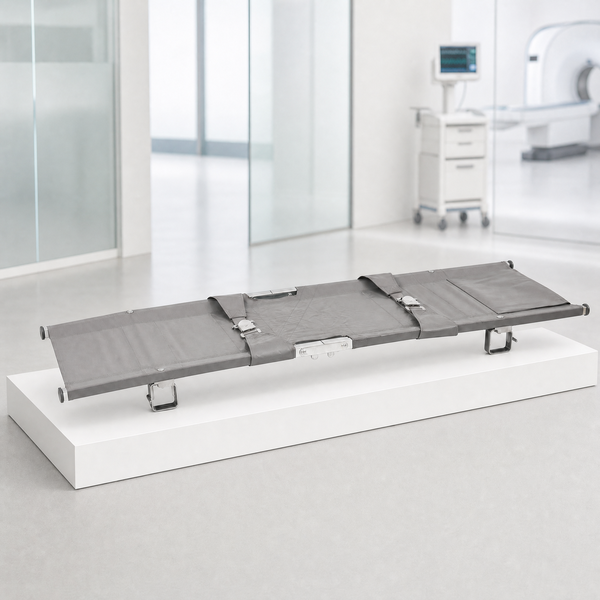
rescue stretcher

In emergency situations, a rescue stretcher  is an  essential piece of equipment used to safely transport injured individuals. For  B2B buyers—such as purchasing  managers,  distributors, and hospital administrators—understanding the various types and specifications of rescue  stretchers  is crucial  for  making  informed decisions. This article  will explore  key  aspects  of rescue stretchers, including  manufacturer evaluation, important  specifications, practical applications, key features, and cost factors  to consider when sourcing these  critical devices. For more information on the types of stretchers available, check out our Stretcher page.


Why choose XieHe rescue stretcher

Our Products

Evaluating Rescue Stretcher Manufacturers

When selecting  a  manufacturer  for rescue stretchers, buyers should prioritize several key factors. First, assess  the manufacturer’s certifications, such as CE, FDA,  and ISO 13485, which demonstrate compliance with international quality and  safety standards. Companies like Zhangjiagang Xiehe Import & Export Co., Ltd.  provide  assurance  of reliable production processes as they hold these certifications.

Next, consider the manufacturer’s experience  and reputation in the industry. A company with a  strong background in  producing emergency medical equipment, coupled with a robust network of distributors across  multiple countries, can often provide better support and service. Additionally, inquire  about their customization capabilities; a manufacturer that  can  tailor stretchers to specific needs may offer a competitive advantage. If you're looking for customization options, our Funeral Home Products section provides insights on a variety of tailored solutions.

Quality control processes are another critical consideration. Buyers should look for  manufacturers  that implement rigorous testing and quality assurance measures to ensure  their products meet safety and performance standards.


Frequently Asked Questions

Our Blog Posts

What Our Partners Say

Specifications You Need to Know for Rescue Stretchers

Specifications You Need to Know for Rescue Stretchers

Understanding the specifications of rescue stretchers is vital for  ensuring they meet operational requirements. Key specifications include:

Material: Common materials for rescue  stretchers include aluminum  and high-strength plastic, which offer a balance of durability and weight. The  choice of material affects the  stretcher's strength, weight capacity, and resistance to  environmental factors.

Dimensions: Buyers should confirm the dimensions of the stretcher to ensure it fits within the intended transport vehicle and can  accommodate the average  size of patients. Typical dimensions might range from  180 cm in length  to 50 cm in width.

Weight Capacity: It is essential  to check the load  limit, as this determines the maximum weight the  stretcher can safely carry. Many stretchers can handle  loads from 150 kg to over 300 kg, depending on design and materials used.

Folding Mechanism: The  stretcher should have an efficient folding mechanism for ease of  transport and storage. Buyers should evaluate whether the folding design can be operated by a single person and whether it locks securely when  in use.

Safety Features: Look for features such  as reflective strips for visibility  in low-light conditions, adjustable  straps to secure the patient, and padded surfaces for comfort during transport.

Applications of Rescue Stretchers in Emergency Situations

Applications of Rescue Stretchers in Emergency Situations

Rescue stretchers are  versatile tools used  in various emergency situations. They are commonly employed in:

Medical Emergencies: In  hospitals and ambulance services, stretchers are used for transporting  patients to  and from treatment areas. Their  lightweight design facilitates quick  movement  through crowded environments.

Search  and  Rescue Operations: In outdoor environments,  such as mountains or disaster zones, rescue stretchers are crucial for evacuating injured  individuals while maintaining their safety. They may be equipped with features like wheels for traversing rough terrain.

Fire and  Rescue Services: Firefighters often rely on  stretchers to transport  victims from hazardous  environments. The stretcher’s design  must allow for easy handling by multiple rescuers  in chaotic situations.

Sporting Events: At sporting  events, stretchers are essential for quickly addressing injuries on  the field, ensuring athletes receive prompt medical attention.

Key Features and Advantages

Key Features and Advantages

When evaluating rescue stretchers, several  key features can provide  significant advantages:

Portability: Lightweight materials  and compact designs enable easy transport. This is particularly important in emergency situations where time is critical.

Durability: Given the rigorous environments  in which  rescue  stretchers are used, materials should be robust enough to withstand wear and tear while maintaining structural integrity.

Customization  Options: Manufacturers like  Zhangjiagang Xiehe Import & Export Co., Ltd. offer customization, allowing  buyers to specify features such as color, branding, and additional accessories, which can enhance visibility and usability.

Ease  of Cleaning: Stretchers made  from non-porous materials  can be easily sanitized, which is essential for preventing infection during medical transport.


Ergonomic  Design: Features such as padded handles  and adjustable backrests improve the  comfort of both  the  patient  and the rescuers, facilitating a smoother transport process.

 
Cost Factors to Consider When Sourcing Rescue Stretchers

Cost Factors to Consider When Sourcing Rescue Stretchers

Cost is a significant factor when sourcing rescue stretchers. Several elements contribute to the  overall price:

Material Quality: Higher-quality materials typically  result in higher  costs. While  it may be tempting to opt for the cheapest option, consider the long-term value of durability and performance.

Customization Requirements: Custom features can increase the price, but they may be necessary for specific applications.  Buyers should weigh the benefits of  customization against the additional costs.


Order Quantity: Purchasing in bulk can often reduce the  unit price. Buyers should inquire  about minimum order quantities (MOQs) and potential discounts for larger orders.

Shipping and Handling:  Given the weight and size of stretchers, shipping costs can  be significant. Buyers should factor in shipping logistics and potential duties when budgeting for their purchases.


Supplier Reliability: A reputable supplier may charge a premium, but the assurance of quality and support can justify the investment.

In summary, understanding the nuances of rescue  stretchers, from specifications  to applications and cost factors, equips B2B buyers with the knowledge  needed to make informed purchasing  decisions.  Proper evaluation of  manufacturers  and careful consideration of each aspect related to the stretcher’s design and functionality will lead to successful outcomes  in emergency situations.