Stokes Rescue Litter: Features, Costs, and Applications

Zhangjiagang Xiehe Import & Export Co., Ltd.

application/stokes-rescue-litter, application/stokes-rescue-litter, 
Inquiry
Inquiry

stokes rescue litter

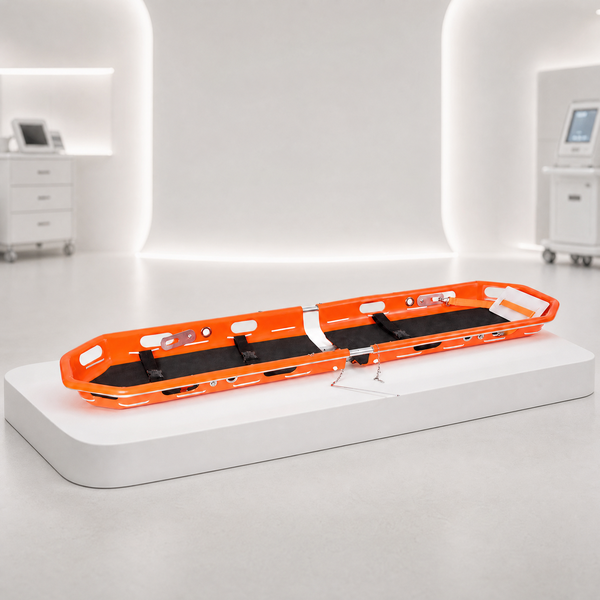
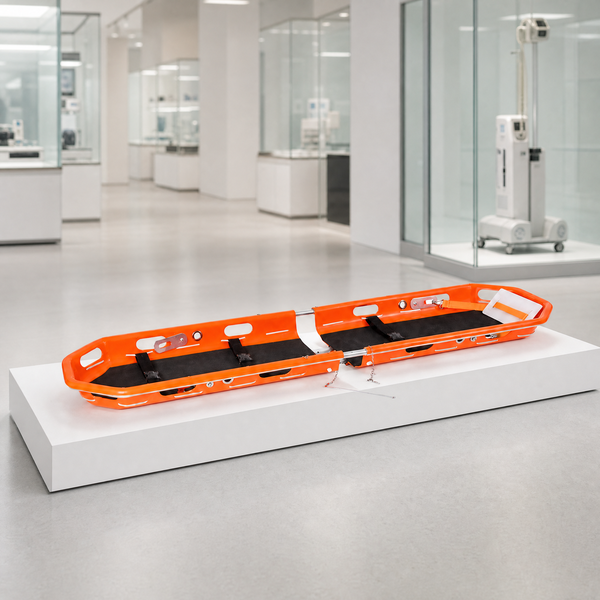
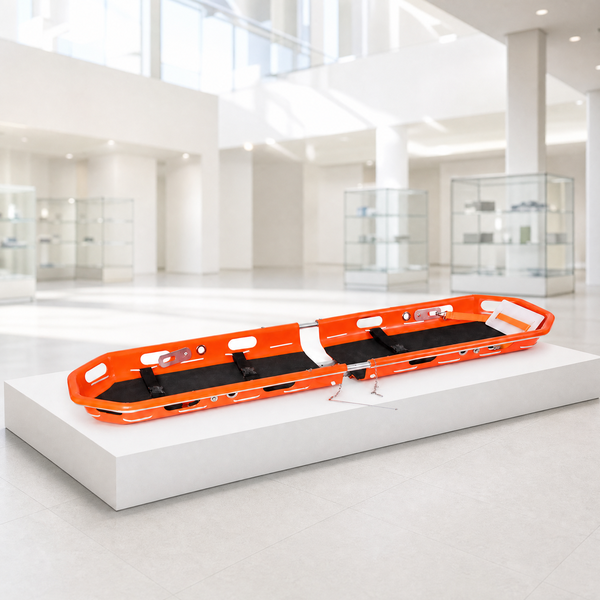
Stokes  rescue litters are essential equipment used in emergency medical  situations to transport patients safely  and efficiently. These versatile  stretchers are designed  to  withstand various  conditions  and are crucial for  first responders, hospitals, and  other healthcare  facilities.  As a  purchasing  manager  or distributor, understanding  the key features, cost  factors,  common problems, applications, and  material advantages of Stokes rescue litters will  help you make informed decisions that meet your operational needs. For example, the YXH-1H Folding Stretcher is widely recognized for its reliability in such scenarios.

Why choose XieHe stokes rescue litter

Our Products

Key Features and Benefits

Stokes rescue litters are characterized by their robust design and functionality, making them ideal  for emergency  scenarios. Key features include:

Durable Construction: Made from high-quality materials, these litters often feature  reinforced frames  that  can withstand heavy loads and challenging environments. Versatility: Stokes litters can be used  in various  settings, including outdoor rescue  operations, hospitals, and disaster response situations. Their design  allows for compatibility with standard stretchers and handling equipment. Safety Features:  Many models come equipped with safety straps and handles that ensure secure patient positioning during transport, reducing  the  risk of injury. Lightweight Design: Despite their strength,  Stokes litters  are lightweight,  allowing for easier handling  by  rescue teams, especially in challenging  terrains.

These attributes significantly enhance  patient care by ensuring rapid and safe transportation during emergencies. In many cases, the YXH-5P Stair Stretcher is utilized for this purpose.


Frequently Asked Questions

Our Blog Posts

What Our Partners Say

Understanding the Cost Factors for Stokes Rescue Litters in Bulk

Understanding the Cost Factors for Stokes Rescue Litters in Bulk

When purchasing Stokes rescue litters in  bulk, several  cost factors come  into  play. Understanding these can help you optimize your budget:

Material Quality: The choice  of materials directly impacts the price. High-quality aluminum or composite  materials,  while more expensive, offer enhanced durability and longevity. Customization Options: Customizing litters to meet specific operational needs, such as adding handles or specialized safety features, can increase initial costs but may lead to better performance in  the field. Order Volume: Bulk orders typically reduce  the per-unit cost. However, it's essential to  balance the quantity purchased with actual needs to avoid excess inventory. Shipping and Handling: Consider the logistics of transporting bulk litters. Shipping costs can vary based on  distance and  weight, affecting your overall expenditure. Supplier Relationships: Establishing a long-term relationship with a reliable  supplier, like  Zhangjiagang Xiehe Import Export Co.,  Ltd., can lead to  better pricing  and favorable terms.

By evaluating these  factors, you  can make strategic  purchasing decisions that align with your budget and operational requirements.

Common Problems with Stokes Rescue Litters and Their Solutions

Common Problems with Stokes Rescue Litters and Their Solutions

While Stokes rescue  litters are designed for reliability, several common issues can arise during use  or  procurement:

Wear and Tear: Over time, litters may show signs of wear, especially in high-use environments. Regular inspections and maintenance are  crucial to identify potential weaknesses before they become problems.

Solution: Implement a routine maintenance schedule  to check for damages and replace components as necessary.

Compatibility Issues: Some litters may not fit standard  transport equipment, leading  to inefficiencies during emergencies.

Solution: Ensure that the selected litter is  compatible  with existing  equipment  or opt for customizable designs  that can be tailored to your needs.

Weight  Restrictions:  In  scenarios where the litter is overloaded, it may fail to perform adequately.

Solution: Train staff on the weight limits and safe handling practices to prevent accidents. 

By addressing these common issues proactively, you  can  enhance  the reliability and effectiveness of your  rescue operations.

Applications of Stokes Rescue Litters in Emergency Response Scenarios

Applications of Stokes Rescue Litters in Emergency Response Scenarios

Stokes rescue litters are versatile tools used across various emergency response scenarios. Key  applications include:

Outdoor Rescues: Their robust design makes them ideal for carrying injured  individuals from remote locations, such as mountains or forests,  where traditional stretchers may not be practical. Hospital Transfers: Within hospital settings, these litters facilitate the safe  movement  of patients from one area  to another, especially during critical care situations. Disaster Relief: In the  aftermath of  natural disasters, Stokes litters are crucial for evacuating people from hazardous areas,  ensuring safe transport to medical facilities.  Military  Operations:  Used by military medics for  rapid evacuation of  injured personnel, Stokes  rescue litters offer  durability and reliability in extreme conditions.

Understanding these applications  allows purchasing  managers and distributors to align  their inventory with the specific needs of their  target markets.

Material Advantages of Stokes Rescue Litters for Enhanced Durability

Material Advantages of Stokes Rescue Litters for Enhanced Durability

The materials used in manufacturing Stokes rescue litters play a significant  role in their performance and longevity. Key material advantages include:</p> High-Strength Aluminum: This material is commonly used due  to its lightweight nature and ability to withstand  substantial loads, making it ideal for rescue operations where  every  ounce  counts. Water-Resistant Fabrics:  Many litters  incorporate water-resistant materials  that protect  against moisture, ensuring patient safety even in wet conditions. Corrosion Resistance: Stokes litters made with corrosion-resistant materials  can withstand harsh environmental conditions, prolonging  their service life and reducing replacement costs. Ease of Cleaning:  Materials that are easy to  clean and sanitize are essential in healthcare settings to maintain hygiene standards.

When selecting  Stokes rescue litters, consider the  material  properties  that best align with  your operational environment to enhance durability and ensure reliability.

By understanding these aspects of Stokes rescue litters, B2B buyers can make informed purchasing decisions that enhance their  emergency response capabilities. With the right equipment, organizations can ensure better patient outcomes and operational efficiency.