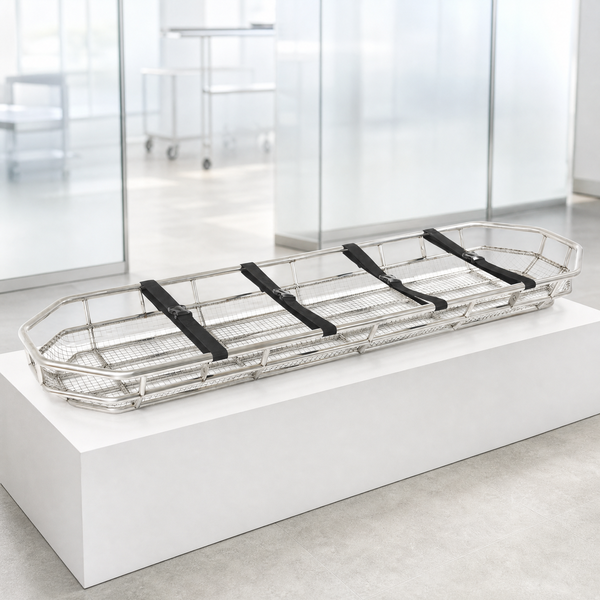
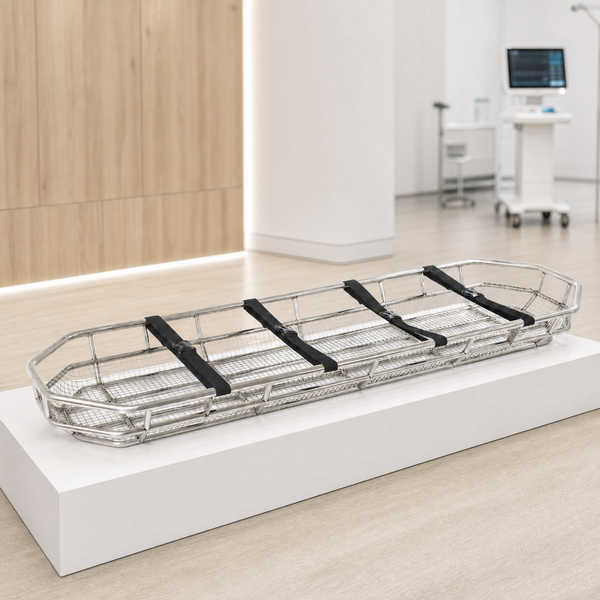
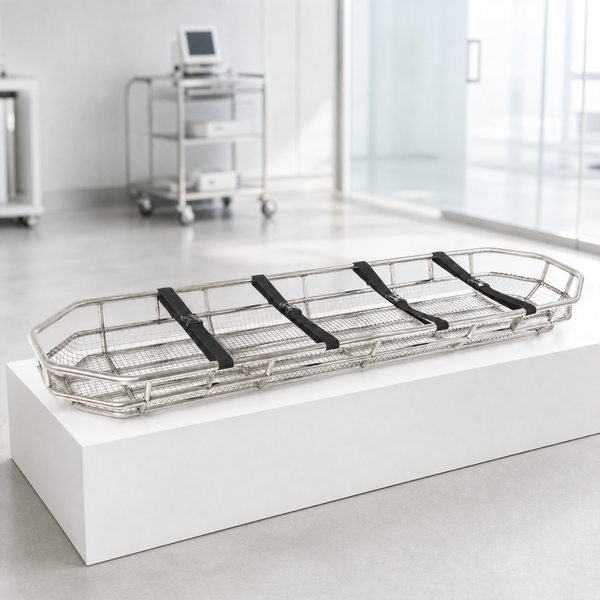
Benefits of Different Materials Used in Stokes Litter Baskets
The materials used in the construction of Stokes litter baskets significantly influence their performance, weight, and durability. Common materials include aluminum, high-density polyethylene (HDPE), and fiberglass, each offering distinct advantages.
Aluminum is favored for its lightweight yet robust properties, making it easy to maneuver while providing the necessary strength for patient transport. Furthermore, aluminum's resistance to corrosion enhances its longevity, especially in outdoor or rugged environments.
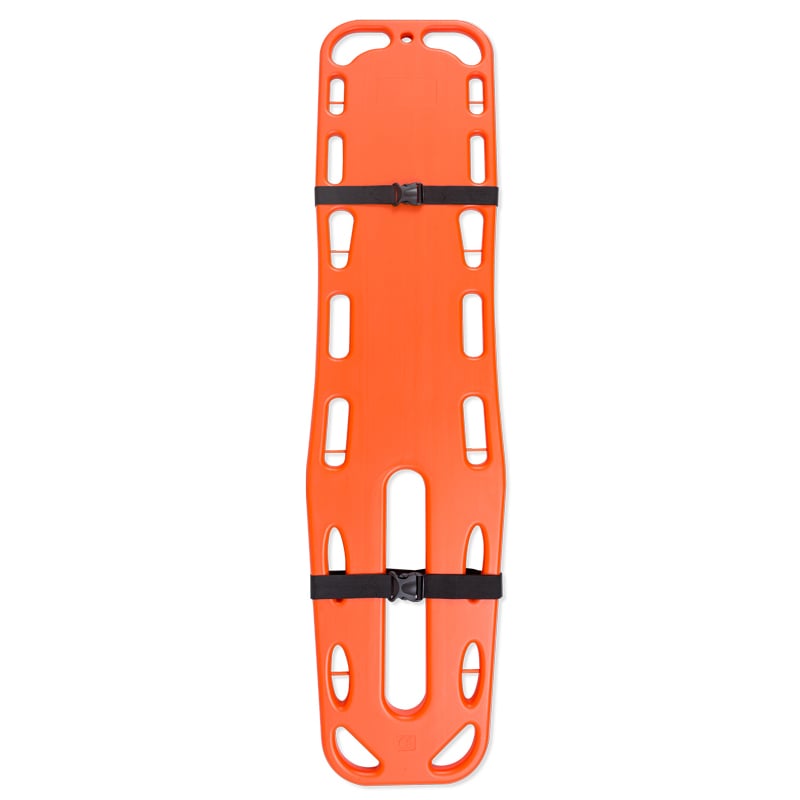
On the other hand, HDPE is known for its resistance to impact and chemicals, making it a suitable option for environments where exposure to harsh substances is a concern. It is also easy to clean, which is vital in maintaining hygiene standards in medical settings.
Fiberglass provides excellent strength-to-weight ratios and can be molded into specific shapes, offering flexibility in design. However, it tends to be heavier than aluminum and HDPE, so its use may depend on specific application requirements.
When selecting materials, buyers should consider the intended use of the Stokes litter basket, environmental factors, and specific performance requirements such as weight capacity and resistance to wear and tear. This ensures that the chosen basket will meet the demands of their operating conditions effectively.
In summary, understanding the various aspects of Stokes litter baskets—from wholesale options to material benefits—can significantly enhance the purchasing decision-making process for B2B buyers. By focusing on quality control, supplier reliability, and application suitability, purchasing managers and distributors can ensure they are equipped with the best tools for emergency response.
 EN
EN