Essential Guide to Rescue Litters for Emergency Use

Zhangjiagang Xiehe Import & Export Co., Ltd.

application/rescue-litter, application/rescue-litter, 
Inquiry
Inquiry

rescue litter

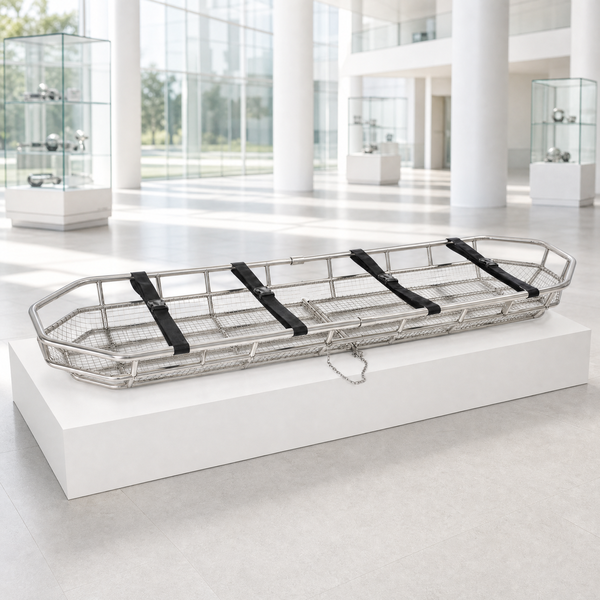
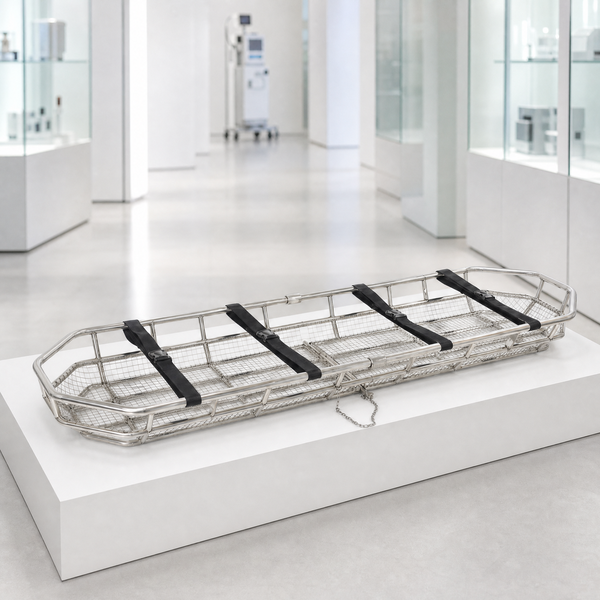
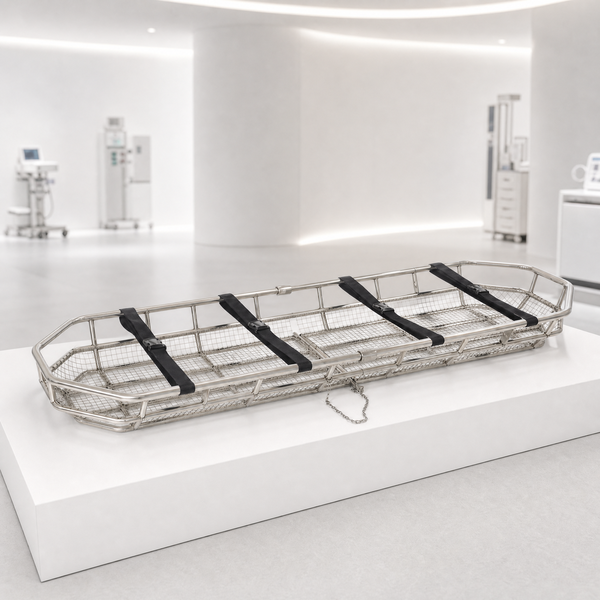
Rescue litters are  essential tools for emergency medical situations, designed to transport  injured individuals safely and efficiently.  As  a purchasing  manager  or distributor, understanding the specifications,  sourcing  options,  installation  guidelines, and common issues associated  with rescue  litters is  crucial. This article will provide  insights into these  areas, enabling  you to  make informed decisions  when selecting  a rescue litter for  your needs.

Why choose XieHe rescue litter

Our Products

Key Specifications to Consider for Rescue Litters

When evaluating rescue litters, several specifications are pivotal to ensure their  effectiveness in emergency situations:

Material: Most rescue  litters are constructed from durable, lightweight materials such as aluminum or high-strength plastics. These materials not only provide  strength but also facilitate easy maneuverability. Consider the need for waterproof or chemical-resistant features depending on the operational environment.

Weight Capacity: The load-bearing capacity is  critical.  Rescue litters should accommodate various body  types  and weights, typically ranging from 250 to 600 pounds. Ensure that the chosen model aligns with the maximum weight expected in your applications.

Dimensions: The dimensions of the litter influence its portability and usability in confined spaces. Standard  widths range from 24 to 30 inches, while lengths may vary.  Confirm the dimensions to ensure compatibility with transport vehicles and storage areas.

Safety Features: Look for litters equipped with  safety straps, reflective materials,  and visibility features. These elements enhance user  safety during transport and make  the litter easy to locate  in low-visibility  situations.

Foldability and Storage: Some  rescue litters are designed to be collapsible, which is advantageous for storage and transport. Consider how  often the litter will be deployed and whether ease of storage is  a priority for your operations. For example, options like the Stretcher provide versatility in various settings.

Understanding these specifications will help you select a rescue litter that meets the rigorous demands of emergency response and patient transport.

Frequently Asked Questions

Our Blog Posts

What Our Partners Say

Where to Source Reliable Rescue Litter Suppliers

Where to Source Reliable Rescue Litter Suppliers

Finding a reliable supplier  for rescue litters is key to ensuring quality and compliance with safety standards. Here are  some strategies for sourcing:

Industry Trade Shows: Attending industry-specific trade shows can provide opportunities to meet manufacturers and suppliers. You can  assess their products in person and discuss  customization options.

Certifications: Ensure that potential suppliers hold relevant certifications,  such as CE, FDA, and ISO 13485, which indicate adherence  to quality and safety standards. These certifications are crucial  in the medical and emergency  response sectors.

Online Marketplaces: Platforms like Alibaba  or Global Sources can connect you with various suppliers. However,  due  diligence is essential. Verify supplier credentials and request  samples to evaluate product quality before placing large orders.

Networking: Leverage industry contacts and forums to gather recommendations on reputable suppliers. Peer reviews can provide valuable insights into the reliability and service levels of potential partners.

Customization Capabilities: Choose suppliers that offer customization options to meet specific  needs,  whether that involves size, color, or additional features.  This flexibility can enhance  the usability of the litters in your operational context. It's worth considering specialized products like Multifunctional Rescue Stretcher for unique situations.

By  following  these sourcing strategies, you can  identify trustworthy suppliers who deliver high-quality rescue litters tailored to your requirements.

Installation Guidance for Effective Use of Rescue Litters

Installation Guidance for Effective Use of Rescue Litters

Proper installation and use of rescue litters are vital to their effectiveness. Here are several guidelines to ensure optimal performance:

Training: Ensure that personnel are  adequately trained in  the use of  rescue litters. Training should cover proper lifting techniques, securing patients, and navigating different terrains.

Inspection: Before deployment, inspect the  litter for  any signs  of wear or damage. Check straps,  hinges, and the  overall structural integrity to prevent  failures during use.

Setup Procedures: When using a rescue litter, follow established procedures for setting it up. This may include  unfolding the litter, securing the patient using safety straps,  and ensuring all handles are accessible for transport.

Environmental Considerations: Be mindful of the environment when using a rescue  litter. Adjust handling techniques based on terrain, such as rocky  or uneven surfaces, to prevent accidents  and  ensure  patient safety.

Maintenance: Regularly maintain rescue  litters by cleaning them after use and checking for any mechanical issues. This can extend the product's lifespan and ensure reliable performance during emergencies.

Adhering to these guidelines will  help maximize the effectiveness  of rescue litters in emergency situations and  improve patient outcomes.

Common Problems with Rescue Litters and Effective Solutions

Common Problems with Rescue Litters and Effective Solutions

Despite their robust design, rescue litters  can encounter problems. Here are some common issues and solutions:

Wear and  Tear: Over time,  rescue  litters may experience wear, particularly in high-use environments. Regular inspections and maintenance can mitigate this issue.  Establish a schedule for checking components and replacing worn parts promptly.

Compatibility with Equipment: Sometimes, litters  may not fit well with transport vehicles  or other emergency equipment. Measure dimensions and assess compatibility before making a purchase. Suppliers can often provide recommendations based on your specific equipment.

Strap  Failure: The straps used to secure patients can wear out or fail. Ensure that the straps are made from durable materials and periodically  check their condition. Consider using additional safety  measures, such as redundant straps, for high-risk situations.

Weight Distribution Issues: Improper weight distribution  during transport can lead to instability. Train personnel on securing patients correctly and balancing loads to maintain control during transport.

Environmental Challenges: Exposure to  harsh  weather conditions may affect litter performance. Choose materials that are resistant to  moisture and UV  exposure for  outdoor applications. Store  litters in climate-controlled environments when not in use to prolong their lifespan.

By anticipating and addressing these common problems,  you can ensure that rescue litters perform effectively when needed most.

Applications of Rescue Litters in Various Industries

Applications of Rescue Litters in Various Industries

Rescue litters are versatile tools used across multiple industries. Here are some primary applications:

Emergency Medical Services (EMS): Rescue litters are  vital in EMS for transporting patients from the scene  of an accident to medical facilities. Their design allows for quick and safe  patient handling, which  is crucial in time-sensitive situations.

Fire and Rescue Operations: Firefighters utilize rescue litters to evacuate individuals from hazardous environments, such as burning buildings or disaster zones. The lightweight and durable construction enables effective maneuverability in challenging conditions.

Industrial Settings: In industrial environments, where accidents may occur, rescue litters are used to transport injured  workers to safety. Compliance with safety  regulations often mandates having appropriate rescue  equipment available on-site.

Outdoor Adventures and Expeditions: Rescue litters are also employed in outdoor sports and expedition settings, such as mountaineering and wilderness rescue. Their portability  and  durability make them  suitable for rugged terrains.

Military and Tactical Operations: In  military applications, rescue litters  are used for  evacuating injured personnel under  combat conditions. Their lightweight design allows for rapid deployment and maneuvering in  complex environments.

By understanding the diverse applications of rescue  litters, you can  better assess their suitability for your specific industry needs and operational requirements.