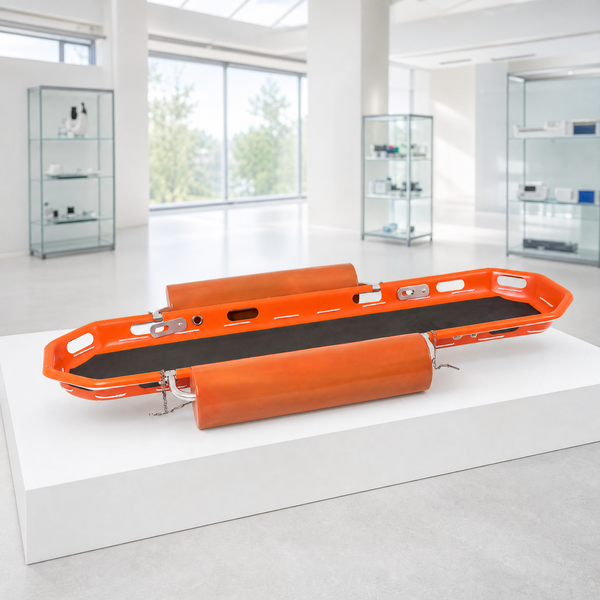
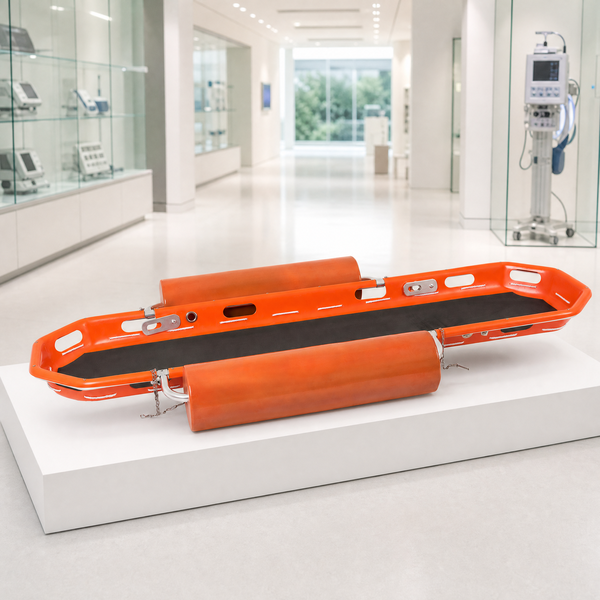
Common Problems with Rescue Baskets and Effective Solutions
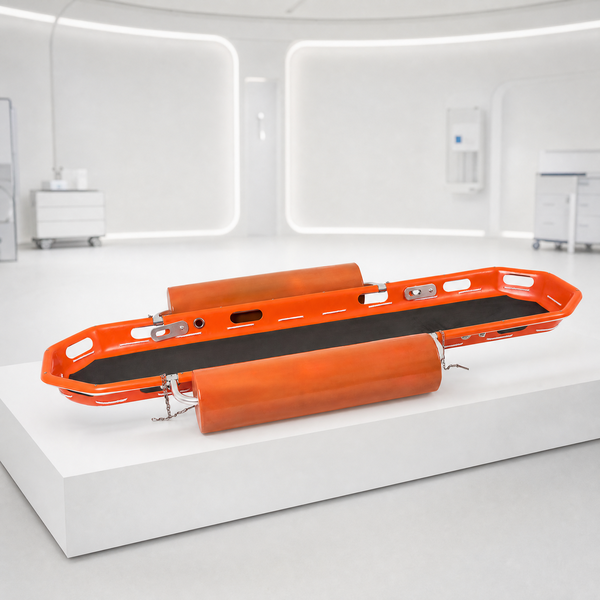
While rescue baskets are essential for emergency situations, they can encounter several common problems. Understanding these issues can help buyers select better products and prepare for potential challenges.
Material Degradation: Over time, exposure to UV light or harsh environmental conditions can weaken materials. To counter this, select baskets made from UV-resistant fabrics and store them properly when not in use.
Load Limitations: Some baskets may not perform as expected under maximum load conditions. Buyers should confirm load specifications with manufacturers and opt for baskets rated for higher capacities than needed.
Attachment Failures: If the basket comes equipped with straps or harnesses, these must be securely attached to prevent separation during use. Regular inspection and maintenance of these components are vital for ensuring functionality.
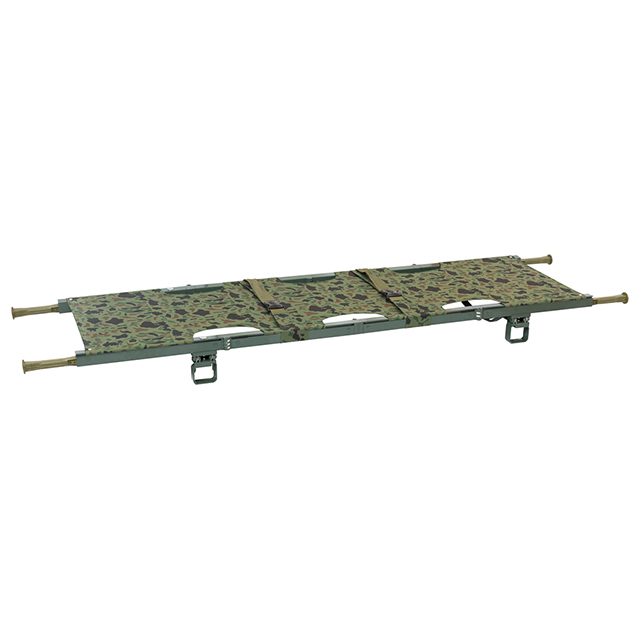
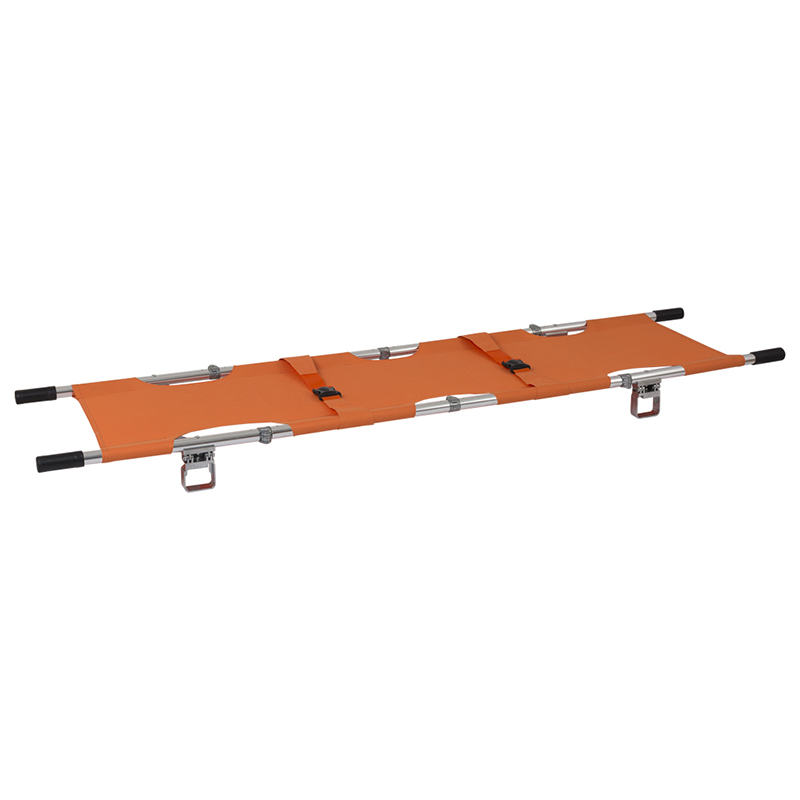
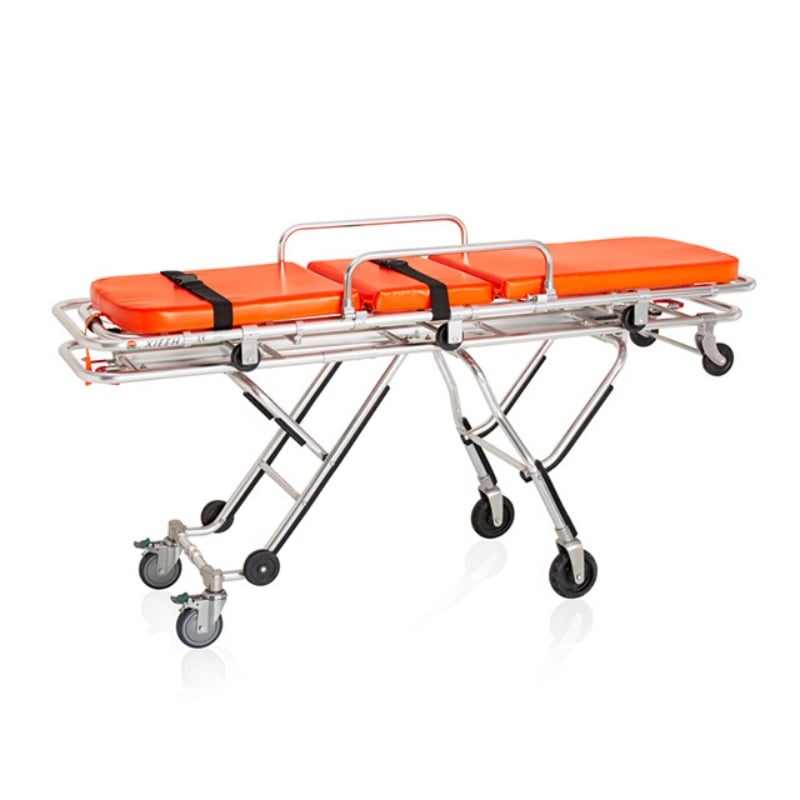
Incompatibility with Equipment: Baskets must fit seamlessly with other emergency equipment, such as stretchers or transport vehicles. Before finalizing an order, verify compatibility through testing with existing equipment.
By anticipating these issues, buyers can implement effective solutions and ensure that their rescue baskets function as intended in critical situations.
By understanding these key aspects, B2B buyers can make informed decisions when sourcing rescue baskets, ensuring they meet their operational needs while maintaining safety and quality standards.
 EN
EN