Patient Stretchers: Key Considerations for Sourcing

Zhangjiagang Xiehe Import & Export Co., Ltd.

application/patient-stretcher, application/patient-stretcher, 
Inquiry
Inquiry

patient stretcher

When sourcing patient stretchers  for your healthcare facility  or emergency services, it’s essential to understand  the variety  of options available and  the  unique specifications that can impact their effectiveness and safety. A  patient stretcher is a critical  piece of equipment used  for  transporting  patients safely  during emergencies,  in  hospitals, or in outpatient settings. This article will address  key considerations  for B2B buyers,  including specifications, cost  factors, installation  guidance, and applications, helping you make informed purchasing  decisions.

Why choose XieHe patient stretcher

Our Products

What to Consider When Sourcing Patient Stretchers for Wholesale

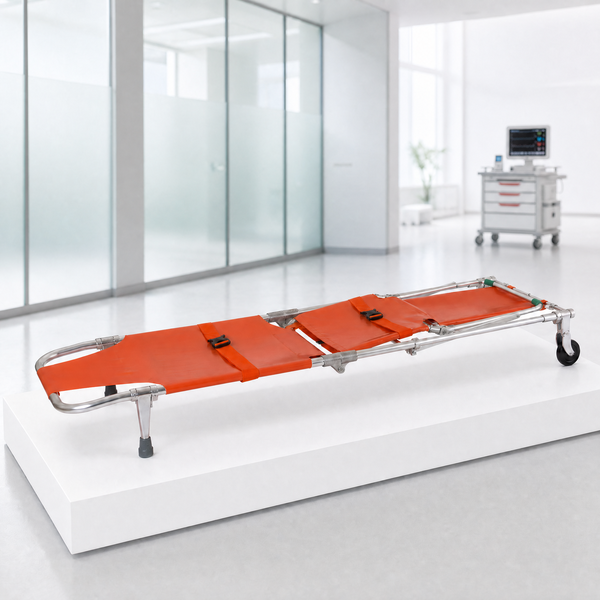
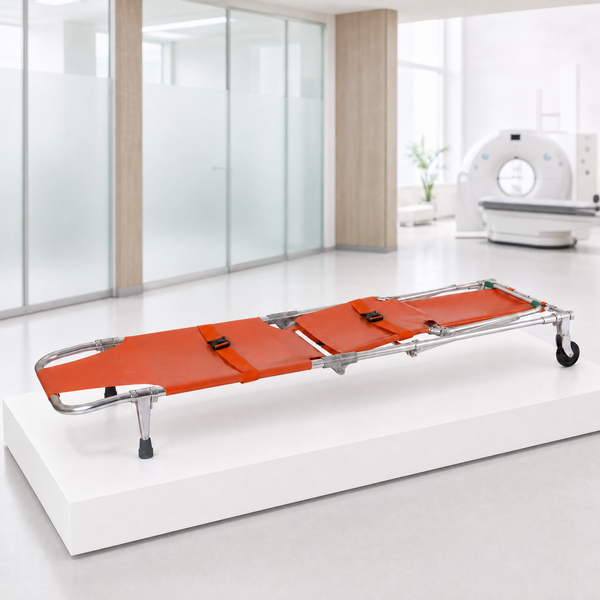
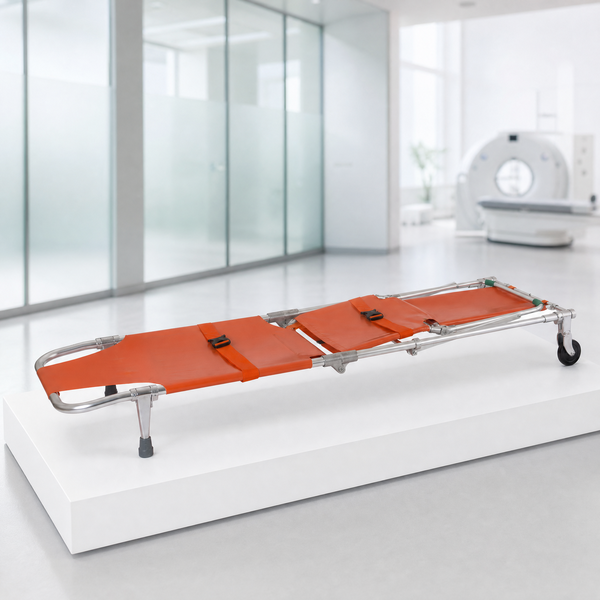
When  sourcing  patient stretchers, several  factors  must be considered to ensure  you choose the right product  for your needs. Firstly, evaluate  the type  of patient stretcher required, whether it is a manual or powered version, and consider the intended use—emergency transport, hospital  transfers,  or  specialty  applications. You might want to consider the YXH-1H Folding Stretcher for versatile use in various settings.

Quality certifications such as CE, FDA, and ISO 13485  are crucial indicators of product reliability and safety. It's also essential to assess the  manufacturer's customization capabilities to ensure the stretcher meets your specific requirements, such  as weight capacity, color, and additional  features like adjustable height or  integrated safety harnesses.


Another key concern is the expected lead time and minimum order quantities  (MOQ). Understanding these factors will help you plan your inventory effectively and ensure timely availability  of stretchers when needed.

Frequently Asked Questions

Our Blog Posts

What Our Partners Say

Key Specifications for High-Quality Patient Stretchers

Key Specifications for High-Quality Patient Stretchers

High-quality  patient  stretchers come with a range of specifications that directly impact their functionality and safety. Here are several  critical specifications to  evaluate:

Material:  Look for stretchers made from durable materials like aluminum or  high-strength plastics that can withstand regular use and are easy to clean. The material should  also be resistant to  common disinfectants used in healthcare settings.


Weight Capacity: Ensure the stretcher can support the maximum  weight of patients likely to be transported. Standard stretchers typically accommodate  patients  weighing up to 250  kg,  but heavier duty options are available. For example, the YXH-5P Stair Stretcher is designed for heavier loads.

Dimensions: The stretcher’s dimensions should fit  standard doorway and elevator sizes to  facilitate easy transport within healthcare facilities.

Safety Features: Verify that the stretcher includes safety features such as secure locking mechanisms,  safety  straps, and anti-roll wheels to  prevent accidents during transport.

Ease of Use: A user-friendly design with features like adjustable height, lightweight construction,  and ergonomic handles can significantly enhance usability for healthcare professionals.

Cost Factors Influencing Bulk Orders of Patient Stretchers

Cost Factors Influencing Bulk Orders of Patient Stretchers

When  purchasing patient stretchers in  bulk, various  cost factors  should  be considered. The initial purchase  price is an obvious consideration, but additional costs may also arise.


Shipping Costs: Depending on your location and the manufacturer's base, shipping costs can vary significantly. Consider the  logistics of  your purchase to avoid unexpected expenses.

Customization: Customization options  may incur additional charges. Discuss your needs with the manufacturer to understand how these costs will affect your  overall budget.

Maintenance and Warranty:  Check what warranty and service options are available. A  longer  warranty period can indicate confidence in product durability and may  save  costs on future repairs.

Quantity Discounts: Often,  manufacturers offer discounts for  larger orders.  It’s wise to  inquire about such discounts to make the most of your budget.

Installation Guidance for Patient Stretchers in Healthcare Settings

Installation Guidance for Patient Stretchers in Healthcare Settings

Installing patient  stretchers properly is essential for ensuring their effective  use in healthcare environments. Here are essential  steps and considerations for installation:

Space Assessment: Evaluate  the areas  where stretchers will  be used  and stored, ensuring adequate space  for maneuvering and operation.


Training: Provide training for staff on how to properly use and maintain the stretchers. This  includes understanding  safety  features and the correct handling procedures  to minimize risks during patient transport.

Regular  Maintenance Checks: Schedule routine inspections and  maintenance to ensure that all components are functioning correctly. This includes  checking wheels, locking  mechanisms, and any electronic components if the stretcher is motorized.

Compliance  with Regulations: Ensure that the installation complies with local healthcare regulations and standards to  avoid any  legal issues.

Applications of Patient Stretchers in Emergency and Medical Services

Applications of Patient Stretchers in Emergency and Medical Services

Patient stretchers serve various applications across emergency and medical services, each requiring specific features  to meet the demands of the environment.

Emergency Services: In emergency situations, stretchers are essential for transporting patients from the scene of an accident to medical facilities. Features such as foldability and lightweight design are critical for  easy transport in ambulances.

Hospital Transfers:  Within hospitals, stretchers facilitate patient movement between  departments,  such as from the emergency room to surgery. Here,  the stretcher's stability and ease of sterilization are vital.

Specialty Care: Certain patient populations, such as pediatric or geriatric patients, may require stretchers designed specifically for their unique needs. These may include adjustable features or specific  safety harness designs to accommodate smaller or less mobile patients.

Funeral  Services: In addition to medical applications, patient stretchers can also be adapted for use in funeral services,  where dignity and  aesthetics are paramount.

Understanding the various specifications, cost factors, installation requirements, and applications of patient  stretchers is essential  for any B2B buyer in  the  healthcare  sector. By considering these factors, you can ensure that you select the  right equipment  that meets your operational needs  and adheres  to the highest  safety standards.