Wholesale Emergency Stretchers: Key Features & Sourcing

Zhangjiagang Xiehe Import & Export Co., Ltd.

application/emergency-stretcher, application/emergency-stretcher, 
Inquiry
Inquiry

emergency stretcher

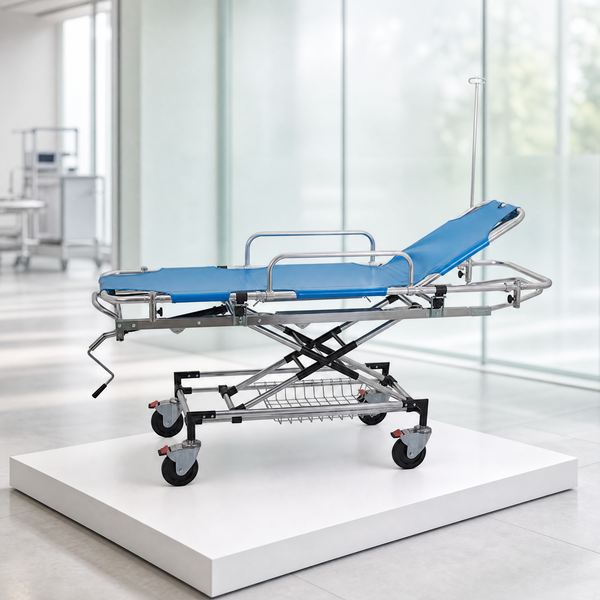
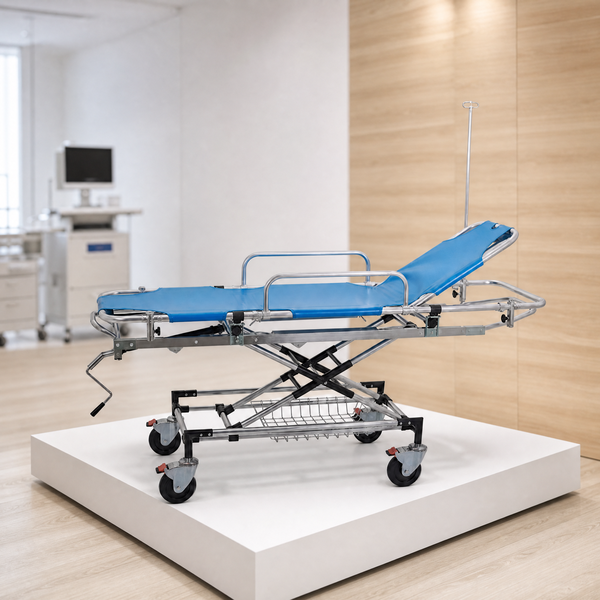
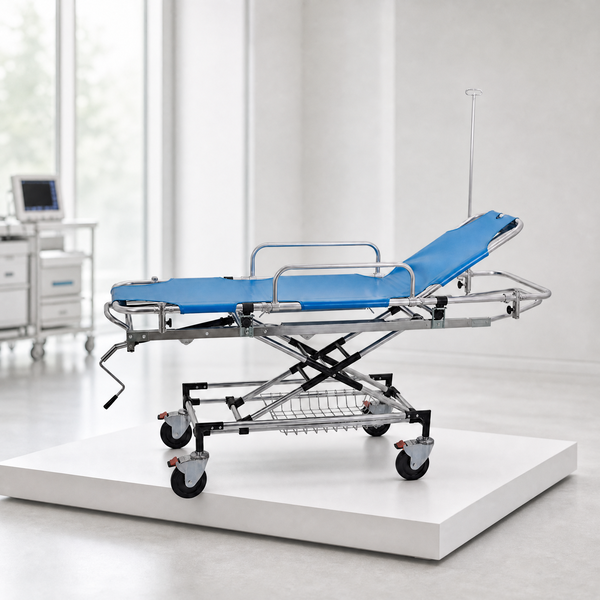
Emergency stretchers are crucial devices used in various emergency situations to transport injured or incapacitated individuals safely. For purchasing managers, distributors, and engineers, understanding the nuances of emergency stretchers—including their specifications, cost factors, and potential issues—can significantly influence procurement decisions. This article will explore essential aspects of emergency stretchers, focusing on sourcing, cost factors, best practices, common challenges, and key features that define quality in this critical equipment. For instance, the YXH-1H Folding Stretcher is a popular choice due to its durable design and ease of use.

Why choose XieHe emergency stretcher

Our Products

Where to Source High-Quality Emergency Stretchers Wholesale

When sourcing emergency stretchers wholesale, it’s vital to consider suppliers with a proven track record in manufacturing and quality assurance. Zhangjiagang Xiehe Import Export Co., Ltd. stands out in this regard, offering CE, FDA, and ISO 13485-certified products. These certifications not only indicate compliance with international safety standards but also reflect a commitment to maintaining high manufacturing quality. Buyers should seek suppliers with a robust global distribution network. This ensures that they can provide timely delivery and support across various regions. Engaging with manufacturers who offer customization options can also be advantageous, as it allows buyers to specify particular requirements such as weight limits, dimensions, or additional features tailored to specific applications. For example, models like the YXH-5P Stair Stretcher provide specialized features for unique scenarios.

Moreover, establishing a direct relationship with the manufacturer can facilitate better communication regarding product specifications, lead times, and potential discounts based on order volume. When reaching out for quotes, providing precise details about the intended use, quantity, and any customization requirements will yield more accurate pricing and availability information.

Frequently Asked Questions

Our Blog Posts

What Our Partners Say

Understanding the Cost Factors of Emergency Stretchers in Bulk

Understanding the Cost Factors of Emergency Stretchers in Bulk

Several factors influence the cost of emergency stretchers, particularly when ordered in bulk. Key considerations include material choice, design complexity, and additional features. For instance, stretchers made from lightweight aluminum or high-strength plastic typically come at a higher price point due to their durability and ease of use compared to standard metal options. Customization can also impact cost. Specific requests for branding, unique sizes, or additional functionalities like integrated safety belts or collapsible designs may lead to increased manufacturing expenses. Additionally, the production volume plays a significant role; larger orders often qualify for bulk discounts, which can substantially reduce the per-unit cost.

Buyers should also be aware of shipping costs, which can vary based on the destination and urgency of delivery. Understanding the total landed cost—including product price, shipping, and potential tariffs—will assist in making informed purchasing decisions.

Best Practices

Best Practices

To ensure a successful procurement process for emergency stretchers, adhering to best practices is essential. First, conducting thorough research on potential suppliers is crucial. Verify their certifications and manufacturing capabilities to ensure compliance with the necessary safety standards. It's advisable to request product samples before committing to a bulk order. This allows buyers to assess the stretcher's quality, weight capacity, and ease of use in real-world scenarios.

Second, maintain clear communication with the supplier regarding expectations for delivery times, customization options, and after-sales support. Understanding the lead times for production and shipping can help avoid unexpected delays during critical situations.

Lastly, establish a quality control process for incoming products. Implementing a checklist that includes specifications on dimensions, material integrity, and functionality will help ensure that the stretchers meet the required standards before they are put into use.

Common Problems with Emergency Stretchers and Effective Solutions

Common Problems with Emergency Stretchers and Effective Solutions

Despite their critical role in emergency response, emergency stretchers can present various challenges. One common issue is structural integrity, especially under heavy loads. To mitigate this risk, buyers should verify the load capacity and materials used in the stretcher's construction. In many cases, opting for stretchers made from reinforced materials can provide additional peace of mind. For example, the YXH-3K Ambulance Stretcher is designed with enhanced durability in mind.

Another frequent problem is the ease of use in emergency situations. Stretchers that are cumbersome or difficult to operate can slow down response times. Buyers should consider models designed for quick deployment and ease of handling. Carrying out practical tests with staff can help determine which stretchers are most user-friendly.

Lastly, compatibility with other equipment, such as ambulances or rescue vehicles, should not be overlooked. Ensuring that the chosen stretcher fits seamlessly into existing protocols and equipment can prevent operational hiccups during emergencies.

Key Features of Quality Emergency Stretchers

Key Features of Quality Emergency Stretchers

Identifying the key features that define a quality emergency stretcher can significantly influence purchasing decisions. First and foremost, the material should be lightweight yet durable, allowing for easy transport while maintaining structural integrity. Common materials include aluminum, which offers excellent strength-to-weight ratios, and high-density plastics, known for their corrosion resistance.

Dimensions are another critical specification. Emergency stretchers should be designed to accommodate various body types while remaining compact enough for easy maneuverability in tight spaces. Adjustable features, such as height or width, can enhance versatility.

Safety features are paramount. Look for stretchers equipped with safety belts, reflective strips for visibility, and reinforced corners to prevent wear during transport. Additionally, considering models with multipurpose capabilities—such as those that can convert into a chair or carry multiple patients—can enhance utility.

Lastly, ease of cleaning and maintenance is vital, especially in healthcare environments. Stretchers with smooth surfaces and removable covers can streamline the cleaning process, ensuring compliance with hygiene standards.

In summary, understanding these aspects of emergency stretchers can empower professionals in making informed decisions that enhance safety and efficiency in emergency response situations.