Key Specifications for Medical Stretchers

Zhangjiagang Xiehe Import & Export Co., Ltd.

application/medical-stretcher, application/medical-stretcher, 
Inquiry
Inquiry

medical stretcher

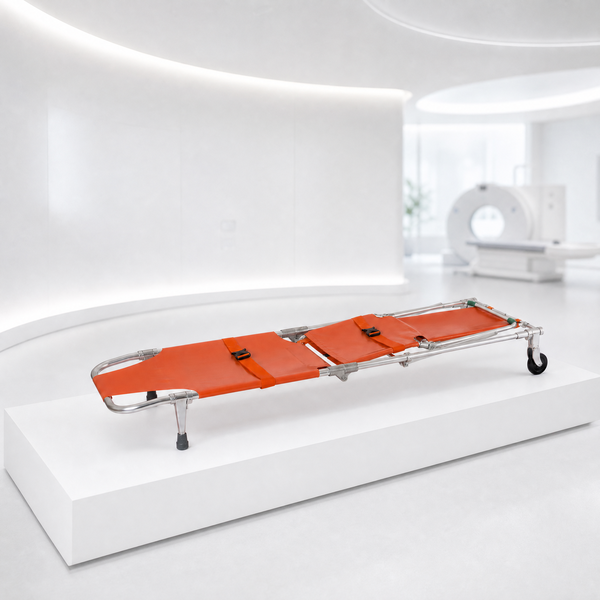
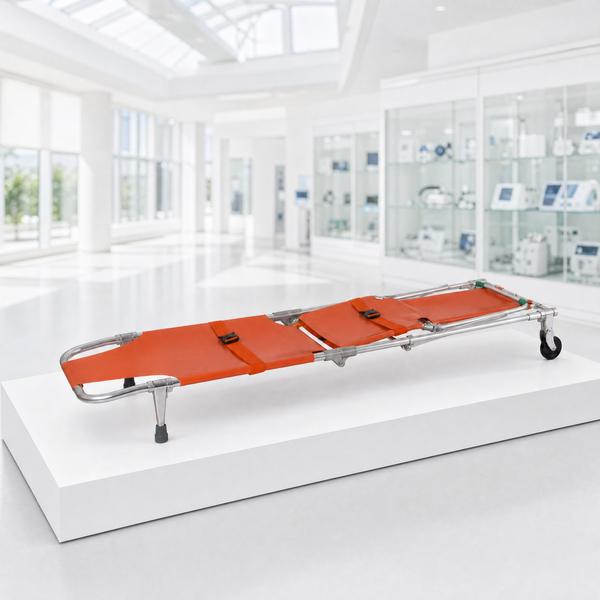
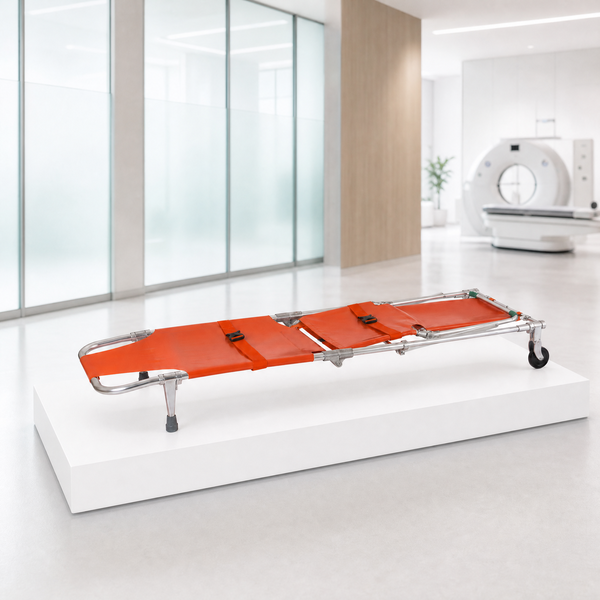
Medical stretchers are  essential equipment used in emergency and healthcare settings to  transport  patients safely and efficiently.  When selecting a  medical stretcher, B2B buyers, including purchasing managers and healthcare professionals,  need to consider factors such  as  specifications, quality, and cost. This  article  will  provide  insights into  the key specifications to  consider, how  to  evaluate quality, cost factors,  best practices, and the advantages of materials used in  medical  stretchers, helping you make informed purchasing  decisions.

Why choose XieHe medical stretcher

Our Products

Key Specifications to Consider

When evaluating medical stretchers, several specifications are critical to ensuring the product meets your operational needs. These include:

Weight Capacity: Ensure the stretcher can handle the maximum weight of patients  typically transported. Stretchers often  have weight limits ranging from 250 to 500 pounds, depending on their design and structure.

Dimensions:  The stretcher's size should match the environment  in which  it will be used. Consider the length, width, and  height, particularly if  it needs to  fit through standard doorways or be loaded into vehicles.

Material: Common materials include aluminum for  frame strength and plastic or fabric for the surface. The choice of material affects the stretcher's weight, durability, and ease of cleaning. Using high-quality Funeral Home Products can also enhance the overall functionality of medical stretchers.

Mobility Features:  Look for features like wheels,  handles, and lifting mechanisms that facilitate transport and maneuverability, especially in tight spaces.

Safety  Features: Inspect for secure locking  mechanisms,  safety straps,  and non-slip surfaces  to ensure patient  safety during transport.

Confirming these specifications helps ensure that the stretcher fits seamlessly into  your  operational workflow.

Frequently Asked Questions

Our Blog Posts

What Our Partners Say

How to Evaluate the Quality of Medical Stretchers for Your Needs

How to Evaluate the Quality of Medical Stretchers for Your Needs

Quality  is paramount in medical stretchers, as they are critical for patient safety and comfort. Here are several strategies for  assessing quality:

Certification: Check for compliance with international standards such as CE, FDA, and ISO 13485. These certifications  indicate  that  the product meets rigorous safety and quality benchmarks.

Material Testing: Inquire about the testing processes used for materials, particularly regarding durability  and resistance to environmental factors like moisture  and chemicals. This can impact the lifespan of the  stretcher.

User Feedback: Seek  reviews or testimonials from other healthcare  facilities that have used the stretchers.  This  can provide insight into real-world performance and potential issues.

Sample Inspection: Request samples for evaluation before  placing  a bulk order.  Assess the samples for  comfort, stability, and ease of use, as these factors are crucial in emergency situations. Choosing a reliable Stretcher can significantly impact these factors.

By employing  these evaluation methods, buyers can  ensure  the stretchers meet their specific quality requirements.

Cost Factors and Value Assessments

Cost Factors and Value Assessments

Cost is a significant  consideration when purchasing  medical stretchers. Several factors influence  the overall  cost:

Customization Options: Custom  features such as  specific dimensions, colors, or additional safety features can  increase the price. Understanding  your needs will help balance customization against budget constraints.

Quantity Discounts:  Many manufacturers  offer discounts for bulk orders. If you need multiple  units, inquire about pricing tiers based on order volume.

Maintenance Costs: Consider  not only the initial  purchase price but also the ongoing maintenance and repair  costs. Durable materials may have a higher initial cost  but  could save  money over  time through reduced maintenance.

Shipping Costs: Factor in shipping expenses, particularly for international orders. Understanding the total landed cost is essential for accurate budget planning.

Assessing these cost factors against the value  provided by the  stretcher will help buyers make informed decisions.

Best Practices and Tips

Best Practices and Tips

When purchasing medical stretchers, following best practices can streamline  the  process and ensure satisfactory outcomes:

Define  Requirements Clearly:  Before reaching  out to suppliers, create a  list of specific requirements for the stretchers.  Include details like intended use, weight capacity, and any necessary features.

Ask  for Detailed Quotations: Request comprehensive quotations that include pricing, lead time, shipping, and warranty information. This  ensures you have all the necessary details for comparison.

Evaluate Supplier Reputation:  Research  potential suppliers  to ensure they have a  solid reputation in the industry. Look for  established companies with positive feedback  and a history of reliability.

Plan for Training: Ensure that  staff is trained on how to use the stretchers properly. This includes understanding any  safety features and maintenance requirements, which can enhance safety and  efficiency.

Implementing these  best practices will contribute to a  smoother purchasing experience and better outcomes in the field.

Understanding Material Advantages in Medical Stretchers for Durability

Understanding Material Advantages in Medical Stretchers for Durability

The  materials used in  medical stretchers significantly impact their durability and overall performance. Here are some key considerations:

Aluminum Frames: Lightweight yet strong, aluminum frames  are commonly used in  medical stretchers.  They provide excellent strength-to-weight ratios, making them easier  to maneuver without sacrificing stability.

High-Density Plastics: Many stretchers feature high-density plastic surfaces that are resistant to stains  and easy to clean. This is vital in healthcare  settings where hygiene is paramount.

Canvas and Nylon Fabrics: These materials are often used for padding  and covers, offering comfort and breathability. Ensure that the fabric is durable and can withstand repeated use without tearing.

Corrosion Resistance: If the stretchers will be exposed to harsh conditions,  look for materials  treated  for  corrosion resistance, which will prolong the life of the equipment.

By understanding the advantages of various materials, buyers can select  stretchers that not only meet their immediate needs but also offer long-term value through durability and ease of maintenance. Additionally, utilizing resources like the Ambulance Stretcher can enhance operational effectiveness.

In summary, selecting the right medical stretcher involves understanding specifications,  evaluating quality, considering cost factors, following best  practices, and recognizing the importance of  material choices. With careful consideration and informed decision-making, healthcare providers can ensure they choose the  best  equipment for patient care.