Choosing the Right Ambulance and Stretcher

Zhangjiagang Xiehe Import & Export Co., Ltd.

application/ambulance-and-stretcher, application/ambulance-and-stretcher, 
Inquiry
Inquiry

ambulance and stretcher

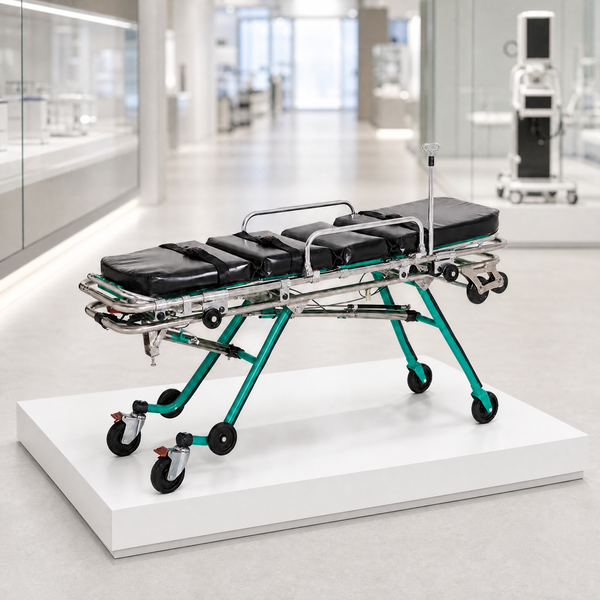
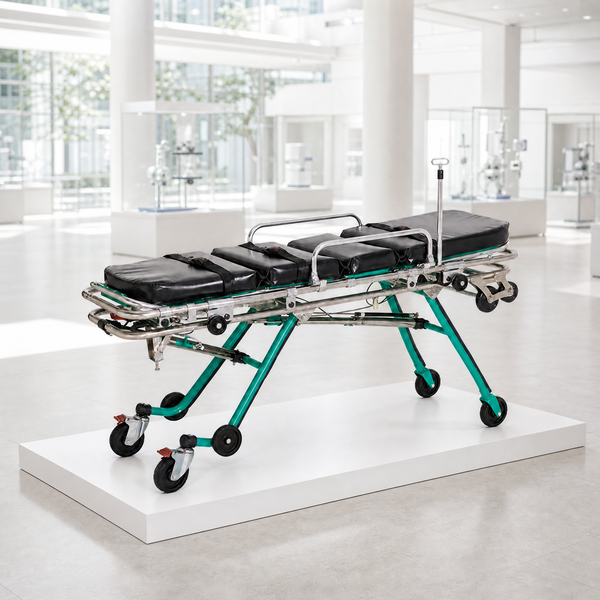
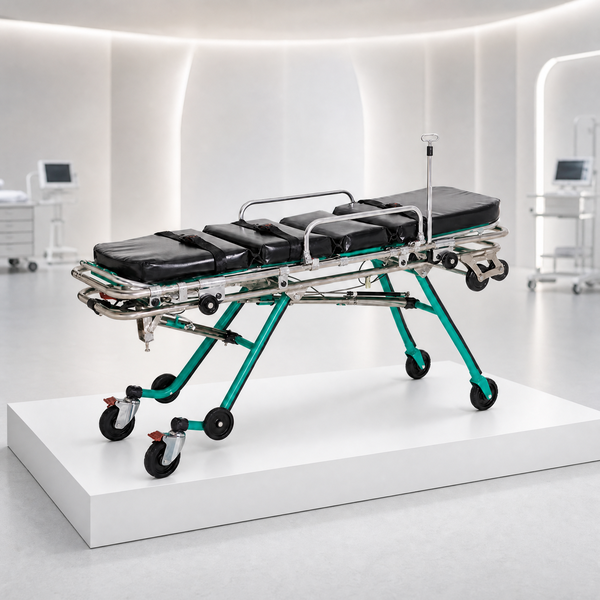
Choosing the right  ambulance and stretcher is critical for emergency  services, healthcare  facilities,  and  disaster response  teams.  As a  vital part  of emergency medical equipment, stretchers must meet specific  needs for safety, efficiency, and reliability. This article  will  guide B2B  buyers through essential considerations, specifications,  and industry  standards that influence  the selection and procurement of ambulances and stretchers. Understanding  these factors is crucial for  purchasing managers, distributors,  and healthcare  professionals aiming to equip their facilities adequately.

Why choose XieHe ambulance and stretcher

Our Products

How to Choose the Right Ambulance and Stretcher for Your Needs

When selecting  an ambulance  and stretcher, buyers should first assess the  application requirements. Consider the type of environment in  which the ambulance will operate—urban, rural, or remote—and the specific patient  needs. For example, if the stretcher will frequently be used in challenging terrains, look  for models with  enhanced stability  and  maneuverability. A great option for challenging terrains is the YXH-5P Stair Stretcher.


Next, evaluate the stretcher’s weight  capacity and dimensions.  Ensure it can accommodate the maximum expected patient weight while fitting within  the ambulance's space constraints. Customization options are also worth exploring, as they allow for specific modifications to enhance patient comfort or operational efficiency.

Finally,  consider the stretcher's compatibility with  ambulance  equipment, such as securing systems  and loading ramps. This compatibility ensures smooth transitions  during patient  transport and helps  maintain safety standards.

Frequently Asked Questions

Our Blog Posts

What Our Partners Say

Key Specifications to Evaluate When Sourcing Stretchers

Key Specifications to Evaluate When Sourcing Stretchers

Several technical specifications  are crucial when sourcing  stretchers. First,  the material used in the stretcher construction should be lightweight  yet durable, typically aluminum or high-strength plastic. These materials provide the necessary strength without adding excessive  weight, which is essential  for first responders who need to act quickly.

The design of the stretcher also plays a significant role. Look for  features such as foldability, adjustable  height, and easy-clean surfaces. These features improve usability  and  hygiene, particularly in emergency situations. Furthermore, weight and  load capacity must be specified to ensure the  stretcher  can  support a variety of patients safely. A suitable model is the YXH-1H Folding Stretcher.

Lastly, confirm that the stretcher meets  relevant regulatory standards,  such as CE, FDA,  and ISO 13485 certifications.  These certifications indicate that the product  has undergone rigorous testing and adheres to safety and quality  guidelines.

Understanding Quality Control Standards for Emergency Equipment

Understanding Quality Control Standards for Emergency Equipment

Quality control is paramount in the manufacturing of ambulances and stretchers. A robust quality management system should  be in place  to ensure that all products meet the required specifications consistently. Key aspects  of quality  control include:

Material Inspection: Raw materials should be  tested for  durability and compliance with industry  standards before  production. In-Process Monitoring: Regular checks during manufacturing can catch defects early, ensuring  that any  issues are  resolved before the final  product is completed. Final Inspection: Every stretcher should undergo a thorough  inspection before  shipping  to guarantee  compliance with specifications and safety standards.

Buyers should  verify that their suppliers have detailed quality control processes and are willing to provide documentation of compliance and testing results. This  assurance  is  vital for trust and reliability in emergency situations.

Installation Guidance for Ambulances and Emergency Stretchers

Installation Guidance for Ambulances and Emergency Stretchers

Proper installation of stretchers in ambulances is crucial to ensure  safety and efficiency during patient transport. Buyers should consult the manufacturer's installation guidelines, which will outline specific requirements for securing the stretcher within  the ambulance.


Key  installation considerations include:

Securing Mechanisms: Ensure  that the stretcher can  be locked in place securely to prevent movement  during transit. Accessibility: Install the stretcher in a  manner  that  allows for quick access in emergencies, which may involve adjusting  its position  for optimal entry and exit. Maintenance Checks: Regular inspections of the installation components are necessary to confirm that everything remains in good  working  order,  particularly the securing mechanisms. 

Buyers should  also consider training staff on the proper use  and installation  of stretchers to enhance  safety and operational efficiency.

Common Problems with Stretchers and Effective Solutions

Common Problems with Stretchers and Effective Solutions

Understanding common issues with  stretchers can help buyers make informed decisions and mitigate  risks. Some  frequent problems include:

Wear and Tear: Frequent use can lead to wear on moving parts and the fabric  of the stretcher. Regular  maintenance and  timely replacement  of components are essential to prolong the stretcher's lifespan.

Compatibility Issues: Sometimes, stretchers  may not fit well within the designated ambulance space  or fail  to integrate with other equipment. Buyers should conduct a thorough compatibility assessment prior to purchasing.


Weight Limit Exceedance: Using stretchers beyond  their specified weight limits can compromise safety. Buyers  should ensure that operational protocols are in place to prevent exceeding these limits.

Hygiene Concerns: Maintaining cleanliness is critical in healthcare environments. Choosing stretchers with easy-to-clean materials  and  surfaces can facilitate  better hygiene practices.

To address these issues, suppliers can offer warranties and after-sales support,  ensuring that customers can access parts and service as needed. Regular  training for staff on proper handling  and maintenance can further reduce the occurrence of these problems.

By focusing on these key considerations, buyers can confidently select  the right ambulance and stretcher for their specific needs, ensuring that they are well-equipped to handle emergencies effectively.