Key Considerations for Rescue Chair Stairs

Zhangjiagang Xiehe Import & Export Co., Ltd.

application/rescue-chair-stair, application/rescue-chair-stair, 
Inquiry
Inquiry

rescue chair stair

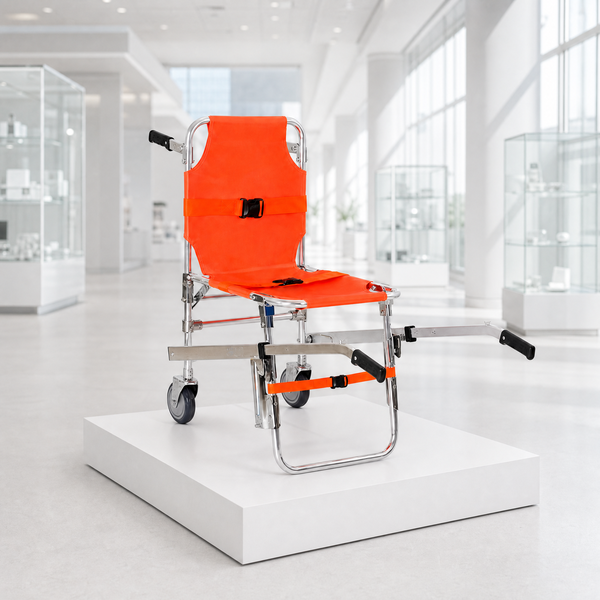
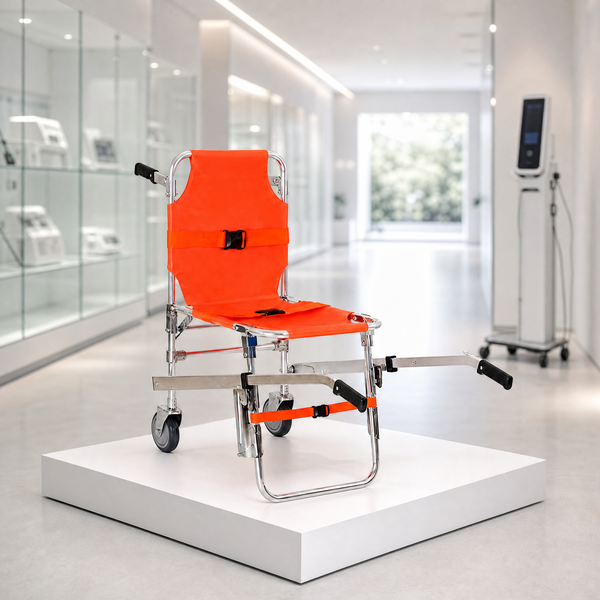
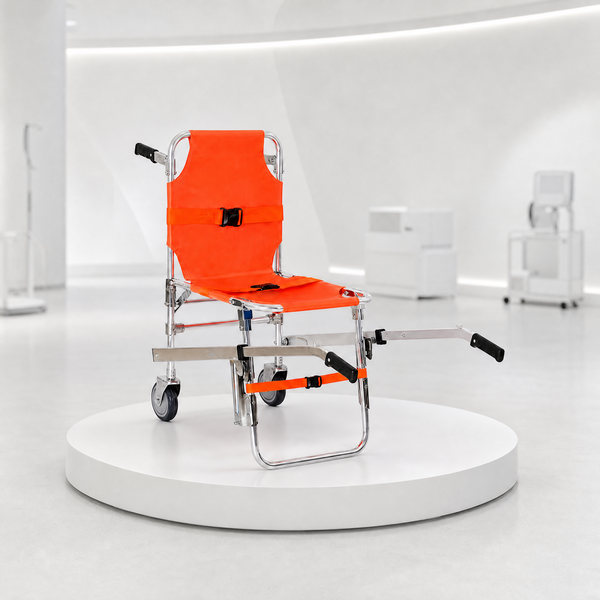
Rescue chair  stairs are essential safety equipment designed to facilitate the  safe  evacuation  of individuals from  multi-story  buildings during emergencies. These  specialized chairs  are particularly critical for those  with mobility issues, as they allow caregivers  and first responders  to transport individuals down  stairs without risking injury. For  B2B  buyers, key concerns include product specifications, compliance with safety standards, and the overall effectiveness of the  rescue chair stair in real-world applications. This article will provide insights into  sourcing  rescue  chair  stairs, best practices, common challenges,  model comparisons, and essential buyer considerations. For instance, understanding the variety of Funeral Home Products available can aid in selecting the appropriate equipment for specific needs.

Why choose XieHe rescue chair stair

Our Products

Key Specifications to Consider When Sourcing Rescue Chair Stairs

When sourcing rescue chair stairs, several specifications are crucial to ensure that the product meets safety and operational requirements:

Weight Capacity: It's vital to confirm  the maximum weight capacity of the  rescue chair stair. Most models are designed to accommodate individuals up to a certain weight, typically ranging from 250 to 400 pounds.  This specification is essential  to  prevent accidents during use.

Material  Composition: The materials used  in the construction of the rescue chair stair  should be durable yet lightweight. Common  materials include aluminum and high-strength plastics,  which provide the necessary strength while allowing for easy maneuverability.

Safety Features: Look for rescue chair stairs that include features such as secure seat belts, anti-slip surfaces, and reinforced frames. These elements are  vital  for ensuring  the safety of the individual being transported.

Ease of Use: Evaluate how easy the chair is to  operate,  including the folding mechanism and  handle  design. Ergonomic handles and intuitive folding actions can significantly streamline the evacuation process.

Compliance and Certification: Ensure that the rescue chair  stair meets relevant  safety standards, such as CE, FDA, and ISO certifications. These certifications indicate  that the product has been thoroughly tested for safety and efficacy.

Frequently Asked Questions

Our Blog Posts

What Our Partners Say

Best Practices

Best Practices

To effectively utilize rescue chair stairs, consider  the following best practices:

Training: Ensure that all personnel who will operate the  rescue chair receive proper training. Familiarity with the chair’s features, handling, and emergency  protocols is  essential for efficient operation.

Regular  Maintenance: Regularly inspect the rescue chair  stairs for any  signs of wear and tear.  Components such as straps, wheels, and frames should be checked routinely to ensure they  are  in good working condition.


Understand the Environment: Familiarize yourself with  the specific environments in which the  rescue chair will be used. Factors such as  stair dimensions,  the presence of obstacles, and lighting conditions can affect the chair's performance during  an emergency.

Conduct  Drills: Implement regular evacuation drills that involve the use  of the rescue chair stairs. This will help  identify  any potential issues and ensure that staff are comfortable using the equipment in high-pressure situations. Additionally, keeping a variety of emergency equipment such as a First Aid Products can further enhance safety during these drills.

Common Problems with Rescue Chair Stairs and Their Solutions

Common Problems with Rescue Chair Stairs and Their Solutions

While rescue chair stairs are designed for  optimal safety and usability, certain problems may arise during operation. Here  are  common issues and their solutions:

Difficulty Maneuvering: If users find  the chair difficult to maneuver, it may be due to  improper weight distribution  or user technique. Providing additional training and practice can help staff become  more proficient.

Wear on Components: Over time, parts of  the rescue chair stair,  such as wheels and straps, may wear out. Regular  inspections and timely replacements of these components can prevent malfunctions during critical moments.

Incompatibility with Stair Designs: Some staircases may present challenges, such as narrow widths  or steep  angles. In such cases, it may be beneficial to assess alternative evacuation methods or invest in more  versatile rescue equipment.

User Resistance: Individuals with mobility  issues may resist being placed in  the chair due to  anxiety or  discomfort. It is important for operators to communicate clearly and reassure the  individual about their safety  throughout the  process.

Comparing Different Models of Rescue Chair Stairs for Your Projec

Comparing Different Models of Rescue Chair Stairs for Your Projec

When comparing models of  rescue chair stairs, consider the following aspects to find  the best fit for your project:

Weight Capacity vs. Portability:  Some models may prioritize high weight capacity, while others  are designed  for portability. Assess the primary use case for your  project to determine which feature takes precedence.

Storage Solutions: Evaluate how each model can be stored when  not  in use. Foldable models that occupy minimal space may be advantageous for smaller facilities.

Cost vs.  Features: While it might be tempting to  opt for  the least expensive model, it’s essential to weigh cost against features. Investing in a higher-quality chair with better safety features  may ultimately provide greater value  and peace of mind.


User  Feedback: Look for reviews or  testimonials from  other users who have employed  the rescue  chair stairs in real  situations. Their experiences can provide valuable insights into the chair's performance and reliability.

What Buyers Should Know

What Buyers Should Know

Before making a purchase,  buyers should consider several factors to ensure they select the best rescue chair stair for their needs:

Customization Options: Many manufacturers,  such as Zhangjiagang Xiehe  Import Export Co., Ltd.,  offer customization options for  their rescue chair stairs. Consider any specific  requirements related to your operational environment that may necessitate tailored  designs.

Lead Times  and Minimum Order  Quantities (MOQ): Understand the lead times for production and shipping, as well as the  minimum order quantities required. This information is essential for planning  your procurement schedule effectively.

Quality Inspection Protocols: Establish clear quality  inspection protocols for the rescue chair stairs upon delivery. This may include checking for  any damages,  verifying compliance  with specifications, and testing the chair under actual use  conditions.

Post-Purchase Support: Consider the level of post-purchase support provided by the supplier. Reliable manufacturers  should offer assistance with maintenance, replacement parts, and troubleshooting.

By keeping these considerations in mind, B2B buyers can  make informed decisions when sourcing rescue chair  stairs, ensuring they invest in  equipment that enhances safety and efficiency during emergencies.