Evacuation Chairs for Stairs: Key Considerations

Zhangjiagang Xiehe Import & Export Co., Ltd.

application/evacuation-chair-for-stairs, application/evacuation-chair-for-stairs, 
Inquiry
Inquiry

evacuation chair for stairs

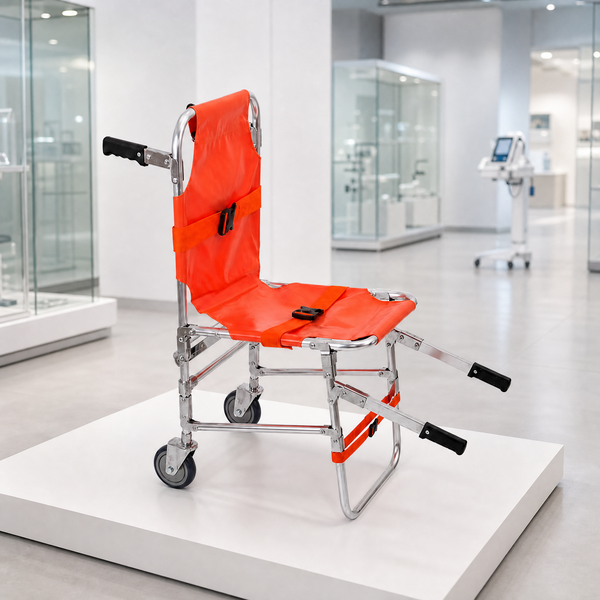
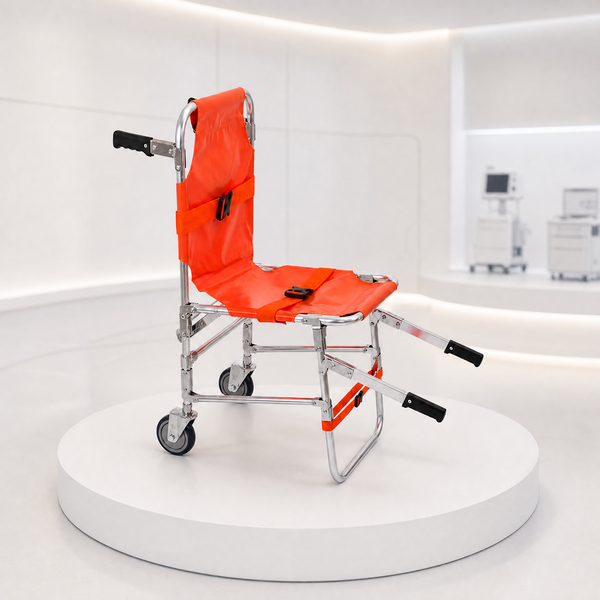
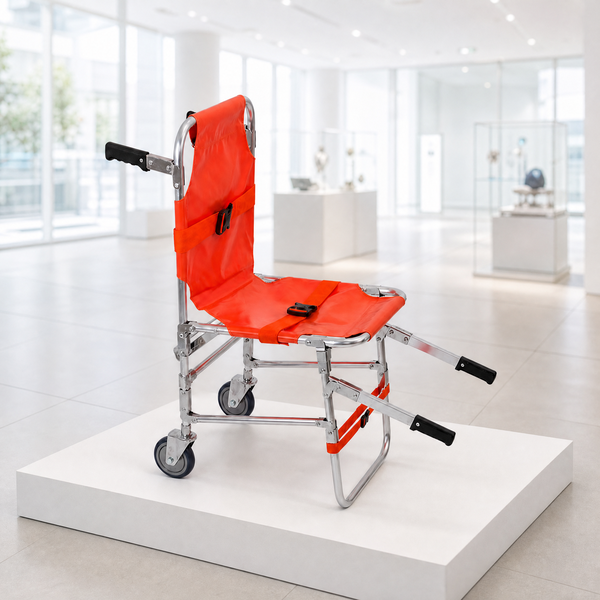
Evacuation chairs  for stairs are  essential safety  devices  designed to facilitate the  safe transport of individuals with mobility  challenges during emergencies. These specialized chairs are a  critical consideration  for facilities such  as  hospitals,  schools,  and commercial buildings, where quick evacuation may  be necessary.  B2B  buyers, including purchasing managers and facility engineers, must assess various factors such as quality, technical specifications,  installation processes, and common  issues before making a procurement decision. This article will provide valuable insights into these factors to  help buyers  make informed choices when considering evacuation  chairs for stairs. For example, incorporating high-quality Funeral Home Products can enhance the overall safety of a facility.

Why choose XieHe evacuation chair for stairs

Our Products

Understanding Technical Specifications of Evacuation Chairs for Stairs

When evaluating evacuation chairs for stairs, understanding the technical specifications is crucial. Key specifications  include  weight capacity, dimensions,  and materials used in construction.


Weight Capacity: This specification indicates the maximum load the chair can safely transport. Chairs designed for  heavier individuals should have a higher weight capacity, typically ranging from  250 to 500  pounds. Buyers must  assess  their specific needs based on the average weight  of users  in their facility.

Dimensions: The size  of an  evacuation chair affects its maneuverability in tight spaces, such as stairways.  Standard dimensions should allow for easy handling while ensuring comfort for the user. It's essential to confirm these  dimensions match the facility's requirements.

Materials: The choice of materials  impacts the chair's durability and weight. Lightweight aluminum  frames are common for  easy transport. Additionally, the fabric used for seating should be  robust and easy to clean, especially in medical settings. Using a Manual Stair Chair can be beneficial in certain situations.

By understanding these specifications, buyers can ensure that the chairs will meet their operational  needs effectively.

Frequently Asked Questions

What is an evacuation chair for stairs?

An evacuation chair for stairs is a specially designed mobility device to safely transport injured or immobile individuals down stairways during emergencies, improving evacuation speed and reducing caregiver strain.
Our chairs are produced under CE, FDA and ISO 13485-compliant systems, ensuring quality, safety and regulatory conformity for medical and emergency use.
Yes. We offer customization options for dimensions, materials, color and accessory attachments to meet facility requirements and user needs.
Most models are operable by one trained caregiver; heavier loads or complex stairs may require two operators. Training is recommended for safe use.
Yes. We serve a global network of distributors across 120 countries and can arrange direct shipping, after-sales support and spare parts as needed.

Our Blog Posts

What Our Partners Say

Evaluating the Quality of Evacuation Chairs for Stairs in Bulk Orders

Evaluating the Quality of Evacuation Chairs for Stairs in Bulk Orders

Quality  evaluation is critical when procuring evacuation chairs in bulk. Here are several factors to consider:

Certifications:  Ensure the chairs  meet relevant safety  standards, such as CE, FDA,  or ISO certifications. These  certifications provide assurance of the chair's reliability  and safety during use.

Material Quality: High-quality materials, such as reinforced  frames and durable upholstery, contribute to the longevity of the chairs. Buyers should request samples or  detailed information  regarding  the materials used to  assess their suitability.

Manufacturing  Process: Understanding the production process can help buyers identify potential quality issues. A reputable manufacturer should have robust quality control measures, including regular inspections and testing of raw materials and finished products.

Warranty and Support:  A comprehensive warranty reflects the manufacturer's confidence  in  their product quality. Buyers should  inquire about warranty terms and post-purchase support for  maintenance.

Evaluating these quality aspects will help ensure that bulk orders meet the required  standards and  provide value over time.

Installation Guidance for Evacuation Chairs Designed for Stairs

Installation Guidance for Evacuation Chairs Designed for Stairs

Installation of evacuation chairs is  a critical step that requires careful planning. Here are some essential considerations:

User Training: Before installation, ensure  that staff members are trained in how to use the evacuation chairs correctly. This includes understanding the chair's folding  mechanisms, securing  users, and maneuvering the chair on stairs.

Location of Installation: Identify strategic locations for the chairs within the facility.  They should  be easily accessible in emergencies yet  stored  in a way that  doesn't obstruct  regular traffic.

Regular Maintenance: Implement a maintenance schedule to check the  functionality of the chairs. This includes inspecting  the brakes, straps, and overall condition to ensure reliability during  an emergency.

Signage: Clear signage indicating the location and usage instructions for the evacuation  chairs can enhance safety and  awareness among  staff  and visitors.

By following these guidelines, facilities can ensure  that their evacuation chairs  are properly installed and ready for use when needed. 

Common Problems with Evacuation Chairs for Stairs and Their Solutions

Common Problems with Evacuation Chairs for Stairs and Their Solutions

Despite their  effectiveness, evacuation  chairs can encounter issues. Recognizing common problems and their solutions  is vital:

Brake Malfunctions: Over time, the brakes may  wear or malfunction, risking safety. Regular inspections can help identify these issues early. Replacing faulty  components promptly will ensure the chair remains operational.

User Resistance: Some individuals may resist being placed in an  evacuation chair. Training  staff to communicate effectively and reassure users can help alleviate anxiety and encourage compliance.

Weight Limit Exceeded: Using a chair  beyond its weight capacity  can lead  to failure.  Facilities should ensure that staff are  aware of the weight limits and that users are  assessed before  evacuation.

Deterioration of  Materials: Regular use can lead to wear and tear on the chair's  fabric  and straps. Routine checks and proper cleaning can extend the life of  the materials.

By  addressing these common problems, facilities can improve the reliability  and effectiveness of their evacuation chairs.

How to Compare Different Models of Evacuation Chairs for Stairs

How to Compare Different Models of Evacuation Chairs for Stairs

When comparing different models of  evacuation chairs for stairs, consider the following factors:

Features: Evaluate the features that enhance  usability, such as adjustable handles, safety straps, and folding mechanisms. Some models  may offer additional features like  padded seats or integrated lifting systems.

Weight and Portability:  Compare the weight of different models, especially  if they  will be used frequently. Lighter models may  be easier to maneuver, but ensure this does not compromise strength and durability.

User Feedback: Research reviews and  testimonials from other buyers to gauge real-world performance. This  can  provide insights into the  chair's reliability and ease  of use.

Cost:  While budget constraints  are important, consider the value offered by each model. A higher upfront cost may be justified  by superior quality and durability, leading to lower long-term costs.

Engaging in careful comparison will help buyers select the most appropriate evacuation chairs for their specific needs. 

By focusing on these key areas, B2B buyers can make informed decisions regarding evacuation chairs for stairs, ensuring they meet  safety standards  and operational requirements  effectively.