Common Problems with Emergency Evacuation Chairs and Effective Solutions
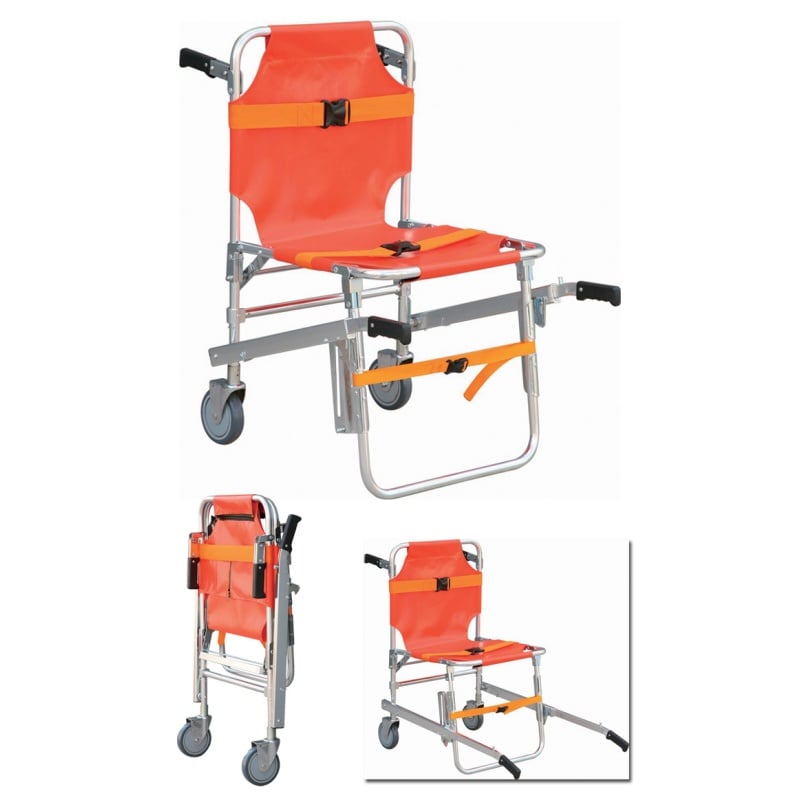
While emergency evacuation chairs are designed for safety and efficiency, several common problems can arise, which buyers should be aware of. One frequent issue is the chair's weight, which can hinder rapid movement. To mitigate this, buyers should consider lightweight models that still meet safety standards.
Another concern is wear and tear, particularly in high-usage environments. Regular maintenance checks, including inspections of the fabric, frame, and safety mechanisms, can help identify issues before they compromise safety. It is advisable to establish a routine for checking the chair's functionality, ensuring that any problems are addressed promptly.
Additionally, training staff on the correct usage of evacuation chairs can prevent misuse and ensure that everyone is prepared during an emergency. Buyers should request training materials or sessions from the manufacturer to ensure staff are equipped with the knowledge needed for effective operation.
Understanding the specifications, cost factors, installation guidelines, and common issues associated with emergency evacuation chairs is essential for B2B buyers. By thoroughly evaluating these aspects, purchasing managers and facility administrators can make informed decisions that enhance safety and compliance within their organizations.
 EN
EN